Understanding Your Palate: What Wine Styles Do You Prefer?
Before making a wine purchase, take a moment to consider the styles that typically appeal to you. Before making a wine purchase, take a moment to consider the styles that typically appeal to you. This self-assessment is essential for guiding your choices towards bottles you will genuinely appreciate. Think about the dominant characteristics that define your favorite wines: sweetness, acidity, body, and tannins, as these elements shape a wine's overall character and mouthfeel.
- Sweetness Level: Do you find yourself drawn to bone-dry wines, prefer selections with a subtle hint of residual sugar (off-dry), or do you gravitate towards distinctly sweet dessert wines? Many versatile white wines, such as certain German Rieslings or Gewürztraminers, offer a spectrum from dry to sweet, while nearly all red wines are fermented to dryness.
- Acidity: Wines with higher acidity taste crisp and refreshing, often described as 'tart' or 'zingy.' A Marlborough Sauvignon Blanc or an Alto Adige Pinot Grigio are classic examples. In contrast, wines with lower acidity tend to feel smoother and rounder on the palate, like a rich California Chardonnay or a Viognier.
- Body: This characteristic describes the perceived weight or fullness of a wine in your mouth. Light-bodied wines are delicate, feeling similar to water, while full-bodied wines are richer and more viscous, akin to whole milk. Pinot Noir serves as an excellent illustration of a light-bodied red, whereas Cabernet Sauvignon is typically robust and full-bodied.
- Tannins: Primarily present in red wines, tannins impart a drying, sometimes astringent sensation in your mouth, similar to strong black tea. They provide structure, complexity, and are crucial for the aging potential of many reds. Young Cabernet Sauvignon or Nebbiolo are known for their firm tannins; Merlot or Gamay generally present softer, more supple tannins.
If you are unsure of your exact preferences, recall past wines you have enjoyed or disliked. Did you find a crisp white delightful with seafood, or a bold red satisfying with a steak? Developing your palate is an ongoing journey; further insights can be found in our guide How to Wine Taste Better.
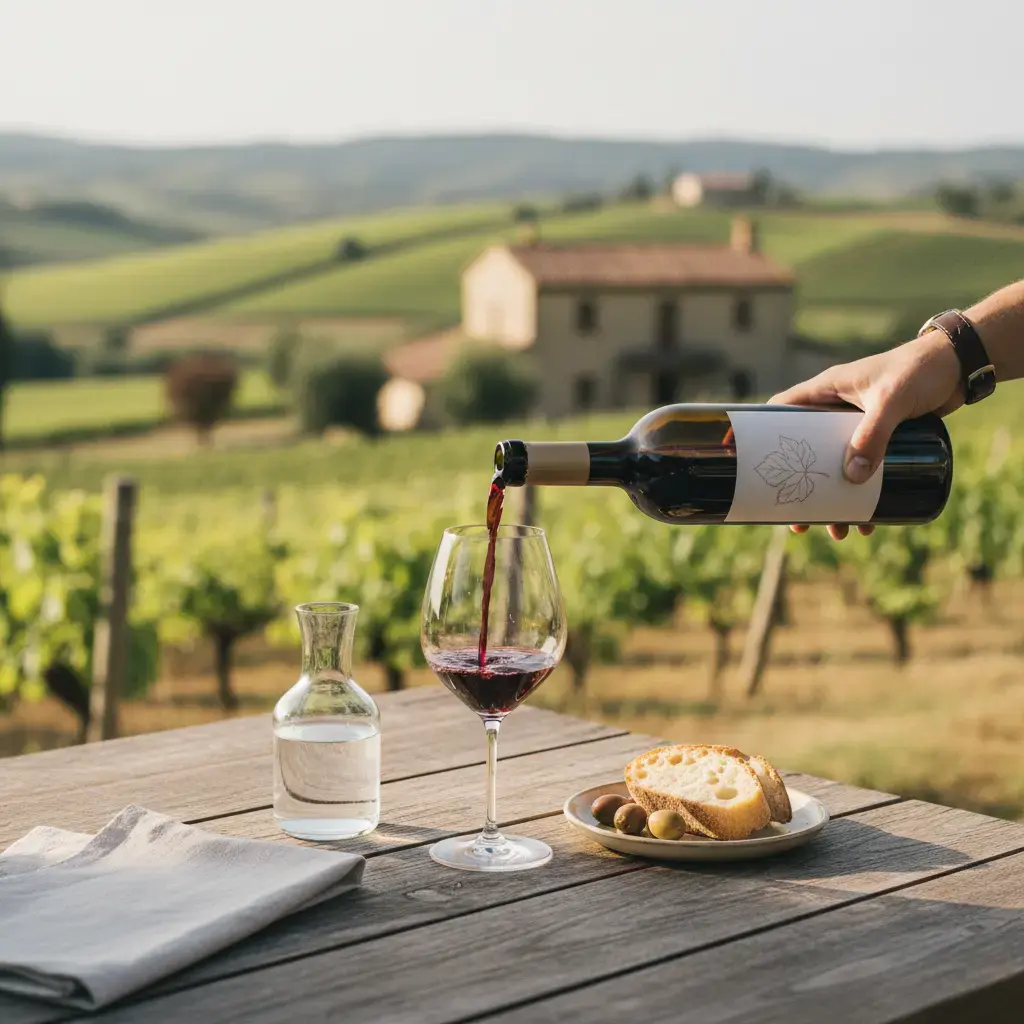
How Does the Occasion Influence Your Bottle Choice?
The context surrounding your wine selection plays a significant role in determining the most suitable bottle. The context surrounding your wine selection plays a significant role in determining the most suitable bottle. A casual weeknight dinner at home requires a different approach than a formal celebration, a thoughtful gift for a host, or a quiet evening by yourself. Aligning the wine with the event establishes the appropriate mood and genuinely enhances the overall experience for everyone involved.
Casual Gatherings and Weeknight Meals
For everyday drinking and informal occasions, versatility and approachability are often paramount. For everyday drinking and informal occasions, versatility and approachability are often paramount. Seek out wines that are easy-drinking, enjoyable without deep contemplation, and offer good value. These relaxed settings are ideal for exploring lesser-known regions or grape varieties without a substantial financial commitment. They allow for experimentation and discovering new favorites without pressure. Consider these moments an opportunity to expand your wine horizons.
Scenario: Simple Tomato Pasta Dinner
Recommended Wine: Barbera from Piedmont, Italy. Its bright acidity and modest tannins pair well with tomato-based sauces without overpowering them.
Alternative Option: A light-bodied Sangiovese from Tuscany.
What to Avoid: Heavily oaked or high-tannin reds like a young Barolo, which would clash with the dish's acidity and robust flavors.
Special Celebrations and Formal Dinners
Significant events often call for a wine that makes a statement, whether through its prestige, age-worthiness, or unique character. Significant events often call for a wine that makes a statement, whether through its prestige, age-worthiness, or unique character. This might mean investing in a higher-quality bottle, selecting a wine from a renowned vintage, or choosing a classic pairing known to elevate the meal. Such occasions are when a well-chosen wine can truly distinguish the experience. For a more comprehensive approach to occasion-based selections, explore our guide Wine Basics: How to Choose Wine by Occasion, Food and Style.
Scenario: Anniversary Dinner with Pan-Seared Duck Breast
Recommended Wine: Pinot Noir from Burgundy, France, or Oregon, USA. Its earthy notes, delicate red fruit, and balanced acidity offer a classic match for the rich duck.
Alternative Option: A mature Nebbiolo from Barbaresco.
What to Avoid: Overly robust or excessively sweet wines that would overwhelm the nuanced flavors of the duck and rich sauce.
Deciphering Wine Labels: What Key Information Matters?
A wine label serves as a concise summary of the bottle's contents and origin. A wine label serves as a concise summary of the bottle's contents and origin. Understanding its key elements enables you to make informed decisions, even when faced with unfamiliar wines. Look beyond just the brand name to grasp the wine's birthplace and its inherent characteristics before you buy.
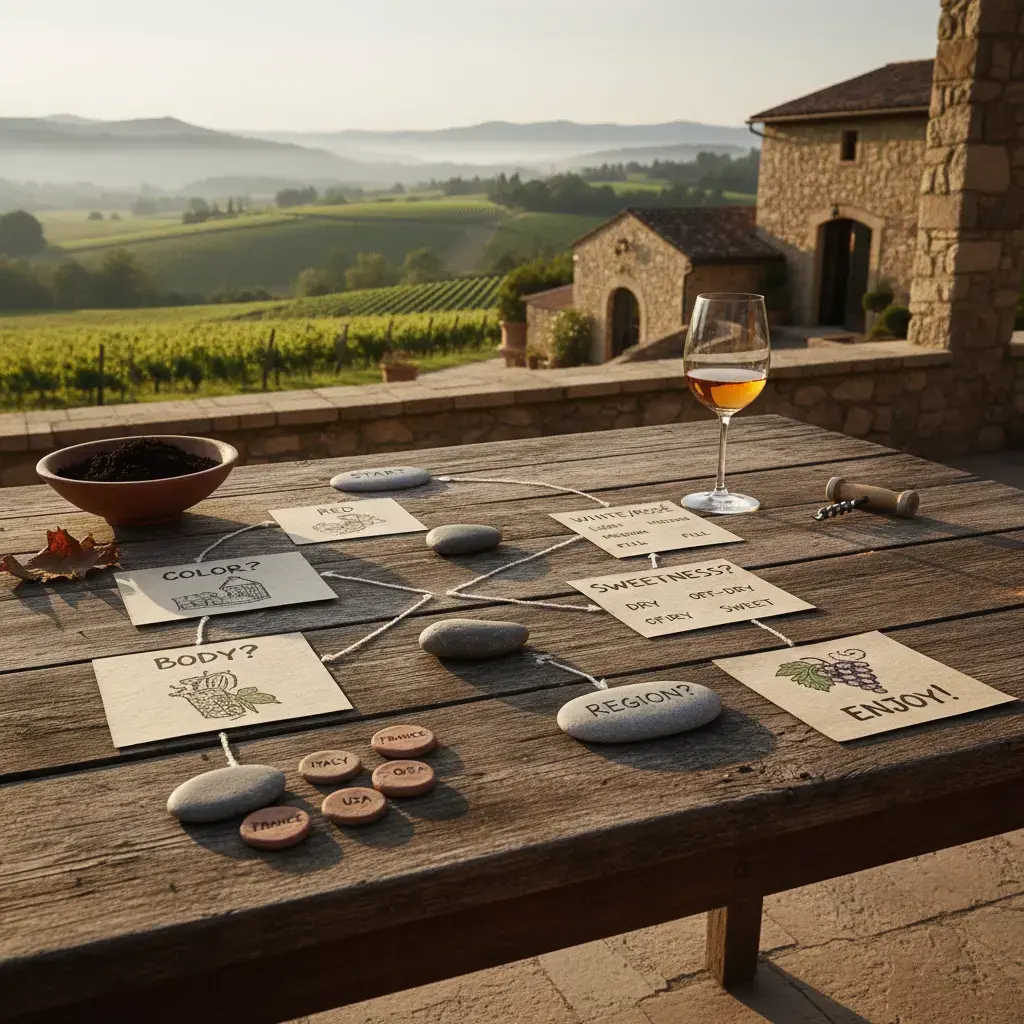
Key details typically include the producer or winery, the vintage (the year grapes were harvested), the primary grape varietal (e.g., Chardonnay, Merlot) or the region of origin (e.g., Bordeaux, Chianti), and the alcohol content (ABV). Some labels may also indicate sweetness levels or specific aging details, providing a more complete picture of the wine's profile. This information collectively helps you anticipate the wine's taste and style.
| Label Element | What It Tells You | Why It Matters for Selection |
|---|---|---|
| Producer/Winery | The estate or company that made the wine. | Often indicates a certain quality standard, house style, or reputation. |
| Vintage (Year) | The year the grapes were harvested. | Crucial for understanding a wine's age, aging potential, and how specific regional climate variations might have affected grape quality. |
| Varietal (Grape) | The primary grape(s) used (e.g., Cabernet Sauvignon, Pinot Grigio). | Directly indicates the expected flavor profile, typical aroma characteristics, and overall style. |
| Region/Appellation | Where the grapes were grown (e.g., Napa Valley, Bordeaux, Chianti). | Suggests specific stylistic traditions, terroir influence, and adherence to quality regulations. Discover diverse terroirs in our wine regions guide. |
| Alcohol Content (ABV) | Percentage of alcohol by volume. | Impacts body and intensity; higher ABV often means a fuller-bodied, richer wine. |
| Volume | Amount of wine in the bottle (typically 750ml). | Standard size for consumption planning and serving. |
| Sulphites | Indicates the presence of sulfites (a common preservative). | Important for those with sensitivities, though most wines contain naturally occurring or added sulfites. |
| Classification (e.g., DOCG, AOC) | Quality designation from the region of origin. | Guarantees adherence to specific production rules and often signifies higher quality standards. Learn about Italian classifications in DOC, DOCG and IGT: How Italian Wine Classification Works. |
Why Explore Beyond Your Familiar Wine Choices?
While sticking to known favorites offers a certain comfort, the global wine landscape presents a vast diversity ripe for discovery. While sticking to known favorites offers a certain comfort, the global wine landscape presents a vast diversity ripe for discovery. Expanding your palate beyond familiar grapes like Cabernet Sauvignon or Chardonnay can lead to exciting new preferences and surprisingly valuable finds. Many regions produce exceptional wines that may not receive as much mainstream attention as established powerhouses, often offering compelling character at a more accessible price point.
Consider a crisp Grüner Veltliner from Austria as an alternative to Sauvignon Blanc; it provides similar refreshing acidity but with unique white pepper and lentil notes. For red wine enthusiasts, try a Barbera from Italy for a vibrant, fruit-forward option with softer tannins, or a Grenache from the Rhône Valley for a richer, spicy profile. These less common wines often represent better value than their more famous counterparts while delivering significant character and a fresh, rewarding experience.
Scenario: Mixed Cheese Board Featuring Soft and Hard Cheeses
Recommended Wine: A versatile Pinot Noir or a dry Rosé. Their balanced acidity and fruitiness can handle a range of cheese types without clashing.
Alternative Option: For blue cheeses specifically, a dessert wine like Port or Sauternes offers a classic pairing.
What to Avoid: Heavily tannic red wines paired with soft, creamy cheeses, which can create an unpleasant metallic or bitter taste.
What Questions Should You Ask When Buying Wine at a Shop?
Never hesitate to engage with the knowledgeable staff at a dedicated wine shop; they are an invaluable resource for navigating the vast selection. Never hesitate to engage with the knowledgeable staff at a dedicated wine shop; they are an invaluable resource for navigating the vast selection. Providing them with a few key pieces of information can quickly narrow down the options and guide you towards an ideal selection, transforming a potentially overwhelming choice into an enjoyable discovery. Think of them as experienced guides on your wine journey.
Begin by clearly stating your budget. This immediately helps the assistant focus on relevant bottles within your price range, ensuring you aren't oversold or undersold. Next, mention the occasion or any food you plan to pair with the wine. For instance, 'I'm looking for a red wine under $30 for grilled lamb tonight' is an excellent starting point. Finally, share your general preferences: Do you typically prefer dry or sweet, full-bodied or light, fruity or earthy wines? If you know specific grape varieties you enjoy or dislike, mention those too. A simple 'I usually like California Chardonnay but want to try something different, perhaps from a different region' gives them a clear direction. Their expertise can help you uncover hidden gems or introduce you to styles you wouldn't have considered on your own. You can also explore our full Buying Wine with Confidence: A Practical Guide for more tips.
Basic Cellar Care: Storing Your Wine Selections at Home
Once you have carefully chosen your wines, proper storage is crucial to ensure they maintain their quality and, for some bottles, develop desirable complexity over time. Once you have carefully chosen your wines, proper storage is crucial to ensure they maintain their quality and, for some bottles, develop desirable complexity over time. Even if you don't possess a grand underground cellar, adhering to a few simple rules protects your investment and preserves the wine's intended character until you're ready to open it.
Always store wine bottles horizontally, particularly those sealed with natural corks, to keep the cork moist and prevent it from drying out, which can allow unwanted air ingress. Maintain a consistent, cool temperature, ideally between 50-59°F (10-15°C), and vigilantly avoid extreme temperature fluctuations, which can prematurely age or damage wine. Keep bottles away from direct sunlight and strong artificial light, as UV rays are detrimental and can degrade the wine. Minimize vibrations, as constant movement can accelerate aging and disturb sediment, affecting clarity and taste. A dark, cool closet or a dedicated wine fridge works exceptionally well for short-to-medium term storage, preserving your chosen bottles effectively. For more detailed advice, consult our comprehensive guide, How to Store Wine at Home: A Comprehensive Guide.