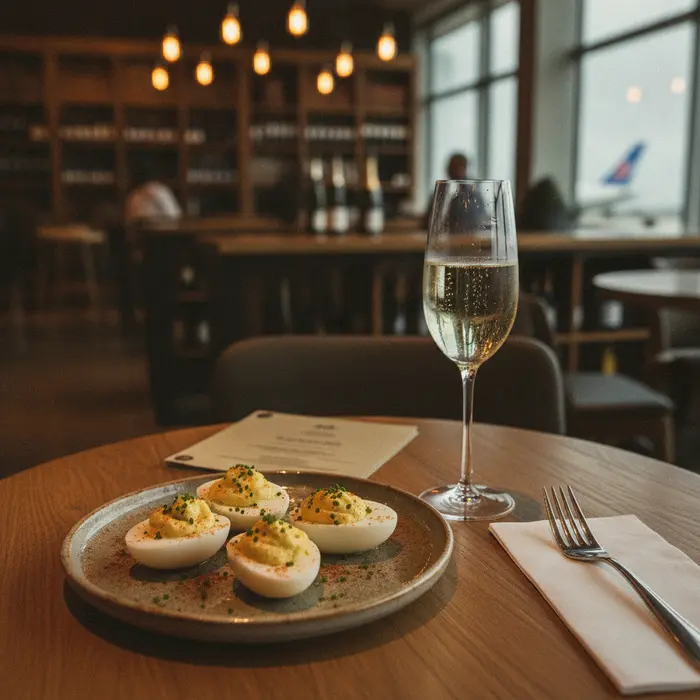
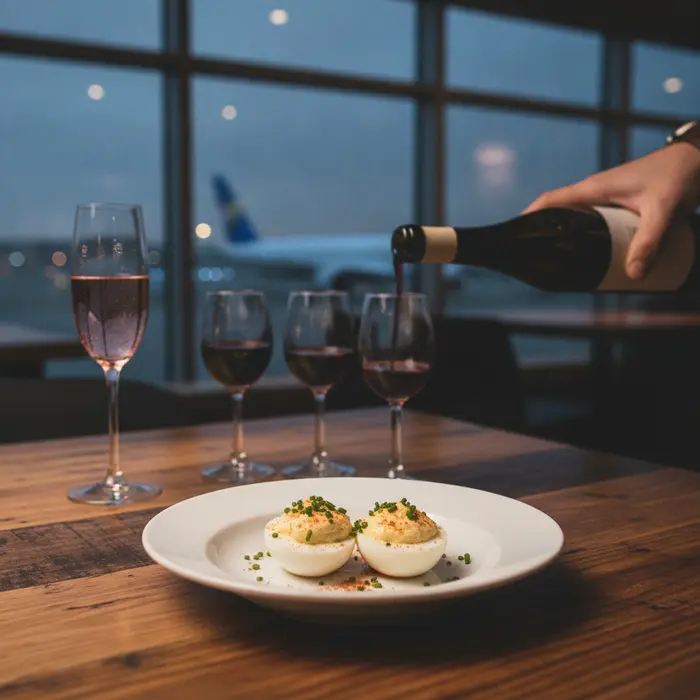
Which wine styles pair best with classic deviled eggs?
The best wine matches for deviled eggs feature high acidity and lively effervescence to cut through the heavy yolk paste. This contrast refreshes your mouth and prepares your palate for the next savory bite.
Sparkling wines that cut through rich egg yolks
Sparkling wines act as the ultimate palate cleanser against the dense, fatty texture of hard-boiled egg yolk. The carbonation sweeps away the sulfurous coating, leaving your mouth refreshed. Try a traditional Spanish sparkler from Codorniu Spain's oldest winery to see how high-acid bubble structures balance creamy yolk fillings.
High-acid white wines for a clean palate
Dry, unbaked white wines provide sharp citrus notes that slice through mayo-heavy deviled eggs. A crisp, mineral-forward pour like a Sicilian Grillo grape wine offers bright stone fruit and high acidity that keeps the pairing light and lively.
Light-bodied reds to balance spicy mustard elements
If you prefer red wine, stick to low-tannin bottles like a chilled Gamay or Pinot Noir. These red varietals provide enough bright red fruit to balance spicy mustard or paprika without clashing with the egg proteins. This is similar to choosing the best wine with turkey, where high acidity and low tannins are vital to keep the dry meat and rich side dishes in harmony.
| Egg Element | Pairing Challenge | Ideal Wine Style | Why It Works |
|---|---|---|---|
| Creamy Egg Yolk | Coats palate with heavy fat | Brut Cava / Champagne | Bubbles and high acidity scrub the palate clean. |
| Dijon Mustard | Sharp, vinegar-based spice | Dry Riesling / Grillo | Bright stone fruit and high acid match the tangy kick. |
| Smoked Paprika | Earthy, warm, smoky notes | Chilled Gamay / Pinot Noir | Low-tannin red fruit complements earthy spices. |
How does egg yolk fat affect wine perception?
Egg yolks contain fats and proteins that coat your tongue and temporarily dull your taste buds. This coating can make delicate wines taste flat or overly bitter if not paired correctly.
The coating effect of sulfur and fats on the tongue
Yolks carry natural fats and volatile sulfur compounds that cling to the oral cavity, creating a dense barrier. This barrier suppresses the subtle fruit characteristics of low-acid wines, making them taste muted.
Why high tannin levels clash with hard-boiled eggs
Tannins bind to the proteins in your saliva, but when mixed with egg lipids, they create a harsh metallic finish. Avoid heavy Cabernet Sauvignon or Syrah when eating deviled eggs, as the dry tannins will taste unpleasantly bitter against the egg white.
Acidity as the ultimate palate cleanser
Acidity acts like a knife slicing through fat, stripping the heavy yolk paste off your taste receptors. This biochemical interaction ensures that every sip of wine feels clean and vibrant.
Is Sherry or Cava a better match for airport egg plates?
Both Cava and dry Sherry are excellent choices, but they solve different structural pairing problems. Cava provides refreshing carbonation to lift heavy textures, while Sherry offers a savory, oxidative complexity that complements the yolk spice.
Fino Sherry for a bone-dry savory contrast
Fino Sherry offers an intense, yeasty dryness that aligns perfectly with salty, mustard-laced deviled eggs. The nutty undertones of the wine highlight the smoky notes of paprika or bacon bits.
Cava as a budget-friendly high-acid option
Cava is produced using the traditional method, giving it fine bubbles and a complex, brioche-like finish at a fraction of Champagne prices. It is the most reliable sparkling option to scrub your palate clean at any transit terminal.
Traditional method complexities in sparkling flights
Choosing sparkling options with secondary yeast aging adds autolytic notes of toast and biscuit. These deeper flavors match the rich, savory filling of gourmet eggs without overwhelming the palate.

How should you plan a quick layover tasting flight?
Building your own mini-flight during a short layover lets you compare different grape varieties against your snack plate. Stick to simple rules of progression to keep your taste buds sharp.
Structuring a flight from high acid to robust body
Always taste lighter, high-acid white wines before moving on to fuller whites or light reds. Starting with a heavy red will overwhelm your palate, making subsequent white wines taste thin and sour.
Managing palate fatigue during dry flights
Cabin pressure and dry air dry out your nasal passages, altering your sense of smell and taste. Sip plenty of water alongside your wine flight to keep your palate hydrated and functional.
Quick bites that do not ruin your tasting experience
Select simple, neutral foods like plain crackers, hard cheeses, or mildly spiced deviled eggs. Avoid overly spicy, garlic-heavy, or sugary dishes, as they will throw off the acid balance of your wine.
Can cheap appetizers match high-end wines?
Simple, inexpensive foods often make the absolute best matches for ultra-premium wines. The modest protein and fat profile of a basic egg or snack serves as a neutral canvas that allows complex wines to shine.
The physics of fat and luxury pairings
High-quality wines need fat to soften their structural elements, like high acidity or firm tannins. A simple deviled egg provides the perfect creamy fat emulsion to soften a mature vintage or a premium sparkling wine.
Real examples of low-brow food and high-brow wine
Pairing salty potato chips with vintage Champagne or french fries with high-end Bordeaux are legendary sommelier favorites. These pairings succeed because the salt and fat instantly temper the wine's harshness, proving that expensive food is not required to enjoy elite bottles.
Why simple proteins act as perfect blank canvases
Foods without dominant seasonings allow you to appreciate the subtle tertiary aromas of aged wines. When a meme about age makes us laugh, we can appreciate that a bottle that has aged like fine wine requires humble pairings to let its delicate bottle-aged nuances show.
How can you recreate the perfect sommelier-level egg pairing at home?
You do not need to spend $12 at an airport terminal to enjoy this classic combination. With a few simple kitchen steps, you can craft a world-class deviled egg plate paired with a carefully budgeted retail bottle.
Upgrading classic deviled eggs with gourmet toppings
Elevate your homemade recipe by adding finishing salts, fresh chives, or a drop of truffle oil. These small additions create complex flavor bridges that tie directly into the herbal or earthy notes of your wine.
Selecting retail bottles at realistic prices
Skip the inflated airport markup by visiting a quality local shop. If you want to know how to locate these hidden retail gems, consult our guide on finding a wine store near me for expert buying tips.
Serving temperatures for travel-friendly appetizers
Keep your deviled eggs chilled until serving, and make sure your white wine is served at a cool 45 to 50 degrees Fahrenheit. If you want to pour with scientific precision, consider the meticulous approach of the chemist stepdad wine portions method to ensure everyone gets a perfect, measured glass.
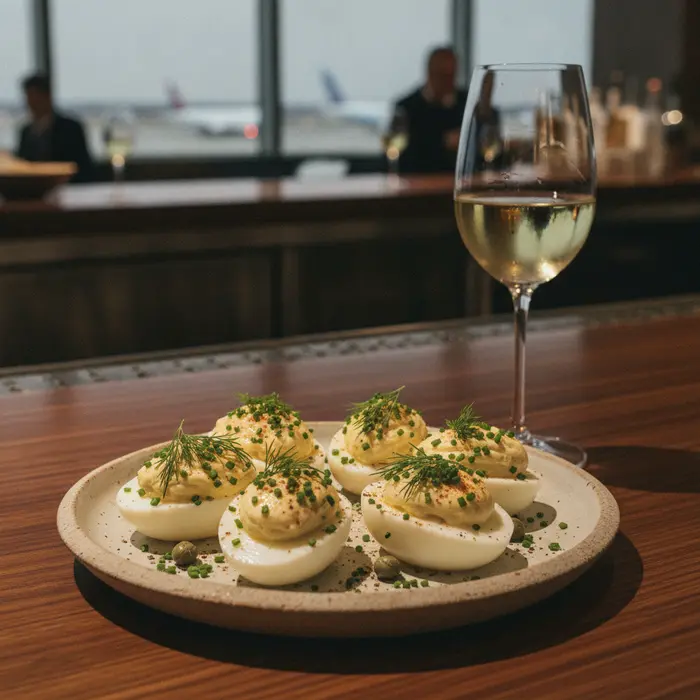
- Boil fresh large eggs for exactly nine minutes, then immediately plunge them into an ice bath to ensure easy peeling.
- Slice the eggs in half lengthwise and gently transfer the yolks to a mixing bowl.
- Mash the yolks with high-quality mayonnaise, Dijon mustard, a splash of white wine vinegar, and a pinch of sea salt until ultra-smooth.
- Pipe the mixture back into the whites and garnish with fresh chives and smoked Spanish paprika.
- Chill the assembled eggs in the refrigerator for at least thirty minutes before serving alongside a cold glass of sparkling Cava.