What Does "Aged Like Wine" Really Mean?
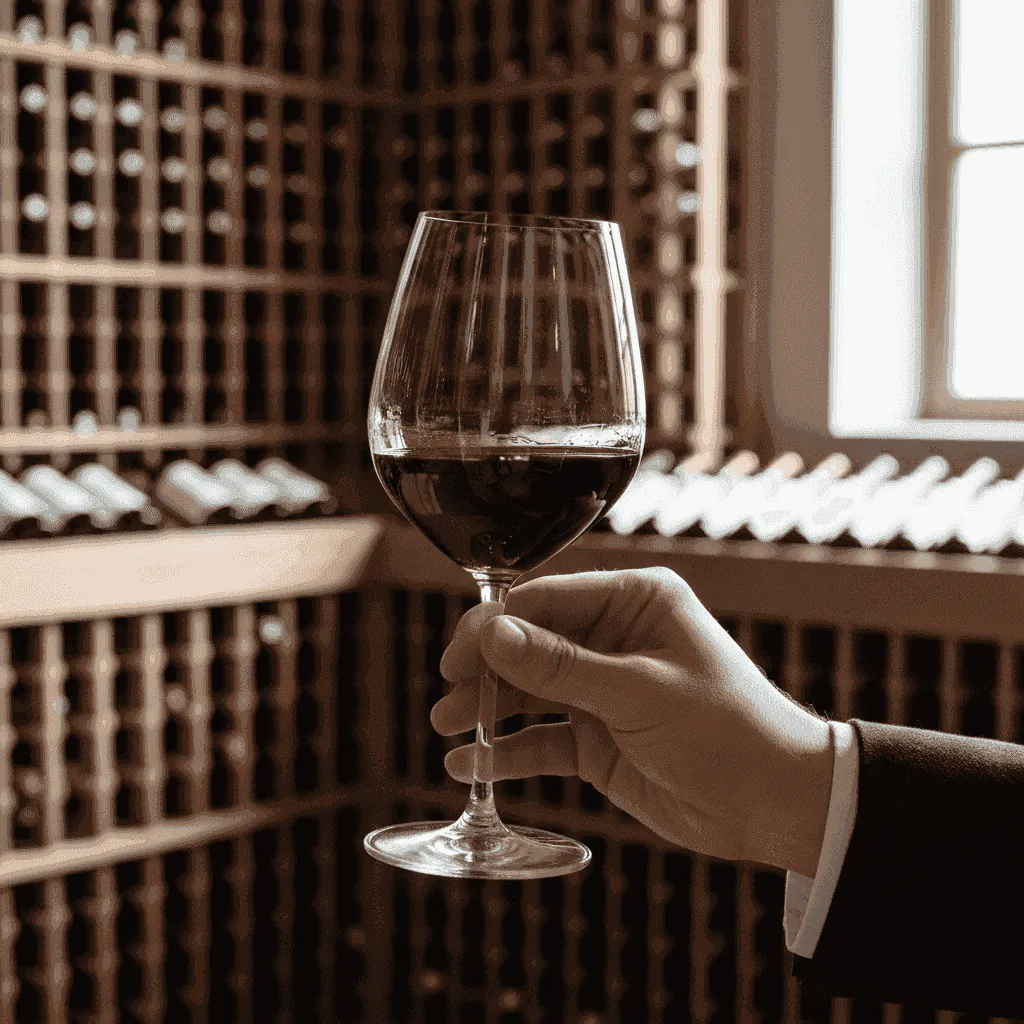
"Aged like wine" fundamentally describes a process of beneficial maturation, where the inherent qualities of a wine evolve and improve over time in the bottle. Unlike most perishable goods, certain wines undergo chemical reactions that soften harsh tannins, integrate flavors, and develop new aromatic compounds, leading to a more harmonious and complex profile.
Beyond a Metaphor: Literal Wine Aging
Literal wine aging involves a series of complex chemical transformations that occur when wine is stored under optimal conditions over an extended period. These changes primarily affect the wine's color, aroma, and taste, moving from primary fruit notes to secondary and tertiary characteristics like leather, tobacco, earth, and dried fruit. Discover more about this process in our guide: Aged Like Fine Wine: A 2026 Guide to Longevity, Grapes & Buying.
Common Misconceptions About Aged Wine
A common misconception is that all wines improve with age; in reality, only a small percentage are truly built for long-term cellaring. Many everyday wines are crafted for immediate consumption, and aging them beyond a year or two can lead to a loss of freshness and vibrancy rather than an enhancement.
Why Do Some Wines Age and Others Don't?
The ability of a wine to age is determined by its intrinsic composition, particularly its levels of acidity, tannins, sugar, and alcohol, which act as natural preservatives and contribute to its structural integrity. Wines with a balanced interplay of these elements have the framework to evolve positively.
The Role of Tannins and Acidity
Tannins and acidity are crucial structural components that enable wine to age gracefully, providing both preservation and the backbone for complex development. Tannins, found in grape skins, seeds, and oak barrels, gradually polymerize and soften over time, reducing astringency. High acidity preserves freshness and brightens flavors, preventing spoilage and maintaining vitality.
Sugar and Alcohol as Preservatives
Both high sugar content in dessert wines and elevated alcohol levels, particularly in fortified wines, act as powerful natural preservatives that significantly extend a wine's aging potential. These elements inhibit microbial growth and oxidative processes, allowing for slow, controlled maturation and the development of profound complexity.
Key Components for Wine Longevity
Wine longevity is primarily driven by a harmonious balance of high acidity, firm tannins, concentrated fruit, and sometimes residual sugar or elevated alcohol. These components provide the structure and stability needed for slow, beneficial chemical evolution in the bottle.
Tannin Structure
A robust but refined tannin structure is essential for a wine's aging potential, as tannins soften and integrate over time, contributing to a smoother mouthfeel and greater complexity. Young, age-worthy wines often exhibit firm, sometimes grippy tannins that will mellow with bottle age.
Optimal Acidity Levels
High acidity acts as the wine's natural preservative, maintaining freshness and balance while allowing other components to evolve slowly. Wines with bright acidity, common in regions like Burgundy or the Mosel, are often excellent candidates for long-term cellaring.
Balanced Alcohol Content
A balanced alcohol content contributes to the wine's body and mouthfeel, and while excessive alcohol can be detrimental, moderate levels help in the wine's preservation and stability. In fortified wines, higher alcohol content is a key factor in their exceptional longevity.
Which Wine Varieties Age Best?
Certain grape varieties and wine styles consistently demonstrate superior aging potential due to their inherent structural components, allowing them to develop extraordinary complexity over time. These include classic Bordeaux reds, fine Burgundy, Barolo, Riesling, and Port.
Renowned Red Grapes for Aging
Cabernet Sauvignon, Nebbiolo, Pinot Noir, Syrah, and Tempranillo are among the most renowned red grape varieties for their exceptional aging capability. Wines made from these grapes, especially from top vintages and producers, can evolve for decades, revealing layers of tertiary aromas and flavors. Learn more about premium aging potential in Aged Like a Fine Wine: Unlocking the Secrets of Longevity in 2026.
White Wines with Significant Aging Potential
While less common than reds, certain white wines, notably Riesling, Chardonnay (especially from Burgundy), Chenin Blanc, and some Sémillon-based Bordeaux blends, possess remarkable aging potential. These wines often develop complex nutty, honeyed, or petrol notes with age, maintaining their acidity and freshness.
Fortified Wines: The Ultimate Age-Defiers
Fortified wines like Port, Sherry (especially Oloroso and Amontillado), and Madeira are arguably the ultimate age-defiers, with many styles capable of aging for a century or more. Their high alcohol and sometimes high sugar content provide unparalleled stability, allowing for incredibly slow and profound evolution. Discover more about different wine types, including those with aging potential, in our guide on Wine Calories by Type in 2026, which also touches on wine composition.
Table: Common Age-Worthy Wine Types
| Wine Type | Key Varietals | Primary Aging Factor(s) | Typical Aging Window |
|---|---|---|---|
| Bordeaux Red | Cabernet Sauvignon, Merlot | Tannins, Acidity, Structure | 10-30+ years |
| Burgundy Red | Pinot Noir | Acidity, Structure | 5-20 years |
| Barolo/Barbaresco | Nebbiolo | High Tannins, High Acidity | 10-40+ years |
| Northern Rhône Syrah | Syrah | Tannins, Acidity, Concentration | 8-25 years |
| German Riesling (dry/sweet) | Riesling | High Acidity, Sugar (for sweet) | 10-50+ years |
| Burgundy White | Chardonnay | Acidity, Oak Integration, Concentration | 5-20 years |
| Port (Vintage) | Touriga Nacional, Tinta Roriz | High Alcohol, High Sugar, Tannins | 20-100+ years |
The Science Behind Wine Aging
Wine aging is a fascinating interplay of chemical reactions involving oxygen, phenolic compounds, acids, and alcohol, all contributing to the gradual transformation of the wine's sensory profile. These reactions are complex and often slow, leading to the development of new aromas, flavors, and textural changes.
Chemical Transformations in the Bottle
In the bottle, complex chemical reactions lead to the polymerization of tannins and anthocyanins (color pigments), the esterification of acids and alcohols, and the slow oxidation of various compounds. These processes reduce harshness, create new aromatic complexities (like forest floor, leather, and spice), and deepen color in reds while often goldening whites.
Oxygen's Dual Role in Aging
Oxygen plays a critical dual role in wine aging: a minuscule amount is essential for beneficial maturation, while excessive exposure leads to spoilage and oxidation. The tiny amount of oxygen that permeates through the cork over time is crucial for the slow, controlled reactions that develop complexity, but a faulty seal can quickly ruin a bottle.
How to Identify Age-Worthy Wines?
Identifying age-worthy wines requires attention to specific indicators such as grape variety, region of origin, vintage reputation, producer, and the wine's inherent structure (acidity, tannin, concentration). These factors provide clues to a wine's potential for graceful maturation.
Reading Wine Labels and Vintages
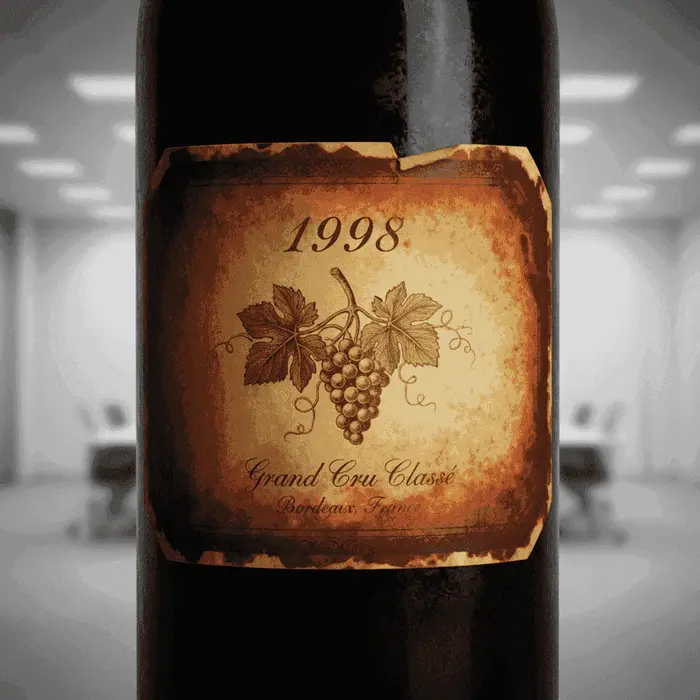
Wine labels often provide clues to aging potential through the grape variety, region, and producer's reputation, while the vintage can indicate the quality of the harvest year. Consulting vintage charts for specific regions is a valuable step in determining a wine's likely evolution. For example, knowing about Italy's Premier Wine Regions can help you identify excellent Barolo vintages.
Consulting Expert Reviews
Expert wine reviews from critics and publications frequently include an assessment of a wine's aging potential, often providing a recommended drinking window. These reviews are invaluable resources for both seasoned collectors and those new to cellaring. You can even learn to Wine Taste Like a Sommelier to make your own informed assessments.
Price as an Indicator (with caveats)
While higher-priced wines often suggest greater aging potential due to quality winemaking and premium grapes, price alone is not a definitive guarantee. Many expensive wines are designed for immediate pleasure, and some moderately priced bottles from classic regions can age beautifully.
Ideal Cellaring Conditions for Wine
Maintaining consistent, cool temperatures, stable humidity, darkness, and stillness are the four pillars of ideal cellaring conditions essential for a wine's optimal aging. Any deviation from these can negatively impact the wine's development and even lead to spoilage.
Temperature Stability
A consistent cellar temperature, ideally between 50-59°F (10-15°C), is paramount for slow and steady wine maturation. Fluctuations in temperature can cause cork expansion and contraction, leading to premature oxidation and rapid aging. Avoid storing wine in refrigerators designed for food, which are too cold and dry.
Humidity Control
Maintaining proper humidity, ideally around 70%, is crucial to prevent corks from drying out and shrinking, which would allow oxygen to enter and spoil the wine. Too much humidity, however, can encourage mold on labels, making them difficult to read.
Light and Vibration Avoidance
Wine should be stored in darkness to prevent light-strike, particularly from UV rays, which can cause unpleasant flavors and aromas. Additionally, avoiding vibrations from appliances or heavy foot traffic helps to keep sediment undisturbed and allows the wine to rest peacefully, fostering optimal development.
Proper Bottle Position
Storing bottles on their side ensures that the cork remains in contact with the wine, preventing it from drying out and maintaining a tight seal against oxygen ingress. This is particularly important for wines intended for long-term aging with natural corks.
Step-by-Step: Setting Up Your Wine Cellar
- Choose a Cool, Dark Location: Select a basement, temperature-controlled cabinet, or dedicated wine room away from direct sunlight and heat sources.
- Ensure Temperature Stability: Install a reliable cooling system if needed, aiming for a constant 50-59°F (10-15°C).
- Regulate Humidity: Use a humidifier if the environment is too dry, targeting 60-75% relative humidity.
- Minimize Light Exposure: Store bottles in darkness or in cabinets with UV-filtered glass.
- Reduce Vibration: Place wine racks on sturdy surfaces, away from appliances or high-traffic areas.
- Organize with Racks: Store bottles horizontally to keep corks moist. Consider using a wine inventory app to track your collection.
- Monitor Conditions: Regularly check temperature and humidity with a hygrometer-thermometer to ensure stability.
Does All Wine Benefit from Aging?
No, the vast majority of wines produced today are crafted for enjoyment within 1-3 years of bottling and do not benefit from extended aging. Only a small percentage, typically high-quality wines with the right structural components, truly improve over many years.
Most Wines Are Meant for Early Enjoyment
The majority of wines on the market, including many popular varietals, are designed to be consumed young, when their vibrant fruit flavors and fresh aromas are at their peak. Aging these wines often leads to a dulling of flavors rather than an enhancement.
When to Drink Young Wines
Young wines should be enjoyed when their primary fruit characteristics are most expressive, typically within 1-3 years of their vintage. These wines offer a different kind of pleasure: immediate freshness, crispness, and vibrant aromatics, making them perfect for casual sipping or pairing with lighter meals. Sometimes, even the best wine for beef stew or wine with turkey might be a young, vibrant choice.
Enjoying Aged Wines: Decanting and Serving
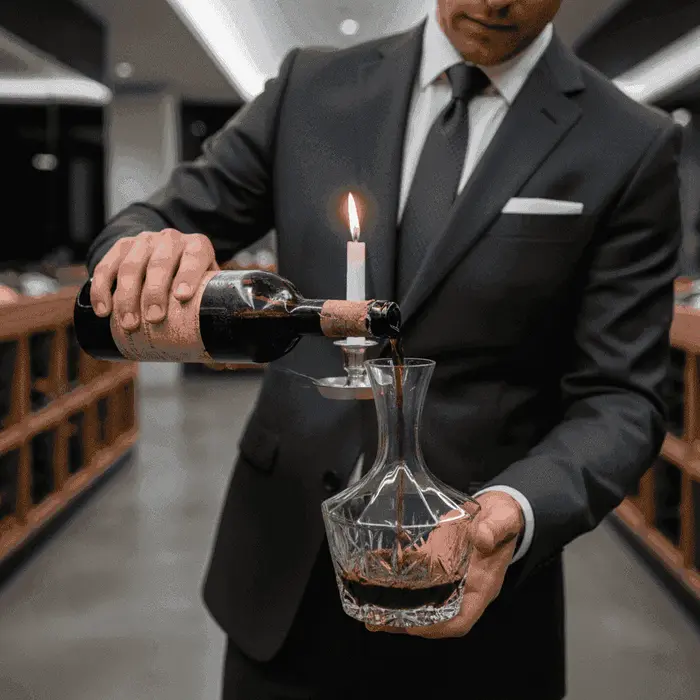
Proper preparation and serving are paramount when enjoying aged wines, often involving decanting to separate sediment and allow the wine to breathe, unlocking its full aromatic and flavor potential. These steps ensure the culmination of years of patience is truly savored.
The Art of Decanting Old Vintages
Decanting old vintages is an art that carefully separates the clear wine from any accumulated sediment while allowing the wine to gently open up and express its nuanced bouquet. For very old wines, a short decanting period or even serving directly from the bottle may be preferred to avoid over-aeration. Mastering How to Master Wine Service includes understanding decanting nuances.
Optimal Serving Temperature
Serving aged wines at their optimal temperature is critical for experiencing their full complexity, typically slightly cooler for reds (60-65°F / 16-18°C) and slightly warmer for whites (50-55°F / 10-13°C) than their younger counterparts. This allows the delicate tertiary aromas to shine without being masked by excessive cold or warmth.
Pairing Aged Wines with Food
Aged wines, with their complex savory and earthy notes, pair beautifully with richer, more substantial dishes, often showcasing secondary and tertiary flavors that complement slow-cooked meats, truffles, or aged cheeses. The softened tannins in aged reds, for example, make them exceptional partners for roasted lamb or beef. For more general pairing advice, check out guides for specific dishes like Best Wine for Beef Stew.
The Joy of a Perfectly Aged Bottle
Opening a perfectly aged bottle of wine is a deeply rewarding experience, offering an unparalleled sensory journey that justifies the patience and care invested in its maturation. It's a testament to the transformative power of time and ideal storage conditions.
"Wine is one of the most civilized things in the world and one of the most natural things in the world that has been brought to the greatest perfection, and it offers a greater range for enjoyment and appreciation than, possibly, any other purely sensory thing."
- Ernest Hemingway
Unlocking Complex Flavors
A perfectly aged wine unlocks a spectrum of complex flavors and aromas that are simply not present in younger wines, revealing nuanced notes of dried fruit, leather, tobacco, mushroom, and spice. These tertiary characteristics develop as primary fruit fades, creating a multilayered tasting experience.
The Reward of Patience
The reward of patience in wine aging is the discovery of profound depth, elegance, and balance that only time can impart, transforming a good wine into an extraordinary one. It's a journey from vibrant fruit to integrated harmony, culminating in a bottle that offers both intellectual and hedonistic pleasure.