Codorníu: Spain's Enduring Viticultural Legacy
Codorníu stands as a testament to Spain's rich winemaking heritage, proudly bearing the distinction of being the country's oldest winery. Codorníu stands as a testament to Spain's rich winemaking heritage, proudly bearing the distinction of being the country's oldest winery. Its story begins in 1551 in Sant Sadurní d'Anoia, a town now recognized as the heartland of Cava. While ancient vineyard sites dot the Spanish landscape, Codorníu's claim to age is uniquely supported by a continuous, documented family involvement in winemaking for over 470 years. This unbroken lineage traces back to Jaume Codorníu, establishing a profound connection between the family, the land, and the evolution of Spanish wine. The winery's enduring presence reflects a deep-seated commitment to quality and innovation, influencing not only local Penedès practices but also broader Spanish viticulture. This legacy goes beyond mere age; it represents a continuous journey of adaptation, overcoming challenges like phylloxera, and ultimately, shaping a significant part of Spain's wine identity. Understanding Codorníu means appreciating centuries of dedicated craftsmanship that continues to thrive today. For more on regional traditions, see our guide to wine regions.
The Historical Roots of Codorníu's Winemaking
The origins of Codorníu are firmly established in the mid-16th century, with the first recorded winemaking activities by Jaume Codorníu in 1551. The origins of Codorníu are firmly established in the mid-16th century, with the first recorded winemaking activities by Jaume Codorníu in 1551. This foundational period laid the groundwork for an enterprise that would grow from a modest family estate into a globally recognized name. Historical documents from the Penedès region detail the family's land ownership and viticultural practices, providing concrete evidence of their early engagement in wine production. Initially, like many agricultural ventures of the time, wine was likely produced for local consumption or barter. However, the consistent involvement of the Codorníu family over generations slowly transformed this traditional practice into a more structured, commercial endeavor. This gradual evolution from a simple farm to a significant winery highlights the resilience and foresight embedded within the family's approach. Early Spanish winemaking, while dating back millennia through Phoenician and Roman influences, saw the emergence of continuous commercial wineries much later, making Codorníu's documented history particularly significant for understanding Spanish wine history, alongside topics like Chianti Classico.
Codorníu's Evolution and Resilience Through Centuries
Codorníu's longevity is a story of continuous adaptation, embracing new agricultural techniques, technological advancements, and navigating shifting market demands across several centuries. Codorníu's longevity is a story of continuous adaptation, embracing new agricultural techniques, technological advancements, and navigating shifting market demands across several centuries. The winery continually refined its viticultural practices, from vineyard management to selecting the best grape varietals for the Penedès climate. A major turning point arrived in the late 19th century with the devastating phylloxera epidemic, which ravaged European vineyards. Codorníu responded by replanting its vineyards with resistant rootstock and embracing innovation, setting the stage for its most significant contribution. The late 1800s also saw the winery at the forefront of adopting modern winemaking techniques, most notably the 'méthode champenoise' for producing sparkling wines. This dynamic approach allowed the winery to survive numerous wars, political upheavals, and economic downturns that often proved fatal for less adaptable enterprises. The family's enduring commitment ensured the winery's survival and continuity, solidifying its status as an enduring institution. For context on grape varietals, consider learning about the Glera grape.
"The history of Codorníu is not just the history of a winery; it is the history of a family, a region, and an enduring passion for crafting exceptional wines that reflect their unique terroir."
- Historic Wine Authority
Cava's Genesis: Codorníu's Sparkling Wine Innovation
Codorníu holds a foundational connection to Cava, having produced the very first bottle of Spanish sparkling wine using the traditional method in 1872. Codorníu holds a foundational connection to Cava, having produced the very first bottle of Spanish sparkling wine using the traditional method in 1872. This pioneering effort by Josep Raventós Fatjó, a member of the Codorníu family, marked the definitive birth of what would become a globally recognized designation. Raventós Fatjó courageously introduced the 'méthode champenoise' to Spain after studying winemaking in Champagne, skillfully applying it to local grape varieties such as Xarel-lo, Macabeo, and Parellada. This revolutionary process, previously unique to France, transformed the Spanish wine landscape and paved the way for Cava. His vision and persistence established a new category of Spanish wine that would gain immense popularity worldwide, setting a quality standard for all future Cava producers. Cava quickly gained global recognition, becoming a symbol of Spanish celebration and quality sparkling wine, distinguishing itself from other sparkling wines through its unique regional character and traditional production methods. Delve deeper into the world of Cava with our comprehensive guide to Cava styles.
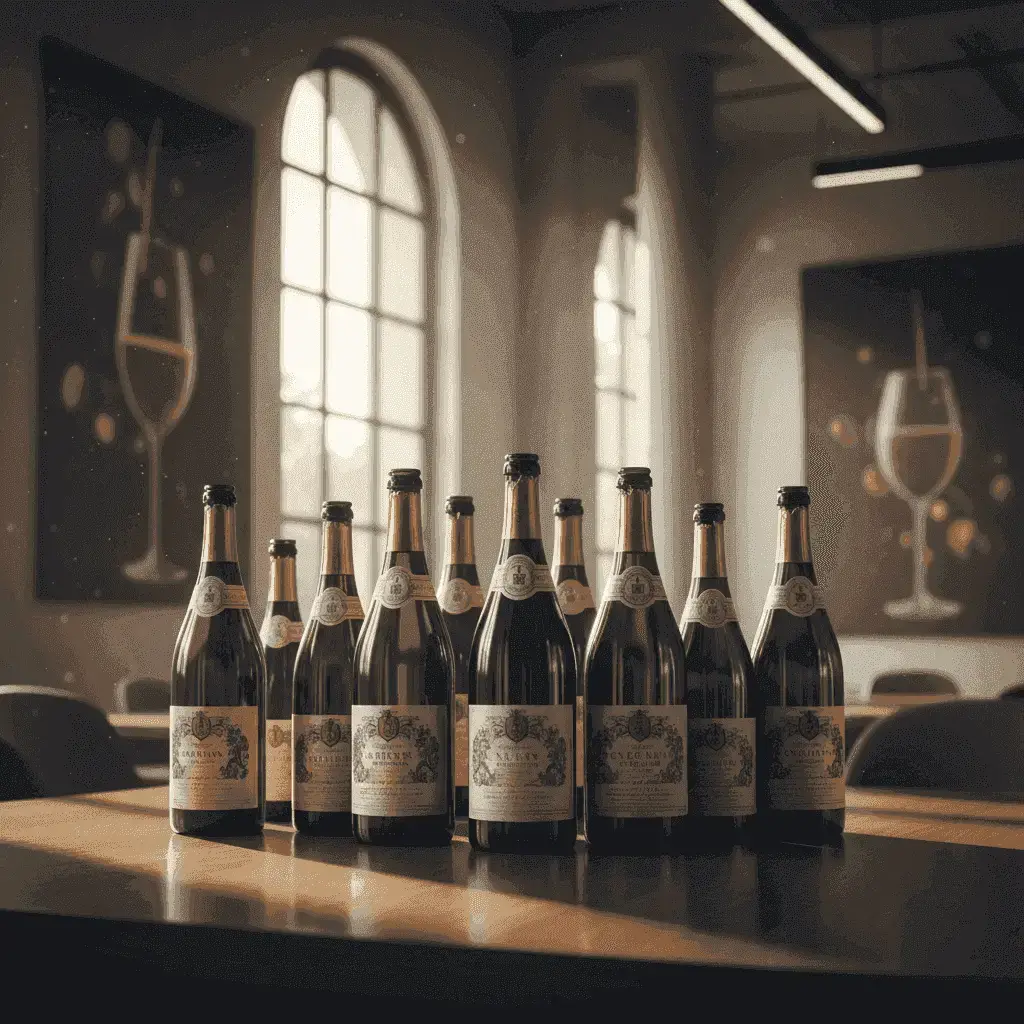
Pairing Cava: Practical Food Scenarios
Cava, born from Codorníu's innovation, is remarkably versatile with food, making it an excellent choice for a variety of dishes and occasions. Cava, born from Codorníu's innovation, is remarkably versatile with food, making it an excellent choice for a variety of dishes and occasions. Its crisp acidity, fine bubbles, and often subtle yeasty notes allow it to cut through richness, cleanse the palate, and complement a wide array of flavors. Here are several practical pairing scenarios:
- Roast Chicken Dinner: A dry Brut Cava provides a lively counterpoint to succulent roast chicken. Its acidity refreshes the palate, balancing the poultry's richness. An alternative could be a Cava Rosé, offering a touch more fruit. Avoid heavy, tannic red wines, which can overpower the delicate chicken.
- Spicy Asian Stir-fry: For dishes with a kick, like a spicy pad Thai or a vibrant curry, an off-dry (Demi Sec) Cava works well. The slight sweetness helps to temper the chili heat. A Brut Cava can also work if the spice level is moderate. Avoid high-alcohol wines that can intensify the heat unpleasantly.
- Mixed Cheese Board: Cava is a superb companion for a diverse cheese board, particularly with aged hard cheeses like Manchego, creamy brie, or fresh goat cheese. Its effervescence and acidity clean the palate between different cheeses. A Cava Reserva or Gran Reserva adds complexity. Rich, oaky reds might clash with delicate cheeses.
- Tomato Pasta Dishes: The acidity in tomato-based pasta sauces, such as arrabbiata or marinara, finds a friend in a crisp, unoaked Cava. The wine's bright character mirrors the tomatoes' tang. For a richer, meatier ragu, a more structured Cava Rosé can be considered. Sweet or overly tannic wines can feel harsh against tomato acidity.
- Grilled Lamb Chops: While red wine often comes to mind for lamb, a Cava Rosé or a richer Cava Gran Reserva can offer an intriguing alternative, especially if the lamb is seasoned with herbs and grilled simply. The sparkling wine's texture provides a refreshing contrast. Heavy, fruit-forward reds might overshadow the subtle smokiness.
- Seafood Paella: The complex flavors of a seafood paella-saffron, rice, various shellfish-are beautifully complemented by a Brut Cava. Its salinity and refreshing bubbles enhance the briny notes of the seafood without overwhelming them. A still white like Albariño is also an option. Avoid bold red wines that can taste metallic with seafood. Learn more about pairing wine with seafood, or discover other wine pairings for sushi.
The Penedès Terroir: Codorníu's Home
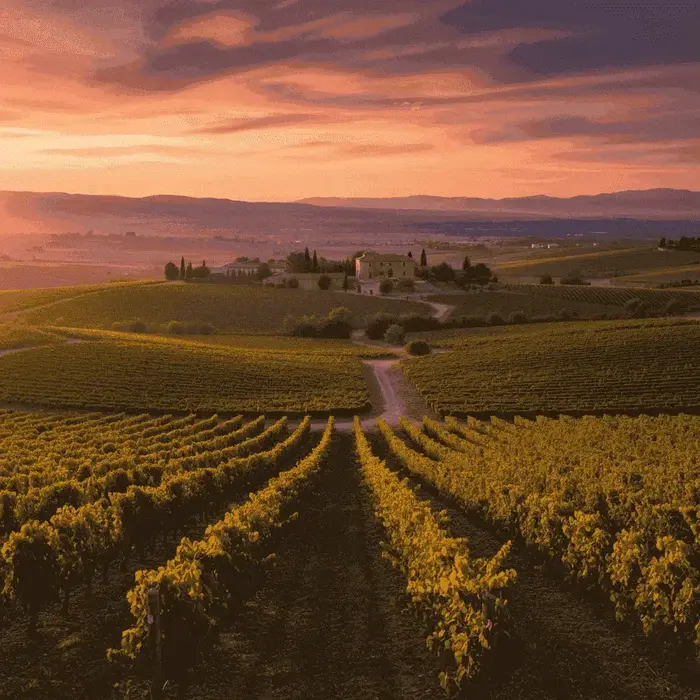
Codorníu's primary location in Sant Sadurní d'Anoia places it squarely within the Penedès region of Catalonia, a terroir celebrated for its ideal conditions for Cava production. Codorníu's primary location in Sant Sadurní d'Anoia places it squarely within the Penedès region of Catalonia, a terroir celebrated for its ideal conditions for Cava production. This specific geographical setting contributes significantly to the unique character and quality of their wines. Sant Sadurní d'Anoia is widely regarded as the historical and commercial epicenter of Cava, boasting a microclimate perfectly suited for traditional method sparkling wines. The Penedès region offers a remarkable diversity of altitudes and microclimates, ranging from sun-drenched coastal plains to cooler inland mountains. This topographical variation, coupled with a mosaic of varied soil types-including calcareous, clay, and sandy loams-allows for the cultivation of different grape varietals, each contributing distinct characteristics. The traditional Cava blend relies predominantly on three indigenous grapes: Xarel-lo, Macabeo, and Parellada. Xarel-lo provides essential body and firm acidity, Macabeo offers freshness, bright fruitiness, and aromatic intensity, while Parellada contributes elegance, delicate floral notes, and a refined aromatic complexity. This harmonious blend, nurtured by the unique Penedès terroir, creates Cava's balanced and distinctive profile. Explore more about how location impacts flavor in our guide to understanding terroir.
Key Milestones in Codorníu's Storied History
Codorníu's extensive history is punctuated by several significant milestones that underscore its long journey and profound impact on Spanish viticulture. Codorníu's extensive history is punctuated by several significant milestones that underscore its long journey and profound impact on Spanish viticulture. These moments highlight the winery's evolution from its founding to its architectural achievements, defining its enduring legacy and contributions to the wine world.
| Year | Milestone | Significance |
|---|---|---|
| 1551 | First documented winemaking activity by Jaume Codorníu. | Establishes Codorníu as the oldest winery in Spain. |
| 1659 | Anna Codorníu marries Miquel Raventós. | Unites two influential families, preserving and extending the winemaking legacy. |
| 1872 | Josep Raventós Fatjó produces the first Cava. | Marks the birth of Spanish sparkling wine using the traditional method, a global phenomenon. |
| 1898 | Appointed Purveyor to the Spanish Royal House. | Official recognition of the winery's quality and prestige, elevating its national standing. |
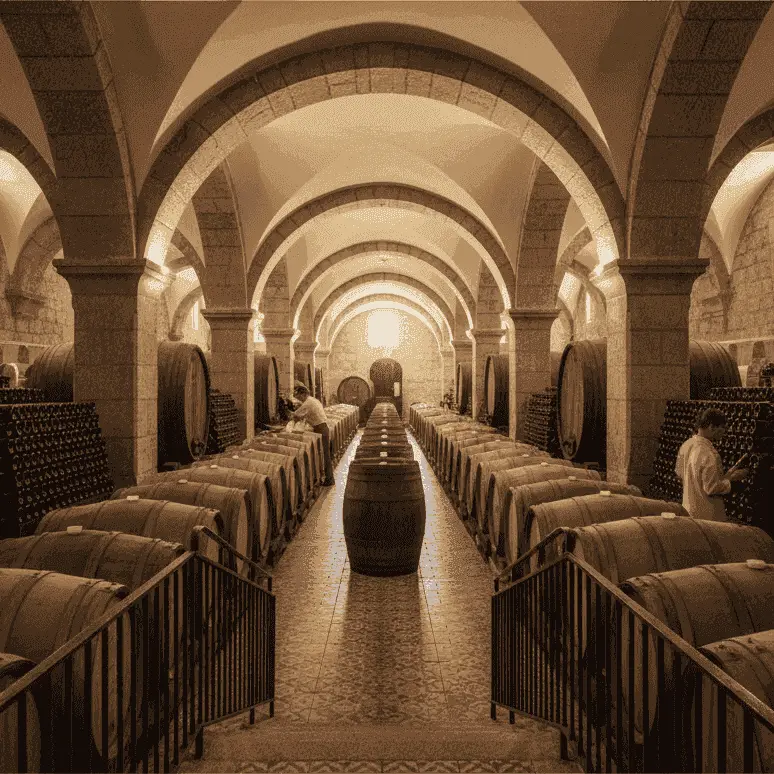
| 1902 | Construction of the Codorníu cellars completed by Puig i Cadafalch. | Creation of an architectural masterpiece, later declared a Historic-Artistic Monument, blending functionality with art. |
Beyond Codorníu: Exploring Spain's Other Ancient Wineries
While Codorníu holds the distinguished title of Spain's oldest winery with continuous family operation, the country is home to numerous other historic estates that have significantly shaped its rich winemaking history an While Codorníu holds the distinguished title of Spain's oldest winery with continuous family operation, the country is home to numerous other historic estates that have significantly shaped its rich winemaking history and enduring legacy. These venerable establishments, found across diverse regions like Rioja, Ribera del Duero, and Jerez, each tell a unique story of viticultural development. For instance, Bodegas Osborne in Jerez, founded in 1772, is renowned for its Sherry production, embodying centuries of tradition in Andalusia. In Rioja, Marqués de Riscal, established in 1858, played a pivotal role in modernizing Spanish winemaking by adopting Bordeaux techniques. The definition of "oldest" in winemaking can be nuanced; it often refers to continuous family ownership, uninterrupted commercial production, or the antiquity of specific vineyard plots. Codorníu's claim is particularly strong due to its exceptionally well-documented and unbroken line of family involvement. Spain's vast and varied geography has fostered diverse winemaking traditions, with many regions harboring their own ancient vineyards and historical bodegas. Each area, from the sun-drenched Sherry triangle to the rugged hills of Priorat, offers a unique perspective on Spain's viticultural heritage. Discover more about Spain's diverse wine regions on our Spanish wine country page.
How to Explore Spain's Historic Wine Routes
Embarking on a journey through Spain's ancient wine routes provides a unique blend of history, culture, and exceptional tasting experiences. Embarking on a journey through Spain's ancient wine routes provides a unique blend of history, culture, and exceptional tasting experiences. These routes are designed for travelers keen to explore regions famous for their historic wineries and diverse viticultural landscapes. Proper planning ensures a rewarding and insightful exploration of Spain's deep wine heritage.
- Research Key Wine Regions: Begin by identifying Spain's most historically significant wine regions. Penedès is essential for Cava and Codorníu, while Rioja, Ribera del Duero, and Jerez offer distinct historical narratives and wine styles. Each region presents unique offerings in terms of grape varieties, production methods, and local culture.
- Identify Historic Wineries: Within your chosen regions, seek out wineries that boast centuries of history. Beyond Codorníu, many others have significant heritage and provide fascinating tours and tastings. Look for those with documented legacies and unique architectural or historical features.
- Plan Your Visits in Advance: Most historic wineries, especially popular ones, require advance booking for tours and tastings. Checking their websites for availability, specific tour details, and any seasonal operating hours is crucial. This proactive approach helps secure your preferred visiting times.
- Consider Guided Wine Tours: For a more in-depth understanding, joining a specialized guided wine tour focused on historical wineries can be highly beneficial. Knowledgeable guides can provide rich insights into local history, winemaking processes, and optimal food pairings, enhancing the overall experience.
- Savor the Local Cuisine: Integrate your wine explorations with the local gastronomy. Spain's wine regions are often celebrated for their traditional dishes that beautifully complement their wines. Enjoying regional specialties alongside the wines enhances your cultural immersion and appreciation of the local terroir.