How Do You Choose a Good Bottle of Wine?
Selecting wine becomes straightforward by first considering the context-what are you trying to achieve? Selecting wine becomes straightforward by first considering the context-what are you trying to achieve? Are you pairing it with a specific meal, bringing a gift, or stocking your cellar? Begin by defining the desired taste profile-light or full-bodied, dry or sweet, still or sparkling. Then, narrow down options by reliable regions and established producers known for consistency in that style. Finally, assess the vintage and price point, ensuring it fits your budget and expectations for maturity. This methodical approach helps filter the vast world of wine into manageable choices, reducing guesswork and increasing satisfaction.
Matching Wine to the Occasion and Meal
Successful wine buying often starts with the meal or occasion in mind. Successful wine buying often starts with the meal or occasion in mind. A light, crisp white wine suits a warm afternoon, while a robust red complements a hearty winter stew. The key is to match the wine's intensity and dominant flavors with those of the food. Think about the main ingredients, cooking method, and the richness of any sauces. For instance, a delicate grilled fish would be overwhelmed by a high-tannin Cabernet Sauvignon, but shine with a Sauvignon Blanc. Conversely, a rich braised short rib needs a wine with ample structure and flavor to stand up to it, like a Barolo or a well-aged Bordeaux.
Consider the company too. For a large gathering with diverse palates, choose versatile, crowd-pleasing wines. A fruit-forward Pinot Noir or a dry Rosé often serve this purpose well, offering broad appeal without being overly challenging. When dining at a restaurant, don't hesitate to ask the sommelier for recommendations based on your chosen dishes and preferred styles; they can offer insights into the restaurant's specific list and cellar conditions.
Decoding Wine Labels: Region, Grape, and Producer
A wine label provides crucial clues, offering more than just a name. A wine label provides crucial clues, offering more than just a name. The region indicates the expected style and quality standards due to specific climate, soil, and traditional winemaking practices. For example, a Chablis from Burgundy signals a crisp, unoaked Chardonnay, while a Chardonnay from California often implies a richer, oak-influenced profile. The grape variety (or blend) tells you about the wine's fundamental flavor characteristics-like the red berry and earthy notes of Pinot Noir or the citrus and herbal tones of Sauvignon Blanc. Always check for the producer's name; consistent wineries often deliver reliable quality across vintages, building a track record you can trust. Familiarizing yourself with these elements helps predict the wine in the bottle before you even open it, guiding your decision based on proven profiles rather than marketing. Pay attention to terms like "Reserve" or "Grand Cru" as they can denote higher quality or specific vineyard designations.
Navigating Price and Value
Price does not always directly correlate with quality, but it does signal a general range of expectations. Price does not always directly correlate with quality, but it does signal a general range of expectations. Wines under $15 often offer excellent value for everyday drinking, focusing on fresh fruit and immediate enjoyment. Moving into the $15-$30 range, you typically find more complexity, better balance, and wines suitable for food pairing or casual entertaining. Above $30, you're entering the realm of more serious wines, often from specific vineyards, older vintages, or regions known for premium production, intended for special occasions or aging. The goal is to find wines that deliver more than their cost suggests. Exploring lesser-known regions or alternative grape varieties can often uncover exceptional value, such as a Nero d'Avola from Sicily instead of a more expensive Super Tuscan, or a Grüner Veltliner from Austria as a crisp alternative to a high-priced Sauvignon Blanc.
Here's a quick guide to common price points:
| Budget Range | Wine Suggestion | Typical Style Profile | What to Avoid |
|---|---|---|---|
| Under $15 | Chilean Cabernet Sauvignon, Italian Montepulciano d'Abruzzo, Côtes du Rhône, unoaked Chardonnay | Fruit-forward, easy-drinking, simple structure | Wines claiming "reserve" status or high complexity; very old vintages |
| $15 - $30 | Rioja Crianza, New Zealand Sauvignon Blanc, California Zinfandel, Alsatian Pinot Gris, Sicilian Grillo | Good balance, some complexity, versatile food pairing | Overly obscure regions without research; wines lacking clear varietal or regional identity |
| $30 - $60 | Burgundy Pinot Noir, Barolo or Barbaresco (young), Napa Valley Cabernet, Chablis 1er Cru, Brunello di Montalcino | Expressive of terroir, notable structure, potential for aging | Heavily discounted "trophy" wines; wines from poor vintages for the region |
| $60+ | Premium Champagne, Grand Cru Burgundy, Bordeaux Classified Growth, cult California Cabernets, aged Barolo | Iconic producers, specific vineyards, significant aging potential, complex layers | Buying solely on brand recognition; purchasing without understanding desired maturity |
Practical Pairing Scenarios
Applying a structured approach to buying means envisioning the wine in a real-world setting. Applying a structured approach to buying means envisioning the wine in a real-world setting. Here are common situations:
- Roast Chicken Dinner: For a classic roast chicken, a medium-bodied white with good acidity or a lighter red works well. A Burgundy Pinot Noir offers red berry and earthy notes that complement the savory chicken, while an unoaked Chardonnay or a mature Chenin Blanc provides freshness and texture. Avoid heavy, tannic reds that overpower the delicate poultry.
- Spicy Asian Stir-Fry: With dishes featuring significant spice and aromatic components, look for wines with a touch of sweetness or vibrant fruit to cool the palate. An off-dry Riesling (like a German Kabinett) or a Gewürztraminer from Alsace stands up to the heat. Alternatively, a sparkling wine like Prosecco can cut through richness. Steer clear of high-alcohol, oaky reds that clash with the spices.
- Mixed Cheese Board: A diverse cheese selection needs versatile wines. A dry Rosé, a light-bodied Pinot Noir, or a crisp Sauvignon Blanc can bridge various cheese types. A Tawny Port is excellent for hard, aged cheeses. What to avoid: single, highly specific wines that only pair with one cheese, leaving others mismatched.
- Tomato Pasta Dishes: The acidity in tomato-based sauces demands a wine with equally bright acidity to prevent the wine from tasting flat. Italian reds such as Chianti (Sangiovese) or Barbera are traditional choices. A structured Rosé is another great option. Avoid low-acid, jammy reds that create a cloying sensation.
- Grilled Lamb Chops: Lamb, especially when grilled or roasted, pairs beautifully with medium to full-bodied red wines that have some tannin to cut through the richness. A Cabernet Sauvignon from Bordeaux or Napa, a Rioja Reserva, or a Syrah from the Northern Rhône are excellent choices. Young, very light-bodied reds may struggle to stand up to the meat's intensity.
- Seafood Dinner (Oysters, Shrimp, White Fish): For delicate seafood, freshness and acidity are paramount. Muscadet Sèvre et Maine, dry Fino Sherry, or an un-oaked Vermentino are superb with oysters and light fish. For richer seafood like grilled prawns, a dry Rosé or a richer white like a Sémillon-Sauvignon Blanc blend can work. Avoid heavy oak or high tannins that can impart a metallic taste with delicate fish.
Essential Steps for Confident Wine Buying
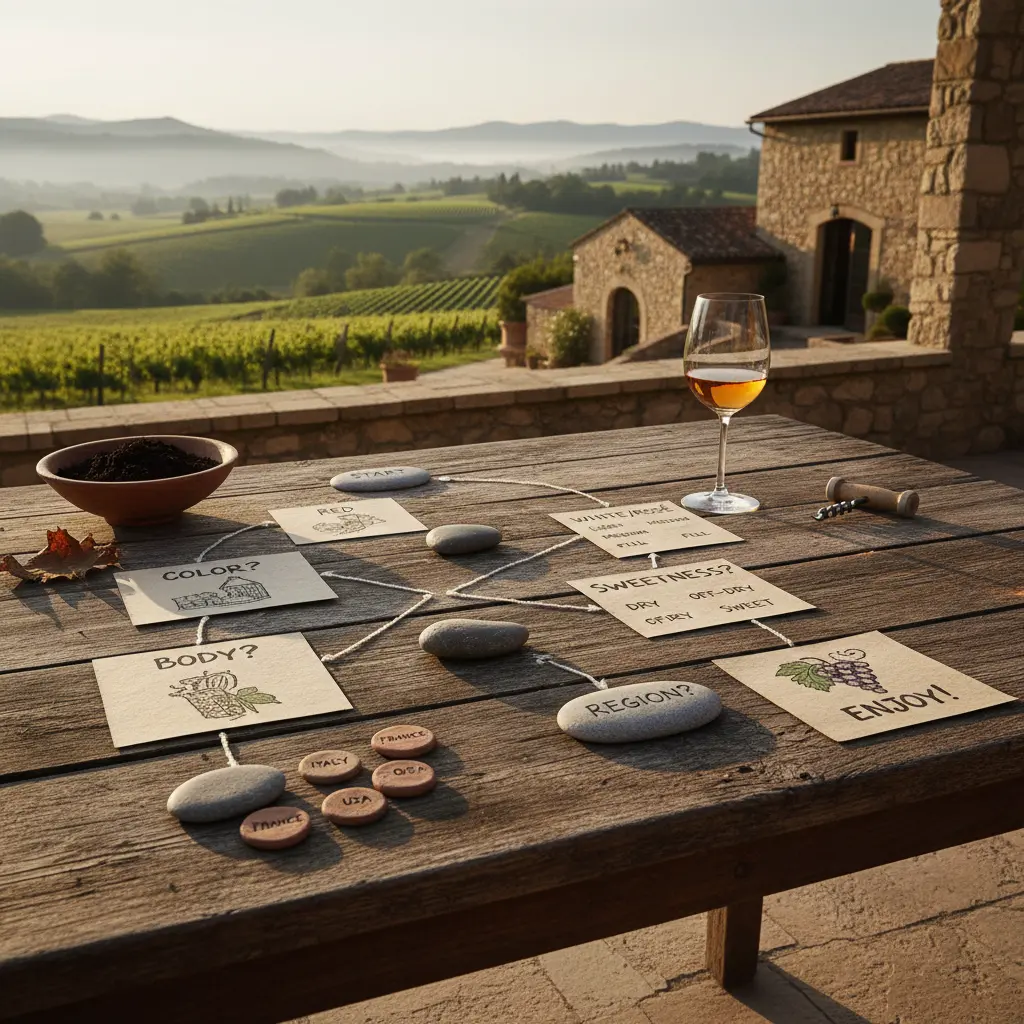
To consistently choose well, implement a simple, repeatable process. To consistently choose well, implement a simple, repeatable process. This workflow ensures all key factors are considered without overcomplicating the decision:
- Define the Purpose: What is the wine for? (Meal, gift, cellar, casual drink)
- Determine Style Profile: Do you need a light white, a full red, sparkling, or sweet? Consider intensity and acidity.
- Identify Potential Regions and Grapes: Based on the style, what regions and grape varieties are known for delivering it consistently? For example, wanting a crisp white might lead you to Loire Valley Sauvignon Blanc or Italian Pinot Grigio.
- Research Producers and Vintages: Look for wineries with a reputation for quality in your chosen category. Check if the vintage was favorable for that region and grape.
- Set a Budget: Establish your spending limit early to narrow choices realistically.
- Make the Purchase: With your criteria in mind, confidently select a bottle.
- Note the Outcome: Briefly record what you liked or disliked about the wine, the pairing, and the occasion. This personal log becomes an invaluable resource for future decisions.
Common Pitfalls and How to Avoid Them
Even experienced wine drinkers can fall into common traps. Even experienced wine drinkers can fall into common traps. One significant error is buying solely based on a high score or a flashy label without considering the wine's actual style or suitability for the intended use. A critically acclaimed, powerful red might be a terrible choice for a light pasta dinner. Another mistake is ignoring the vintage, especially for age-worthy wines or regions with variable climates; a poor vintage can drastically affect quality. Furthermore, always assuming a higher price equals better wine is a fallacy. Many exceptional values exist at moderate price points, particularly from emerging regions or less famous appellations. Avoid being swayed by marketing jargon alone. Instead, prioritize reputable producers, understand the regional style, and align your choice with your personal taste and the specific occasion. Regularly cross-referencing with trusted wine resources and your own tasting notes will help refine your palate and buying instincts, transforming each purchase into an informed decision.
Beyond the Bottle: Serving and Storage Tips
Choosing a good bottle is only half the journey; how you store and serve it significantly impacts your enjoyment. Choosing a good bottle is only half the journey; how you store and serve it significantly impacts your enjoyment. Correct wine storage is crucial for preserving its quality, whether you plan to drink it immediately or age it. Store wines horizontally in a cool, dark place with consistent temperature and moderate humidity. Avoid direct sunlight, vibrations, and extreme temperature fluctuations. For short-term storage, a cool cupboard works, but for longer periods, consider a dedicated wine cooler or cellar. Serving temperature is equally vital: whites and sparkling wines are best chilled (45-55°F or 7-13°C), while reds typically benefit from being slightly cooler than room temperature (60-68°F or 15-20°C). Decanting certain red wines or older whites can enhance their aromas and flavors by allowing them to breathe. Understanding these details ensures that the wine you carefully selected truly shines in the glass.
Further Guidance for Wine Enthusiasts
To deepen your understanding and continue your wine journey, explore these related topics: To deepen your understanding and continue your wine journey, explore these related topics:
- Wine Pairing Guide: Master the art of matching wine with food.
- Wine Grape Varieties Guide: Learn about popular and obscure grapes.
- France Wine Guide: Explore the classic regions of French viticulture.
- How to Host a Wine Dinner at Home: Tips for planning a perfect wine event.
- How to Wine Taste Better: Develop your palate and analytical skills.
- Wine Storage Guide: Keep your bottles in optimal condition.
- Wine Regions Hub: Discover diverse wine-producing areas worldwide.