France is globally renowned for its diverse wine regions, producing some of the world's most acclaimed and influential wines, celebrated for their tradition, quality, and unique 'terroir'. This guide delves into the heart of French wine, exploring its signature regions, grape varieties, leading producers, and expert food pairing advice.
What are the primary wine regions of France?
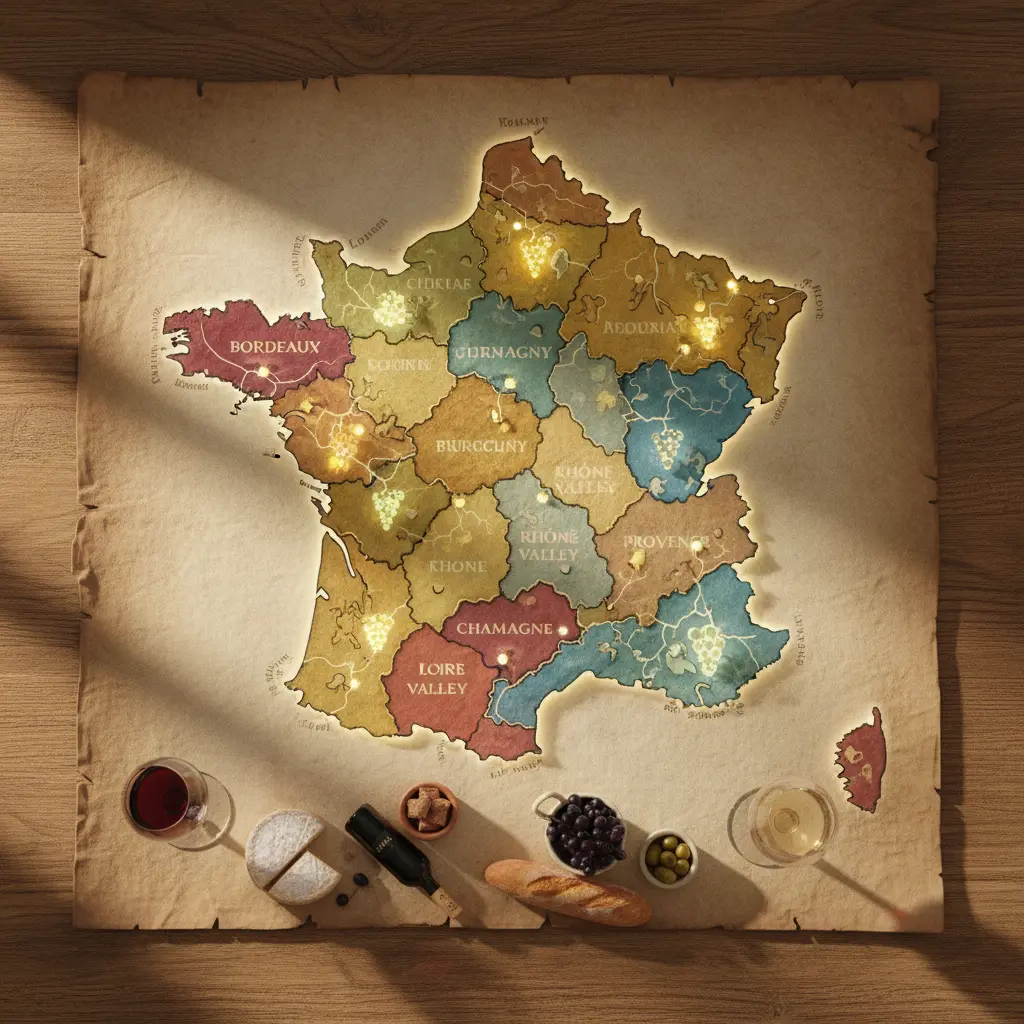
The primary wine regions of France include Bordeaux, Burgundy, Champagne, Rhone Valley, Loire Valley, and Alsace, each contributing distinct styles and grape varieties to the global wine landscape. These regions are often defined by their unique climates, soils, and centuries of winemaking tradition.
Bordeaux
Bordeaux is one of France's largest and most famous wine regions, renowned for its age-worthy red blends and prestigious chateaux. Situated in southwestern France, it is divided by the Gironde estuary into the Left Bank (Cabernet Sauvignon dominant) and Right Bank (Merlot dominant).
Burgundy (Bourgogne)
Burgundy is a highly fragmented region in eastern France, famous for its single-varietal Pinot Noir and Chardonnay wines, reflecting distinct 'climats' (vineyard plots). Its focus on terroir makes Burgundy wines some of the most complex and sought-after globally.
Champagne
Champagne is the world-famous sparkling wine region located northeast of Paris, strictly regulated to produce wines using the traditional method. Only wines from this delimited region can legally be called Champagne, made predominantly from Chardonnay, Pinot Noir, and Pinot Meunier.
Rhone Valley
The Rhone Valley, stretching south from Lyon, produces powerful red wines and aromatic whites, distinguishing between its northern and southern sections. Northern Rhone is known for Syrah, while the Southern Rhone is famous for its Grenache-based blends, like Chateauneuf-du-Pape.
Which notable grape varieties define French wine?
French wine is defined by iconic grape varieties such as Cabernet Sauvignon, Merlot, Pinot Noir, Chardonnay, and Syrah, which have also become international benchmarks. These grapes showcase the incredible diversity and adaptability of French viticulture.
Cabernet Sauvignon
Cabernet Sauvignon is a key black grape of Bordeaux, known for its deep color, full body, firm tannins, and notes of blackcurrant, cedar, and tobacco. It forms the backbone of many Left Bank Bordeaux blends and is celebrated for its aging potential.
Merlot
Merlot is another cornerstone grape of Bordeaux, offering softer tannins, plummy fruit, and chocolate notes, often blended with Cabernet Sauvignon and Cabernet Franc. On the Right Bank, particularly in Saint-Emilion and Pomerol, it is often the dominant grape.
Pinot Noir
Pinot Noir is the noble red grape of Burgundy, celebrated for its delicate aromatics of red berries, forest floor, and silky texture, which vividly express its specific 'terroir'. It is also a vital component in Champagne.
Chardonnay
Chardonnay is Burgundy's versatile white grape, producing wines ranging from crisp, unoaked styles in Chablis to rich, buttery, oak-aged expressions in the Cote de Beaune. Its adaptability makes it a global favorite.
Syrah
Syrah, known as Shiraz elsewhere, is the star grape of the Northern Rhone, yielding deeply colored, full-bodied wines with notes of black pepper, blackberry, and often a savory, gamey character.
How do French wine classification systems work?
French wine classification systems, primarily the Appellation d'Origine Protegee (AOP) and Indication Geographique Protegee (IGP), ensure quality, authenticity, and regional typicity. These systems regulate everything from grape varieties and yields to winemaking methods.
Appellation d'Origine Protegee (AOP/formerly AOC)
The AOP system is France's highest quality designation, ensuring wines adhere to strict geographical, grape variety, and winemaking standards unique to their specific region or vineyard. This guarantees the wine expresses its 'terroir' authentically.
Vin de Pays / Indication Geographique Protegee (IGP)
IGP wines offer more flexibility than AOP, allowing producers to experiment with grape varieties and techniques while still guaranteeing regional origin. These wines often provide excellent value and reflect the regional character without the stringent rules of AOPs.
"Wine is one of the most civilized things in the world and one of the most natural things of the world that has been brought to the greatest perfection, and it offers a greater range for enjoyment and appreciation than, possibly, any other purely sensory thing." - Ernest Hemingway
Who are some influential French wine producers?
Influential French wine producers range from historic family domains to large, innovative houses, all contributing significantly to France's reputation for excellence and setting global benchmarks. Their commitment to quality and tradition defines the industry.
Domaine de la Romanee-Conti (Burgundy)
Domaine de la Romanee-Conti is an iconic Burgundy estate, producing some of the world's most expensive and sought-after Pinot Noir and Chardonnay wines from its Grand Cru vineyards. It is synonymous with exclusivity and exceptional quality.
Chateau Lafite Rothschild (Bordeaux)
Chateau Lafite Rothschild is a Premier Cru Classe estate in Pauillac, Bordeaux, revered for its powerful, long-lived Cabernet Sauvignon-dominant blends. It consistently produces wines of profound elegance and complexity.
Louis Roederer (Champagne)
Louis Roederer is a prestigious Champagne house, famous for its Cristal prestige cuvee and pioneering commitment to sustainable viticulture and biodynamic practices. Their wines are known for their precision and purity.
What are the best food pairings for French wines?
The best food pairings for French wines often involve local regional dishes, as the wines have evolved alongside the cuisine to create harmonious combinations. Matching richness, acidity, and flavor intensity is key.
Bordeaux with Red Meats
Robust Bordeaux reds, particularly those from the Left Bank, are classic pairings for grilled lamb chops, beef tenderloin, rich stews, and aged hard cheeses. The wine's tannins cut through the fat, cleansing the palate.
Burgundy Chardonnay with Seafood and Poultry
Oaked Burgundy Chardonnay complements roasted chicken, creamy pasta dishes, and rich seafood like scallops or lobster, while unoaked styles shine with lighter fish and goat cheese.
Champagne with Appetizers and Light Fare
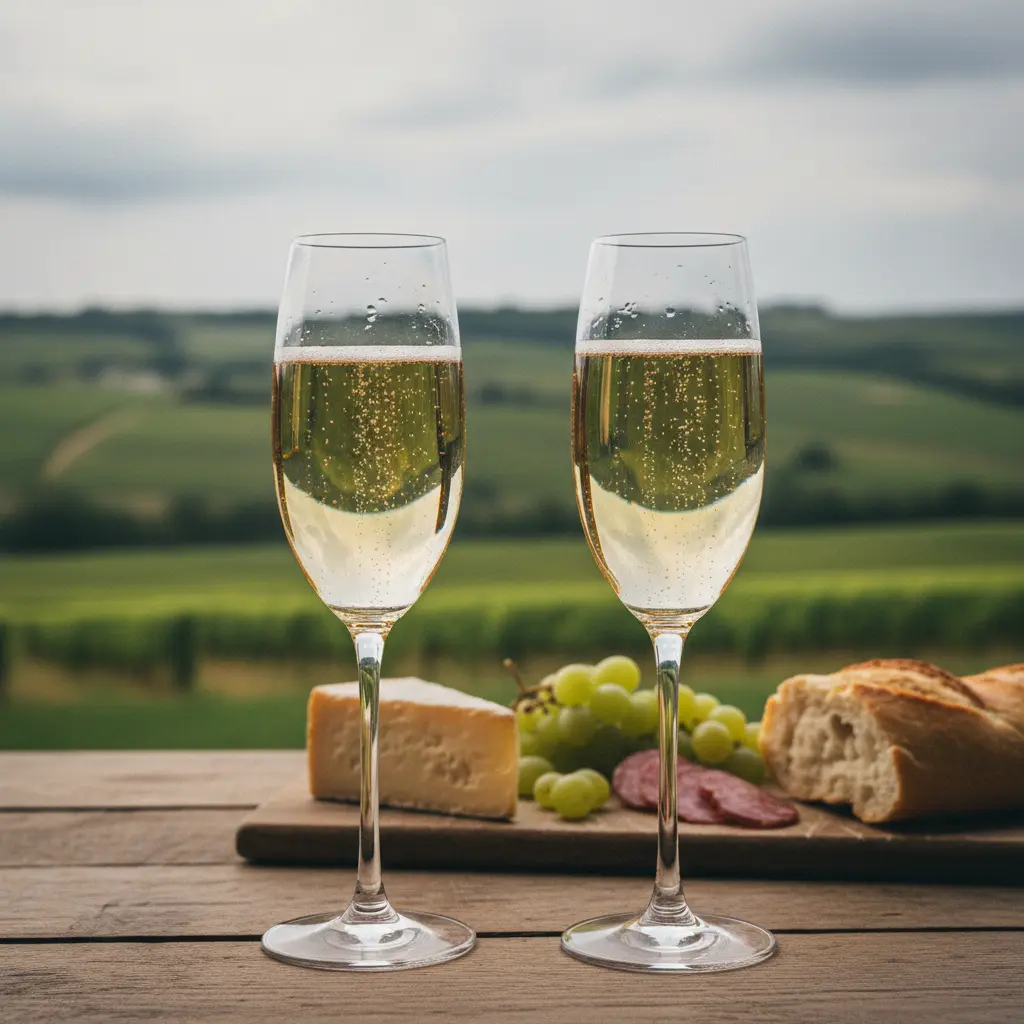
The crisp acidity and effervescence of Champagne make it ideal for delicate appetizers such as oysters, smoked salmon, canapes, and light, creamy cheeses. It's also a superb choice for best Champagne snacks.
Is it worth visiting French wine regions?
Visiting French wine regions offers an unparalleled opportunity to tour historic vineyards, taste directly from producers, and immerse oneself in local culture, making it an unforgettable experience for wine enthusiasts. Each region provides a unique journey through landscape and gastronomy.
Exploring Vineyards and Chateaux
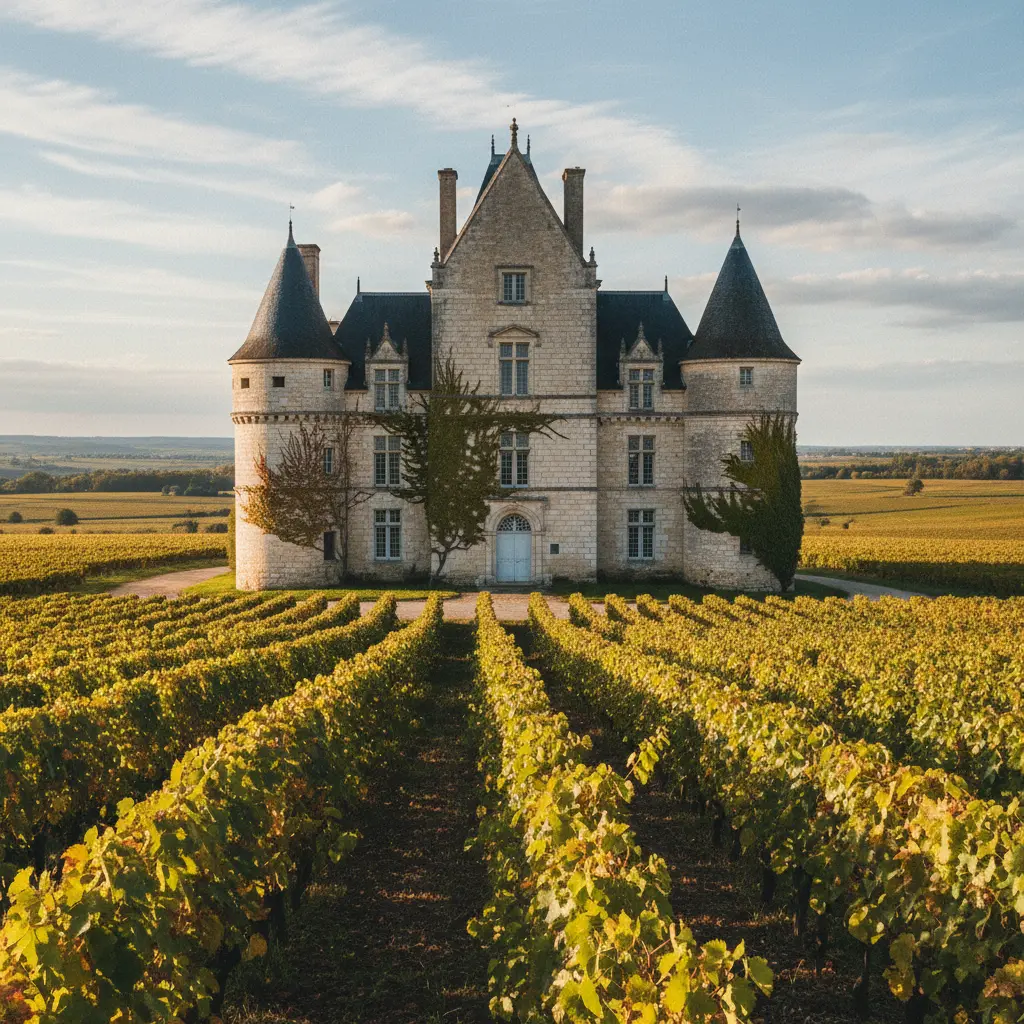
Direct interaction with winemakers and tours of magnificent chateaux provide deep insight into the craft and heritage behind famous French wines. Many estates offer guided tastings and behind-the-scenes glimpses into their cellars.
Gastronomy and Cultural Experiences
Beyond wine, these regions provide rich gastronomic experiences, from Michelin-starred restaurants to bustling local markets, alongside stunning landscapes and historical sites. For similar experiences, consider Italy's Premier Wine Regions as well.
How to choose the right French wine?
Choosing the right French wine involves understanding your palate preferences, the occasion, and familiarizing yourself with key regions and grape varieties. Don't be afraid to experiment and seek expert advice.
Consider Your Palate and Occasion
Matching your wine choice to your personal preferences (e.g., full-bodied vs. light, dry vs. sweet) and the specific occasion (e.g., casual dinner vs. celebration) is crucial for an enjoyable experience.
Research Regions and Producers
Familiarizing yourself with key French wine regions and their characteristic grape varieties will greatly enhance your ability to select appropriate wines. Resources like Mastering the Wine Journey can provide invaluable guidance.
Seek Expert Advice or Online Resources
Don't hesitate to ask for recommendations from a sommelier, wine shop staff, or utilize online resources for specific vintage or producer information, especially for age-worthy selections as discussed in Aged Like Fine Wine.
What makes French wine unique?
French wine's uniqueness stems from its deeply ingrained 'terroir' philosophy, centuries of winemaking tradition, stringent appellation laws, and the global spread of its classic grape varieties. This combination creates wines of unmatched complexity and identity.
Terroir-Driven Philosophy
The concept of "terroir"-encompassing soil, climate, topography, and human influence-is fundamental to French winemaking, emphasizing the unique expression of place in every bottle. This focus on geographical specificity sets French wines apart.
Centuries of Tradition and Innovation
France boasts a winemaking history spanning millennia, blending time-honored traditions with continuous innovation to maintain its global leadership and adapt to modern demands. This balance ensures both heritage and progress.
Global Influence of French Grapes
Many of the world's most planted and celebrated grape varieties, as highlighted in the Global Grape Map 2026, originated in France and have been successfully cultivated across continents. This enduring legacy showcases France's profound impact on global viticulture.
French Wine Region Overview
French wine regions are characterized by specific grape varieties, unique wine styles, and traditional food pairings that have evolved together over centuries. This table provides a quick overview of France's most renowned wine-producing areas.
| Region | Key Grapes | Wine Style | Typical Food Pairing |
|---|---|---|---|
| Bordeaux | Cabernet Sauvignon, Merlot, Cabernet Franc | Full-bodied red blends, sweet whites | Roasted lamb, beef Wellington, aged cheddar |
| Burgundy | Pinot Noir, Chardonnay | Elegant reds, crisp to rich whites | Coq au Vin, roasted chicken, escargots |
| Champagne | Chardonnay, Pinot Noir, Pinot Meunier | Sparkling white/rose | Oysters, caviar, soft cheeses, fried foods |
| Rhone Valley | Syrah (North), Grenache, Syrah, Mourvedre (South) | Spicy, powerful reds; aromatic whites | Game meats, stews, grilled vegetables |
| Loire Valley | Sauvignon Blanc, Chenin Blanc, Cabernet Franc | Crisp whites, sparkling, light to medium reds | Goat cheese, seafood, quiche, charcuterie |
| Alsace | Riesling, Gewurztraminer, Pinot Gris | Aromatic dry whites | Choucroute, foie gras, spicy Asian cuisine |
Planning Your French Wine Country Trip: A Step-by-Step Guide
Planning a trip to French wine country requires careful consideration of regions, transportation, and tasting experiences to maximize your visit. Follow these steps for an organized and enjoyable journey:
- Choose Your Region(s): Decide which French wine regions align with your preferences (e.g., Bordeaux for reds, Burgundy for Pinot Noir/Chardonnay, Champagne for bubbles). Research their peak seasons and events.
- Plan Transportation: Consider flying into a major city (like Paris, Bordeaux, Lyon) then renting a car for flexibility, or utilizing France's efficient train system for inter-region travel. Book ahead, especially for car rentals.
- Book Accommodations: Select hotels, guesthouses, or chateau stays within your chosen region. Many wineries offer on-site lodging, providing an immersive experience.
- Schedule Winery Visits: Most French wineries require appointments for tours and tastings. Contact them in advance, especially for smaller or highly sought-after estates. Use local tourism offices or specialized tour operators for assistance.
- Explore Local Cuisine: Reserve tables at regional restaurants to experience traditional food pairings. Visit local markets for fresh produce, cheeses, and charcuterie to complement your wine discoveries.
- Factor in Free Time: Allow for spontaneous stops, scenic drives, and exploring charming villages. Over-scheduling can detract from the leisurely pace of wine country travel.