What Exactly is Chianti Classico?
Chianti Classico refers to the wine produced within the oldest and most traditional viticultural zone of Chianti, governed by stringent quality standards. This historic region, nestled between Florence and Siena, sets itself apart from the broader Chianti DOCG with specific grape composition, aging requirements, and a unique terroir that contributes to its distinct character.
Defining the "Classico" Designation
The "Classico" designation signifies wines that originate from the historical heartland of Chianti, established by Grand Duke Cosimo III in 1716. This zone was officially delimited to protect the quality and reputation of the region's most esteemed wines, distinguishing them from wines produced in peripheral areas that later adopted the Chianti name. Wines from this core area consistently exhibit higher quality and aging potential.
The Historical Heartland of Chianti
The historical heartland of Chianti encompasses nine specific communes between Florence and Siena, forming the core of the Chianti Classico region. These communes – Barberino Val d'Elsa, Castellina in Chianti, Gaiole in Chianti, Greve in Chianti, Poggibonsi, Radda in Chianti, San Casciano Val di Pesa, Tavarnelle Val di Pesa, and Vagliagli – are where the original Chianti wines were cultivated, benefiting from unique soil compositions and microclimates. Exploring historic Italian wine regions offers insights into such designations.
Why the Black Rooster Symbol?
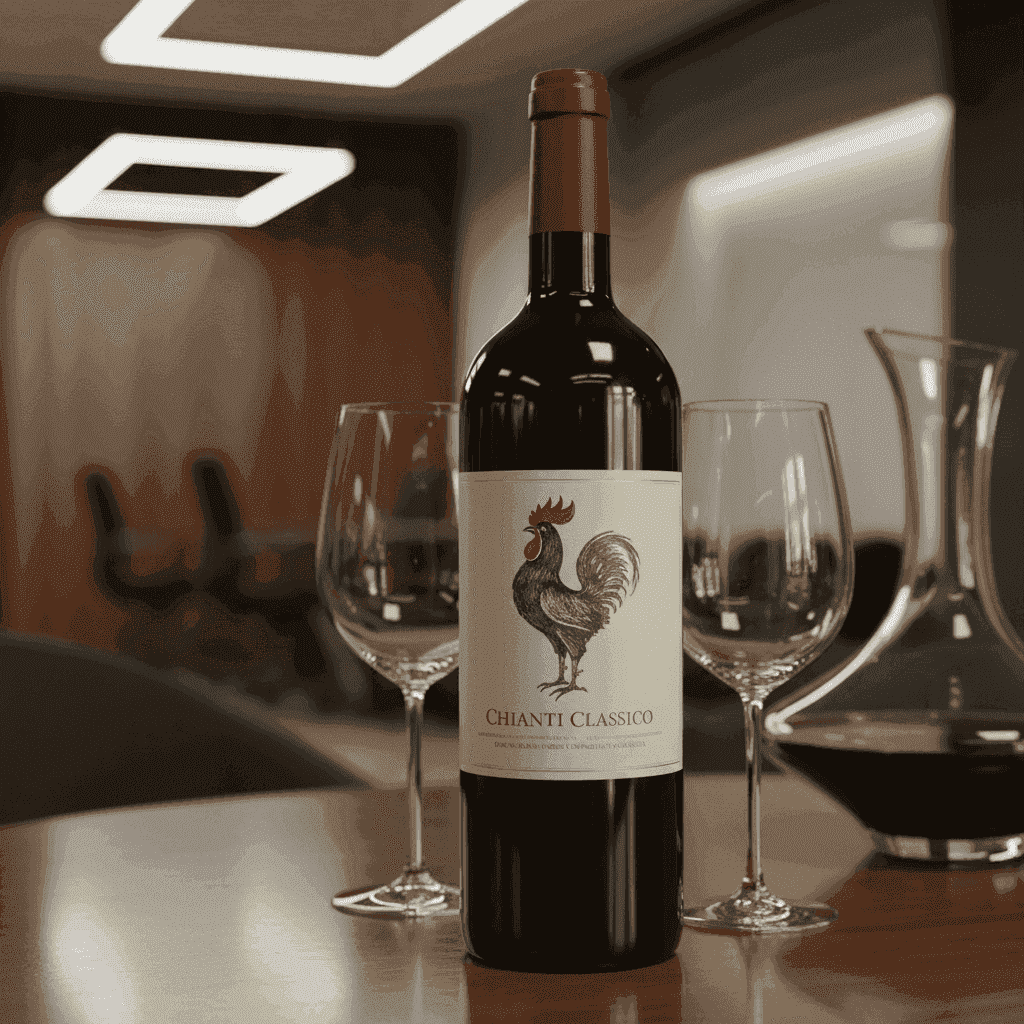
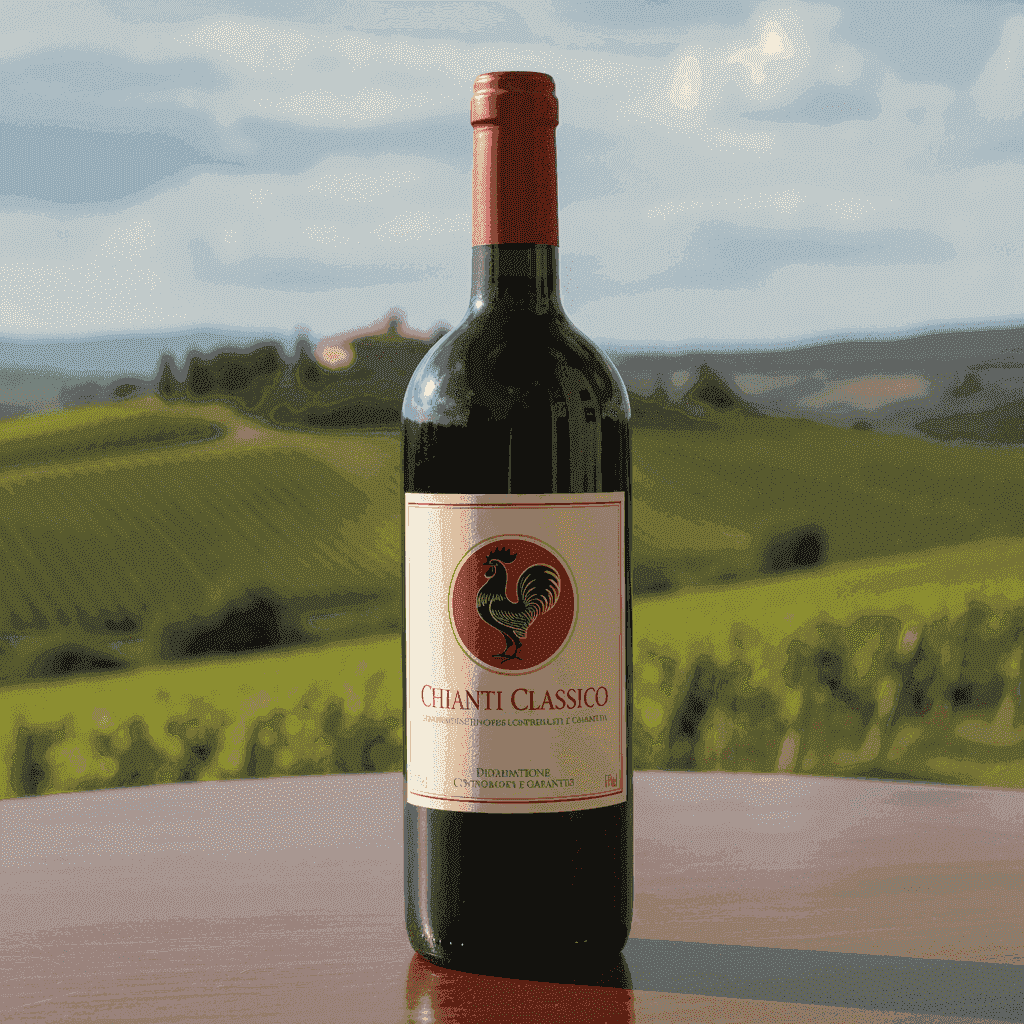
The Black Rooster (Gallo Nero) is the official emblem of the Chianti Classico Consortium, symbolizing its authenticity and quality. This iconic symbol dates back to a medieval legend involving Florence and Siena, where a black rooster was used to determine the territorial boundaries of the rival city-states. Today, it serves as a guarantee that the wine in the bottle meets the consortium's rigorous standards and originates from the historic Classico zone.
“The Gallo Nero is more than just a symbol; it's a testament to centuries of tradition and a promise of uncompromising quality. It distinguishes wines from the true heart of Chianti.” – Renowned Wine Historian
Where is Chianti Classico Located?
Chianti Classico is geographically situated in central Tuscany, Italy, specifically within the hilly terrain between the cities of Florence to the north and Siena to the south. This prime location offers ideal conditions for viticulture, characterized by rolling hills, diverse soils, and a Mediterranean climate influenced by altitude.
The Geographic Boundaries
The geographic boundaries of Chianti Classico are strictly defined, covering an area of approximately 71,800 hectares (177,400 acres) within the provinces of Florence and Siena. This delimited zone ensures that all wines bearing the Chianti Classico name adhere to specific environmental and viticultural parameters, contributing to their consistent quality and regional identity. For an appreciation of other historic European wine production zones, consider Spain's oldest wineries.
Key Communes in the Region
The region of Chianti Classico is comprised of nine principal communes, each contributing unique nuances to the wines. Gaiole in Chianti, Radda in Chianti, and Castellina in Chianti are entirely within the Classico zone, while parts of Greve in Chianti, Barberino Tavarnelle, Poggibonsi, San Casciano in Val di Pesa, Castelnuovo Berardenga, and Tavarnelle Val di Pesa also fall within its borders. These communes feature varying altitudes, exposures, and soil types, influencing the final wine profile.
Terroir and Its Impact
Chianti Classico's distinctive terroir, a combination of climate, soil, and topography, profoundly impacts the character of its wines. The region features a diverse geological makeup, including galestro (schist-like clay shale) and albarese (limestone marl) soils, which impart minerality and structure. The significant diurnal temperature variations and ideal sun exposure on south-facing slopes contribute to the optimal ripening of Sangiovese grapes, leading to complex aromas and balanced acidity.
What Grapes Make Chianti Classico?
Chianti Classico wines are predominantly made from Sangiovese, the indigenous grape variety of Tuscany, which must constitute at least 80% of the blend. This requirement ensures that the wine expresses the true character of the region and its most important grape. Similar to other prominent Italian varietals, Sangiovese defines its region.
Sangiovese: The Dominant Grape
Sangiovese is the backbone of Chianti Classico, contributing its characteristic red cherry fruit, savory notes, high acidity, and firm tannins. Its name, thought to derive from "Sanguis Jovis" (Blood of Jove), reflects its ancient origins and importance in Italian viticulture. The quality and expression of Sangiovese are paramount to the success of Chianti Classico wines. For another perspective on significant Italian grapes, consider the Glera grape, essential for Prosecco.
Permitted Blending Grapes
Up to 20% of other red grape varieties, both native and international, are permitted in Chianti Classico blends to complement Sangiovese. Native grapes like Canaiolo and Colorino can add aromatic complexity and color. International varieties such as Cabernet Sauvignon and Merlot are also allowed, contributing structure and softness, though their use is often judicious to maintain the wine's traditional character.
The Role of White Grapes (Historically vs. Now)
Historically, white grape varieties like Trebbiano and Malvasia were permitted, and often included, in Chianti blends to soften the wine and make it more approachable in its youth. However, modern regulations for Chianti Classico wines specifically prohibit the inclusion of white grapes, reflecting a shift towards emphasizing the purity and intensity of Sangiovese and red grape blends, resulting in more structured and age-worthy wines.
How Does Chianti Classico Taste?
Chianti Classico typically offers a profile of vibrant red fruit, earthy undertones, savory notes, and a distinctive acidity that makes it highly food-friendly. The taste can vary depending on producer, vintage, and specific sub-region, but certain characteristics are consistently present.
Typical Flavor Profile
The typical flavor profile of Chianti Classico is dominated by tart red cherry and plum, often accompanied by notes of dried herbs, tomato leaf, and balsamic. Younger wines tend to exhibit more primary fruit flavors, while older wines develop secondary and tertiary characteristics like leather, tobacco, and forest floor. The wine usually has a medium body and a long, savory finish.
Aromatics and Bouquet
Chianti Classico is highly aromatic, presenting a bouquet that includes floral notes of violet, red berries like raspberry and sour cherry, and often a hint of spice or balsamic. As the wine ages, these primary aromas evolve into a more complex bouquet, revealing nuances of underbrush, game, and sometimes a touch of roasted coffee or licorice, adding layers of depth.
Acidity, Tannins, and Body
Chianti Classico is characterized by its bright, high acidity, firm tannins, and generally a medium body, which are hallmarks of the Sangiovese grape. The acidity provides freshness and makes the wine an excellent partner for rich, fatty foods. The robust tannins give the wine structure and aging potential, mellowing over time. The body is usually well-balanced, neither too light nor too heavy, offering versatility.
What Are Chianti Classico's Regulations?
Chianti Classico wines are governed by stringent regulations under Italy's Denominazione di Origine Controllata e Garantita (DOCG) system, ensuring quality and regional authenticity. These rules dictate everything from grape varietals to aging minimums, similar to the strict guidelines found in other European wine regions.
DOCG Status and Quality Control
The DOCG (Denominazione di Origine Controllata e Garantita) status is Italy's highest classification for wines, guaranteeing origin, quality, and adherence to traditional production methods. For Chianti Classico, this means strict controls on vineyard practices, yields, vinification, and aging. Each wine undergoes sensory and analytical tests before it can bear the DOCG seal and the Black Rooster.
Minimum Aging Requirements
Chianti Classico wines have specific minimum aging requirements before release, ensuring they develop sufficient complexity and smoothness.
- Annata (Standard Chianti Classico): Must be aged for a minimum of 12 months, including at least 3 months in bottle, before release.
- Riserva: Requires a minimum of 24 months of aging, with at least 3 months in bottle, providing greater complexity and longer aging potential.
- Gran Selezione: The highest tier, demanding a minimum of 30 months of aging, with at least 3 months in bottle, and must be produced exclusively from estate-grown grapes, offering exceptional quality and longevity.
Riserva and Gran Selezione Classifications
Riserva and Gran Selezione are superior classifications within Chianti Classico, indicating wines with extended aging, greater complexity, and often higher quality. Riserva wines come from selected grapes and undergo longer aging, while Gran Selezione represents the pinnacle, made from a producer's best grapes and requiring the longest aging period, offering a more profound and age-worthy expression of Chianti Classico. Here’s a quick comparison:
| Classification | Minimum Aging (total) | Minimum Bottle Aging | Grape Sourcing |
|---|---|---|---|
| Annata | 12 months | 3 months | Region's vineyards |
| Riserva | 24 months | 3 months | Selected grapes |
| Gran Selezione | 30 months | 3 months | Estate-grown grapes |
How to Choose and Buy Chianti Classico?
Choosing Chianti Classico involves understanding label designations, vintage quality, and personal preference, making an informed selection easier. Look for the Black Rooster symbol to ensure authenticity.
Decoding the Labels
Decoding Chianti Classico labels primarily involves identifying the Black Rooster symbol and understanding the classification (Annata, Riserva, Gran Selezione). The vintage year is also prominent, indicating the year the grapes were harvested. Producer name, origin, and alcohol content provide further details. A good label will clearly state "Chianti Classico DOCG" or similar.
Vintage Considerations
Vintage considerations are important for Chianti Classico, as the quality and character of the wine can vary significantly from year to year due to climatic conditions. Excellent vintages (e.g., 2015, 2016, 2018, 2019) produce wines with greater complexity and aging potential. Consulting vintage charts from reliable sources can help in selecting the best bottles for drinking now or cellaring. Many wine regions, including historical Spanish wineries, also emphasize vintage quality.
Price Points and Value
Chianti Classico offers a wide range of price points, generally reflecting the classification, producer reputation, and vintage. Annata wines are typically the most accessible, offering great everyday value. Riserva and Gran Selezione command higher prices due to extended aging and stricter selection, providing greater complexity and longevity. Excellent value can be found across all tiers by knowledgeable buyers.
What are the Best Food Pairings?
Chianti Classico's high acidity, firm tannins, and savory character make it an exceptionally versatile wine for food pairing, especially with Italian cuisine. Its structure and flavor profile can cut through rich dishes and complement a wide array of flavors.
Classic Italian Pairings
Classic Italian pairings for Chianti Classico include traditional Tuscan dishes such as Bistecca alla Fiorentina (Florentine steak), wild boar ragu, and rich tomato-based pasta sauces. Its acidity cuts through the fat of meats, while its savory notes complement herbs and spices used in Italian cooking. Pizza, lasagna, and aged Pecorino cheese are also fantastic matches. Understanding wine pairings is key for all varietals, from Chianti to sparkling Glera wines.
Versatility with Other Cuisines
Beyond Italian fare, Chianti Classico demonstrates impressive versatility, pairing well with various international cuisines. It can complement roasted poultry, grilled lamb, mushroom dishes, and even some Asian-inspired foods with umami flavors. Its balanced profile allows it to harmonize with a range of spices and preparations, making it a reliable choice for diverse menus.
Avoid These Pairings
To fully appreciate Chianti Classico, it's generally best to avoid pairings with highly delicate dishes, very spicy foods, or strong, bitter flavors. Fish with delicate sauces, very sweet desserts, and intensely spicy curries can clash with the wine's acidity and tannins, potentially making both the food and wine taste unbalanced or unpleasant. Citrus-heavy dishes can also be challenging.
How to Serve and Store Chianti Classico?
Proper serving temperature and storage conditions are crucial for Chianti Classico to express its full potential and ensure its longevity. Adhering to these guidelines will enhance your tasting experience.
Ideal Serving Temperature
The ideal serving temperature for Chianti Classico is typically between 16-18°C (60-64°F), slightly cooler than room temperature. Serving it too warm can make the alcohol appear more prominent and the fruit flavors muddled, while serving it too cold can mute its aromas and make the tannins seem harsher. A brief chill in the refrigerator can often bring it to the perfect temperature.
Decanting Recommendations
Decanting Chianti Classico, especially Riserva or Gran Selezione, is often recommended to allow the wine to breathe and open up its aromas and flavors. Younger wines can benefit from 30 minutes to an hour of decanting to soften tannins. Older wines, particularly those with sediment, may need careful decanting just before serving to separate the wine from any solid particles, while minimizing air exposure for very fragile older vintages.
Optimal Storage Conditions
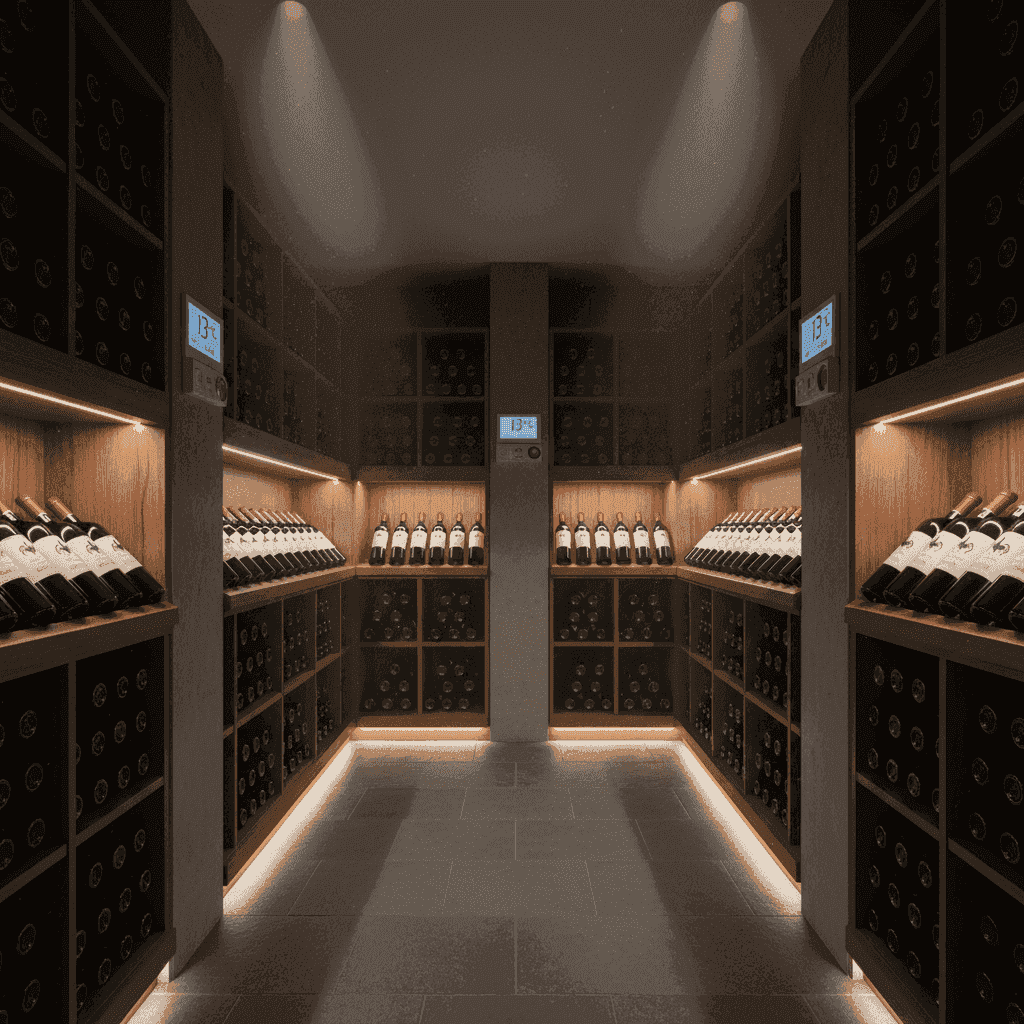
Optimal storage conditions for Chianti Classico, particularly if intended for aging, include a cool, dark, and humid environment with a consistent temperature. Ideal cellar temperature is around 12-14°C (54-57°F) with 70-80% humidity. Bottles should be stored on their side to keep the cork moist, preventing premature oxidation. Fluctuations in temperature, direct light, and vibration should be avoided to preserve the wine's quality. Proper storage applies to all wines, from Chianti Classico to those from Spain's oldest cellars.