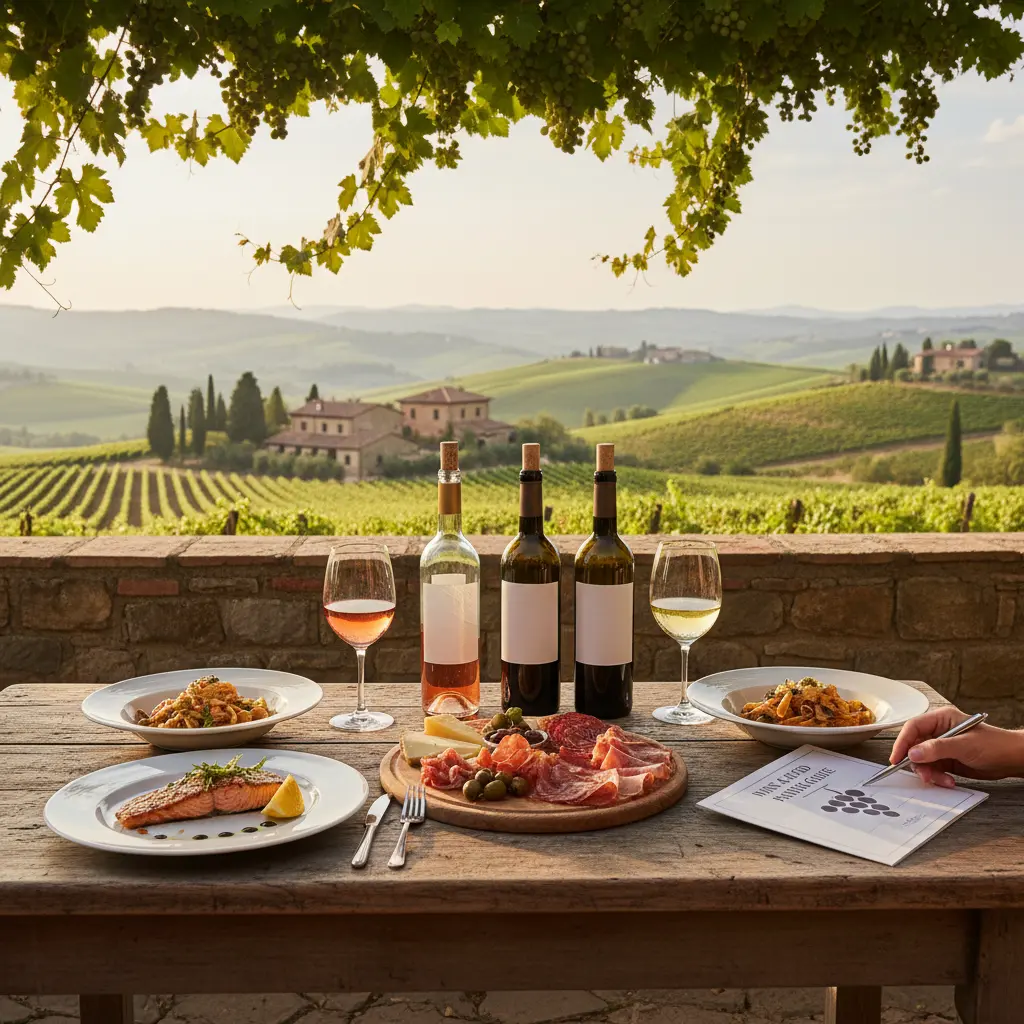
How Do You Confidently Start Pairing Wine and Food?
Building confidence in wine and food pairing begins with understanding established guidelines, then fine-tuning selections for specific styles and dining occasions. Building confidence in wine and food pairing begins with understanding established guidelines, then fine-tuning selections for specific styles and dining occasions. This hands-on approach involves quick reference tables and a grasp of basic wine categories, efficiently narrowing down your options. It offers a solid foundation for both new and experienced wine lovers, supporting more adventurous pairings as your palate and knowledge grow. Mastering a few classic combinations quickly builds intuition, helping you understand why certain wines consistently complement specific dishes. This fundamental insight simplifies complex choices, turning uncertainty into assured decision-making for any meal, whether it's a simple weeknight dinner or a special celebration.
Leverage Proven Combinations
Beginning with a table of common dishes and their traditional wine partners provides immediate, dependable guidance. Beginning with a table of common dishes and their traditional wine partners provides immediate, dependable guidance. This resource acts as a superb reference for anyone looking to make informed choices without extensive prior knowledge. It streamlines potentially complex decisions by highlighting classic pairings that consistently deliver satisfying results, offering a direct path to enjoyable dining experiences. Think of these as your foundational pairings-reliable selections that seldom disappoint and build a solid base for future wine explorations. Experimentation can always follow these proven matches, offering a safe starting point for culinary adventures.
| Dish Type | Best Wine Styles | What to Avoid |
|---|---|---|
| Light Salads with Vinaigrette | Sauvignon Blanc, Pinot Grigio, Dry Riesling | Full-bodied reds, Heavily oaked Chardonnay |
| Oysters & Delicate Seafood | Muscadet, Brut Champagne, Albariño | Tannic reds, Sweet wines |
| Creamy Pasta Dishes | Oaked Chardonnay, White Burgundy, Verdicchio | Light-bodied reds, Very acidic whites |
| Roast Chicken & Poultry | Pinot Noir, Chardonnay (unoaked), Sangiovese | Heavy, tannic reds (e.g., Cabernet Sauvignon) |
| Grilled Salmon & Rich Fish | Pinot Noir, Dry Rosé, Gamay | High-tannin reds, Dessert wines |
| Pizza & Tomato-Based Pasta | Chianti, Barbera, Zinfandel | Delicate whites, Heavily oaked whites |
| Red Meats (Steak, Lamb) | Cabernet Sauvignon, Syrah, Bordeaux Blends | Light-bodied whites, Sweet wines |
| Spicy Asian Cuisine | Off-dry Riesling, Gewürztraminer, Grüner Veltliner | High-alcohol reds, Dry, very tannic reds |
| Cheeseboard (Mixed) | Pinot Noir, Rhone Blends, Sauvignon Blanc | Very sweet wines, Heavily oaked wines |
| Desserts (Sweet) | Sauternes, Port, Moscato d'Asti | Dry reds, Dry whites |
Understand Basic Wine Categories
Familiarity with the main characteristics of popular wine styles remains crucial for confident pairing. Familiarity with the main characteristics of popular wine styles remains crucial for confident pairing. This means recognizing crisp, dry whites such as Sauvignon Blanc, refreshing Rosés, aromatic and off-dry whites like Riesling, and full-bodied, tannic reds including Cabernet Sauvignon. Acquiring this foundational knowledge allows you to categorize wines effectively and quickly identify suitable options for diverse foods, essentially forming a mental guide for future pairings. Understanding the typical flavor profiles, aromatic compounds, and structural components of different wine types empowers intuitive selections, greatly enhancing both your tasting ability and wine buying confidence. For example, knowing Pinot Grigio often presents high acidity and green apple notes immediately suggests it complements fresh, zesty dishes or delicate seafood, making the selection process more efficient and enjoyable.
What Key Elements Create Wine and Food Harmony?
Achieving genuine harmony in wine and food pairing moves beyond simple compatibility, calling for a nuanced understanding and skillful handling of several key elements: intensity, acidity, sweetness, tannin, and the ofte Achieving genuine harmony in wine and food pairing moves beyond simple compatibility, calling for a nuanced understanding and skillful handling of several key elements: intensity, acidity, sweetness, tannin, and the often-overlooked influence of sauces and seasonings. Mastering these components allows for more precise and satisfying pairings, moving past general guidelines to create a truly complementary experience that elevates both the wine and the dish. These interactions define a pairing's success, enabling you to craft a dining experience where every element supports and enhances the others, creating a memorable symphony of flavors and textures.
Matching Intensity and Body
Matching intensity involves aligning a wine's perceived weight, richness, and power with its accompanying food. Matching intensity involves aligning a wine's perceived weight, richness, and power with its accompanying food. For instance, a delicate garden salad is easily overwhelmed by a bold Cabernet Sauvignon, just as a light Pinot Grigio disappears beside a rich beef bourguignon. Similarly, harmonizing the wine's texture and body with food-like pairing a creamy, oaked Chardonnay with a rich, buttery sauce or a vibrant sparkling wine with crispy fried dishes-enhances the overall experience by creating a balanced mouthfeel. This prevents one element from dominating the palate, allowing both the food and wine to fully express their character without competition. Always consider the dish's inherent richness and weight, then find a wine that stands beside it with equal footing, providing a sense of balance and completeness to each bite.
Balancing Acidity
Acidity in wine plays a crucial role in cutting through richness, cleansing the palate, and brightening fresh food flavors. Acidity in wine plays a crucial role in cutting through richness, cleansing the palate, and brightening fresh food flavors. Wines with higher acidity, like a crisp Sauvignon Blanc or a high-acidity grape variety such as Grüner Veltliner, form exceptional partnerships with fatty foods, tart sauces (think tomato-based pasta dishes), and delicate seafood preparations. The wine's tartness revitalizes the dish and prepares the palate for the next bite, preventing the meal from feeling heavy or cloying. A thoughtfully selected acidic wine can make even the most opulent dishes feel surprisingly light and refreshing, enhancing the entire culinary progression. This element is particularly important for dishes with strong umami or savory characteristics, where a lift of acidity can make a profound difference.
Considering Sweetness and Spice
For sweet or spicy dishes, successful pairing usually means choosing wines that are either sweeter than the food or possess enough aromatic intensity and residual sugar to stand up to heat. For sweet or spicy dishes, successful pairing usually means choosing wines that are either sweeter than the food or possess enough aromatic intensity and residual sugar to stand up to heat. An off-dry Riesling or a highly aromatic Gewürztraminer make excellent choices for spicy Asian cuisine; their inherent sweetness effectively tames the heat while soothing the palate. For dessert courses, wines like a golden Sauternes or a rich Port perfectly match sweet treats, preventing the wine from tasting thin, bitter, or unpleasantly acidic by comparison. The main objective here is to ensure the wine's sweetness level meets or comfortably exceeds the food's, creating a seamless and enjoyable transition where the flavors intertwine rather than clash. This balance ensures a pleasant finish rather than an abrupt contrast.
Addressing Tannin and Fat
Tannins, found mainly in red wines, naturally bind with proteins and fats, making them ideal partners for rich, fatty meats. Tannins, found mainly in red wines, naturally bind with proteins and fats, making them ideal partners for rich, fatty meats. The firm, sometimes astringent, tannins of a Cabernet Sauvignon soften and become less aggressive when paired with a well-marbled steak, enhancing both the wine's complex savory notes and the dish's succulence. This interaction effectively cleanses the palate, ensuring each subsequent bite of meat tastes as satisfying and fresh as the first. Conversely, leaner meats usually prefer wines with less assertive tannins, since strong tannins can taste harsh and metallic without enough fat to provide balance. This interplay of tannin and fat is a cornerstone of classic red wine pairings, optimizing mouthfeel and overall enjoyment.
The Role of Sauces and Seasoning
The sauce and seasoning of a dish often have a greater influence on the ideal wine pairing than the main ingredient itself. The sauce and seasoning of a dish often have a greater influence on the ideal wine pairing than the main ingredient itself. A simple grilled chicken, for example, demands a vastly different wine if served with a rich, creamy mushroom sauce compared to a tangy lemon-herb marinade. Always consider these dominant flavor elements, as they fundamentally shape the dish's overall character and dictate the wine's necessary attributes, be it heightened acidity, increased richness, or specific spice notes. Focusing on these components allows for more precise and successful pairings, turning a potentially challenging match into a harmonious and memorable culinary experience. It is a common misstep to focus solely on the protein, ignoring the crucial flavor contribution of the accompanying elements.
Can You Explore Practical Wine Pairing Scenarios?
Applying core principles through practical, real-world scenarios clarifies how to make smart wine choices without overthinking the process. Applying core principles through practical, real-world scenarios clarifies how to make smart wine choices without overthinking the process. These common pairings vividly demonstrate intensity matching, acid balance, and flavor complement, translating abstract theory into tangible application. This section equips you with repeatable strategies for diverse dining situations. Each example details a specific scenario, offering clear guidance and explaining the rationale behind the recommendations, building a stronger intuition for successful pairing. These real-life situations showcase how different elements interact to create a balanced and delicious experience.
A good pairing amplifies both the wine and the food; a great pairing creates a third, new flavor experience.
- Roast Chicken with Herbs and Lemon
- Recommended Wine: Unoaked Chardonnay or Pinot Noir. Both offer versatility, moderate body, and do not overpower the subtle flavors of the chicken and herbs. An unoaked Chardonnay brings freshness and a hint of apple, while Pinot Noir offers delicate red fruit and earthy notes.
- Alternative Option: Vermentino from Italy, providing a refreshing, herbaceous counterpoint with bright acidity and a slight salinity.
- What to Avoid: Heavy, tannic reds like young Cabernet Sauvignon, which would overshadow the delicate poultry and clash unpleasantly with the lemon notes. Highly oaked Chardonnays might also compete with the herbs.
- Explanation: The moderate richness of roast chicken benefits from wines with good acidity and moderate body. The lemon and herbs call for fresh, bright wine notes to enhance rather than compete, ensuring a clean finish.
- Spicy Asian Stir-fry with Chili and Ginger
- Recommended Wine: Off-dry Riesling or Gewürztraminer. Their inherent sweetness and aromatic intensity effectively tame and complement the heat and complex spices, providing a refreshing contrast.
- Alternative Option: Grüner Veltliner, with its characteristic white pepper notes and bright acidity, can also stand up to the vibrant flavors without being overwhelmed.
- What to Avoid: High-tannin dry red wines or very dry white wines, which can make the spice seem harsher and leave a metallic aftertaste on the palate.
- Explanation: Sweetness and aromatic complexity are key to balancing spice and vibrant Asian flavors, rather than competing with them, creating a harmonious palate and a soothing effect against the heat.
- Mixed Cheese Board (Soft, Hard, Blue)
- Recommended Wine: Pinot Noir or Sauvignon Blanc. Both are versatile and generally safe with a range of cheeses, from creamy Brie to firm Cheddar. Pinot Noir's earthy fruitiness works with many, while Sauvignon Blanc's acidity cuts through richness.
- Alternative Option: A Rhone Valley blend (Grenache, Syrah, Mourvèdre) for robust, aged cheeses, or a dry sparkling wine for lighter, fresh options like chèvre, offering palate cleansing effervescence.
- What to Avoid: Heavily oaked wines with delicate fresh cheeses, which can be overpowering, or very light wines with strong blue cheeses, as they create an imbalance and get lost.
- Explanation: A mixed board requires a wine that can bridge various textures and intensities. Often, matching the intensity of the cheese with the body of the wine is the most effective approach for a broad appeal.
- Pasta with Rich Tomato-Based Sauce
- Recommended Wine: Chianti Classico or Barbera. Their high acidity and savory notes perfectly complement the acidity and richness of tomato-based sauces, preventing the wine from tasting flat.
- Alternative Option: Zinfandel, especially an old-vine expression, for a fruitier, more robust take that still handles the acidity well. For a classic Italian Sangiovese from a different region, consider a Rosso di Montalcino.
- What to Avoid: Delicate white wines or low-acid reds, which would be completely overwhelmed by the sauce's acidity and robust flavors, leading to a dull pairing.
- Explanation: The acidity of tomato sauce demands a wine with comparable acidity to prevent the wine from tasting flat. Moderate tannins are also beneficial without being overpowering, cleansing the palate from the sauce's richness.
- Grilled Lamb Chops with Rosemary and Garlic
- Recommended Wine: Cabernet Sauvignon or Syrah. Their robust structure, firm tannins, and dark fruit or savory spice notes match the rich meat and strong aromatics of the herbs and garlic.
- Alternative Option: A robust Nebbiolo from Piedmont, known for its firm tannins, earthy complexity, and red fruit character. For a more direct option, consider a bold Pinot Noir from a warmer climate like Central Otago.
- What to Avoid: Light, fruity white wines or very sweet wines, which lack the structure and flavor intensity to stand up to the lamb's richness, leading to an awkward contrast.
- Explanation: Lamb's strong flavor and richness, especially with rosemary and garlic, demand a wine with significant body, firm tannins, and savory or dark fruit characteristics to create a balanced pairing that cleanses the palate.
- Pan-Seared White Fish (e.g., Cod, Halibut) with Lemon Butter Sauce
- Recommended Wine: Sauvignon Blanc or Pinot Grigio. Their crisp acidity and vibrant citrus notes complement the lemon and cut through the richness of the butter, refreshing the palate.
- Alternative Option: An unoaked Chardonnay or Albariño, offering a little more body while maintaining refreshing acidity, suitable for slightly richer preparations.
- What to Avoid: Heavily oaked Chardonnays, which can overpower delicate fish, or tannic red wines, which would create an unpleasant metallic taste on the palate due to the iron in the wine reacting with the fish.
- Explanation: Delicate white fish requires a wine with bright acidity to enhance its subtle flavors and refresh the palate against the buttery sauce, without adding conflicting textures or heavy oak.
What Common Wine Pairing Mistakes Should You Avoid?
Most pairing missteps happen when a single variable is overemphasized or when the broader context and fundamental principles are ignored. Most pairing missteps happen when a single variable is overemphasized or when the broader context and fundamental principles are ignored. Recognizing and consciously avoiding these common pitfalls significantly improves your pairing success, consistently creating enjoyable culinary experiences where both the wine and the food truly shine. By understanding these potential traps, you can elevate your approach to wine pairing from merely adequate to truly exceptional. This conscious avoidance sharpens your palate and enhances every meal, guiding you toward more thoughtful and rewarding choices.
A frequent error involves focusing exclusively on the main ingredient while neglecting the crucial influence of the cooking method, sauce, or seasoning. These contextual elements often have a far greater impact on the ideal wine choice than the protein itself. For example, simple poached salmon demands a vastly different wine than cedar-planked salmon served with a smoky glaze; the sauce dictates the wine's character much more than the fish alone. Always consider the full flavor profile and preparation, not just the centerpiece ingredient, for a harmonious match that respects the complexity of the dish.
Another pervasive mistake is failing to appropriately match the intensity and body of the wine to the food. Pairing a delicate wine with a heavy, robust dish, or vice-versa, invariably results in an unbalanced experience where one element entirely cancels out the other. Always consider the wine's acidity, tannin, and sweetness in direct relation to the dish to ensure a balanced weight and texture. A light-bodied, ethereal wine simply vanishes when confronted by a rich, fatty stew, leaving an awkward void on the palate and a feeling of incompleteness.
Finally, neglecting proper serving temperature or using unsuitable glassware can profoundly diminish a wine's flavor and aromatic complexity, undermining even the most thoughtfully chosen pairings. These seemingly minor details significantly impact the perceived quality and harmony of the wine and food. Red wines served too warm can taste flabby and overtly alcoholic, while white wines that are too cold often hide their delicate aromatic complexity and nuanced flavors. Proper service, therefore, is paramount for optimal enjoyment and a successful pairing experience, ensuring the wine performs at its best.
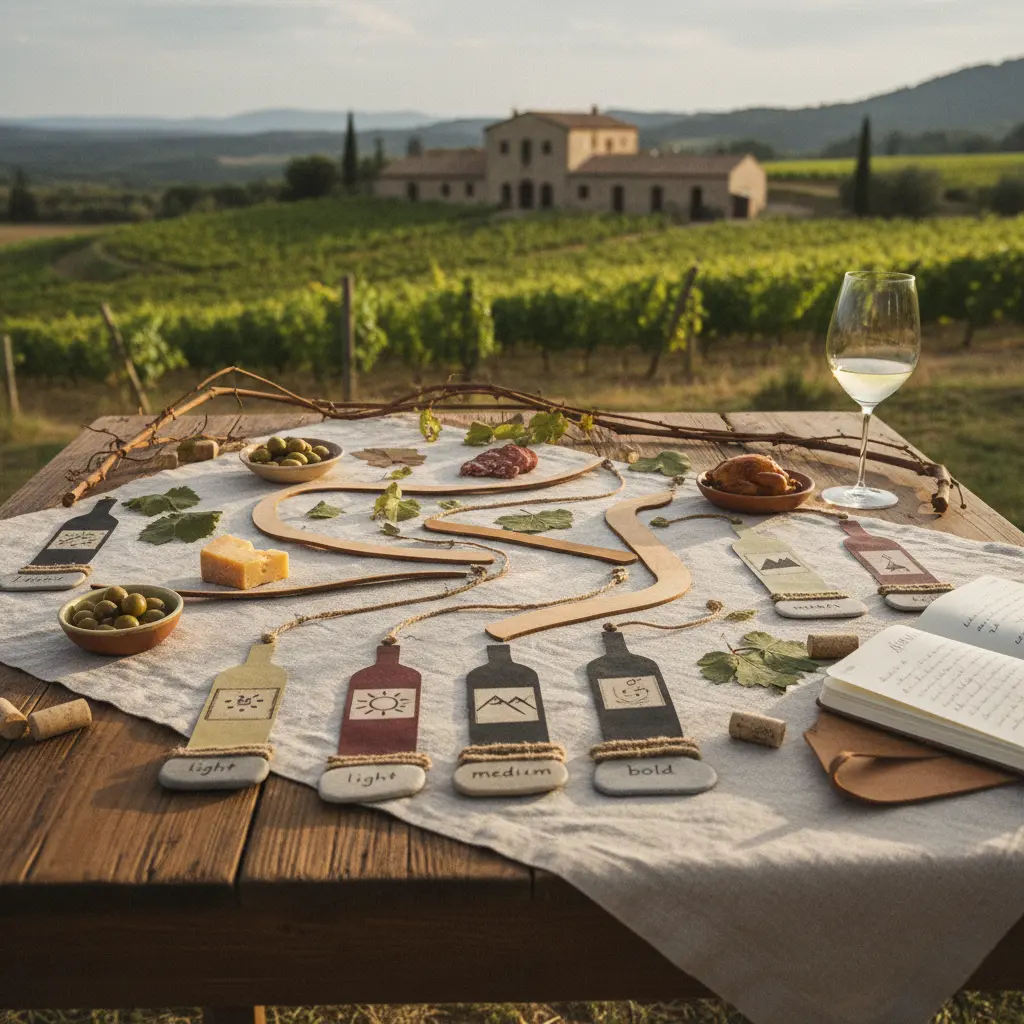
How Do Different Dining Scenarios Influence Wine Choices?
Understanding how specific dining scenarios genuinely impact your wine choices allows you to adapt general pairing advice into practical, repeatable decisions. Understanding how specific dining scenarios genuinely impact your wine choices allows you to adapt general pairing advice into practical, repeatable decisions. Different contexts-from casual weeknight meals to formal entertaining-demand varied strategies, ensuring the wine complements both the food and the overall ambiance. Tailoring your selection to the setting profoundly enhances the entire dining experience, making it more cohesive and ultimately more enjoyable for everyone involved, from the host to the guests.
For casual family dinners, prioritize wines offering versatility, approachability, and broad compatibility with multiple dishes and varied preferences. Opt for bottles with moderate alcohol, clear fruit characteristics, and balanced acidity to ensure wide appeal and minimize mismatch risk. A reliable Italian Sangiovese or a French Beaujolais serve as excellent examples for this setting, providing broad food compatibility and generally pleasing most palates. The primary aim here is ease of enjoyment and comfort for all guests, fostering a relaxed atmosphere.
When dining in a restaurant, base your wine choice primarily on the dish's sauce and cooking method, then confirm the style by considering region or grape. Do not hesitate to engage the sommelier for guidance; even a single focused question about a producer's style or their approach to oak handling can significantly improve your outcome, leading to a more informed and satisfying selection that truly enhances your meal. Sommeliers are experts dedicated to helping you navigate the wine list and discover the perfect match, often with an insider's perspective on specific vintages.
Adapt your wine structure with the changing seasons, choosing fresher, higher-acid profiles during warmer months and more layered, textured styles for colder periods. The objective is to preserve balance between the dish's weight, aromatic intensity, and finish length. Crisp Sauvignon Blanc or a dry Rosé are ideal for summer salads, while a full-bodied Cabernet Sauvignon or a hearty Rhone blend shines with winter stews. Lighter wines refresh in heat, whereas robust wines provide warmth and substance when temperatures drop, aligning with seasonal ingredients and comfort levels.
When hosting guests, consider a two-bottle strategy: offer one safe, classic choice alongside one more exploratory option to cater to diverse palates. Always serve wines in a logical sequence, progressing from lighter to fuller-bodied styles. This prevents palate fatigue and ensures each wine is appreciated in its optimal context. For larger gatherings, consulting a guide like how to host a wine dinner can help manage logistics and selections seamlessly. This thoughtful approach caters to diverse palates while gently encouraging discovery and conversation.
Mastering Advanced Wine Pairing for Enthusiasts?
For the dedicated enthusiast, advanced wine pairing involves delving into specific producer philosophies, understanding subtle micro-region differences, carefully managing budgets, and diligently tracking personal experi For the dedicated enthusiast, advanced wine pairing involves delving into specific producer philosophies, understanding subtle micro-region differences, carefully managing budgets, and diligently tracking personal experiences for continuous learning. These sophisticated steps build upon fundamental knowledge, allowing you to refine and enhance pairing decisions, moving past basic principles to craft truly exceptional combinations that reflect a deeper, more nuanced appreciation for wine. This iterative process transforms every meal into an opportunity for heightened sensory delight, deepening your connection to the world of wine.
Expanding your knowledge to encompass specific producer styles, minute micro-region differences, and the nuanced impact of vintage behavior allows for highly sophisticated and precise pairings. Understanding a producer's unique philosophy or a particular vintage's characteristics-for instance, knowing that a cooler vintage for Pinot Noir might yield higher acidity and a lighter body-can elevate a good pairing to an exceptional one, offering deeper layers of flavor and aromatic complexity. This level of detail transforms a meal into a truly bespoke culinary event, tailored to perfection. To further refine your palate and pairing instincts, consider structured tasting notes and journaling your experiences to identify patterns and preferences.