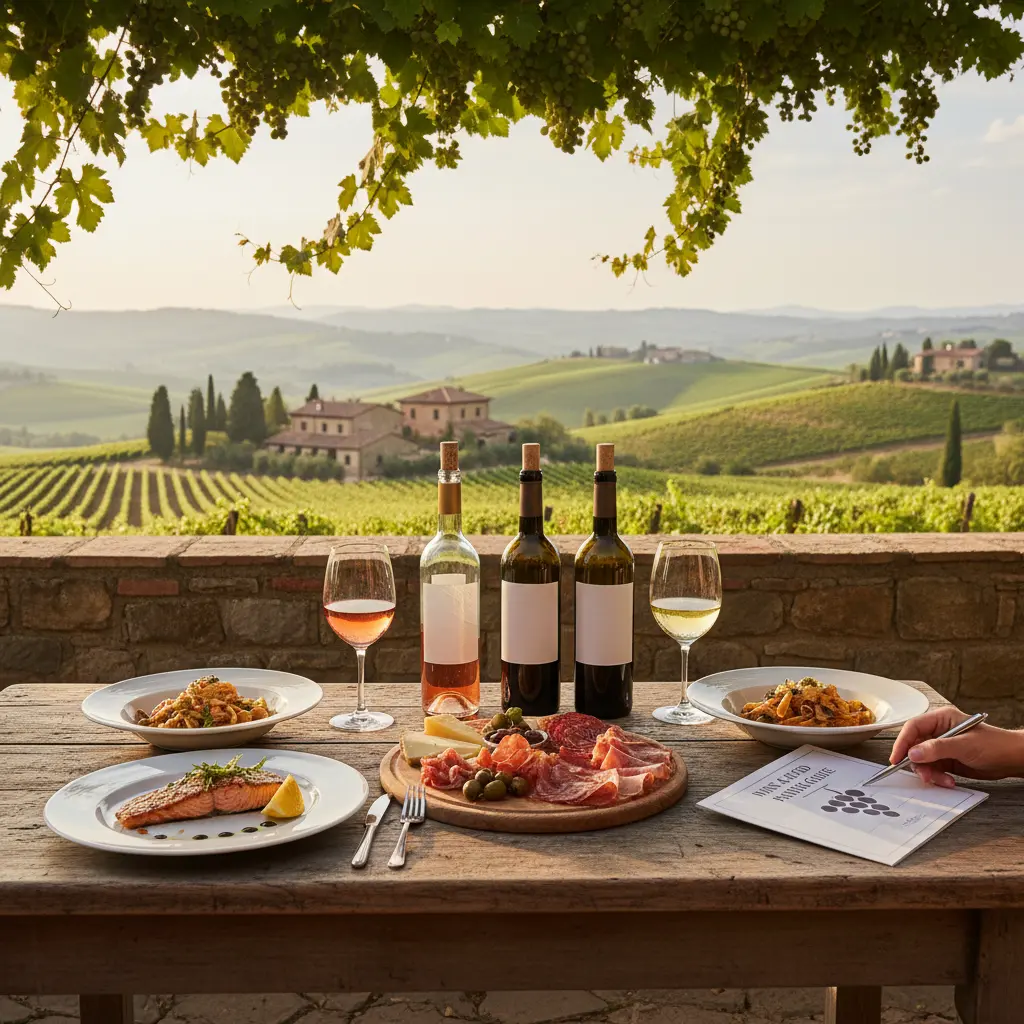
How Do You Start Pairing Wine and Food Confidently?
Begin by leveraging established benchmarks and simple guidelines, then refine your choices based on style and context. A practical approach involves consulting quick reference tables and understanding basic wine categories to narrow down options efficiently. This method provides a reliable starting point for both novice and experienced wine lovers, building a flexible framework for more adventurous pairings as your palate develops. Mastering a few key combinations can rapidly build confidence, allowing you to intuitively understand why certain wines work with specific dishes.
Leverage Proven Combinations
Start with a table of common dish types and their generally accepted wine partners for fast, reliable direction. This decision table provides an excellent starting point for new and experienced enthusiasts alike, helping you make informed choices without extensive prior knowledge. It simplifies complex decisions by highlighting classic pairings that consistently deliver satisfying results, offering a shortcut to successful dining experiences. Think of these as your foundational pairings, always reliable and rarely disappointing.
| Dish Type | Best Wine Styles | What to Avoid |
|---|---|---|
| Light Salads with Vinaigrette | Sauvignon Blanc, Pinot Grigio, Dry Riesling | Full-bodied reds, Heavily oaked Chardonnay |
| Oysters & Delicate Seafood | Muscadet, Brut Champagne, Albariño | Tannic reds, Sweet wines |
| Creamy Pasta Dishes | Oaked Chardonnay, White Burgundy, Verdicchio | Light-bodied reds, Very acidic whites |
| Roast Chicken & Poultry | Pinot Noir, Chardonnay (unoaked), Sangiovese | Heavy, tannic reds (e.g., Cabernet Sauvignon) |
| Grilled Salmon & Rich Fish | Pinot Noir, Dry Rosé, Gamay | High-tannin reds, Dessert wines |
| Pizza & Tomato-Based Pasta | Chianti, Barbera, Zinfandel | Delicate whites, Heavily oaked whites |
| Red Meats (Steak, Lamb) | Cabernet Sauvignon, Syrah, Bordeaux Blends | Light-bodied whites, Sweet wines |
| Spicy Asian Cuisine | Off-dry Riesling, Gewürztraminer, Grüner Veltliner | High-alcohol reds, Dry, very tannic reds |
| Cheeseboard (Mixed) | Pinot Noir, Rhône Blends, Sauvignon Blanc | Very sweet wines, Heavily oaked wines |
| Desserts (Sweet) | Sauternes, Port, Moscato d'Asti | Dry reds, Dry whites |
Understand Basic Wine Categories
Familiarize yourself with the main characteristics of popular wine styles, such as crisp, dry whites; refreshing Rosés; aromatic and off-dry whites; and full-bodied, tannic reds. This foundational knowledge helps you categorize wines and quickly narrow down suitable options for various foods, building a mental map for future pairings. Knowing the typical flavor profiles, aromatic compounds, and structural components of different wine types empowers you to make intuitive selections, enhancing both your tasting ability and pairing confidence. For example, understanding that a Sauvignon Blanc typically offers high acidity and green notes immediately suggests pairings with fresh, zesty dishes.
What are the Key Elements for Wine and Food Harmony?
Achieving harmony in wine and food pairing relies on understanding and manipulating several key elements: intensity, acidity, sweetness, tannin, and the pervasive influence of sauces and seasonings. Mastering these elements allows for more precise and satisfying pairings beyond simple guidelines, moving towards a truly complementary experience that showcases the best of both the wine and the dish.
Matching Intensity and Body
Intensity matching refers to aligning the perceived weight and power of the wine with that of the food. A delicate salad would be easily overpowered by a bold Cabernet Sauvignon, just as a light Pinot Grigio would get lost alongside a rich beef stew. Similarly, matching the texture and body of wine to food-such as a creamy Oaked Chardonnay with a rich sauce or a sparkling wine with fried food-enhances the overall experience by creating a balanced mouthfeel and preventing one element from dominating the palate. Consider the dish's richness and weight, then seek a wine that can stand beside it without competition.
Balancing Acidity
Acidity in wine is crucial for cutting through richness, cleansing the palate, and enhancing fresh flavors in food. Wines with higher acidity, like a crisp Sauvignon Blanc or a high-acidity grape variety like Nebbiolo, pair exceptionally well with fatty foods, acidic sauces (such as tomato-based dishes), and delicate seafood. The tartness brightens the dish and prepares the palate for the next bite, preventing the meal from feeling heavy. A well-placed acidic wine can make even the richest dishes feel light and refreshing.
Considering Sweetness and Spice
When pairing with sweet or spicy dishes, consider wines that are either sweeter than the food or possess enough aromatic intensity and residual sugar to complement the heat. Off-dry Riesling or Gewürztraminer are excellent choices for spicy Asian cuisine, as their inherent sweetness can effectively tame the heat and soothe the palate. For dessert, wines like Sauternes or Port perfectly match sweet treats, preventing the wine from tasting thin or bitter by comparison. The goal is to ensure the wine's sweetness level meets or exceeds that of the food.
Addressing Tannin and Fat
Tannins, primarily found in red wines, bind with proteins and fats, making them a natural partner for rich, fatty meats. A Cabernet Sauvignon's firm tannins can soften and feel less astringent when paired with a marbled steak, enhancing both the wine and the dish's savory notes. This interaction cleanses the palate, making each bite of meat as satisfying as the first. Leaner meats, however, often prefer wines with less assertive tannins, as strong tannins can taste harsh and metallic without fat to balance them.
The Role of Sauces and Seasoning
The sauce and seasoning of a dish often have more impact on wine pairing than the main ingredient itself. A simple grilled chicken will pair very differently if served with a creamy mushroom sauce versus a tangy lemon-herb marinade. Always consider these dominant flavor drivers that shape the overall character of the dish, as they dictate the wine's necessary attributes, be it acidity, richness, or spice notes. Focusing on these elements allows for more precise and successful pairings, transforming a potentially difficult match into a harmonious one.
Can You Provide Practical Wine Pairing Scenarios?
Applying these principles through practical scenarios demonstrates how to make smart choices without overthinking. These common pairings illustrate intensity matching, acid balance, and flavor complement, moving from abstract theory to tangible application and equipping you with repeatable strategies. Each example highlights a specific situation, offering clear guidance and explaining the reasoning behind the recommendations.
A good pairing amplifies both the wine and the food; a great pairing creates a third, new flavor experience.
- Scenario: Roast Chicken with Herbs and Lemon
- Recommended Wine: Unoaked Chardonnay or Pinot Noir. Both offer versatility, moderate body, and do not overpower the subtle flavors of the chicken and herbs.
- Alternative Option: Vermentino from Italy, providing a refreshing, herbaceous counterpoint with bright acidity.
- What to Avoid: Heavy, tannic reds like young Cabernet Sauvignon, which would overshadow the delicate poultry and clash with the lemon notes.
- Explanation: The moderate richness of roast chicken benefits from wines with good acidity and moderate body. The lemon and herbs call for fresh, bright wine notes to enhance rather than compete.
- Scenario: Spicy Asian Stir-fry with Chili and Ginger
- Recommended Wine: Off-dry Riesling or Gewürztraminer. Their inherent sweetness and aromatic intensity effectively tame and complement the heat and complex spices.
- Alternative Option: Grüner Veltliner, with its characteristic white pepper notes and bright acidity, can also stand up to the vibrant flavors.
- What to Avoid: High-tannin dry red wines or very dry white wines, which can make the spice seem harsher and leave a metallic aftertaste.
- Explanation: Sweetness and aromatic complexity are key to balancing spice and vibrant Asian flavors, rather than competing with them, creating a harmonious palate.
- Scenario: Mixed Cheese Board (Soft, Hard, Blue)
- Recommended Wine: Pinot Noir or Sauvignon Blanc. Both are versatile and generally safe with a range of cheeses, from creamy Brie to firm Cheddar.
- Alternative Option: A Rhône Valley blend (Grenache, Syrah, Mourvèdre) for robust, aged cheeses, or a dry sparkling wine for lighter, fresh options.
- What to Avoid: Heavily oaked wines with delicate fresh cheeses, or very light wines with strong blue cheeses, as they create an imbalance.
- Explanation: A mixed board requires a wine that can bridge various textures and intensities. Often, matching the intensity of the cheese with the body of the wine is the most effective approach.
- Scenario: Pasta with Rich Tomato-Based Sauce
- Recommended Wine: Chianti Classico or Barbera. Their high acidity and savory notes perfectly complement the acidity and richness of tomato-based sauces.
- Alternative Option: Zinfandel, especially an old-vine expression, for a fruitier, more robust take that still handles the acidity well. For a classic Italian Sangiovese from a different region, consider a Rosso di Montalcino.
- What to Avoid: Delicate white wines or low-acid reds, which would be completely overwhelmed by the sauce's acidity and robust flavors.
- Explanation: The acidity of tomato sauce demands a wine with comparable acidity to prevent the wine from tasting flat. Moderate tannins are also beneficial without being overpowering.
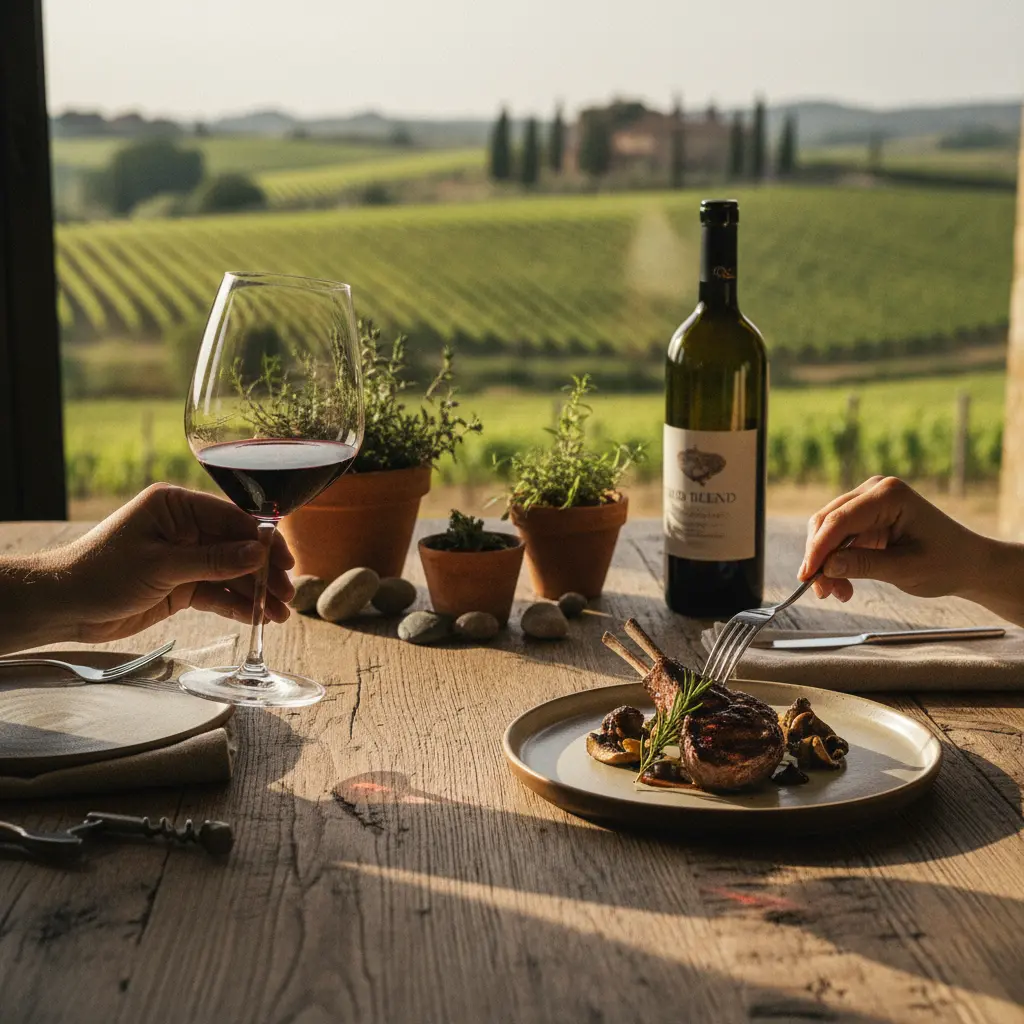
- Scenario: Grilled Lamb Chops with Rosemary and Garlic
- Recommended Wine: Cabernet Sauvignon or Syrah. Their robust structure, firm tannins, and dark fruit or savory spice notes match the rich meat and strong aromatics.
- Alternative Option: A robust Nebbiolo from Piedmont, known for its firm tannins, earthy complexity, and red fruit character.
- What to Avoid: Light, fruity white wines or very sweet wines, which lack the structure and flavor intensity to stand up to the lamb's richness.
- Explanation: Lamb's strong flavor and richness, especially with rosemary and garlic, demand a wine with significant body, firm tannins, and savory or dark fruit characteristics to create a balanced pairing.
- Scenario: Pan-Seared White Fish (e.g., Cod, Halibut) with Lemon Butter Sauce
- Recommended Wine: Sauvignon Blanc or Pinot Grigio. Their crisp acidity and vibrant citrus notes complement the lemon and cut through the richness of the butter.
- Alternative Option: An unoaked Chardonnay or Albariño, offering a little more body while maintaining refreshing acidity.
- What to Avoid: Heavily oaked Chardonnays, which can overpower delicate fish, or tannic red wines, which would create an unpleasant metallic taste.
- Explanation: Delicate white fish requires a wine with bright acidity to enhance its subtle flavors and refresh the palate against the buttery sauce, without adding conflicting textures or heavy oak.
What Common Wine Pairing Mistakes Should You Avoid?
Most pairing errors occur when one variable dominates the decision, or when context and fundamental principles are overlooked. Avoiding these common pitfalls improves your pairing success and consistently creates enjoyable culinary experiences, ensuring both wine and food shine. By recognizing these traps, you can elevate your approach to wine pairing from good to exceptional.
A frequent mistake is to focus solely on the main ingredient while disregarding the cooking method, sauce, or seasoning. These contextual elements often have a greater influence on the ideal wine choice than the protein itself. For example, a poached salmon pairs vastly differently than a cedar-planked salmon with a smoky glaze; the sauce dictates the wine's character much more than the fish itself. Always consider the full flavor profile, not just the centerpiece ingredient.
Failing to match the intensity and body of the wine to the food can lead to either component being overwhelmed. A delicate wine with a heavy dish, or vice-versa, results in an unbalanced experience where one element cancels out the other. Always consider the wine's acidity, tannin, and sweetness in relation to the dish to ensure a harmonious balance of weight and texture. A light-bodied wine will simply disappear when paired with a rich, fatty stew.
Neglecting serving temperature or using unsuitable glassware can significantly detract from a wine's flavor and aroma, undermining even the best pairing choices. These seemingly small execution details have a major impact on the perceived quality and harmony of the wine and food. Red wines that are too warm can taste flabby and overtly alcoholic, while white wines that are too cold can hide their aromatic complexity and nuanced flavors. Proper service is paramount for optimal enjoyment.
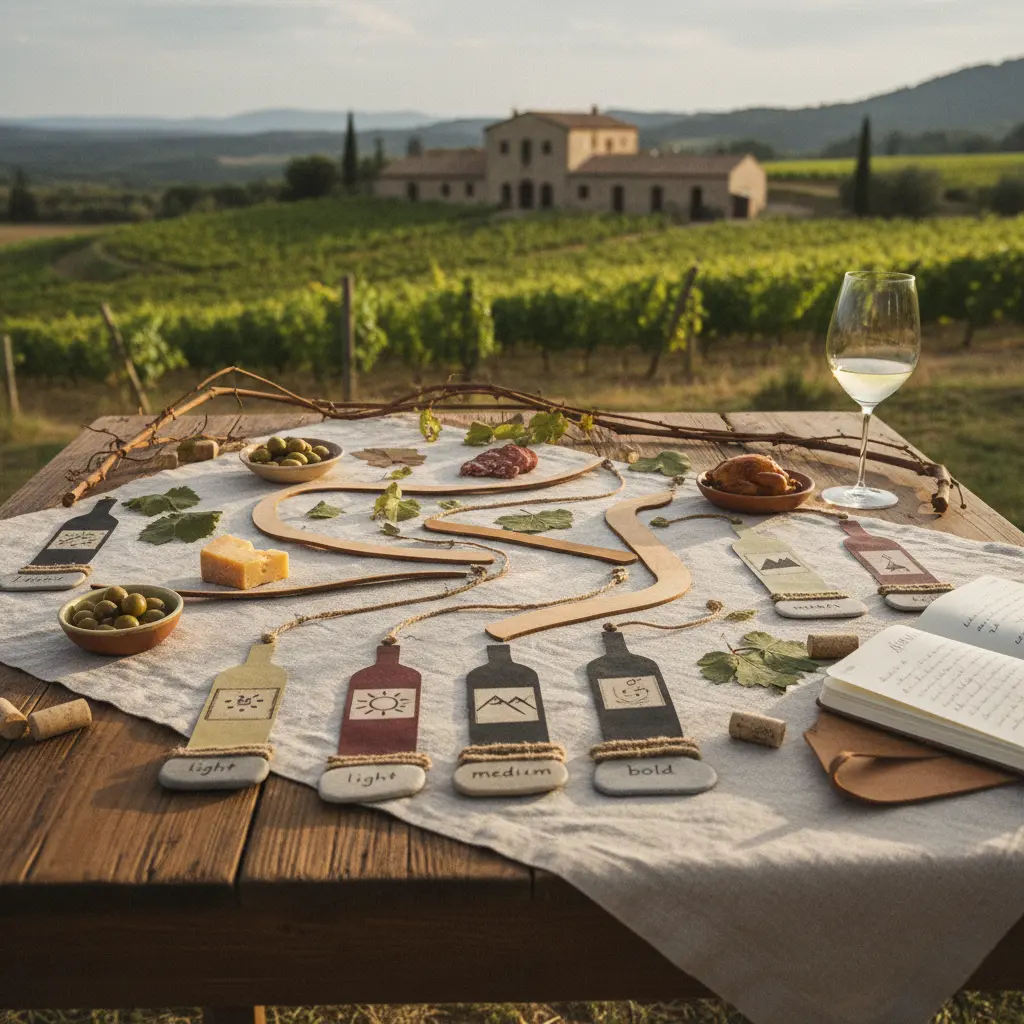
How Do Different Dining Scenarios Influence Wine Choices?
Understanding how specific dining scenarios impact your wine choices allows you to adapt generic advice into practical, repeatable decisions. Different contexts-from casual weeknight meals to formal entertaining-call for varied strategies, ensuring the wine complements both the food and the ambiance. Tailoring your selection to the setting enhances the entire dining experience, making it more cohesive and enjoyable.
For family dinners, prioritize wines that are versatile, approachable, and broadly compatible with multiple dishes and varied preferences. Choose bottles with moderate alcohol, clear fruit, and balanced acidity to ensure wide appeal and reduce mismatch risk. Think of a good, reliable Italian Sangiovese or a French Beaujolais for this setting, as they offer broad food compatibility and are generally crowd-pleasers. The aim is ease and enjoyment for all.
When ordering in a restaurant, anchor your wine choice on the dish's sauce and cooking method, then confirm style by region or grape. Don't hesitate to ask the sommelier for guidance; a single focused question about producer style or oak handling can significantly improve your outcome, leading to a more informed and satisfying selection that enhances your meal. They are there to help you navigate the list and find the perfect match.
Shift wine structure with the seasons, opting for fresher, higher-acid profiles during warmer months and more layered, textured styles for colder periods. The goal is to preserve balance between the dish's weight, aromatic intensity, and finish length. Crisp Sauvignon Blanc or Rosé for summer salads, and a full-bodied Cabernet Sauvignon for winter stews are classic examples of this seasonal adaptation. Lighter wines refresh in heat, while robust wines provide warmth and substance in the cold.
When entertaining, employ a two-bottle strategy: offer one safe, classic choice alongside one more exploratory option. Serve wines in proper sequence from lighter to fuller style, which keeps guests comfortable while providing an engaging tasting experience. For larger gatherings, consider consulting a guide on how to host a wine dinner to manage logistics and selections seamlessly. This approach caters to diverse palates while encouraging discovery.
Mastering Advanced Pairing Techniques
For enthusiasts, advanced considerations include delving into specific producer philosophies, understanding micro-region differences, managing budgets strategically, and diligently tracking experiences for continuous learning. These steps build on fundamental knowledge to refine and optimize pairing decisions, moving beyond basic principles to truly exceptional combinations that reflect a deeper appreciation for wine.
Expanding your knowledge to include specific producer styles, micro-region differences, and the impact of vintage behavior allows for highly nuanced pairings. Understanding a producer's philosophy or a vintage's characteristics-for example, a cooler vintage for Pinot Noir might yield higher acidity and lighter body-can elevate a good pairing to an exceptional one, offering deeper layers of flavor and aroma. This level of detail transforms a meal into a truly bespoke culinary event.
Establish fixed budget lanes and assign style targets to each, evaluating bottles by consistency rather than transient hype. This method helps identify reliable producers and regions that consistently deliver strong value and predictable quality within your preferred style profile, preventing overspending on underperforming wines and building a trustworthy cellar. Strategic budgeting ensures you always have quality options without breaking the bank.
Keep concise notes after each pairing, documenting the dish, wine, serving temperature, and the overall result. This personal dataset becomes your most valuable resource for future decisions, making each subsequent purchase or pairing faster and more precise. Consider guides like how to wine taste better to improve your note-taking accuracy and palate development, turning every meal into a learning opportunity and sharpening your wine expertise.
For multi-course meals, plan your wine progression carefully, moving from lighter-bodied, lower-alcohol wines to fuller, more intense options. This sequencing prevents palate fatigue and ensures each wine is appreciated in its optimal context, building towards a crescendo of flavors and textures. A classic progression might start with sparkling wine, move to a crisp white, then a medium-bodied red, and conclude with a dessert wine.
Your Next Steps to Elevate Pairing Skills
Apply this comprehensive approach in real-world scenarios this week and meticulously compare the outcomes using your own notes. Consistent practice and reflection are crucial for mastering wine and food pairing, transforming abstract knowledge into practical expertise and making you a more confident wine enthusiast. By actively engaging with these steps, you'll find your intuition for pairing grow stronger with each meal.
- Define the Meal or Occasion: Clearly understand the context-who are you dining with, what is the main dish, where will it be served, and what is the overall goal of the meal? This foundational step informs all subsequent decisions.
- Choose Your Target Style Intensity and Acidity: Match the perceived weight, richness, and freshness of the wine to the dominant characteristics of the dish to ensure balance. Decide if you need a wine to cut through richness, complement richness, or offer a refreshing contrast.
- Select a Region and Grape Shortlist: Based on the desired style, identify a few potential wines that typically fit the profile, considering their regional expressions. For instance, if you need a crisp white, think Sauvignon Blanc from Marlborough or Sancerre.
- Pick a Producer and Define Your Budget Band: Choose a specific bottle from a reliable producer within your financial comfort zone, prioritizing quality and consistency. Research reviews or ask for recommendations to ensure a good value selection.
- Adjust Serving Temperature and Glassware: Optimize the wine's presentation by ensuring it's served at the ideal temperature in appropriate glassware for the best aromatic and textural experience. This final detail can significantly enhance the pairing.