Why Upcycle Wine Bottles into Glasses?
Upcycling wine bottles into glasses provides significant environmental benefits, allows for personal expression, and offers a cost-effective alternative to purchasing new glassware. It's an engaging DIY project that aligns with sustainable living and celebrates the story behind each bottle.
Environmental Benefits of Repurposing
Repurposing wine bottles significantly reduces landfill waste and lowers the energy consumption associated with glass recycling and new glass production. Each bottle diverted from the waste stream contributes to a healthier planet by conserving raw materials and reducing carbon emissions.
Creating Personalized Keepsakes and Gifts
Transforming a wine bottle from a memorable vintage or a special occasion into a glass creates a unique keepsake that holds sentimental value. These personalized items make exceptional gifts, allowing the recipient to literally drink from a piece of their past experiences.
Cost-Effective Drinkware Solutions
Upcycling offers a highly economical way to acquire stylish and durable drinkware, often at a fraction of the cost of buying new, commercially produced glasses. With minimal investment in tools, you can create a full set of custom glasses.
How to Choose the Right Wine Bottle for Upcycling?
Selecting the appropriate wine bottle is crucial for successful upcycling, considering factors like glass thickness, shape, and overall quality for safety and aesthetics. Different bottle types offer unique characteristics that affect the cutting process and the final product.
Understanding Bottle Shape and Thickness
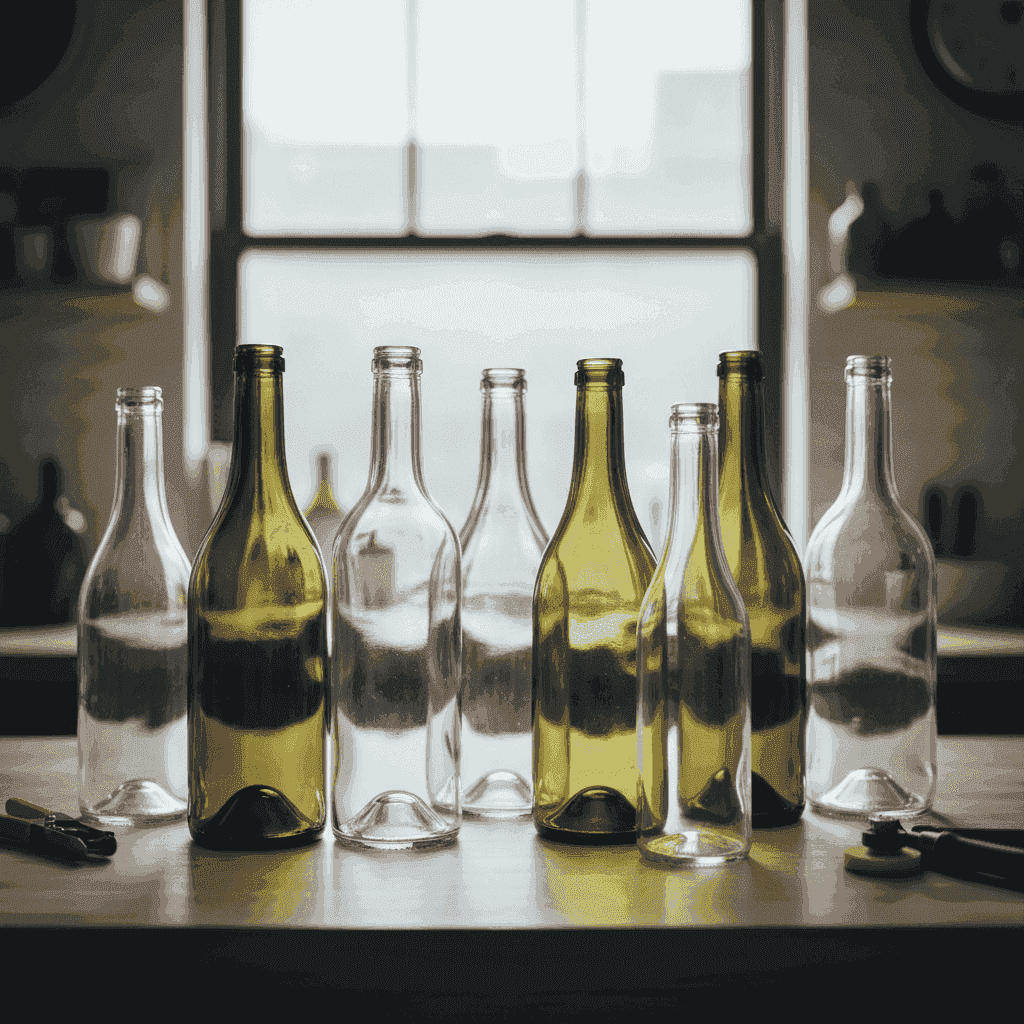
Bordeaux and Burgundy-style bottles are generally preferred for upcycling due to their consistent cylindrical shapes and robust glass thickness. Champagne bottles are also excellent candidates, though their thicker glass requires more patience and precision during cutting.
Glass Color and Aesthetic Considerations
The color of the bottle significantly influences the aesthetic of the finished glass, with clear, green, and amber bottles offering distinct visual appeals. Consider the intended use and personal preference when choosing, as lighter colors show off beverages more clearly, while darker ones add a rustic charm.
Sourcing Winery-Specific Bottles
Visiting local or renowned wineries offers an excellent opportunity to source unique and high-quality bottles, often with distinctive branding or historical significance. Wineries in regions like Italy's premier wine regions or Spain's diverse wine regions often feature bottles ideal for upcycling, turning them into a memento of your travels.
What Essential Tools Do You Need for DIY Wine Glass Creation?
Successful wine bottle upcycling requires a few key tools to ensure clean cuts, smooth edges, and a safe crafting experience. These include specialized glass cutters, abrasive materials for sanding, and essential safety gear.
Glass Cutter Types and Functionality
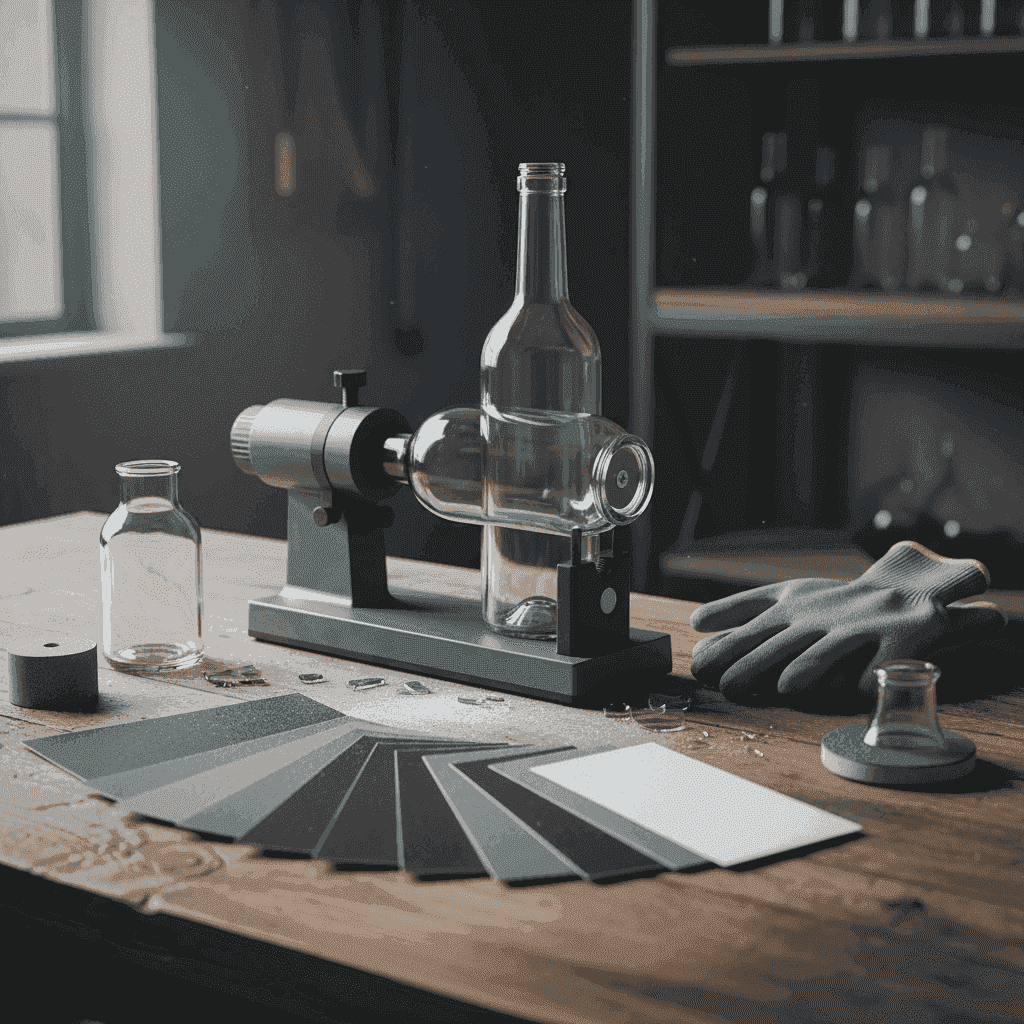
Manual glass bottle cutters, typically scoring devices with a tungsten carbide wheel, are the most common and accessible tools for home upcycling projects. Electric glass cutters or rotary tools with diamond bits can also be used for more precise or intricate cuts, though they require more experience.
Sanding and Finishing Tools
Various grits of sandpaper (from coarse to fine), diamond hand pads, or a Dremel tool with a grinding attachment are essential for smoothing the cut edge of the glass. Achieving a polished, safe rim is critical for usability.
Protective Gear for Safe Crafting
Always wear safety glasses to protect eyes from glass shards, and sturdy gloves to prevent cuts during the handling and sanding process. A dust mask is also advisable to avoid inhaling fine glass particles.
Step-by-Step Guide: How to Upcycle a Wine Bottle into a Glass
Transforming a wine bottle into a drinking glass involves a precise series of steps: scoring, separating, and meticulously finishing the rim. Following these instructions carefully ensures a high-quality, safe, and attractive final product.
Preparing the Bottle
Thoroughly clean the empty wine bottle, removing all labels and adhesive residue to ensure a clean surface for cutting. Soaking bottles in hot, soapy water helps loosen stubborn labels, which can then be scraped off with a non-abrasive scrubber.
Scoring the Glass
Using a bottle cutter, apply steady, even pressure to score a continuous line around the bottle at your desired height. A single, unbroken score line is ideal; avoid re-scoring the same line, as this can lead to an uneven break.
Separating the Halves
Apply alternating cycles of heat and cold to the scored line to create a clean break. Typically, this involves pouring boiling water over the score line, followed immediately by cold water or an ice cube, repeating until the glass separates cleanly.
Finishing the Rim for Safety and Comfort
Finishing the Rim for Safety and Comfort ensures the glass is safe and pleasant to drink from.
- Rough Sanding: Begin with coarse-grit sandpaper (e.g., 80-120 grit) or a diamond hand pad. Wet the sandpaper and the glass rim. Gently sand the newly cut edge in a circular motion to remove any sharp points and create a slight bevel.
- Medium Sanding: Progress to a medium-grit sandpaper (e.g., 220-400 grit). Continue wet sanding, maintaining the circular motion, to further smooth the rim and remove any remaining rough spots from the initial sanding.
- Fine Sanding: Finish with fine-grit sandpaper (e.g., 600-1000 grit or higher). This step is crucial for achieving a smooth, polished, and safe drinking rim. Continue wet sanding until the edge feels completely smooth to the touch, similar to a store-bought glass.
- Polishing (Optional): For an extra-smooth, professional finish, use a polishing compound and a felt wheel on a rotary tool, or very fine polishing paper, to buff the rim to a subtle shine.
Safety First: Precautions and Best Practices
Prioritizing safety is paramount when working with glass, requiring careful handling, a well-prepared workspace, and appropriate personal protective equipment. Adhering to safety guidelines prevents injuries and ensures a positive crafting experience.
Handling Sharp Edges and Fragments
Exercise extreme caution when handling freshly cut glass, as the edges are incredibly sharp until sanded smooth. Always wear cut-resistant gloves and dispose of glass fragments immediately and safely, wrapped in thick paper or cardboard.
Ensuring Proper Ventilation and Workspace
Work in a well-ventilated area to minimize the inhalation of fine glass dust generated during sanding. A clean, stable, and uncluttered workspace helps prevent accidents and allows for precise work.
Utilizing Personal Protective Equipment (PPE)
Always wear safety glasses, cut-resistant gloves, and a dust mask throughout the cutting and sanding phases of the upcycling process. This PPE forms an essential barrier against potential hazards.
How Should You Maintain Your Upcycled Wine Glasses?
Proper care and maintenance will ensure your upcycled wine glasses remain beautiful and functional for years to come. While durable, they benefit from mindful cleaning and storage.
Cleaning Upcycled Glassware
Upcycled wine glasses can typically be hand-washed with dish soap and water, similar to regular glassware. For best longevity, especially with any etched or painted designs, hand-washing is recommended over dishwashers.
Storage Tips for Durability
Store upcycled glasses upright in a cupboard or on a shelf, avoiding excessive stacking that could cause chips or breaks. Treating them as you would delicate wine glasses, such as those discussed in how to choose the perfect red wine glass, will extend their life.
Creative Uses for Upcycled Wine Glasses
Beyond serving as conventional drinking vessels, upcycled wine glasses can be repurposed into a variety of decorative and practical items. Their unique forms lend themselves to imaginative new roles around the home.
Everyday Drinkware
Use your upcycled creations as everyday glasses for water, juice, cocktails, or even a casual pour of your favorite Grillo grape wine. They bring a touch of personalized style to any meal or gathering.
Candle Holders and Votive Cups
The lower half of an upcycled wine bottle, with its sturdy base, makes an excellent and attractive candle holder or votive cup. The glass diffuses light beautifully, creating a warm ambiance.
Unique Gifts and Home Decor
Filled with small treats, decorative sands, or a tiny succulent, upcycled glasses make charming and thoughtful gifts, often more personal than store-bought options. They also serve as unique decorative elements on shelves or mantels.
Beyond Glasses: Other Wine Bottle Upcycling Ideas
The versatility of wine bottles extends far beyond drinking glasses, offering numerous opportunities for creative upcycling into other useful and decorative items. The top halves, too, can find new life.
| Bottle Type | Common Grapes | Typical Shape | Thickness | Ease of Cutting | Best for |
|---|---|---|---|---|---|
| Bordeaux | Cabernet Sauvignon, Merlot | Straight-sided with high shoulders | Medium-Thick | Good | Drinking glasses, tumblers |
| Burgundy | Pinot Noir, Chardonnay | Sloped shoulders, wider base | Medium | Good | Drinking glasses, small vases |
| Rhine (Hock) | Riesling, Gewürztraminer | Tall, slender, often with fluted neck | Thinner | Moderate | Elegant vases, candle holders |
| Champagne | Chardonnay, Pinot Noir, Pinot Meunier | Thick glass, deep punt, heavy base | Very Thick | Challenging | Sturdy tumblers, large candle holders |
Vases and Planters
The top halves of wine bottles, with their elegant necks, can be transformed into slender vases for single stems or small bouquets. The lower sections, left intact or cut to different heights, make charming planters for herbs or succulents.
Creative Lighting Fixtures
Wine bottles can be repurposed into unique lampshades, pendant lights, or decorative string light holders, adding a distinctive glow to any space. This requires careful electrical work or the use of battery-operated lights.
Decorative Items and Art Projects
Beyond functional items, wine bottles can be incorporated into various art installations, mosaics, or garden decorations. Their diverse shapes and colors provide endless possibilities for artistic expression.
Where to Source Bottles for Upcycling?
Acquiring a consistent supply of suitable wine bottles for upcycling can be achieved through various channels, from personal consumption to collaborations with local establishments. Thoughtful sourcing ensures a steady stream of raw material for your projects.
Collecting from Local Wineries and Vineyards
Many wineries are willing to provide empty bottles, especially if you explain your upcycling project, fostering community and promoting sustainability. This also offers a chance to discover unique wine gems whose bottles would make excellent upcycled pieces.
Partnerships with Restaurants and Bars
Restaurants and bars are often a rich source of empty wine bottles, frequently having large quantities to discard. Establishing a partnership can provide a reliable and consistent supply, benefiting both parties.
Utilizing Personal Collections and Gatherings
Your own consumption and bottles from gatherings with friends and family are a natural starting point for collecting. Encourage others to save their bottles for you, turning their discards into your resources.
Sustainable Wine Practices and Upcycling
Upcycling wine bottles is an integral part of a broader movement towards sustainable wine practices, emphasizing resourcefulness and environmental consciousness within the wine industry and among consumers. It's a tangible way to participate in a circular economy.
"Every empty bottle holds the potential for a new story. Upcycling isn't just about craft; it's about valuing resources and extending the narrative of enjoyment and sustainability beyond the last sip." - A Sommelier's Perspective on Resourcefulness
Contributing to Waste Reduction
By choosing to upcycle, you directly contribute to reducing the overall volume of glass waste that ends up in landfills or requires energy-intensive recycling processes. This small act collectively makes a significant environmental impact.
Supporting Green Initiatives in the Wine Industry
Your engagement in upcycling aligns with and supports the growing number of wineries adopting sustainable viticulture and production practices. It demonstrates consumer demand for environmental responsibility, influencing industry trends.
The Role of Consumers in a Circular Economy
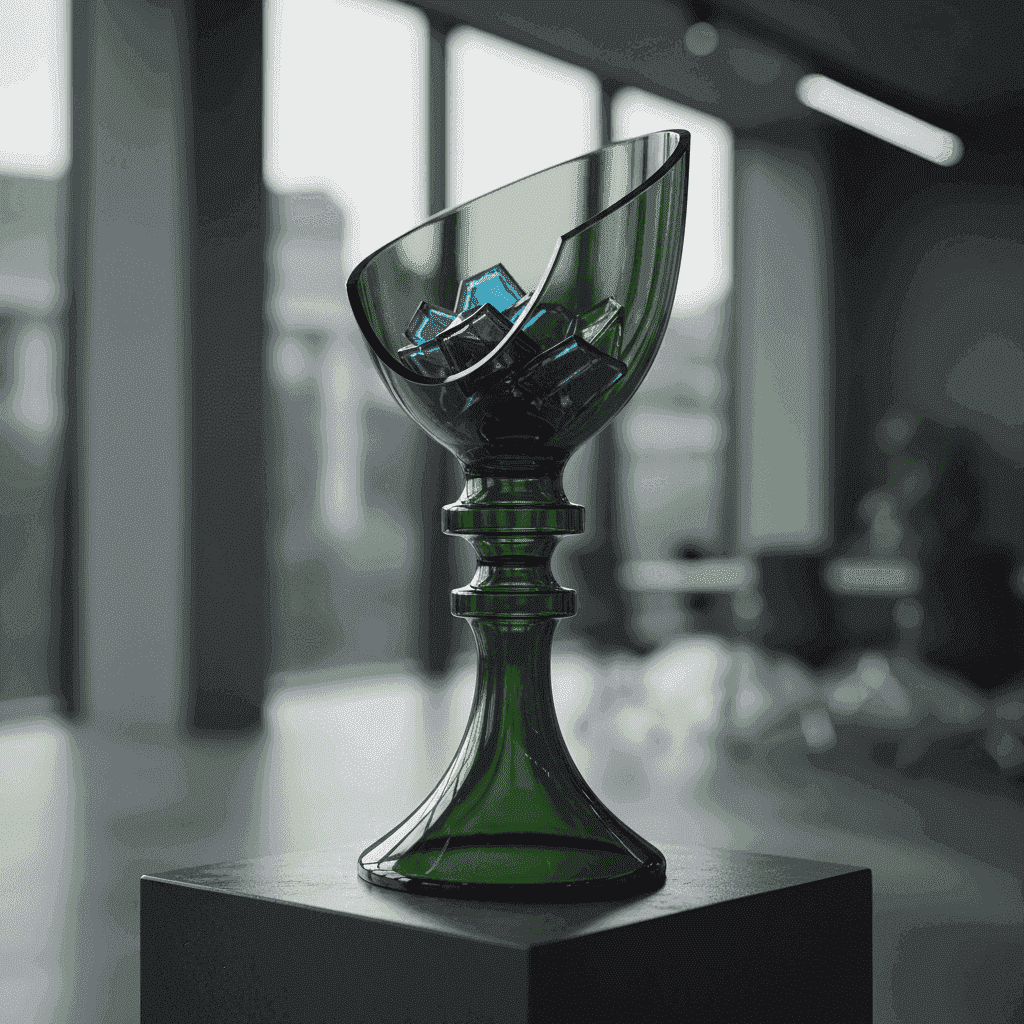
Consumers play a vital role in fostering a circular economy by actively participating in practices like upcycling, moving beyond linear consumption models of 'take, make, dispose'. This proactive approach closes the loop, maximizing resource utility.