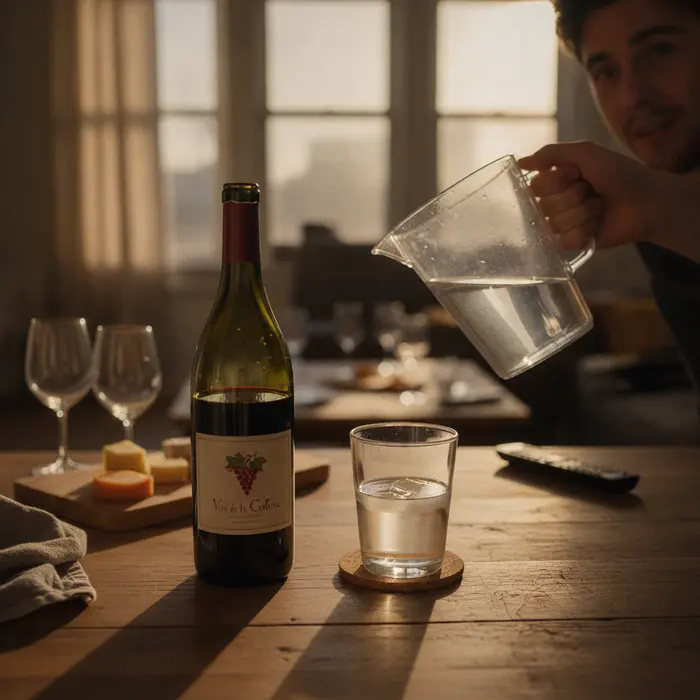
What happens to wine when you add water?
When water is added to wine, the immediate result is the dilution of both alcohol and flavor compound concentrations, which ruins the structural integrity of the beverage. Wine is a complex matrix of organic acids, tannins, alcohol, and aromatic esters that are carefully balanced during the winemaking process.
Dilution of structural tannins and acidity
Tannins provide the drying sensation and structure in red wines, while acidity gives white and red wines their refreshing crispness. Introducing water thins these components, turning a structured, high-acid option like those made from the most sour wine grapes into a flabby, thin, and unappealing liquid. The lack of structure is instantly recognizable on the palate.
Disruption of the aromatic bouquet
Water increases the surface tension of the liquid, which locks in volatile aroma compounds instead of letting them vaporize into your nose. When you try to analyze the wine using standard aroma evaluation, the beautiful floral, fruit, or oak notes will be masked by a flat, neutral scent. This makes it virtually impossible to enjoy the aromatic complexity of a fine wine.
Acceleration of oxidation and spoilage
Tap water contains dissolved oxygen, chlorine, and minerals that rapidly trigger oxidation and chemical instability in wine. Once tap water enters the bottle, it accelerates the degradation process, turning the wine flat, brownish, and stale within hours. The protective sulfur dioxide levels are also diluted, leaving the wine completely vulnerable to bacterial spoilage.
"Adding water to a finished wine does not just dilute the alcohol; it actively unpacks the molecular structure, causing the aromatic volatile compounds to collapse and triggering rapid oxidation." - YAS Wine Editorial Team
How can you detect watered down wine immediately?
You can quickly identify watered down wine by assessing its physical properties and sensory output. If you suspect your roommate has tampered with your bottle, run through these quick diagnostic checks to verify your suspicions.
Analyzing the pale visual appearance
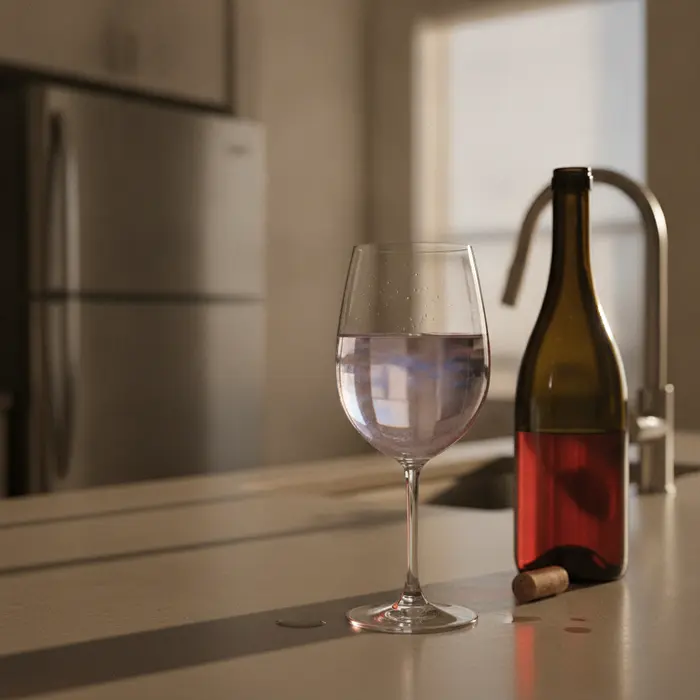
Dilution alters the intensity of the wine's color, making deep red wines look pale, translucent, and pinkish at the rim. White wines will lose their golden or straw hue and look virtually clear, resembling dirty water rather than fermented grape juice. Check the color intensity against a white background to spot the difference.
Testing the viscosity and legs of the wine
Alcohol and sugar provide viscosity to wine, which you can observe by swirling the glass to see how the tears or legs form on the sides. Watered down wine has much lower viscosity, so the liquid will slide down the glass quickly without leaving any cohesive legs. Understanding how to wine taste like a professional involves watching these physical properties closely.
Evaluating the watery mouthfeel and short finish
A standard wine coats the mouth with fruit, acid, and tannin, leaving a lingering finish that lasts for several seconds. Watered down wine feels thin and watery on the mid-palate, and the flavors vanish the instant you swallow. The lack of a warming sensation from alcohol is also a clear giveaway that water has been added.
Here is a direct comparison of the physical properties of a normal wine versus one that has been diluted with water:
| Metric | Original Untampered Wine | Water-Diluted Wine |
|---|---|---|
| Color Density | Vibrant, rich, opaque to semi-translucent | Pale, watery, translucent rims |
| Aromatic Intensity | Expressive fruit, oak, and secondary notes | Faint, dull, flat, or completely absent |
| Mouthfeel / Viscosity | Silky, velvety, or crisp coating | Thin, watery, short-lived presence |
| Alcohol Sensation | Warmth in the throat and chest | Cold, bland, resembling flavored water |
Why do people try to cover up stolen wine this way?
The act of topping off a stolen beverage with water is a classic defense mechanism aimed at hiding the theft. It stems from a combination of panic, denial, and a complete misunderstanding of how wine reacts to dilution.
The illusion of maintaining bottle volume
Roommates who sneak pours often assume that as long as the fill level of the bottle remains constant, you will not notice the missing liquid. They look at the bottle from a distance and assume that a visual match equals a successful cover-up. This ignores the fact that wine is meant to be tasted and smelled, not just viewed on a shelf.
Hope of escaping immediate detection
The thief often hopes you will not drink the remaining wine for several weeks, or that you might drink it when you are already intoxicated. They gamble on the idea that you will blame a bad bottle or your own palate rather than suspecting theft. This short-term survival strategy almost always fails the moment the cork is pulled.
Lack of basic wine knowledge
Most individuals who water down wine do not understand that wine is a living, breathing beverage. They treat wine like cheap spirits, where a splash of water might lower the proof but leave the color somewhat similar. They do not realize that watering down wine ruins the entire bottle instantly due to oxidation and structural collapse.
How to handle the roommate confrontation professionally?
Confronting a roommate about stolen and ruined wine requires a calm, evidence-based approach to prevent unnecessary household drama. By focusing on facts and establishing clear boundaries, you can resolve the issue without starting a screaming match.
Gathering undeniable physical proof
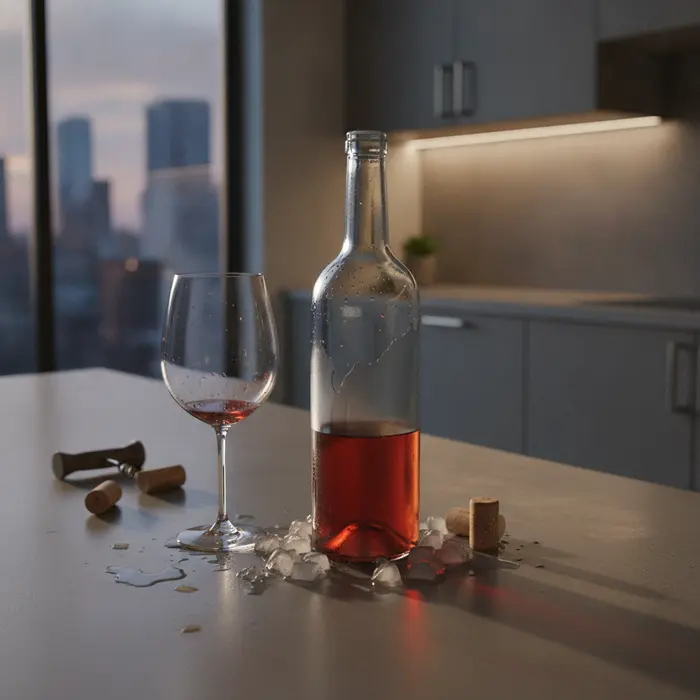
Before bringing up the issue, make sure you have clear physical proof of the dilution. Take a photo of the pale liquid color, note the lack of aroma, and check if the bottle was moved or stored improperly. Having this evidence ready prevents the roommate from trying to gaslight you about the quality of the bottle.
Having a calm but firm conversation
Sit down with your roommate during a quiet moment and bring up the issue directly without resorting to insults. Explain that you noticed the wine was diluted with water and that the bottle has been ruined. Ask them directly to reimburse you for the value of the bottle so you can replace it.
Establishing clear rules for communal spaces
Use this incident to establish clear, firm boundaries regarding shared kitchen and fridge spaces. Agree on which items are strictly private and which ones are communal to avoid future misunderstandings. If you need some peace of mind after this stressful situation, read about recovering from wine-related household stress to get your home life back on track.
What are the best ways to protect your wine collection?
Protecting your wine collection from roommates or guests requires a mix of physical security and proper organization. By taking a few simple steps, you can ensure your favorite bottles remain untouched and perfectly preserved.
Utilizing a dedicated home wine fridge
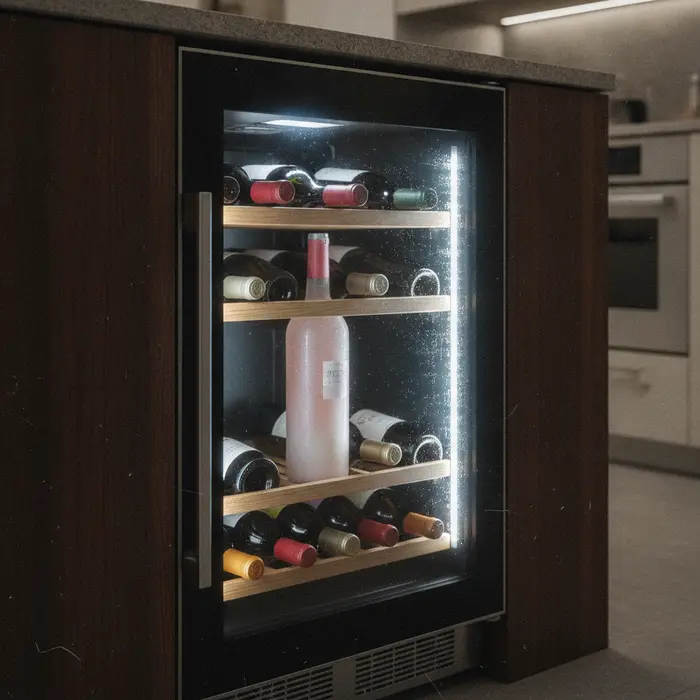
Investing in a dedicated wine cooler with a lock is the ultimate way to protect your bottles. Not only does this keep roommates out, but it also provides the ideal temperature, humidity, and light conditions. Follow our proper home wine storage guidelines to learn more about setting up your cellar environment.
Relocating valuable bottles to private spaces
If you do not have a lockable wine cooler, move your high-value bottles out of communal kitchen cabinets and into your bedroom closet. Keep them in a cool, dark place where guests and roommates cannot access them. This simple physical separation is often enough to deter casual wine thieves.
Labeling and logging your inventory
Keep a physical or digital log of your wine collection, including purchase dates, fill levels, and bottle values. When roommates see that you actively track your collection, they are much less likely to attempt to steal from it. You can also use distinct bottle tags to clearly mark which items are private property.
Practical options for salvage and alternative uses
If you are left with a bottle of watered down wine, you do not necessarily have to pour it down the drain immediately. While it is no longer fit for proper glass service, there are a few creative ways to salvage the remaining liquid.
Cooking with diluted or watered wine
You can sometimes use diluted wine for deglazing pans or making quick sauces, provided the dilution is not too severe. However, keep in mind that the reduced acidity and flavor might require you to adjust your recipes. For inspiration, explore our collection of wine cooking recipes to see how to incorporate wine into your meals.
Making wine spritzers or sangria
If the wine is only lightly diluted, you can transform it into a refreshing summer spritzer or a batch of sangria. Add fresh fruit, a splash of brandy, sugar, and sparkling water to mask the thin texture and low alcohol level. This is a great way to salvage the bottle for a casual weekend gathering.
Turning spoiled wine into homemade vinegar
If the watered wine has already oxidized and started to sour, you can leave it out to turn into red or wine vinegar. Add a splash of raw vinegar containing live cultures to accelerate the process. In a few weeks, you will have a high-quality cooking ingredient made from your ruined bottle.
Rebuilding your collection with budget-friendly alternatives
Once the roommate situation is resolved, you can focus on rebuilding your wine collection with high-value, delicious options. You do not need to spend a fortune to enjoy exceptional wine flavors and styles.
Identifying high-value regional bottles
Look for regional wines that offer incredible quality-to-price ratios, such as Spanish Tempranillo, Portuguese reds, or Italian Chianti. These regions produce bottles that rival much more expensive counterparts, allowing you to restock your racks quickly. Check out our comprehensive wine buying guide for expert tips on finding great values.
Selecting approachable daily table wines
Keep a few affordable daily table wines on hand in communal areas to serve as decoy bottles for guests or roommates. Approachable Pinot Grigio, Cabernet Sauvignon, or Sauvignon Blanc bottles are perfect for casual drinking. This keeps your premium bottles safe while still keeping the household happy.
Upgrading your storage for special vintages
For your truly special bottles, consider off-site storage or a high-end personal wine locker. This ensures that valuable vintages are kept under professional care, away from roommates, light, and temperature fluctuations. It is the safest choice for serious collectors and wine enthusiasts.
Sommelier tips on serving and tasting replacement bottles
When you are ready to open a fresh bottle of wine, make sure you follow proper handling and serving procedures to maximize your enjoyment. Proper service highlights the true, undiluted beauty of the wine.
Master proper serving temperatures
Serving your wine at the correct temperature is vital for showcasing its balance of acid, alcohol, and tannins. White wines should be served chilled but not freezing, while red wines benefit from a slight chill to keep the alcohol in balance. Learn the details by reading our standard wine service guidelines.
Practice systematic sensory evaluation
Take the time to appreciate the full visual, aromatic, and flavor profile of your new, untampered bottle. Swirl the glass to release the volatile aromas, take slow sips, and let the wine coat your entire palate. This sensory connection makes the wine tasting experience truly rewarding.
Pair your fresh bottles with simple meals
Pairing your fresh, high-quality wine with the right dish elevates both the food and the drink. Whether you are serving a simple pasta or a complex roasted dish, the right flavor match makes all the difference. Start with simple classic combinations to build your pairing confidence.
Here is a step-by-step diagnostic test to verify if your bottle has been diluted:
- Pour a small sample of the suspected wine into a clean, clear glass.
- Pour a reference sample of the same wine type or a similar wine into a second glass.
- Compare the color of both liquids over a clean white sheet of paper, looking for paleness or a watery rim.
- Swirl both glasses and observe the viscosity; watered wine will lack legs and fall quickly down the glass.
- Smell both samples to check if the aromas are muted, flat, or resemble tap water.
- Taste the suspected wine to check for a thin mouthfeel, a lack of mid-palate structure, and an incredibly short finish.