Why Thoughtful Wine Storage is Essential
Wine is a dynamic product, constantly evolving even after bottling. Wine is a dynamic product, constantly evolving even after bottling. Erratic temperature shifts, exposure to bright light, or constant vibrations trigger unwelcome chemical changes within the bottle. These disruptions can lead to premature oxidation, resulting in 'cooked' notes, dull flavors, or even outright spoilage. Conversely, stable conditions allow the intricate blend of acids, tannins, sugars, and aromatic compounds to integrate slowly and harmoniously. This measured evolution reveals deeper complexities and nuanced expressions, significantly elevating the wine's ultimate character. For serious collectors, ideal storage is not just preferred but essential, enabling age-worthy wines-such as a vintage Port, a grand cru Burgundy, or a fine Napa Cabernet Sauvignon-to reach their peak potential over years or even decades. Even vibrant everyday wines, like a crisp dry Riesling from Alsace or a fruity Grenache from the Rhône, benefit significantly from a stable environment, maintaining their freshness and vitality until opened. Neglecting storage fundamentals quickly diminishes the sensory journey intended by the winemaker. Understanding these principles empowers you to enjoy every bottle as designed, a critical skill for any wine enthusiast. Explore how proper care enhances your perception in our guide to wine tasting.
Establishing Core Principles for Home Wine Storage
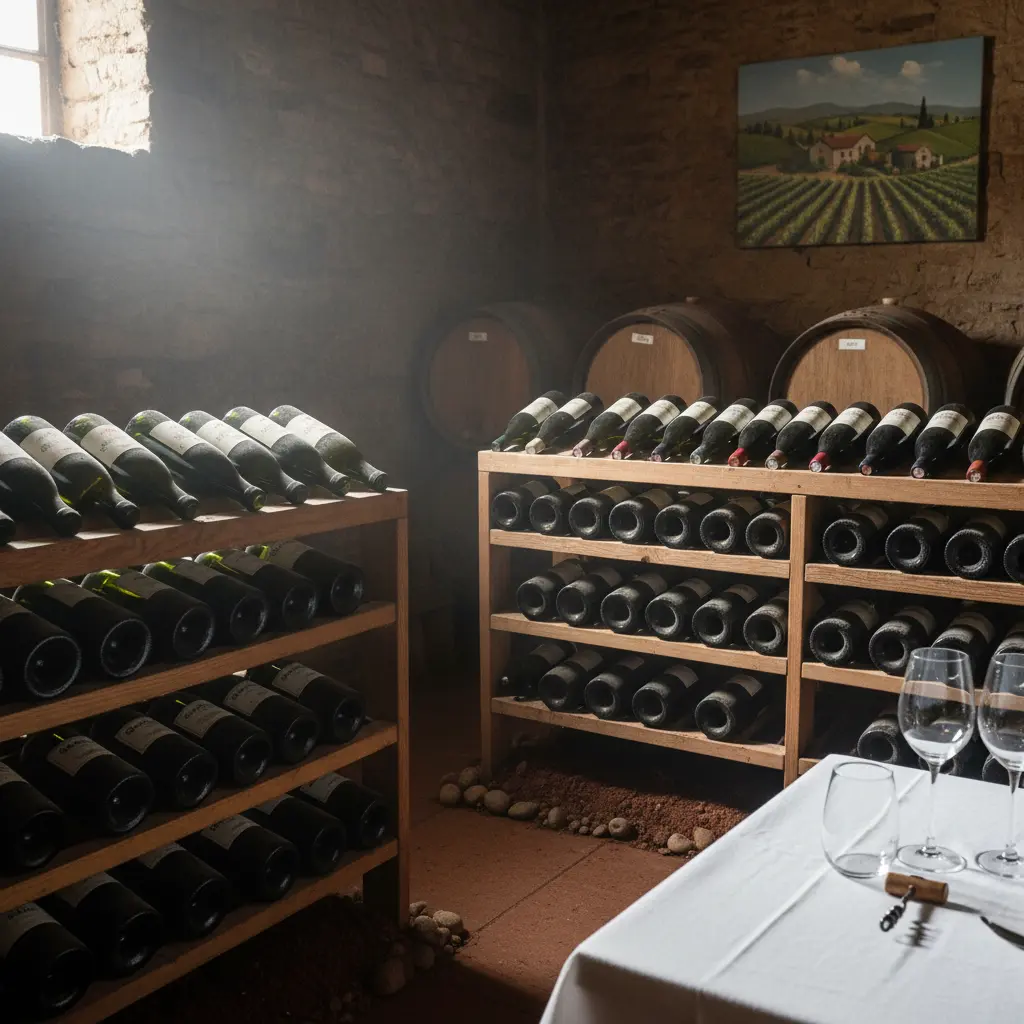
The foundation of effective home wine storage centers on providing a cool, dark, stable, and vibration-free environment. The foundation of effective home wine storage centers on providing a cool, dark, stable, and vibration-free environment. Consistency in these conditions matters profoundly, often more than hitting an exact temperature or humidity number that cannot be reliably maintained. The primary objective involves slowing the wine's developmental pace to an optimal rate, preventing sudden shifts that compromise its integrity. This means minimizing external disturbances and creating a quiet refuge where bottles can rest undisturbed. For bottles sealed with natural cork, horizontal positioning is crucial. This keeps the cork moist, expanded, and forms a tight seal, preventing it from drying out and allowing unwanted oxygen to seep in. Wines with screw caps or synthetic corks do not strictly require horizontal storage but still thrive under the same stable environmental conditions. Adhering to these core principles builds the groundwork for any successful home storage approach, whether you plan to enjoy a Chianti in a few months or age a Barolo for a decade. Your efforts aim to mimic the consistent, protective environment of a traditional underground cellar, safeguarding each wine's journey.
Key Storage Factors at a Glance
Here's a quick reference for optimal wine storage conditions: Here's a quick reference for optimal wine storage conditions:
| Storage Factor | Optimal Condition | Why It Matters | What to Avoid |
|---|---|---|---|
| Temperature | 12-16°C (54-61°F) | Ensures slow, steady development and prevents premature aging. | Fluctuations, heat above 20°C (68°F), freezing temperatures. |
| Humidity | 60-70% | Keeps natural corks moist, preventing drying and oxygen ingress. | Very low humidity (cork dries), very high humidity (mold, label damage). |
| Light | Consistent Darkness | UV rays degrade wine compounds, causing 'light-struck' faults. | Direct sunlight, fluorescent lighting, bright room illumination. |
| Vibration | Zero Interference | Disrupts sediment, accelerates chemical reactions, affecting aging. | Proximity to appliances, heavy foot traffic, nearby machinery. |
| Bottle Position | Horizontal (for natural corks) | Maintains cork moisture, preventing air from contacting the wine. | Vertical storage for natural corks, frequent bottle movement. |
| Odors | Neutral, Clean Air | Wine can absorb strong odors through the cork, affecting aromas. | Paint fumes, household chemicals, pungent food smells. |
The Role of Air Quality and Ambient Odors
The subtle interaction between wine and its environment through the cork is often underestimated. The subtle interaction between wine and its environment through the cork is often underestimated. Natural corks, while effective, are not perfectly airtight and permit a minute amount of gas exchange. This 'breathing' means that persistent, strong odors in the storage area can, over time, permeate the cork and introduce undesirable flavors or aromas to the wine. Imagine storing a fine Cabernet Sauvignon next to cleaning solvents, paint cans, or highly aromatic spices like curry powder; the wine's delicate bouquet could be irrevocably tainted, developing off-notes of chemicals or herbs. Therefore, a storage space that is well-ventilated and consistently free from strong, lingering smells is paramount. A neutral, clean environment allows the wine's true character to evolve and express itself without interference, preserving its aromatic purity. This often overlooked detail plays a crucial role in maintaining the integrity of your collection, ensuring your Pinot Noir smells of cherry and earth, not laundry detergent.
Practical Storage Solutions for Any Home Collection
Selecting the appropriate wine storage solution depends significantly on your intended consumption timeline and collection size. Selecting the appropriate wine storage solution depends significantly on your intended consumption timeline and collection size. For wines you anticipate opening within a few weeks or months-perhaps a lively Grüner Veltliner or an accessible Montepulciano d'Abruzzo-a simple, cool cupboard, shielded from direct light and heat, often proves adequate. However, for those aiming to age wines for a year or more, investing in dedicated solutions becomes essential. These range from specialized wine refrigerators to custom-built cellars. Begin by assessing the volume of your collection, the intended lifespan of your wines, and your available budget. Many enthusiasts start with a cool, dark spot in a basement or a small wine cooler, which offers excellent temperature and humidity control for growing collections. Serious collectors with substantial volumes often consider passive (naturally insulated) or active (climate-controlled) cellars, providing the consistent environment needed for decades of aging a fine Bordeaux or Barolo. These solutions actively protect wines from common environmental stressors, allowing them to mature precisely as intended. Discover more about selecting the right options in our smart wine buying strategies guide.
Short-Term Storage for Immediate Enjoyment (Under 6 Months)
For everyday wines or bottles intended for prompt consumption, like a vibrant Rosé or a young Valpolicella, identify a location within your home that remains consistently cool and dark. For everyday wines or bottles intended for prompt consumption, like a vibrant Rosé or a young Valpolicella, identify a location within your home that remains consistently cool and dark. Suitable spots include a pantry, a lower kitchen cabinet (positioned away from heat-generating appliances like ovens or dishwashers), or a quiet closet. Ensure the chosen area is free from direct sunlight and significant temperature shifts. If bottles have natural corks, store them on their side to keep the cork moist. Absolutely avoid storing wine on top of the refrigerator-a common mistake due to its heat and vibrations-near sunny windows, or in uninsulated spaces like garages or attics. These areas typically experience drastic and rapid temperature fluctuations highly detrimental to wine quality, leading to rapid aging and loss of freshness. A practical rule: if a space feels uncomfortable for you to spend extended time in, it is unsuitable for your wine.
Longer-Term Storage for Building a Cellar (6 Months to Many Years)
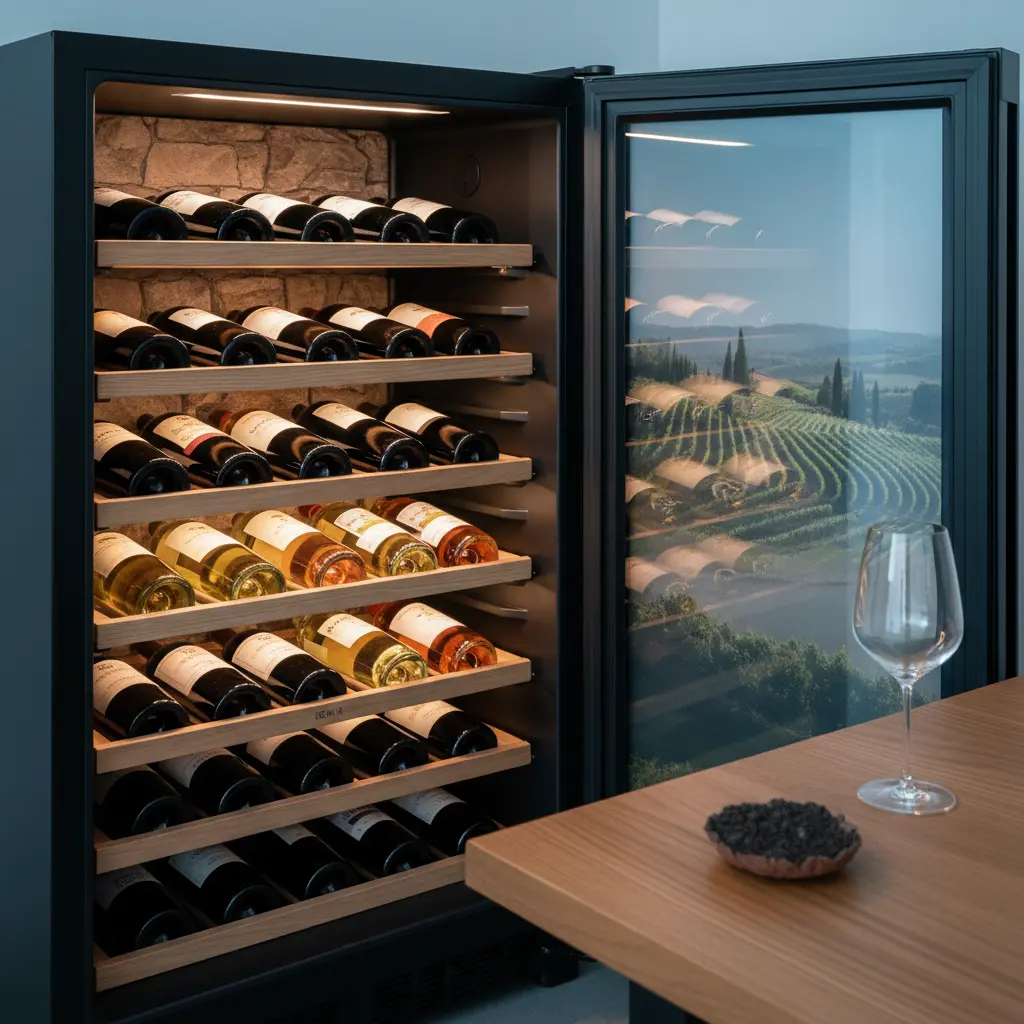
When you plan to keep wines for more than six months-such as an age-worthy Cabernet Sauvignon, a structured Nebbiolo, or a complex white Burgundy-investing in dedicated storage becomes critical. When you plan to keep wines for more than six months-such as an age-worthy Cabernet Sauvignon, a structured Nebbiolo, or a complex white Burgundy-investing in dedicated storage becomes critical. A controlled-temperature wine cooler or an insulated wine cabinet provides robust protection for small to medium-sized collections. These units maintain a consistent temperature and often regulate humidity, significantly reducing risks from external environmental factors. For larger collections or serious aging projects, a custom-built wine cellar-whether passive (relying on natural insulation and earth cooling) or active (using a precise climate control system)-offers the most meticulous environment. Such cellars ensure careful regulation over all critical factors, enabling valuable wines to develop their full potential over decades. Factor in the long-term value and aging goals of your wines when considering such a significant storage investment, as it safeguards both the financial and sensory return on your collection.
Common Wine Storage Mistakes and Practical Solutions
Many common errors in home wine storage arise from simple oversights, yet their cumulative effect can significantly detract from a wine's quality. Many common errors in home wine storage arise from simple oversights, yet their cumulative effect can significantly detract from a wine's quality. One frequent mistake involves storing cork-sealed bottles upright for extended periods, leading to dried corks and potential oxygen ingress. Another common error exposes bottles to direct sunlight or even fluorescent lighting, which can cause 'light-strike' and unpleasant off-flavors, particularly in lighter white wines like Pinot Grigio. Furthermore, placing wine near heat- or vibration-generating appliances-like ovens, washing machines, or even stereo systems-creates unstable conditions that accelerate unwanted chemical reactions, causing premature aging and affecting clarity. Consistency is truly the bedrock of good storage. Regularly evaluating your storage environment and making small adjustments can prevent disappointment and preserve the intended character of your wines. A modest investment in proper storage safeguards the sensory journey of each bottle. Learn how to identify potential issues in our guide on how to recognize wine faults during tasting.
Everyday Storage Challenges and Solutions
Scenario: Displaying Wine in the Kitchen
- Situation: Bottles are placed on kitchen counters or above cabinets for decorative purposes.
- Recommended Solution: Keep only wines for immediate enjoyment (within days) here. Move others to a cool, dark cupboard or wine cooler.
- Alternative: For a decorative display that also protects wine, consider a small, insulated wine cabinet with UV-filtered glass.
- What to Avoid: Direct sunlight, heat from cooking appliances, and constant kitchen lighting.
- Explanation: High temperatures and light exposure accelerate wine degradation, leading to 'cooked' flavors and lost freshness.
Scenario: The Garage or Attic as a Cellar
- Situation: Wine is stored in an uninsulated garage or attic due to ample space.
- Recommended Solution: Only use these spaces if they are fully climate-controlled and properly insulated. Otherwise, find a more stable indoor location like a basement or an interior closet.
- Alternative: For temporary storage during mild weather, consider placing bottles in an insulated cooler within the garage, but move them indoors for any extreme conditions.
- What to Avoid: Extreme temperature swings, where temperatures can soar in summer and plummet in winter.
- Explanation: Uninsulated garages and attics experience drastic temperature fluctuations that cause wine to expand and contract, compromising corks and accelerating oxidation.
Scenario: Wine Near Household Appliances
- Situation: Bottles are kept in a utility closet, near laundry machines or a refrigerator's compressor.
- Recommended Solution: Relocate all wine bottles to a stable, vibration-free zone. A sturdy shelf in a quiet part of the basement or a dedicated wine cooler is ideal.
- Alternative: If space is limited, use vibration-dampening mats under shelves or consider a small, self-contained wine fridge that minimizes internal vibrations.
- What to Avoid: Constant or intermittent vibrations from washing machines, dryers, dishwashers, or large refrigerators.
- Explanation: Persistent vibrations disturb sediment within the bottle and accelerate chemical reactions, potentially causing wine to age prematurely and develop an unpleasant texture or cloudiness.
Scenario: Storing All Bottles Upright
- Situation: To save space, all wine bottles are stored vertically.
- Recommended Solution: Store bottles sealed with natural corks horizontally to keep the cork moist and expanded. Screw-cap or synthetic cork bottles can safely be stored vertically.
- Alternative: For mixed collections where horizontal space is scarce, consider investing in a small wine fridge designed for vertical and horizontal storage, or prioritize horizontal storage for age-worthy cork-sealed wines.
- What to Avoid: Keeping natural cork-sealed bottles upright for more than a few months.
- Explanation: When natural corks dry out, they shrink, allowing air to slowly seep into the bottle and oxidize the wine, leading to flat flavors and a loss of fruit character.
Scenario: The Open Bottle Dilemma
- Situation: You've opened a bottle and consumed only a portion, wanting to save the rest for another day.
- Recommended Solution: Re-cork the bottle immediately, or use an airtight wine stopper, and store it upright in the refrigerator. For red wines, remove from the fridge 30-60 minutes before serving the next day to allow it to come to temperature.
- Alternative: Use a wine preservation system (like a vacuum pump or inert gas spray) before refrigeration to further extend freshness.
- What to Avoid: Leaving the partially consumed bottle uncorked on the counter at room temperature.
- Explanation: Exposure to excess oxygen rapidly degrades an opened wine. Refrigeration significantly slows down the oxidation process, preserving freshness for several days.
Scenario: Decorative Wine Racks in Living Spaces
- Situation: A stylish, open wine rack in the dining room or living area displays bottles horizontally.
- Recommended Solution: Use these decorative racks only for wines destined for very short-term consumption (within a week or two). Any valuable or age-worthy wines should be moved to a proper, protective storage solution.
- Alternative: If the decorative aspect is crucial, opt for a small, enclosed wine cabinet with a solid door to shield bottles from light.
- What to Avoid: Storing wines on these racks for more than a couple of weeks, especially if the room experiences temperature fluctuations or direct light.
- Explanation: While horizontal storage benefits corks, an open rack in a living space offers no protection against ambient light, inconsistent temperatures, or dust, all of which compromise wine quality over time.
How Environmental Factors Shape Wine's Evolution
Environmental conditions are the primary architects of a wine's aging trajectory, profoundly influencing its rate of development and its eventual quality in the glass. Environmental conditions are the primary architects of a wine's aging trajectory, profoundly influencing its rate of development and its eventual quality in the glass. Temperature exerts a powerful influence on the chemical reactions within the bottle; consistently warmer temperatures accelerate aging, often leading to a 'cooked' or stewed fruit profile and reduced freshness, while cooler, stable temperatures allow for a graceful, prolonged evolution, preserving delicate aromatics like those found in aged German Rieslings. Stable humidity, ideally between 60-70%, is crucial for maintaining the health and elasticity of natural corks, preventing them from drying out and allowing unwanted oxygen to permeate. Light, especially ultraviolet (UV) radiation, is extremely damaging, capable of inducing unpleasant 'light-struck' flavors and aromas-often described as wet wool or cabbage-by breaking down sensitive compounds, particularly in transparent-bottled wines like Champagne. Even subtle vibrations from traffic or appliances can disrupt sediment and hasten undesirable chemical processes, undermining the wine's delicate structure and clarity. Understanding these direct impacts enables you to proactively cultivate an environment that supports, rather than impedes, a wine's intended journey. When managed thoughtfully, these elements allow a wine to achieve its full aromatic and textural complexity; without proper control, even the most exceptional wines will fail to realize their potential. This insight is particularly valuable when exploring the diverse aging capabilities of wines from various wine countries and their specific regions.
Consistency, not complexity, is the golden rule for wine storage; a stable environment consistently maintained will always outperform sporadic attempts at perfection.
Managing Your Home Wine Collection with Confidence
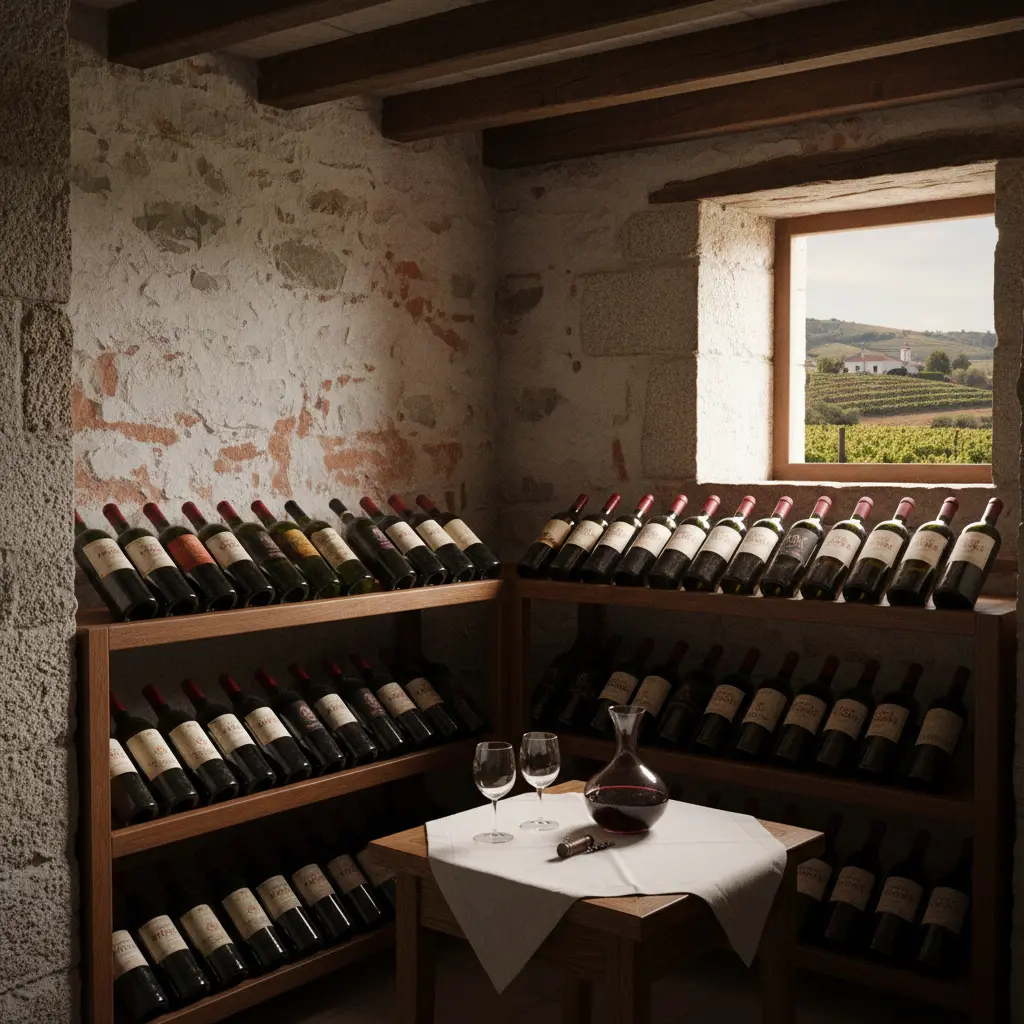
Effective management of your home wine collection extends beyond the initial setup, encompassing ongoing curation and diligent maintenance. Effective management of your home wine collection extends beyond the initial setup, encompassing ongoing curation and diligent maintenance. This involves creating an accurate inventory, strategic bottle rotation, and regular assessment of your storage conditions. A simple digital app, like CellarTracker, or a detailed physical log can help you track each wine's producer, vintage, grape variety (e.g., Pinot Noir from Burgundy), purchase date, and estimated optimal drinking window, along with its precise storage location. Periodically check the temperature and humidity within your storage area, particularly during seasonal transitions, to ensure unwavering stability. For active cellars, routine servicing of the cooling and humidification units is essential. In passive cellars, observe any changes in air circulation or unusual temperature shifts. The goal is to establish a dynamic system that adapts to your evolving collection and environmental nuances, ensuring each bottle reaches its peak enjoyment, whether it is a youthful Sauvignon Blanc or a maturing California Zinfandel. This proactive approach prevents costly mistakes and significantly enhances your overall wine experience. Consider visiting actual wine regions to observe how professional producers manage their cellars and discover their aging philosophies.
Steps for Confident Collection Management:
- Inventory Thoroughly: Maintain a digital or physical log of all wines, detailing producer, vintage, grape, purchase date, and an estimated drinking window.
- Monitor Environment: Regularly check temperature and humidity within your storage area using reliable instruments like a hygrometer and thermometer.
- Organize and Rotate: Arrange bottles logically, perhaps by drinking window or varietal, for easy access. Rotate bottles occasionally if there is any minor light exposure concern in a cabinet.
- Assess Bottles (if visible): For older cork-sealed bottles, briefly inspect for any signs of seepage, low fill levels, or cork deterioration.
- Plan Consumption: Integrate your inventory with meal planning or special occasions to ensure wines are enjoyed at their ideal maturity.
- Maintain Cleanliness: Keep your storage area clean, free from dust, pests, and any strong, lingering odors.
Expand Your Knowledge of Wine Care and Appreciation
Deepening your understanding of wine care and enjoyment is a continuous and rewarding pursuit. Deepening your understanding of wine care and enjoyment is a continuous and rewarding pursuit. Whether you are curious about specific grape varieties, eager to explore distinct wine regions, or searching for the perfect food pairings, a wealth of knowledge awaits. YAS Wine offers extensive resources designed to enhance your appreciation and guide your future wine decisions. From mastering the nuances of various varietals to refining your wine service techniques, these related guides provide practical insights and expert recommendations.
- Mastering Wine Pairing: Learn to artfully match wine with a diverse range of dishes.
- Smart Wine Buying Strategies: Navigate the market to select the best wines for your taste and budget.
- Explore Global Wine Grapes: Discover the unique characteristics of the world's diverse grape varietals.
- Journey Through Wine Countries: Uncover the distinct wines and viticultural traditions of major producing nations.
- Delve into Specific Wine Regions: Explore specific geographical areas and their characteristic terroir-driven wines.
- Essential Care for Wine Bottles: Extend the life of your collection through proper handling and storage.
- Elevate Your Wine Service: Master professional serving techniques for any occasion.
- Hosting Memorable Wine Dinners: Plan and execute exceptional food and wine events at home.