What Makes Certain Wines Perfect for Unwinding?
Wines perfect for unwinding often possess characteristics that promote sensory pleasure and a sense of calm, such as smooth tannins, aromatic complexity, or refreshing acidity. These qualities can transport you, allowing a moment of respite from daily stresses.
The Role of Terroir in Comfort Wines
Terroir plays a crucial role in shaping wines that offer comfort, as the unique combination of soil, climate, and topography imbues grapes with distinct flavors and textures. A wine's sense of place can evoke nostalgia or a feeling of grounding, making it especially soothing.
Why Smoothness and Aroma Matter
Smoothness and aromatic complexity are vital because they contribute significantly to a wine's ability to soothe the senses without overwhelming them. Velvety textures and layered bouquets of fruit, spice, or earthy notes encourage slow, appreciative sipping.
Balance of Flavors for Comfort
A well-balanced wine, where sweetness, acidity, tannins, and alcohol are in harmony, provides a more comforting and less jarring drinking experience. Such wines allow flavors to unfold gracefully, contributing to a sense of calm.
Which Red Wines Offer the Most Comfort?
Full-bodied and medium-bodied red wines with soft tannins and rich, comforting flavors typically offer the most solace and relaxation. These wines often have a warming effect and a depth that encourages contemplation.
Bordeaux Blends for Deep Relaxation
Classic Bordeaux blends, particularly those from the Right Bank with a higher Merlot content, provide deep relaxation through their plush fruit, subtle spice, and velvety mouthfeel. Their structure and complexity allow for a meditative drinking experience.
Pinot Noir: Elegance in Unwinding
Pinot Noir is an exceptional choice for unwinding due to its elegant lightness, bright acidity, and nuanced red fruit and earthy aromas. It offers a less imposing experience than bolder reds, perfect for gentle contemplation without heaviness.
Zinfandel's Zesty Embrace
Zinfandel delivers a zesty, often jammy embrace, making it a comforting choice for those who appreciate bolder fruit flavors and a hint of spice. Its hearty character can feel like a warm hug in a glass, ideal for easing into an evening.
Syrah and Grenache: Bold Yet Soothing
Syrah (Shiraz) and Grenache (Garnacha) wines offer a comforting blend of rich dark fruit, peppery spice, and often a smoky, savory quality that can be both bold and profoundly soothing. These varieties provide warmth and complexity for deep unwinding.
Are White Wines Suitable for Relaxation?
Yes, many white wines are perfectly suitable for relaxation, especially those with balanced acidity, refreshing minerality, or a creamy texture that offers a sense of calm. They can be particularly uplifting and cleansing.
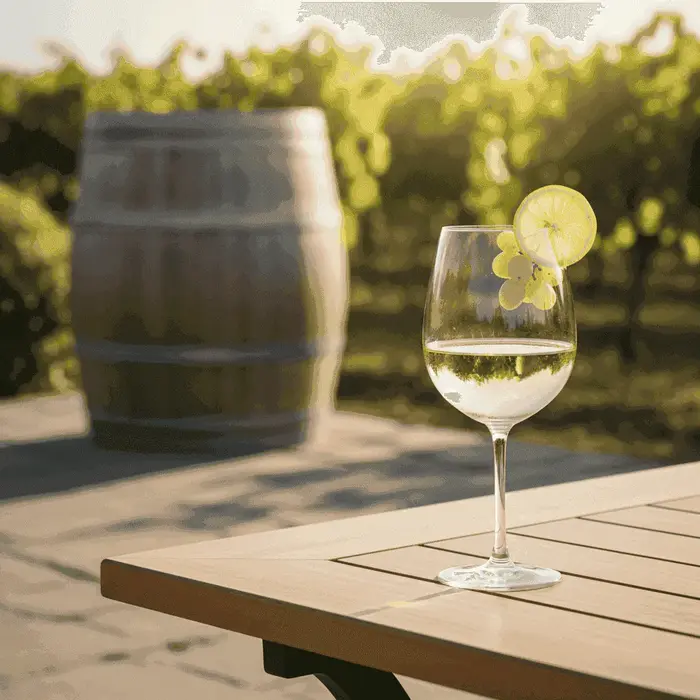
Chardonnay: Oaked vs. Unoaked for Serenity
Both oaked and unoaked Chardonnays can offer serenity, with oaked versions providing a comforting, buttery texture and notes of vanilla, while unoaked varieties present a crisp, pure expression of fruit. The choice depends on your preference for richness or vibrancy.
Sauvignon Blanc: A Refreshing Reset
Sauvignon Blanc offers a refreshing reset with its vibrant acidity and aromatic profile of citrus, green apple, and often herbaceous notes. Its crispness can invigorate the senses, clearing the mind after a long day.
Riesling's Versatile Charm
Riesling showcases a versatile charm, ranging from dry and mineral-driven to sweet and floral, making it an excellent choice for various moods of relaxation. Its bright acidity and aromatic complexity can be incredibly uplifting or gently contemplative.
How Can Sparkling Wines Aid in Recovery?
Sparkling wines can aid in recovery by providing an immediate sense of celebration and lightness, with their effervescence uplifting the mood and refreshing the palate. They offer a festive yet elegant way to decompress.
Champagne's Luxurious Lift
Champagne provides a luxurious lift, transforming an ordinary moment into something special with its fine bubbles and complex flavors. This sense of occasion can be a powerful psychological aid in recovery, making you feel pampered.
Prosecco: Everyday Effervescent Relief
Prosecco offers an everyday effervescent relief with its bright fruit flavors and softer bubbles, making it an accessible and cheerful choice for casual unwinding. It's a delightful way to add a touch of sparkle to any moment of calm.
Cava: Spanish Bubbles for Gentle Recovery
Cava, Spain's traditional method sparkling wine, provides a fantastic alternative with its crisp acidity, notes of green apple, and subtle brioche, offering a sophisticated yet gentle option for recovery. It often presents excellent value for a quality sparkling experience.
Does Food Pairing Enhance the Relaxation Experience?
Yes, thoughtful food pairing significantly enhances the relaxation experience by creating a harmonious sensory journey that satisfies both palate and soul. The right combination can elevate both the wine and the dish, leading to a deeper sense of contentment.
Pairing for Comfort and Ease
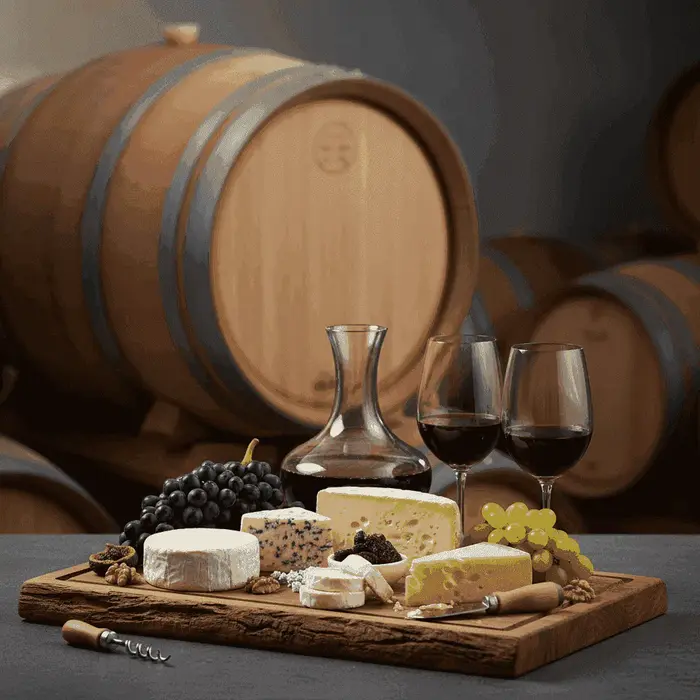
Pairing for comfort and ease involves selecting foods that complement the wine without overpowering it, fostering a gentle, enjoyable experience. Think of simple, savory dishes that require minimal fuss, such as artisanal cheeses or a light charcuterie board, ideal with a good wine starter.
The Art of Cheese and Charcuterie Pairings
The art of pairing wine with cheese and charcuterie involves matching intensities and complementary flavors to create a delightful symphony on the palate. Soft cheeses pair well with lighter wines, while aged cheeses can stand up to bolder reds.
Avoiding Overwhelming Pairings
Avoiding overwhelming pairings ensures that neither the food nor the wine dominates, allowing each to shine and contribute to the overall relaxed mood. Steer clear of excessively spicy or heavy dishes that might clash with delicate wine profiles during a recovery session.
"Wine is not just a drink; it's an experience, a journey through senses that can calm the storm within and bring a gentle peace."
Where Can You Find Wines for Ultimate Comfort?
Wines for ultimate comfort can be found globally, from renowned wine regions to local vineyards, emphasizing quality, character, and often, personal connection. Exploring different sources can uncover hidden gems perfect for your unwinding needs.
Exploring Wineries for Tranquil Finds
Visiting wineries offers a direct path to tranquil finds, allowing you to taste wines in their origin setting and connect with the winemakers' passion. This immersive experience makes the wine taste even more special when you enjoy it at home for relaxation. Consider Italy's premier wineries for an inspiring journey.
Buying Guides for Stress-Free Selection
Utilizing expert buying guides ensures a stress-free selection process, helping you navigate the vast world of wine to find bottles that align with your taste and budget for unwinding. Guides can highlight wines known for their soothing qualities or exceptional value, like those for an aged fine wine.
Local Wine Shops: Personalized Recommendations
Local wine shops often provide invaluable personalized recommendations, as their staff are knowledgeable and can guide you to wines that perfectly suit your preference for comfort and recovery. These shops can introduce you to unique small-batch producers.
What is the Ideal Environment for a Wine Recovery Session?
The ideal environment for a wine recovery session is one that fosters peace, comfort, and minimal distractions, allowing you to fully immerse yourself in the sensory experience of the wine. This typically means a quiet, comfortable space where you can relax undisturbed.
Creating Your Personal Sanctuary
Creating your personal sanctuary involves dimming lights, playing soft music, and ensuring comfortable seating to enhance relaxation during your wine moment. Eliminating digital distractions is also key to truly unplugging.
The Ritual of Wine Service
The ritual of wine service, from selecting the right glass to proper decanting and pouring, elevates the experience and signals a transition into a state of relaxation. Mastering the art of wine service contributes to the overall calming effect.
The Impact of Proper Glassware
Proper glassware significantly impacts the enjoyment of wine, as the shape of the glass can enhance aromas, direct the wine to specific parts of the palate, and ultimately elevate the recovery experience. Using the right glass is an often-overlooked detail.
How Does Mindful Tasting Contribute to Unwinding?
Mindful tasting contributes significantly to unwinding by focusing your attention on the present moment and engaging all your senses, turning a simple drink into a meditative practice. It encourages appreciation and slows down the pace of consumption.
Steps for Mindful Wine Tasting
Engaging in mindful wine tasting involves a systematic approach to fully appreciate its nuances, fostering a deeper connection and greater relaxation.
- Observe: Examine the wine's color and clarity, noting its visual appeal.
- Swirl: Gently swirl the glass to release aromatic compounds, then inhale deeply.
- Smell: Identify primary aromas (fruit, floral), secondary (yeast, oak), and tertiary (age).
- Sip: Take a small sip, letting it coat your palate. Notice sweetness, acidity, tannin, and alcohol.
- Savor: Pay attention to the finish and how the flavors evolve.
- Reflect: Consider your overall impression and how the wine makes you feel.
For more detailed guidance, see our guide on how to wine taste like a sommelier.
Benefits Beyond the Sip
The benefits of mindful tasting extend beyond just appreciating the wine itself, encompassing improved presence, enhanced sensory awareness, and a profound sense of calm and well-being. It transforms drinking into a truly restorative act.
Can Age-Old Vintages Offer Deeper Solace?
Yes, age-old vintages can offer deeper solace through their complex evolution, historical narrative, and the anticipation built around their careful preservation. The journey a wine takes over decades can provide a profound connection to time and tradition.
The Story in Every Bottle
Every aged bottle tells a story, encapsulating years of history, changing climates, and dedicated craftsmanship, which can be incredibly comforting to contemplate. Opening an older vintage is like unlocking a capsule of time, inviting reflection.
Patience and Reward
The patience required to age wine, and the reward of its transformation, mirrors life's own challenges and growth, offering a unique metaphor for recovery and resilience. This anticipation makes the eventual sip even more meaningful.
Discovering Aged Port or Barolo
Exploring aged Port or Barolo can unlock a new dimension of solace, as these wines, with their profound depth and evolutionary complexity, provide a meditative and deeply satisfying experience. Their long cellaring potential yields layers of flavor and aroma that mature beautifully.
What are Common Misconceptions About Wine and Stress Relief?
Common misconceptions about wine and stress relief include the belief that more is always better, or that wine is a universal panacea, when in reality, moderation and mindful consumption are key. Wine should complement, not replace, healthy coping mechanisms.
Moderation is Key
Moderation is absolutely key to experiencing wine's benefits for stress relief without negative consequences, ensuring it remains a pleasurable indulgence. Overconsumption can exacerbate stress and negate any calming effects.
Wine as a Supplement, Not a Solution
Wine should be viewed as a delightful supplement to a balanced lifestyle and not as a primary solution for chronic stress or emotional challenges. It's a tool for enhancing moments of peace, not for masking deeper issues.
Addressing Health Claims Responsibly
Addressing health claims responsibly means understanding that while some studies suggest moderate wine consumption can have benefits, these should not be misinterpreted as a cure-all or justification for excess. Focus on enjoyment and mindful consumption rather than purported health boosts.
Selecting Your Perfect Recovery Wine: A Quick Guide
Selecting your perfect recovery wine involves considering personal preference, the desired mood, and the context of your unwinding session.
| Mood/Goal | Wine Type | Characteristics | Example Grapes |
|---|---|---|---|
| Deep Relaxation | Full-bodied Red | Smooth tannins, rich fruit, warming spices | Merlot, Cabernet Sauvignon, Zinfandel |
| Refreshing Reset | Crisp White | High acidity, bright citrus, mineral notes | Sauvignon Blanc, Pinot Grigio |
| Uplifting Indulgence | Sparkling Wine | Fine bubbles, celebratory feel, vibrant acidity | Champagne, Cava, Prosecco |
| Gentle Contemplation | Medium-bodied Red | Earthy notes, red berries, soft tannins | Pinot Noir, Grenache |
| Comforting Creaminess | Oaked White | Buttery texture, vanilla, stone fruit | Oaked Chardonnay |
Ultimately, the best wine for your recovery is the one that brings you the most joy and tranquility in that particular moment.