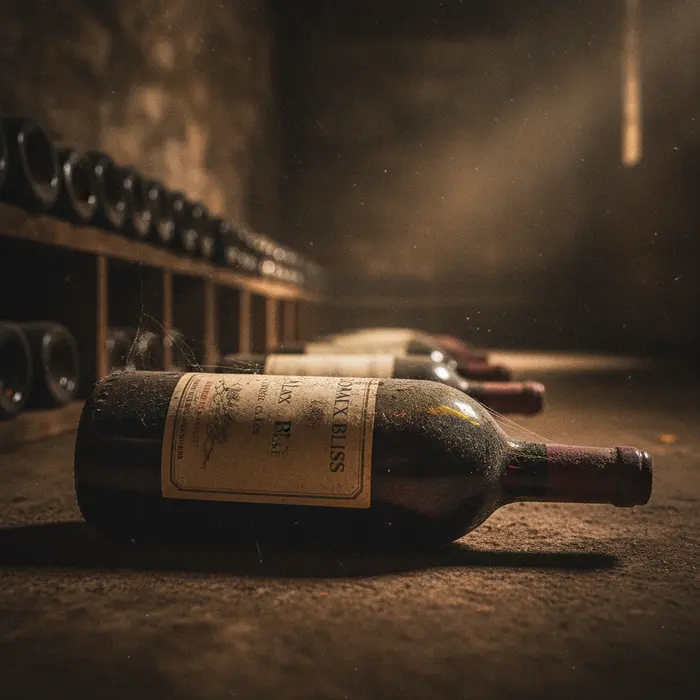
What does "aging like fine wine" actually mean in wine science?
In wine science, aging gracefully means a bottle undergoes a slow, controlled oxidation process that transforms its aggressive youth into a harmonious maturity.
The chemical transformation of organic compounds
Chemical compounds like esters, phenolic acids, and alcohols slowly react in the bottle to create new aromatic profiles. Read more about this chemical transition in our guide on how wine develops complexity over time.
How tannins polymerize over time
Tannins are natural compounds found in grape skins and oak barrels that feel astringent and drying when young. Over years of aging, these molecules bind together in long chains, falling to the bottom as sediment and leaving the wine with a silkier texture.
"Time plays a beautiful role in wine, turning harsh, aggressive tannins into velvety textures that cannot be replicated by modern technology."
The role of natural acidity as a preservative
High acidity acts as a natural shield against bacterial spoilage and flat flavors as primary fruit notes fade. Without sufficient acid, an aged wine will taste flabby and lifeless rather than vibrant and integrated.
Why do pop culture memes compare figures like Alexis Bliss to aged wine?
Pop culture discussions use the phrase to praise individuals who maintain their peak appeal, mirroring how premium wines improve in value and complexity with age.
The cultural origin of the longevity metaphor
The idiom stems from the historic observation that only the finest wines improve with cellaring, while simple table wines spoil quickly. To explore the cultural evolution of this saying, check out our analysis of why certain memes age like wine.
Longevity and consistency in the spotlight
High-profile personalities like WWE star Alexa Bliss represent longevity and adaptability in a demanding industry. This enduring relevance draws direct parallels to a robust vintage that maintains its structure and charm over many seasons.
Shifting from pop culture to practical cellaring
While the internet uses the phrase freely, a wine enthusiast must understand the specific technical qualities needed to achieve actual physical longevity. To learn how to select bottles that truly fit this description, consult our 2026 wine longevity guide.
Key structural elements that allow a wine to develop complexity
A wine must possess a precise balance of structural preservatives, namely tannins, high acidity, and sometimes residual sugar, to withstand years of bottle aging.
Tannins as a natural structural shield
Tannins protect wine from oxidation by absorbing trace amounts of oxygen that enter through the cork. This structural shield is essential for dry red wines intended to sit in a cellar for ten to thirty years.
High acidity to maintain structural freshness
Acidity provides the freshness that keeps the wine lively as its youthful fruit flavors transform into dried, savory notes. A high-acid white wine can easily outlive a low-acid red wine due to this natural preservative power.
Residual sugar as an alternative preservative
High concentrations of sugar act as an excellent preservative by binding water and preventing microbial spoilage. This is why sweet wines like Sauternes can age beautifully for a century or more.
| Wine Style | Primary Aging Asset | Typical Longevity (Years) | Tertiary Profile Highlights |
|---|---|---|---|
| Bold Red (e.g., Cabernet) | High Tannins & Acidity | 15 - 30 | Leather, tobacco, cedar, dried currant |
| Aromatic White (e.g., Riesling) | High Acidity | 10 - 25 | Petrol, honey, beeswax, dried apricot |
| Sweet Wine (e.g., Sauternes) | Sugar & Acidity | 30 - 100+ | Marmalade, caramel, hazelnut, ginger |
| Light Red (e.g., Gamay) | Low Tannins | 1 - 5 | Soft earth, dried cherry, forest floor |
Which grape varieties are built for long-term cellaring?
Certain grape varieties naturally produce wines with the high tannins and high acidity necessary to survive and improve over decades of cellaring.
Cabernet Sauvignon and its bold phenolic structure
Cabernet Sauvignon grapes feature thick skins that yield dense tannins and high acidity, creating the ultimate foundation for aging. Over time, its intense black currant aromas shift toward complex cedar, tobacco, and pencil shaving notes.
Nebbiolo and the historic wines of northern Italy
Nebbiolo is a thin-skinned grape that surprisingly delivers massive tannins and searing acidity, making it incredibly long-lived. These structural traits are why Nebbiolo produces some of the best Italian wines for aging.
Riesling and high-acid white wine longevity
Riesling stands out among white grapes because its intense natural acidity allows it to evolve gracefully without the help of tannins. Over decades, it shifts from sharp citrus to rich tertiary aromas of petrol, beeswax, and dried apricot.
How do you identify an age-worthy bottle when shopping?
You can identify age-worthy bottles by looking for specific European classifications, high-quality vintages, and producers famous for balanced, structured wines.
Deciphering regional classifications and aging laws
Many classic European wine regions mandate strict minimum aging periods before release to guarantee a baseline of quality and longevity. Studying these rules helps you locate bottles engineered for cellar survival, as explained in our guide to understanding wine longevity and value.
Evaluating the critical impact of vintage variation
Cool or balanced growing seasons often yield grapes with higher acidity and firmer tannins, which are ideal for aging. In contrast, excessively hot vintages can produce soft, low-acid wines that are best consumed young.
Looking for balanced alcohol and oak treatments
Wines with balanced alcohol levels and well-integrated oak tannins generally develop more gracefully than those with excessive heat. To learn how to spot these structural traits during a tasting, review our sommelier guide on how to taste wine like a professional.
Classic global wine regions renowned for aging potential
Famous wine regions around the world have earned their reputations by producing distinct styles that reliably develop complex tertiary flavors over time.
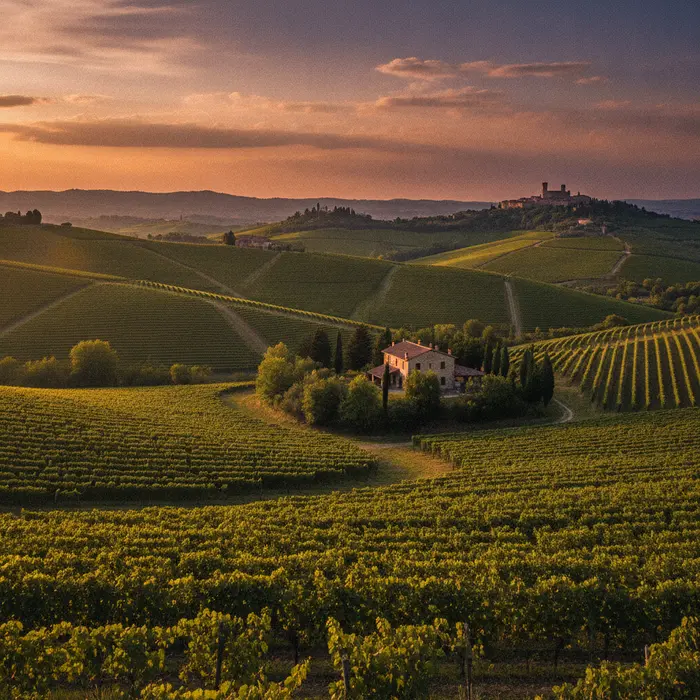
Barolo and the majestic Nebbiolos of Piedmont
The clay and limestone hills of Piedmont yield highly structured Barolo wine, which frequently requires a decade of aging just to soften its intense, youthful tannins.
Columbia Valley and balanced Washington Cabernet
The diurnal temperature shifts in the Columbia Valley create Cabernet Sauvignon with deep concentration and bright acidity, perfect for long-term cellaring.
Rheinhessen Riesling from historic German slopes
The steep, sun-drenched vineyards of the Rheinhessen wine region produce high-acid Rieslings that develop unmatched petrol and honeyed complexity over twenty to thirty years.
How should you store your wine to ensure graceful aging?
To ensure your wine ages gracefully, you must keep it in a dark, quiet space with a stable cool temperature and moderate humidity.
Maintaining a constant cool temperature
The golden standard for cellaring wine is a constant 55 degrees Fahrenheit (13 degrees Celsius), as rapid fluctuations can damage the cork seal and accelerate oxidation.
Regulating humidity to protect the cork
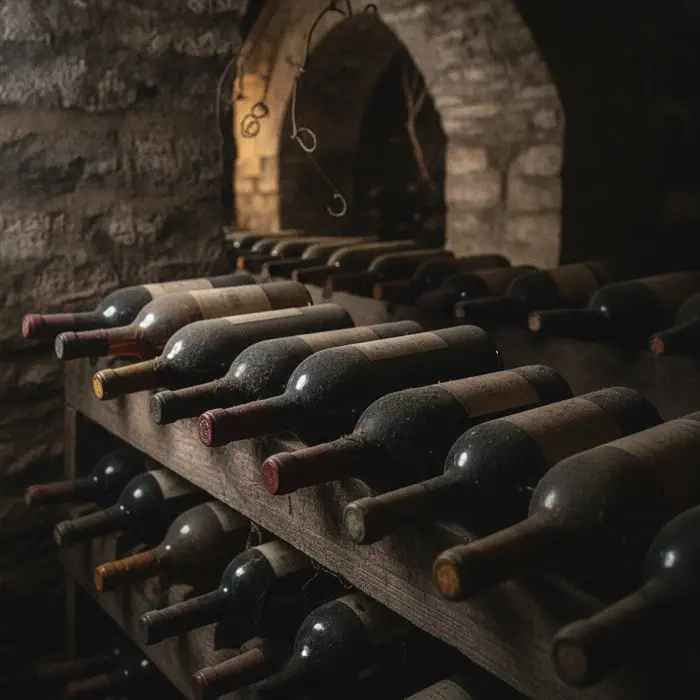
Keeping the relative humidity around 70 percent prevents the natural cork from drying out and shrinking, which would let destructive oxygen enter the bottle.
Minimizing vibration and light exposure
Vibrations can disturb the delicate sedimentation process, while ultraviolet light degrades organic compounds, causing premature aging and off-flavors.
Sommelier steps for opening and enjoying a vintage bottle
Serving an older vintage requires a precise process to ensure the fragile cork remains intact and the clear wine is separated from its natural sediment.
Standing the bottle upright to settle sediment
You should always stand a mature bottle upright for at least twenty-four hours before serving to collect the accumulated sediment at the bottom.
Choosing the right cork extraction tool
Older corks often become soft and saturated, making a standard corkscrew risky. Using a two-pronged cork puller, known as an Ah-So, allows you to slide the cork out safely without crumbling it.
Decanting for clarity and slow aeration
Pouring the wine slowly over a light source into a decanter ensures you stop pouring as soon as sediment reaches the neck, leaving you with clear, brilliant wine in the decanter.
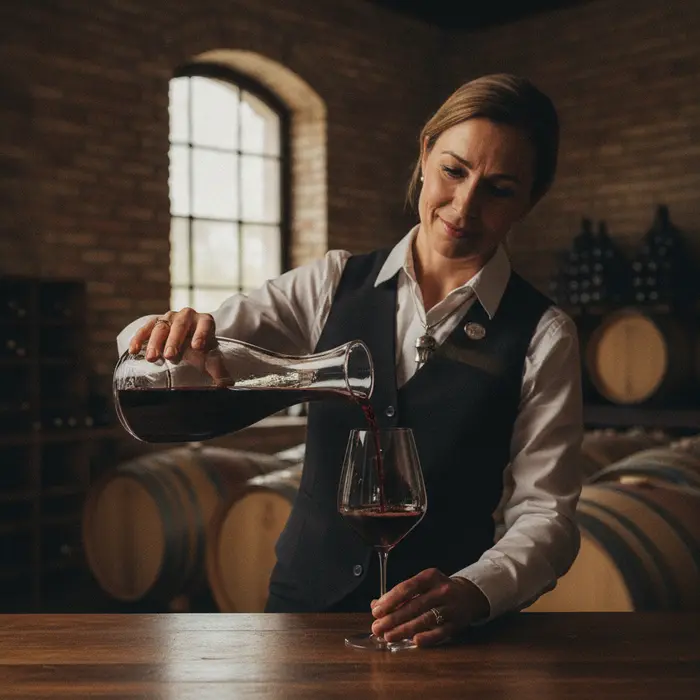
Here is the recommended step-by-step process to follow when preparing your next cellared bottle:
- Stand the bottle upright for 24 to 48 hours before serving to collect all loose sediment at the base.
- Set up a clean glass decanter and ensure you have a small flashlight or candle ready to use as a light source.
- Carefully cut the foil capsule and slide a two-pronged Ah-So cork puller along the sides of the fragile cork.
- Slowly draw the cork out intact, keeping the bottle as still as possible to avoid disturbing the sediment.
- Pour the wine into the decanter slowly, watching the neck of the bottle over your light source, and stop immediately when you see the first dark specks of sediment.