Rheinhessen is Germany's largest wine region, renowned for its diverse landscapes, innovative winemakers, and a significant production of quality Riesling and Müller-Thurgau. This historic area along the Rhine River offers a fascinating blend of tradition and modernity, continually evolving its viticultural practices to produce exceptional wines for the global market.
What is Rheinhessen's Historical Significance in German Wine?
Rheinhessen holds a profound historical significance, being one of Germany's oldest cultivated wine regions with viticulture dating back to Roman times. Its fertile soils and strategic location along the Rhine have made it a cornerstone of German winemaking for centuries, though its reputation has transformed significantly.
The Evolution of Rheinhessen Wine History
Historically, Rheinhessen was associated with mass-produced, sweeter wines like Liebfraumilch, but it has undergone a dramatic quality revolution since the late 20th century. Modern winemakers focus on dry, terroir-driven wines, bringing renewed prestige to the region.
Current Status and Future Outlook for Rheinhessen
Today, Rheinhessen is a dynamic region celebrated for its pioneering winemakers, sustainable practices, and a strong emphasis on quality-focused viticulture. The future sees continued innovation, with a focus on organic farming and expressing the unique characteristics of its diverse terroirs, ensuring its place among Germany's premier wine regions.
Which Grape Varieties Define Rheinhessen's Wines?
Riesling is the undisputed king of Rheinhessen, followed by Müller-Thurgau and Silvaner, though a wide array of white and red grapes contribute to the region's diverse portfolio. These varieties thrive in Rheinhessen's varied soils and microclimates, producing wines ranging from crisp and dry to lusciously sweet.
Riesling: The Crown Jewel of Rheinhessen
Rheinhessen Riesling offers a spectrum of styles, from bone-dry (trocken) with vibrant acidity and mineral notes to elegant, off-dry (feinherb) and intensely sweet (Beerenauslese and Trockenbeerenauslese) expressions. Its versatility makes it a favorite among wine lovers and an excellent pairing for a wide range of dishes, from light appetizers to robust meals. For more on specific food pairings, consult our Best Wine Pairing Guide 2026.
Müller-Thurgau and Silvaner: Essential White Grapes
Müller-Thurgau contributes easy-drinking, aromatic wines with floral and fruity notes, while Silvaner provides a more earthy, full-bodied character with herbal and mineral undertones. Both grapes are vital to Rheinhessen's identity, offering approachable and food-friendly options.
Red Grapes: Spätburgunder and Dornfelder
Spätburgunder (Pinot Noir) from Rheinhessen produces elegant, often fruit-driven red wines with subtle spice and cherry notes, while Dornfelder offers deeper color, fuller body, and a more robust, dark berry profile. These reds demonstrate the region's capability beyond white wines, pairing wonderfully with heavier dishes like beef stew.
How Does Rheinhessen's Unique Terroir Influence its Wines?
Rheinhessen's terroir, characterized by a mix of loess, red slate, and limestone soils, combined with a mild, dry climate and protection from surrounding hills, creates ideal conditions for viticulture. This unique combination imparts distinct characteristics to the wines, contributing to their complexity and individuality.
The "Roter Hang" - A Special Microclimate
The "Roter Hang" (Red Slope) near Nierstein is a renowned geological formation of red slate, creating a unique microclimate that produces some of Rheinhessen's most esteemed, mineral-driven Rieslings. Its south-east facing slopes and heat-retaining soils are perfect for cultivating grapes of exceptional quality.
Impact of Loess and Limestone Soils
Loess and limestone soils across Rheinhessen provide excellent drainage and nutrient richness, resulting in wines with pronounced fruit character, balanced acidity, and a distinct minerality. These soil types are crucial for the development of both white and red grape varieties.
What are the Key Wine Regions and Appellations within Rheinhessen?
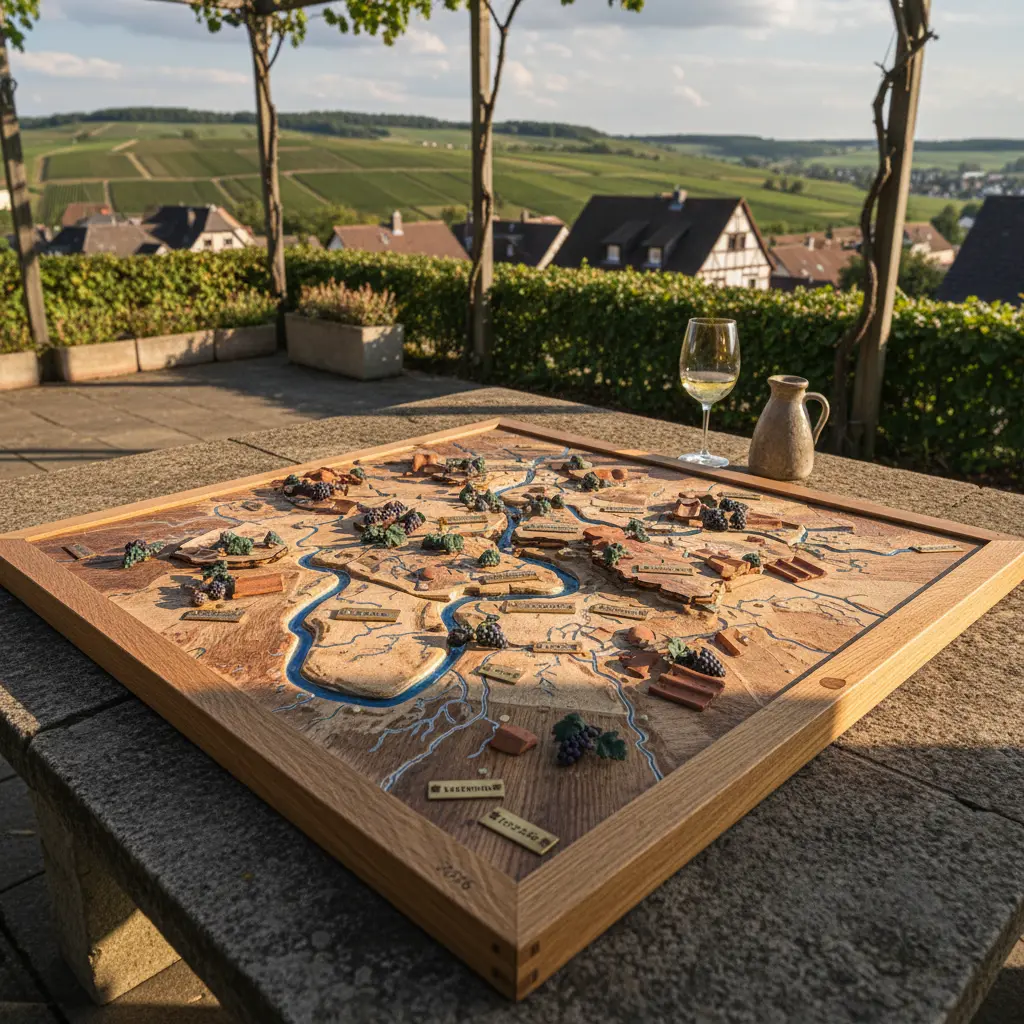
Rheinhessen is divided into three main districts (Bereiche) - Nierstein, Bingen, and Wonnegau - each with distinct characteristics and producing a variety of acclaimed wines. Within these districts, numerous individual vineyard sites (Einzellagen) are recognized for their exceptional quality.
The Nierstein Bereich: Home of the Roter Hang
The Nierstein district, particularly famous for the Roter Hang, is renowned for its powerful, elegant, and mineral-rich Rieslings. Its proximity to the Rhine River also plays a significant role in moderating temperatures and reflecting sunlight.
Bingen and Wonnegau: Diverse Terroirs
The Bingen district offers a cooler climate and more slate-heavy soils, yielding elegant Rieslings and a strong focus on Spätburgunder, while Wonnegau, in the south, features deeper loess and limestone soils ideal for richer white wines and expressive reds. These areas provide significant stylistic diversity within the region.
How Has Rheinhessen Embraced Modern Winemaking and Sustainability?
Rheinhessen has been at the forefront of modern winemaking, adopting sustainable, organic, and biodynamic practices to ensure environmental health and produce wines of greater purity and expression. This commitment reflects a global shift towards responsible viticulture.
Rise of Organic and Biodynamic Viticulture
Many Rheinhessen wineries have transitioned to organic and biodynamic farming, minimizing chemical intervention and fostering healthier vineyards and more resilient vines. This approach not only protects the environment but also enhances the natural characteristics of the grapes.
Technological Innovations in the Cellar
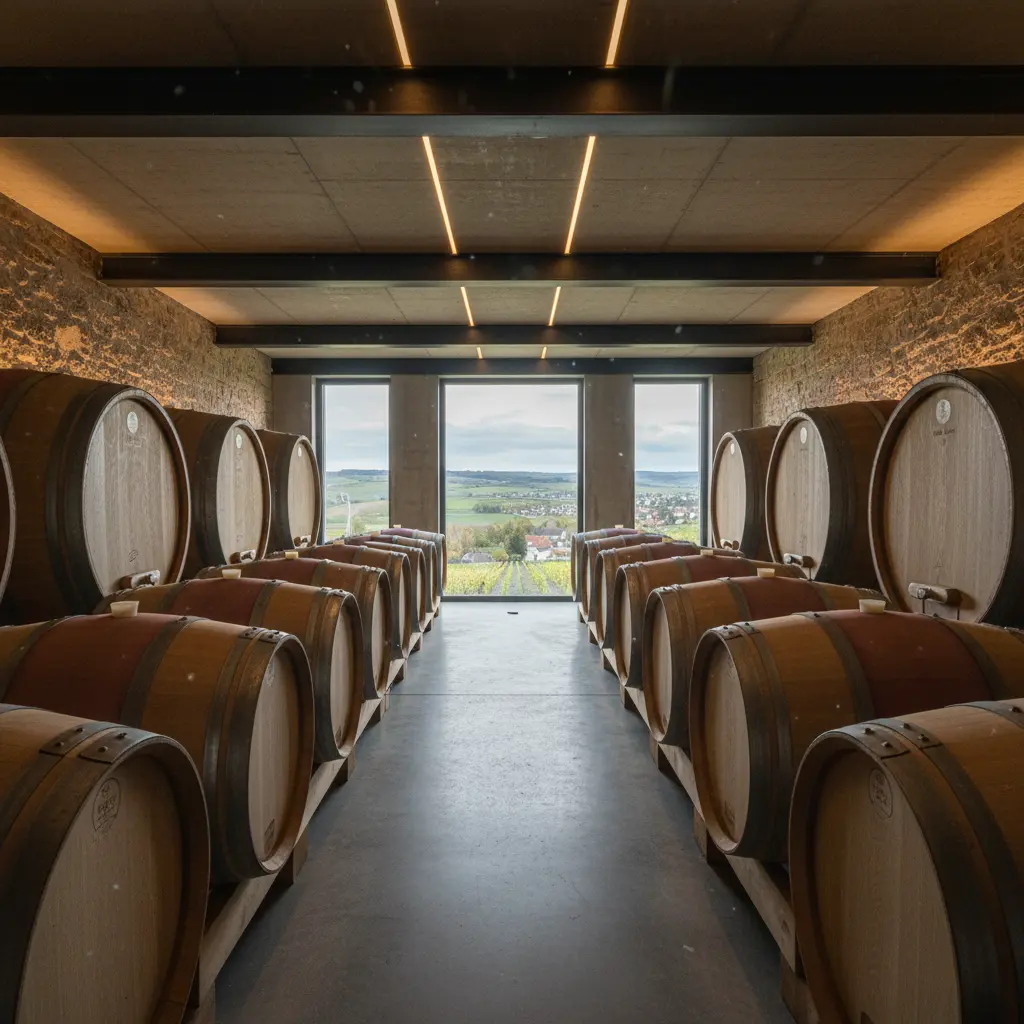
Winemakers in Rheinhessen leverage modern cellar technology, from precise temperature control during fermentation to gentle pressing techniques, to preserve fruit purity and maximize wine quality. These innovations complement traditional methods, allowing for greater control and refinement in winemaking.
What Can Visitors Experience on a Rheinhessen Wine Tour?
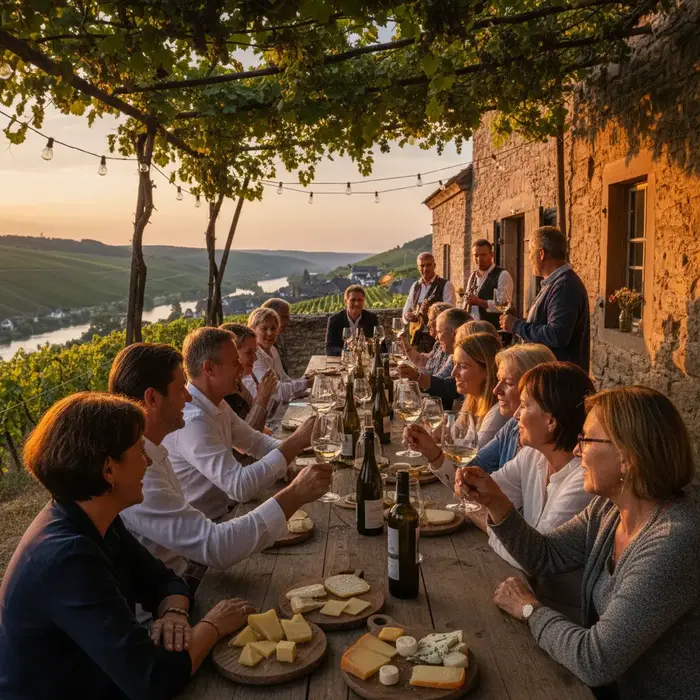
A visit to Rheinhessen offers a rich experience, from exploring historic villages and scenic vineyards to participating in wine festivals and tasting directly at top wineries. The region provides a perfect blend of cultural immersion and wine exploration.
Exploring the Rheinhessen Wine Route
The Rheinhessen Wine Route (Rheinhessische Weinstrasse) guides visitors through picturesque landscapes, charming wine villages, and numerous wineries offering tastings and cellar tours. It's an ideal way to discover the region's diverse offerings at a leisurely pace.
Must-Visit Towns and Attractions
Mainz, with its Roman heritage and vibrant wine bars, and Eltville, known for its picturesque old town, are essential stops for any visitor to Rheinhessen. Many small villages also host traditional "Strausswirtschaften" (seasonal wine taverns) for authentic local experiences. For tips on enhancing your overall wine service experience, consider our guide on How to Master Wine Service.
What are the Best Food Pairings for Rheinhessen Wines?
Rheinhessen wines, particularly its Rieslings, are incredibly versatile, pairing beautifully with a wide range of cuisines from traditional German fare to international dishes and modern fusion. The key is matching the wine's sweetness and acidity to the food's richness and flavor profile.
Classic Pairings with Dry Riesling and Silvaner
Dry Rieslings excel with seafood, poultry, light salads, and classic German dishes like Schnitzel or Spargel (white asparagus). For an optimal tasting experience, serving these wines in appropriate wine glasses can significantly enhance their aromatic profile. Silvaner, with its more earthy notes, complements heartier fish dishes, pork, and potato-based meals.
Sweet Wines and Dessert Pairings
Rheinhessen's sweet wines, such as Auslese or Beerenauslese, are perfect partners for fruit tarts, crème brûlée, blue cheeses, or can be enjoyed on their own as a luxurious dessert. The vibrant acidity in these wines balances their sweetness, preventing them from being cloying.
How Does Rheinhessen Compare to Other German Wine Regions?
Rheinhessen distinguishes itself from other German wine regions through its sheer size, diverse grape cultivation, and a strong emphasis on modern, quality-driven winemaking across a broad range of styles. While regions like Mosel focus intensely on Riesling from steep slopes, Rheinhessen offers a wider viticultural landscape.
Rheinhessen vs. Mosel: A Tale of Two Rieslings
While both regions produce exceptional Riesling, Mosel is famous for its lighter, lower-alcohol, slate-driven Rieslings from incredibly steep slopes, often with a delicate sweetness. Rheinhessen Rieslings, especially from areas like the Roter Hang, tend to be fuller-bodied, more powerful, and can be very dry, reflecting their different terroirs and winemaking philosophies. A similar exploration can be seen in French regions like Bourgogne with its focus on Pinot Noir and Chardonnay.
Diversity Compared to Baden and Pfalz
Compared to Baden, which emphasizes Spätburgunder, and Pfalz, known for its warmer climate and diverse varietals, Rheinhessen stands out for its balanced portfolio of white and red wines and its rapid embrace of innovation. This diversity makes Rheinhessen a comprehensive representation of modern German wine.
Are There Specific Wineries to Seek Out in Rheinhessen?
Yes, Rheinhessen is home to numerous acclaimed wineries, ranging from historic estates with centuries of tradition to innovative young producers pushing the boundaries of winemaking. Many are family-run and offer direct tastings.
"The true beauty of Rheinhessen lies in its ability to marry tradition with innovation, producing wines that speak both of their ancient soils and the vibrant spirit of our modern winemakers."
Notable Estates for Riesling Excellence
Wineries like Weingut Wittmann, Kühling-Gillot, and Gunderloch are consistently lauded for their outstanding Rieslings, particularly from grand cru (Grosse Lage) vineyards. These estates exemplify the region's commitment to quality and terroir expression.
Pioneering Wineries in Organic and Biodynamic Farming
Producers such as Weingut Keller, who craft some of Germany's most sought-after dry Rieslings, and Battenfeld-Spanier, are leaders in organic and biodynamic viticulture, demonstrating how sustainable practices lead to exceptional wines. Their dedication sets a benchmark for the entire region.
Planning Your Visit to Rheinhessen's Wineries
Planning a visit to Rheinhessen's wineries involves selecting specific estates, booking tasting appointments, and considering local accommodation and dining options. Many wineries offer guided tours and comprehensive tasting experiences.
- Research and Select Wineries: Identify wineries based on your preferred style (e.g., dry Riesling, red wines, organic focus). Check their websites for opening hours and whether appointments are required.
- Book Your Tastings: Especially for smaller or highly acclaimed estates, booking tasting appointments in advance is highly recommended to ensure availability and a personalized experience.
- Consider Transportation: While some areas are walkable, having a car allows greater flexibility to explore various villages and vineyards. Alternatively, guided tours or local taxis can be arranged.
- Arrange Accommodation: Rheinhessen offers a range of options, from charming guesthouses (Weingüter mit Gästezimmer) to hotels in larger towns like Mainz or Worms.
- Explore Local Cuisine: Don't miss out on local restaurants and 'Strausswirtschaften' to pair Rheinhessen wines with regional specialties.
Table: Key Rheinhessen Grape Varieties and Characteristics
| Grape Variety | Primary Style | Typical Flavors | Key Characteristics |
|---|---|---|---|
| Riesling | Dry to Sweet | Green apple, citrus, peach, slate, petrol (aged) | High acidity, versatile, excellent aging potential |
| Müller-Thurgau | Dry, Off-dry | Nutmeg, floral, pear, light citrus | Early ripening, approachable, easy-drinking |
| Silvaner | Dry | Earthy, herbal, pear, often mineral-driven | Medium body, good with food, reflective of terroir |
| Spätburgunder (Pinot Noir) | Dry Red | Cherry, raspberry, forest floor, subtle spice | Elegant, light to medium body, fine tannins |
| Dornfelder | Dry Red | Dark berries, plum, often hints of chocolate | Deep color, fuller body, robust fruit |
What are the Challenges and Innovations Facing Rheinhessen?
Rheinhessen faces challenges such as climate change and market competition but responds with innovative viticultural techniques, new grape varieties, and a strong focus on exporting its quality wines. Adaptability and forward-thinking strategies define the region's approach.
Adapting to Climate Change
Winemakers are implementing strategies to mitigate climate change effects, including planting drought-resistant rootstocks, adjusting canopy management, and experimenting with later-ripening grape varieties. This ensures the long-term sustainability of the vineyards.
Market Trends and Export Growth
Rheinhessen is actively tapping into global markets, particularly for its dry Rieslings and organic wines, with a strong focus on education and promoting the region's high-quality image. The shift from bulk production to premium wines has been key to its export success.