Is Buying a Winery in Italy a Good Investment in 2026?
Yes, for the right investor, purchasing a winery in Italy can be an excellent long-term investment in 2026, offering both financial returns and a unique lifestyle. Italy's global reputation for quality wine continues to drive demand, making well-managed estates attractive.
Market Outlook and Growth Trends
The Italian wine market remains robust, with strong export growth, especially in premium segments. Global appreciation for Italian varietals and appellations like Chianti, Barolo, and Prosecco underpins a stable, if competitive, market. Investors are increasingly looking at sustainable and organic operations.
Key Benefits of Ownership
Ownership offers significant benefits, including access to established brands, a prestigious lifestyle, and potential for capital appreciation. Beyond the financial returns from wine production and sales, many wineries also offer agriturismo (farm stay tourism) potential, diversifying income streams.
Potential Challenges and Risks
Potential challenges include high initial investment costs, complex bureaucracy, and the need for agricultural expertise. Fluctuations in climate, market competition, and the intricacies of Italian labor laws also present risks that require careful management.

What Are the Legal Requirements for Foreign Buyers?
Foreign buyers face specific legal requirements, primarily related to property ownership, corporate structure, and taxation, which necessitate expert legal counsel. Italy welcomes foreign investment, but adherence to local laws is paramount.
Residency and Visa Considerations
While direct property ownership doesn't always require residency, managing a business typically necessitates appropriate visas and permits. Non-EU citizens may need to apply for an investor visa or an elective residency visa, depending on their level of involvement in the winery's operations.
Corporate Structures and Ownership Types
Common corporate structures for foreign investors include S.r.l. (limited liability company) or S.p.A. (joint-stock company), or even direct personal ownership. The choice depends on the scale of investment, tax implications, and personal liability preferences. It's crucial to understand the nuances of each to avoid future complications.
Italian Tax Implications for Wineries
Italian wineries are subject to various taxes, including corporate income tax (IRES), regional production tax (IRAP), and VAT (IVA) on sales. Property taxes (IMU) and specific agricultural taxes also apply. Engaging a local tax advisor is essential to navigate these complexities and optimize fiscal efficiency.
Which Italian Regions Offer the Best Winery Investment Opportunities?
Italy boasts diverse regions, each offering unique investment opportunities based on terroir, grape varieties, and market recognition. The 'best' region depends on an investor's goals, whether seeking prestige, emerging growth, or a specific lifestyle.
Tuscany: The Classic Choice
Tuscany remains a prime location, renowned for its Chianti, Brunello di Montalcino, and Vino Nobile di Montepulciano. It offers established markets, strong brand recognition, and a beautiful landscape, though prices can be higher. It's an ideal choice for those seeking a prestigious estate with tourism potential.
Piedmont: Barolo and Barbaresco Estates
Piedmont is celebrated for its Nebbiolo-based Barolo and Barbaresco wines, known for their aging potential and high value. The region offers serious investment opportunities for those focused on high-end, collectible wines, often requiring deep viticultural knowledge.
Veneto: Prosecco and Valpolicella
Veneto offers dynamic investment prospects, particularly in areas producing Prosecco and Valpolicella wines. The booming global demand for Prosecco, made primarily from the Glera grape, ensures consistent sales. This region is excellent for investors seeking high volume and accessible markets. Understanding the characteristics of the Glera grape is key to maximizing Prosecco production.
Southern Italy: Emerging Regions (e.g., Puglia, Sicily)
Southern Italy, including Puglia and Sicily, presents exciting emerging opportunities with lower entry costs and a focus on indigenous varieties. These regions are gaining international recognition for quality wines and offer significant growth potential as production techniques improve and global markets discover their unique offerings.
| Region | Key Wines | Typical Price Range (€) | Market Focus |
|---|---|---|---|
| Tuscany | Chianti, Brunello, Vino Nobile | 2M - 20M+ | Prestige, Tourism, Fine Wine |
| Piedmont | Barolo, Barbaresco | 3M - 30M+ | High-End, Collectible Wine |
| Veneto | Prosecco, Valpolicella, Amarone | 1M - 15M | Volume, Sparkling, Accessible Fine Wine |
| Sicily | Nero d'Avola, Etna Rosso | 500K - 8M | Emerging, Value, Indigenous |
| Puglia | Primitivo, Negroamaro | 400K - 7M | Emerging, Value, Volume |
How Do I Find a Winery for Sale in Italy?
Finding a suitable winery for sale in Italy typically involves a combination of specialized real estate agents, online platforms, and discreet networking. The market can be opaque, so persistence and professional guidance are vital.
Reputable Real Estate Agencies Specializing in Wineries
Specialized real estate agencies are often the best resource, offering access to exclusive listings and expertise in agricultural properties. They understand the unique valuation metrics of vineyards, cellars, and brand equity, and can guide foreign buyers through the initial stages.
Online Portals and Industry Networks
Major property portals and industry-specific websites can list wineries, though often for a broader audience. Professional networks within the Italian wine industry, including enologists and consultants, can also provide valuable leads for off-market opportunities.
Direct Approach and Discreet Listings
Some of the most desirable wineries are sold discreetly, often through word-of-mouth or direct approaches. Building relationships with local experts and brokers can uncover these 'unlisted' gems, though this requires patience and deep market immersion.
What is the Typical Process for Buying an Italian Winery?
The typical process for buying an Italian winery involves several distinct stages, from initial research to closing and post-acquisition integration. This multi-step journey requires careful planning and professional assistance.
- Define Your Investment Goals: Clearly establish your budget, desired region, wine style, and level of involvement. Consider whether you want an operational winery or land for development.
- Engage Experts: Hire a specialized real estate agent, an Italian lawyer, and a tax consultant with experience in agricultural properties and foreign investment.
- Property Search and Selection: Review listings, visit potential properties, and conduct initial assessments of the vineyard, facilities, and brand.
- Submit a Letter of Intent (LOI): Once a property is identified, submit a non-binding LOI outlining the proposed terms of purchase.
- Due Diligence: Conduct thorough legal, financial, agricultural, and environmental due diligence. This includes reviewing land registries, permits, financial statements, and vineyard health. For a region like Veneto, understanding the specific cultivation of the Glera grape and its impact on Prosecco production is essential.
- Negotiation and Preliminary Agreement (Compromesso): Negotiate the final price and terms, then sign a preliminary sales agreement, which is legally binding and often involves a deposit.
- Obtain Financing: Secure necessary financing from banks or other sources, if not already pre-approved.
- Final Deed (Rogito): Sign the final deed of sale before a Notary Public, who ensures legal compliance and registers the transfer of ownership.
- Post-Acquisition Integration: Manage the transition, including staff, operations, marketing, and distribution. Consider opportunities to improve efficiency or expand product lines, potentially enhancing the market reach of wines made from grapes like the Glera grape.
What Financing Options are Available for Winery Acquisitions?
Several financing options exist for winery acquisitions in Italy, ranging from traditional bank loans to private equity and seller financing. The choice often depends on the investor's financial profile and the specific deal structure.
Traditional Bank Loans
Italian and international banks offer traditional mortgage loans for property and business acquisitions. Securing these often requires a robust business plan, substantial collateral, and a clear understanding of the winery's profitability. Foreign investors may find it easier to work with international banks that have Italian branches.
Private Equity and Investment Funds
Private equity firms and specialized agricultural investment funds are increasingly interested in the Italian wine sector. These options can provide significant capital but often come with more stringent conditions, including equity stakes and performance targets.
Seller Financing and Partnerships
Seller financing, where the current owner provides a loan for a portion of the purchase price, can be an attractive option, particularly for smaller estates. Forming partnerships with experienced local operators can also reduce upfront capital requirements and provide invaluable operational expertise.
“To buy a winery is not merely to acquire land and vines; it is to inherit a legacy, embrace a culture, and commit to a future intertwined with the rhythm of the seasons and the soul of the soil.”
What Due Diligence is Crucial When Acquiring an Italian Winery?
Thorough due diligence is paramount to uncover potential liabilities and accurately assess the winery's true value and operational viability. This involves a multifaceted investigation covering legal, financial, agricultural, and commercial aspects.
Vineyard Health and Grape Varieties
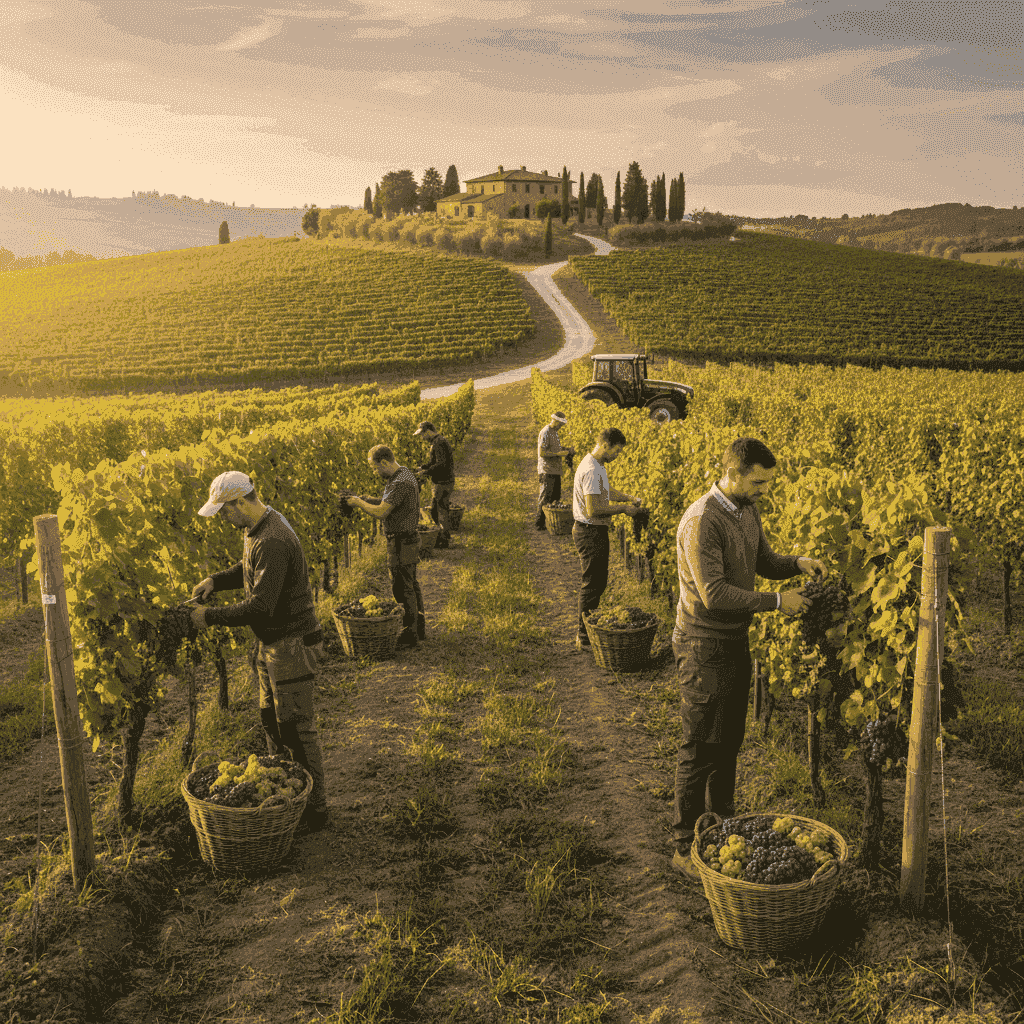
Assessing vineyard health includes evaluating soil quality, vine age, pruning practices, and overall yield potential. Understanding the specific grape varieties planted, their clones, and their suitability for the terroir is critical. For regions known for specific grapes, like the Glera grape in Veneto, this assessment is highly specialized.
Production Facilities and Equipment
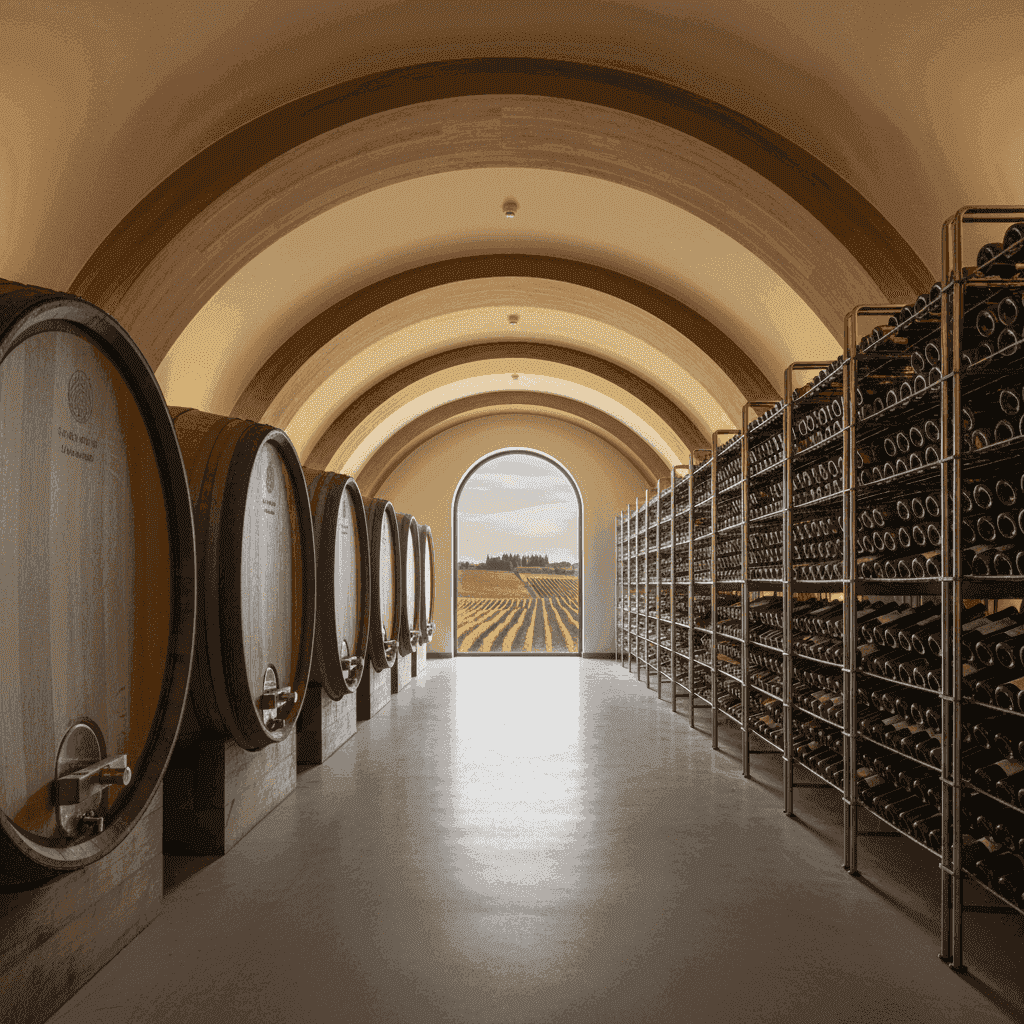
Detailed inspection of the winery's production facilities, including cellars, fermentation tanks, bottling lines, and storage, is essential. Verify the condition, age, and capacity of all equipment, ensuring it meets current standards and potential growth plans.
Brand Reputation and Market Reach
Evaluate the winery's brand reputation, distribution channels, and market penetration, both domestically and internationally. This includes reviewing existing sales data, marketing materials, and any intellectual property rights associated with the brand.
Existing Contracts and Workforce
Scrutinize all existing contracts, including supplier agreements, distribution deals, and employment contracts. Understand the composition of the workforce, their skills, and any potential labor issues. Italian labor laws can be complex, so expert review is non-negotiable.
What are the Ongoing Costs and Management Considerations?
Ongoing costs and effective management are crucial for a winery's long-term success, encompassing everything from vineyard maintenance to marketing and compliance. A realistic assessment of these factors is vital before purchase.
Operational Expenses
Operational expenses include vineyard management (pruning, spraying, harvesting), cellar costs (winemaking, aging), and administrative overheads. Energy costs, water usage, and insurance are also significant ongoing expenses that must be factored into the annual budget.
Marketing and Distribution
Effective marketing and a robust distribution network are essential for selling wine in competitive markets. This includes brand development, online presence, participation in trade fairs, and managing relationships with distributors, importers, and retailers. Investing in these areas directly impacts sales and profitability.
Legal and Regulatory Compliance
Wineries must comply with extensive Italian and EU regulations regarding production, labeling, health, and safety. This includes appellation rules (DOC, DOCG), organic certifications, and environmental protection laws. Staying compliant requires continuous monitoring and expert advice.
What are common pitfalls to avoid when buying a winery in Italy?
Avoiding common pitfalls requires meticulous planning, expert advice, and a clear understanding of the complexities inherent in Italian winery acquisitions. Many issues stem from underestimating local nuances.
Underestimating Bureaucracy
Italian bureaucracy can be notoriously slow and complex, leading to delays and unexpected costs if not properly managed. Engaging experienced local lawyers and consultants from the outset is vital to navigate permits, registrations, and legal processes efficiently.
Overlooking Agricultural Expertise
Successful wine production demands profound agricultural expertise, which often goes beyond business acumen. Buyers without viticultural backgrounds should either hire a skilled agronomist and winemaker or consider a partnership with existing management to ensure the quality and health of the vineyards.
Neglecting Cultural Integration
Neglecting cultural integration can lead to significant operational challenges and staff dissatisfaction. Understanding and respecting local traditions, customs, and communication styles is crucial for building strong relationships with employees, suppliers, and the local community.