What Determines Calories in Wine?
Calories in wine are primarily determined by its alcohol content and residual sugar levels. While grapes themselves contain natural sugars, the fermentation process converts most of these into alcohol and carbon dioxide.
Alcohol Content
Alcohol is the primary contributor to calories in wine, containing roughly 7 calories per gram. Wines with higher Alcohol by Volume (ABV) will inherently have more calories, irrespective of their sweetness level.
Residual Sugar
Residual sugar, the natural grape sugar left unconverted after fermentation, also contributes to a wine's calorie count. Sweeter wines, such as dessert wines, retain more of this sugar, adding to their caloric density.
Serving Size
The amount of wine poured significantly impacts total calorie intake. A larger serving, even of a lower-calorie wine, can quickly surpass the calories of a smaller pour of a higher-calorie option.
Impact of Winemaking Techniques
Winemaking techniques, such as chaptalization (adding sugar before fermentation) or arrested fermentation, directly influence a wine's final alcohol and residual sugar content, thus affecting its calorie count. These methods dictate how much sugar converts to alcohol versus how much remains in the finished wine.
How Many Calories Are in Different Wine Types (2026)?
The average 5-ounce (147ml) serving of wine typically ranges from 120 to 200 calories, depending on the type and sweetness. This range provides a useful benchmark for common varieties.
| Wine Type (5 oz / 147ml) | ABV % (Typical) | Approx. Calories |
|---|---|---|
| Dry White (e.g., Sauvignon Blanc, Pinot Grigio) | 12-13.5% | 120-130 |
| Light Red (e.g., Pinot Noir, Gamay) | 12.5-13.5% | 125-140 |
| Dry Sparkling (e.g., Brut Champagne, Prosecco) | 11-12.5% | 120-150 |
| Rosé (Dry to Off-Dry) | 12-13.5% | 120-150 |
| Full-Bodied Red (e.g., Cabernet Sauvignon, Zinfandel) | 13.5-15%+ | 160-175+ |
| Sweet White (e.g., Moscato, Sweet Riesling) | 5-10% (lower ABV, higher sugar) | 160-200+ |
| Dessert Wine (e.g., Sauternes, Ice Wine - 3 oz) | 8-14% (very high sugar) | 150-250+ |
| Fortified Wine (e.g., Port, Sherry - 3 oz) | 15-20%+ | 150-200+ |
Red Wine Calorie Breakdown
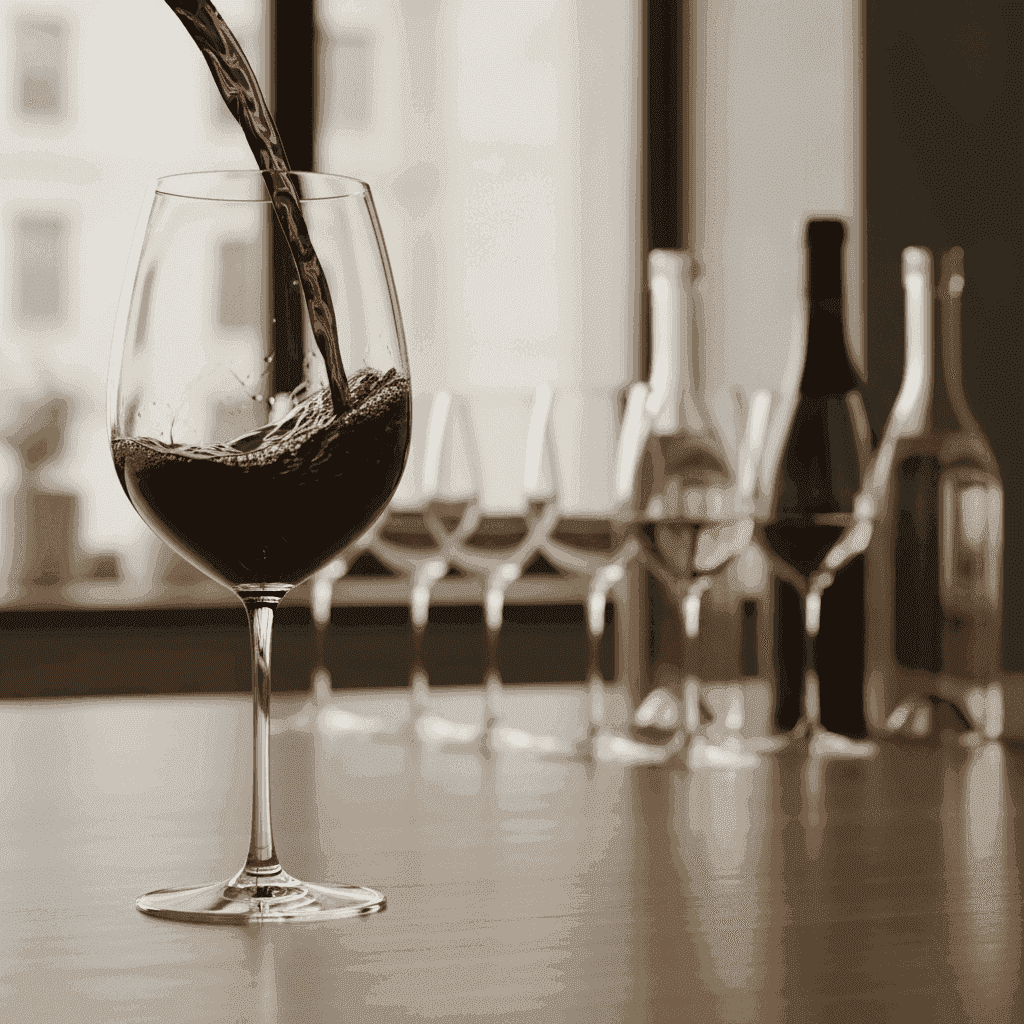
Red wines generally contain 125-175 calories per 5 oz serving, with bolder, higher-alcohol reds at the upper end. For example, a Zinfandel or Syrah may have more calories than a lighter Pinot Noir. For more on selecting the right red, explore how to choose the perfect red wine glass in 2026.
White Wine Calorie Breakdown
White wines vary widely, from 120 calories for a dry Sauvignon Blanc to over 160 calories for a sweet Riesling per 5 oz. Dry white wines tend to be among the lowest calorie options.
Sparkling Wine Calorie Breakdown
Sparkling wines like Brut Champagne or Prosecco typically fall between 120-150 calories per 5 oz serving. Extra Dry or Demi-Sec varieties will have higher residual sugar and thus more calories. Discover ideal pairings for bubbly in Best Champagne Snacks for 2026.
Rosé Wine Calorie Breakdown
Rosé wines generally range from 120-150 calories per 5 oz, similar to lighter reds or dry whites. The calorie count is influenced by its sweetness level, with drier rosés being lower in calories.
Dry Wine Calorie Ranges
Dry wines, regardless of color, typically offer the lowest calorie counts because most of their natural grape sugars have been fermented into alcohol, leaving minimal residual sugar. Expect 120-140 calories per 5 oz for most dry reds and whites.
Sweet Wine Calorie Ranges
Sweet wines, including late-harvest whites and most dessert wines, contain significantly more calories due to their high residual sugar content. These can range from 160 to over 200 calories per 5 oz serving, or even higher for concentrated dessert wines served in smaller portions.

Which Red Wines Have the Most and Least Calories?
Bolder, higher-alcohol red wines tend to have the most calories, while lighter-bodied reds offer fewer. Understanding grape varietals and their typical alcohol content is key for informed decisions.
High-Calorie Reds (e.g., Zinfandel, Syrah)
Full-bodied red wines such as Zinfandel, Syrah (Shiraz), and Cabernet Sauvignon often have higher alcohol percentages (14-15%+ ABV), leading to 160-175+ calories per 5 oz. These wines are dense in flavor and caloric content.
Lower-Calorie Reds (e.g., Pinot Noir, Gamay)
Lighter-bodied red wines like Pinot Noir, Gamay (Beaujolais), and some Italian reds typically have lower alcohol (12-13.5% ABV), resulting in 125-140 calories per 5 oz. These offer a more moderate caloric option. For more about specific regions and grapes, consider Italy's Premier Wine Regions 2026.
Factors in Red Wine Calorie Variation
Beyond ABV, factors like ripeness of grapes at harvest, climate, and oak aging can subtly influence a red wine's body and perceived sweetness, indirectly affecting its calorie perception and actual content. Warmer climates often yield riper grapes with more sugar, leading to higher alcohol and thus more calories.
Are White Wines Always Lower in Calories than Reds?
No, white wines are not always lower in calories than reds; sweetness levels play a significant role. While many dry white wines are indeed low in calories, sweet dessert whites can easily surpass the caloric content of a dry red.
Dry White Wines
Dry white wines like Sauvignon Blanc, Pinot Grigio, and dry Rieslings typically contain 120-130 calories per 5 oz. Their minimal residual sugar contributes to their lower calorie count, making them excellent choices for those monitoring intake.
Sweet White Wines
Sweet white wines, including many Moscato varieties, Sauternes, or sweet dessert wines, can have 160-200+ calories per 5 oz due to high residual sugar. Always check for sweetness indicators on the label.
Popular Lower-Calorie White Varietals
Popular lower-calorie white varietals include Sauvignon Blanc, Pinot Grigio, Albariño, and dry Riesling, all known for their crispness and typically low residual sugar. These wines are excellent choices for calorie-conscious drinkers seeking refreshing options.
Sweet White Wine Exceptions
While many white wines are dry, exceptions like Moscato d'Asti, Sauternes, and certain German Rieslings can be very sweet, leading to higher calorie counts comparable to or exceeding many red wines. These often have a lower ABV but higher sugar content.
How Do Dessert Wines and Fortified Wines Compare in Calories?
Dessert wines and fortified wines generally have significantly higher calorie counts than table wines due to concentrated sugars and elevated alcohol levels. They are meant to be enjoyed in smaller portions.
Dessert Wines
Dessert wines like Ice Wine or Botrytized wines (e.g., Sauternes) can contain 150-250+ calories per 3 oz serving, attributed to their intensely sweet profile. These are often served in smaller glasses.
Fortified Wines
Fortified wines such as Port, Sherry, and Madeira have added spirits, boosting their alcohol content to 15-20% ABV, resulting in 150-200+ calories per 3 oz serving. Their richness makes them calorically dense.
Typical Serving Sizes & Calorie Impact
The traditional smaller serving size (typically 2-3 ounces) for dessert and fortified wines helps manage their higher calorie density per fluid ounce, preventing excessive intake. Despite higher per-ounce calories, a smaller pour means the total intake can be comparable to or less than a full glass of table wine.
Why Dessert Wines Are High-Calorie
Dessert wines are inherently high in calories due to winemaking processes that concentrate sugars, such as noble rot, freezing grapes on the vine (ice wine), or drying grapes to intensify sweetness. These methods ensure a rich, sweet final product with a high residual sugar content.
"Choosing a wine isn't just about taste; it's about understanding its composition. For calorie-conscious enthusiasts, opting for drier varieties with lower ABV is a smart strategy to enjoy wine responsibly without excessive intake."
— A Sommelier's Insight
What Are Practical Tips for Choosing Lower-Calorie Wines?
Choosing lower-calorie wines involves checking labels, understanding wine types, and practicing moderation. Informed decisions help align your wine choices with your dietary goals.
-
Check Alcohol by Volume (ABV): Always look for wines with a lower ABV, ideally 12.5% or less, as alcohol is the primary calorie source.
-
Opt for Dry Varieties: Select wines labeled "Brut," "Dry," "Sec," or "Sämling" to ensure minimal residual sugar.
-
Mind Your Pour: Stick to standard 5-ounce servings to manage calorie intake effectively, even with lower-calorie options.
-
Look for "Light" or "Skinny" Options: Some brands specifically market lower-calorie wines, which can be a good starting point.
-
Research Grape Varieties: Familiarize yourself with grape types known for lower sugar and alcohol, such as Pinot Noir or Gamay, as highlighted in the Global Grape Map 2026.
Deciphering Sweetness Indicators
Understanding terms like "Brut" (very dry), "Extra Dry" (slightly sweet), "Sec" (medium dry), or "Demi-Sec" (sweet) on sparkling wine labels helps you identify residual sugar content and thus calorie levels. For still wines, terms like "dry" or "trocken" are good indicators of lower sugar.
Prioritizing Lower ABV
Prioritizing wines with a lower Alcohol by Volume (ABV), typically 12.5% or below, is the most effective strategy for reducing calorie intake, as alcohol contributes more calories per gram than sugar. Many European wines, particularly from cooler climates, often naturally feature lower ABVs.
Smart Serving Strategies
Implementing smart serving strategies, such as using smaller wine glasses or measuring your pours, helps maintain portion control and manage overall calorie consumption. Diluting wine with sparkling water (a spritzer) can also reduce calories per serving.
How Can You Navigate Wine Labels for Calorie Information?
While not universally mandated, some wine labels are beginning to include nutritional information, making calorie assessment easier. In other cases, understanding key terms on the label is crucial.
Understanding Nutritional Labels (if present)
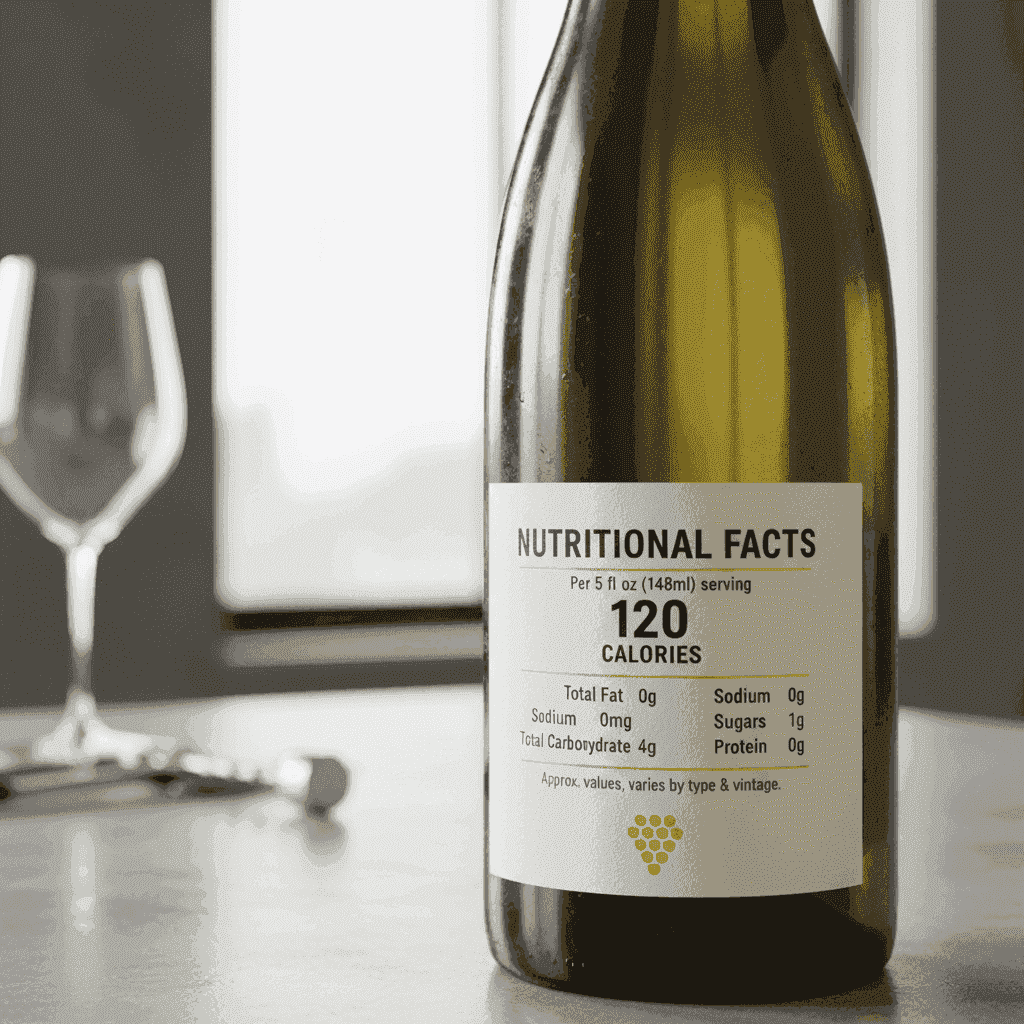
If a wine label includes a nutritional facts panel, look for calorie counts per serving or per bottle. This is the most straightforward way to ascertain a wine's caloric content, often listed alongside carbohydrates and sugar.
Decoding Wine Production Methods
Labels can also hint at calorie content through terms like "Dry," "Brut," or "Sweet," indicating residual sugar levels. Knowing the typical ABV of a varietal (e.g., a high-ABV Zinfandel) also helps estimate calories, especially when direct calorie counts aren't provided.
The Evolving Landscape of Wine Labeling
Wine labeling regulations are gradually evolving, with a growing trend towards greater transparency regarding nutritional information, including calories, in various global markets. Consumers can anticipate more widespread access to this data in the coming years, particularly in the EU and North America.
Leveraging Online Wine Databases
When label information is absent, leveraging online wine databases and apps can provide estimated calorie counts for specific wines by inputting the varietal, region, and vintage. Many reputable wine resources compile such data to assist calorie-conscious consumers.
How Do Wine Calories Compare to Other Alcoholic Beverages?
Wine's calorie content can be comparable to, or even lower than, many other alcoholic beverages, depending on the type and serving size. This context is important for overall dietary planning, as detailed in Mastering the Wine Journey.
Beer and Spirits
A standard 12 oz beer typically contains 150-200 calories, while a 1.5 oz shot of spirits (like vodka or gin) is around 97 calories before mixers. Many wines fall within or below these ranges for a 5 oz serving, making them a moderate option.
Mixed Drinks
Mixed drinks often contain the most calories due to sugary sodas, juices, and liqueurs, easily exceeding 200-300 calories per serving. Opting for wine or spirits with plain soda can be a lower-calorie alternative. For gifts related to wine, consider insights from Best Wine Gifts for Her in 2026.
Common Misconceptions About Alcohol Calories
A common misconception is that all light-colored alcoholic beverages are low-calorie and all dark ones are high-calorie, which is often inaccurate, especially with wine's varied sugar and alcohol levels. For instance, a sweet white wine can have more calories than a dry red.
Strategies for Moderation Across Beverages
Strategies for moderation, such as alternating alcoholic drinks with water, choosing smaller serving sizes, and being mindful of high-sugar mixers, apply universally across all types of alcoholic beverages, not just wine. Conscious consumption is key to managing calorie intake effectively.