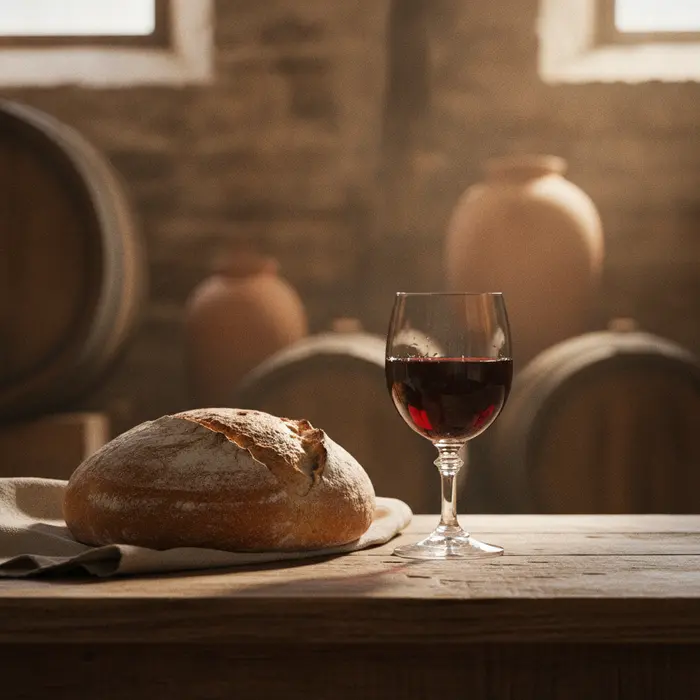
What is the historic context behind the bread and wine debate?
The phrase "What do you mean it's only bread and wine?" cuts to the heart of the deep theological division of the Protestant Reformation. Different branches of the Christian church struggled to define the physical nature of the elements used during the Eucharist, turning a simple agricultural drink into a flashpoint of Western history.
Transubstantiation and the literal blood of Christ
The Catholic Church teaches the doctrine of transubstantiation, which asserts that the bread and wine literally become the body and blood of Christ while maintaining their outward appearance. This doctrine placed immense pressure on the quality, purity, and production of church wine, encouraging monasteries to cultivate pristine vineyards.
Consubstantiation and the Lutheran perspective
Martin Luther proposed the concept of consubstantiation, arguing that the body and blood of Christ coexist alongside the actual substance of the bread and wine. For Luther, the physical elements remained fully bread and wine, but were spiritually elevated during the sacrament.
Memorialism and the symbolic view of wine
Reformed theologians like Huldrych Zwingli argued for memorialism, a belief that the bread and wine are purely symbolic representations of Christ's sacrifice. This view shifted the focus away from the mystical properties of the wine itself and treated the elements as simple physical reminders.
| Theological View | Physical Status of Wine | Impact on Production Standards | Key Historical Proponents |
|---|---|---|---|
| Transubstantiation | Literally transformed into blood | Strict purity rules; only pure grape wine without additives | Roman Catholic Church |
| Consubstantiation | Coexists with Christ's spirit | High respect for pure elements; local agricultural production | Martin Luther |
| Memorialism | Purely symbolic representation | Flexible standards; often led to the use of local table wines | Huldrych Zwingli |
Why did sweet, fortified wines dominate historical communion?
Sacramental wine required unique physical properties to survive the journey from remote vineyards to local church altars. Sweetness and elevated alcohol levels were not just stylistic choices, but absolute necessities for preservation in an era before modern chemical stabilizers.
The preservation needs of early church parishes
Before the advent of vacuum seals and sterile bottling, open wine would rapidly turn into vinegar when exposed to air. Churches that only used a small amount of wine each week required a stable beverage that could survive multiple openings without spoiling.
High alcohol levels as a natural preservative
Fortified and naturally high-alcohol wines inhibited the growth of bacteria and unwanted yeasts, keeping the wine drinkable for months. This preservation power explains why sweet, high-alcohol wines became the gold standard for religious services globally.
Flavor profiles of classic sacramental wines
These historical wines typically offered concentrated flavors of raisins, dried figs, honey, and warm baking spices. The residual sugar masked the rustic, highly oxidized notes that would otherwise ruin a dry red table wine.
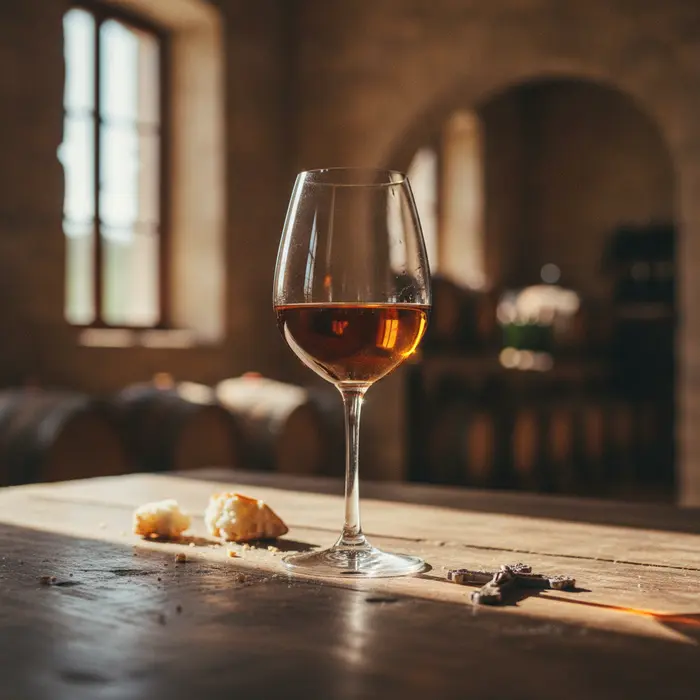
Which grape varieties are traditionally used for sacramental wine?
The choice of grape variety for church wine has always been guided by a mix of regional availability, color symbolism, and practical handling properties. While red wine was historically preferred for its symbolic association, white grapes gained massive popularity for a surprisingly practical reason.
Red grapes and the symbolism of color
Deeply colored red grapes like Grenache, Carignan, and Mission were highly favored because their dark juice matched the liturgical symbolism of the ritual. These grapes thrived in warm Mediterranean climates, producing naturally sweet juices with robust structures.
White grapes and their practical liturgical benefits
White grape varieties, particularly Muscat and Malvasia, became popular because they did not stain the expensive white linen cloths used to wipe the chalice. This practical maintenance detail led many churches to transition to sweet white wines for their weekly services.
Regional grape specialities across Europe
Different European regions utilized their local agricultural strengths to produce liturgical wines, from dry Sangiovese in central Italy to sweet, sun-dried Muscat in Greece. These localized preferences helped establish regional wine identities that persist to this day.
How did monastic orders shape modern wine regions?
We cannot separate the history of European winemaking from the dedicated agricultural work of Catholic monasteries. Monks were the premier viticulturists of the Middle Ages, meticulously documenting terroir, soil composition, and grape mutation patterns across the continent.
Benedictine and Cistercian viticultural legacies
Cistercian and Benedictine monks mapped out the finest vineyard plots in Burgundy and Germany, identifying the specific climates that produced superior fruit. Their intense focus on quality laid the groundwork for the modern appellation systems we rely on when searching for a bottle in a wine store near me.
The historical wineries of Spain and Italy
Monasteries established legendary estates that would eventually evolve into commercial powerhouses. By studying the oldest winery in Spain, wine enthusiasts can trace the early integration of religious wine production and commercial trade, showcasing how these institutions preserved critical agricultural knowledge through centuries of political upheaval.
The preservation of ancient vineyard techniques
Monks perfected grafting, trellis management, and fermentation temperature control to ensure a reliable supply of pure wine. These advanced techniques allowed historical wineries to produce wines that could be aged like a fine wine, securing long-term value for the estate.
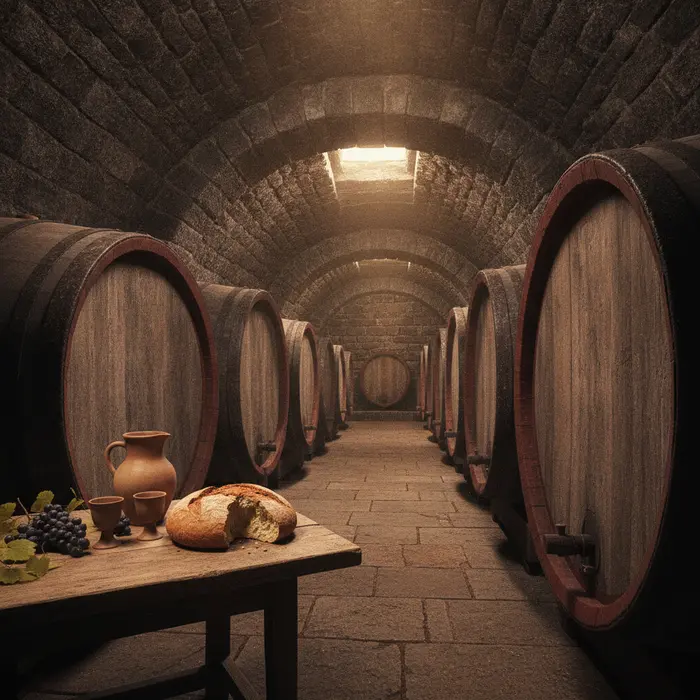
What are the sensory differences between communion wine and table wine?
Communion wine is crafted with utility and mass appeal in mind, prioritizing stability and accessibility over complex structural layers. Standard table wines, conversely, are blended to complement food, highlighting acid, tannin, and subtle oak profiles.
Sweetness levels and residual sugar content
Most dedicated sacramental wines are highly sweet, often containing over fifty grams of residual sugar per liter to ensure stability and broad appeal. Table wines are usually dry, focusing on fruit purity and structural tension rather than overt sweetness.
Acidity and structural balance
While premium table wines balance sweetness with crisp acidity, commercial communion wines often lack high acidity, resulting in a heavier, more viscous mouthfeel. To explore how sweetness and alcohol translate to metabolic factors, check our guide on wine calories by type to see how sweet fortified styles compare to dry table options.
Low tannin profiles for easy drinking
Liturgical wines avoid heavy skin contact during fermentation to keep tannin levels exceptionally low, preventing any astringency that might startle a congregant. Table wines utilize structural tannins to build age-worthiness and provide a cleansing finish against rich foods.
Finding historical wine styles in modern wine stores
If you want to experience the flavors of ancient monastic and historical wines, you do not have to buy low-quality sacramental brands. Excellent commercial alternatives mirror the sweet, sun-dried, and fortified styles that dominated historical tables.
Looking for traditional passito and Vin Santo styles
Vin Santo from Tuscany, closely tied to the historic production of Chianti Classico, represents one of the finest iterations of straw-dried historical sweet wine. These wines offer a complex palate of dried apricot, hazelnut, and warm spices, providing a direct sensory link to the past.
Identifying authentic kosher and sacramental labels
Many wine shops stock specialized regional imports made under strict traditional guidelines that ensure absolute purity of ingredients. These labels offer an educational glimpse into traditional vinification processes that have remained unchanged for generations.
Selecting fortified options like Port and Madeira
For a wine that mimics the incredibly stable, oxidized profiles of historic transport wines, look to Tawny Port or Rainwater Madeira. These fortified options demonstrate how old-world winemakers solved the challenge of long-distance shipping across the Atlantic.
Guidelines for pairing bread and wine at home
Pairing high-quality bread and fine wine is one of the oldest, most satisfying culinary combinations known to gastronomy. By selecting complementary flavors, textures, and weights, you can elevate these two basic staples into a gourmet experience.
Matching artisanal sourdough with high-acid reds
The sharp, tangy profile of a fresh sourdough bread pairs beautifully with medium-bodied, high-acid red wines like Chianti or Barbera. The natural acidity in both the bread and the wine cuts through the starch, refreshing your palate after every bite.
Pairing sweet dessert wines with rich yeast breads
Rich, buttery brioche or sweet holiday breads demand a companion with matching sweetness and body, such as a late-harvest Riesling or a classic Vin Santo. This pairing creates a luxurious dessert profile where neither element overpowers the other.
Creating a historical tasting flight
You can design a tasting flight at home that explores the evolution of wine styles from sweet, unrefined church wines to modern dry table wines. This comparative tasting helps highlight how technological advancements in bottling and preservation transformed the global palate.
"Bread and wine are the ultimate markers of human civilization, turning the raw elements of wheat and grape into enduring symbols of community, sustenance, and hospitality."
How do theological views of wine affect modern wine appreciation?
The theological status of wine as a sacred, elevated product has permanently shaped Western attitudes toward alcohol consumption and agriculture. Even in highly secularized modern societies, we still treat wine with a level of ritual, respect, and vocabulary that other agricultural products rarely receive.
Wine as a sacred agricultural product
Because wine was viewed as a holy element, winemakers were treated as caretakers of a divine creation rather than simple industrial manufacturers. This spiritual connection helped preserve ancient vineyards through wars and economic collapses, ensuring that rare grape clones were never lost to history.
The evolution of moderation and consumption habits
The cultural expectation of treating wine as a daily, moderate companion to bread shaped healthy drinking habits across Mediterranean Europe. To understand how these historical habits compare to modern drinking patterns, read our exploration of GenX wine consumption habits to see how demographic expectations have shifted over time.
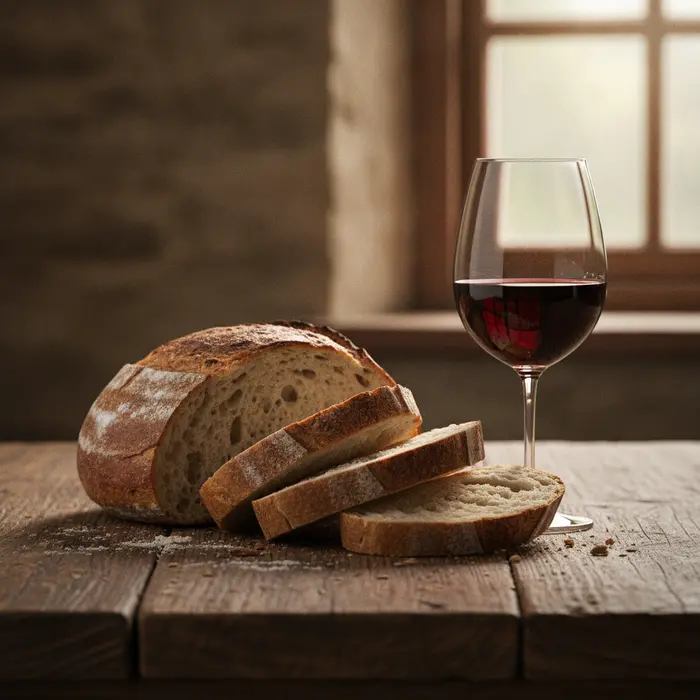
Practical steps for serving and preserving historical wine styles
To get the most out of rich, complex, or fortified wines inspired by historic monastic recipes, you must handle them with care. Proper temperature control, oxidation exposure, and preservation tools ensure that these bold flavors show their full potential.
Proper serving temperatures for sweet and fortified wines
Avoid serving sweet, historic wine styles at room temperature, which can make the alcohol feel unpleasantly hot and the sugar cloying. Instead, chill sweet white passito styles to around 10-12 degrees Celsius, and serve fortified reds like Port slightly cool at 15 degrees Celsius.
Decanting and aeration for structured historic styles
Many traditional wines are highly concentrated and benefit from aeration to open up their tight aromatic profiles. Pouring a bold, historic red wine into a decanter for an hour before serving allows the rustic aromas to soften and the dried-fruit notes to blossom.
Preserving leftover bottles for long-term enjoyment
Thanks to their high sugar and alcohol contents, fortified and sweet wines last much longer than dry table wines once opened. Keep the opened bottle tightly corked in the refrigerator to slow down oxidation, allowing you to enjoy the wine over several weeks.
- Acquire high-quality, crusty artisanal sourdough bread and a premium sweet dessert wine such as a Tuscan Vin Santo.
- Slice the bread to a medium thickness and toast it lightly to release the earthy aromas of the yeast.
- Chill the sweet wine to approximately 11 degrees Celsius to keep the sweetness balanced and refreshing.
- Pour a small, two-ounce sample of the wine into a narrow glass to concentrate the dried fruit and honeyed aromatics.
- Take a bite of the plain, warm bread, chew completely to coat the palate, then follow immediately with a small sip of the chilled wine.