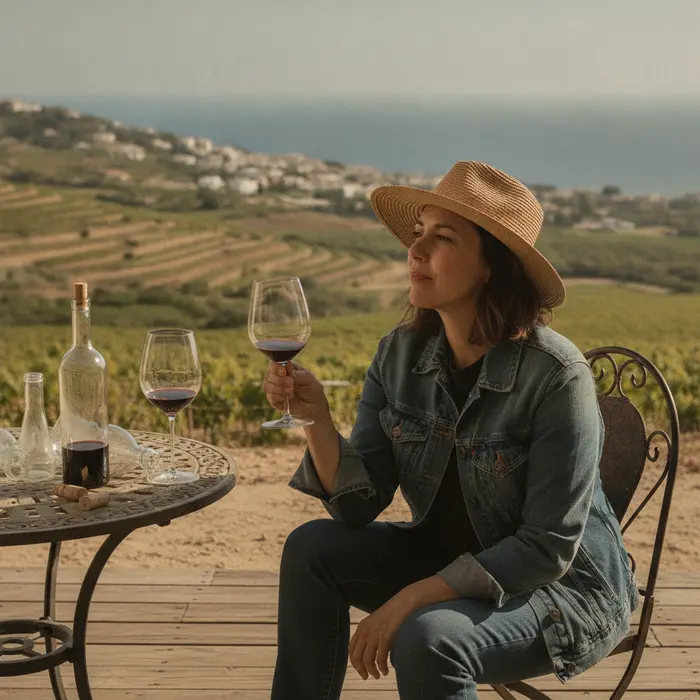
Is drinking a whole bottle of wine common among GenX?
Drinking a full bottle of wine in one evening is a surprisingly frequent occurrence among GenX adults, though it rarely gets discussed openly due to social stigma.
The latchkey kid self-reliance culture
Generation X grew up in an era of high independence, which often translates into highly self-reliant, solo habits in adulthood. Unwinding alone at home with a premium beverage is a natural extension of this independent lifestyle.
"Wine appreciation is about depth of experience, not volume of consumption. Learning to preserve half a bottle is the ultimate sommelier skill for solo drinkers."
Stress relief and the evening wind-down
Balancing peak career pressures, aging parents, and independent households makes the evening wind-down a critical transition period. A glass of bold Cabernet Sauvignon or Pinot Noir often serves as a sensory boundary between work and personal time, but can easily stretch into a full bottle over several hours.
Shifting demographics of modern wine consumers
As older generations scale back their purchasing, GenX has become the primary demographic driving high-end, premium wine acquisitions. This generation values high-quality liquid, but often consumes it in domestic, single-person settings rather than large public parties.
How much wine is actually in a standard bottle?
A standard wine bottle contains 750 milliliters of liquid, which converts to approximately 25.4 fluid ounces.
Understanding standard drink measurements
Public health guidelines define a standard drink as five ounces of wine at roughly 12% alcohol by volume (ABV). This means a single standard bottle contains exactly five full servings of wine.
Comparing standard bottles to large formats
When planning your inventory, it is helpful to understand how bottle sizes escalate. If you find yourself frequently hosting or opening multiple bottles, you might want to look into large wine formats and volume math to understand the scale of larger containers.
The mathematics of alcohol by volume (ABV)
The total alcohol impact of a bottle depends heavily on the grape variety and region. A 15% ABV Napa Cabernet Sauvignon contains significantly more pure alcohol than an 11% ABV German Riesling, making the choice of style a critical factor in how you feel the next morning.
| Bottle Format | Volume (ml) | Standard 5oz Pours | Ideal Serving Situation |
|---|---|---|---|
| Half Bottle (Demi) | 375 | 2.5 | Solo dinner or tasting |
| Standard Bottle | 750 | 5.0 | Dinner for two |
| Magnum | 1500 | 10.0 | Small group gathering |
What happens to your body when you drink a full bottle?
Consuming 750ml of wine in a single evening introduces a significant metabolic load that your liver must process over several hours.
Dehydration and electrolyte depletion
Alcohol acts as a natural diuretic, signaling your kidneys to flush water out of your system at an accelerated rate. This rapid fluid loss depletes essential minerals, resulting in dry mouth, headaches, and physical fatigue the next morning.
Impact on sleep quality and REM cycles
While wine may help you fall asleep quickly by acting as a sedative, it severely disrupts your REM sleep cycles. As your liver processes the alcohol overnight, your heart rate remains elevated, leading to fragmented, low-quality rest.
Caloric intake of a full wine bottle
A standard bottle of dry red or white wine contains between 600 and 750 calories. Sweeter styles or highly alcoholic fortified options can easily exceed 900 calories, adding substantial sugar to your daily diet.
How can you preserve leftovers instead of finishing the bottle?
You do not need to finish every bottle you open if you utilize preservation tools to keep the remaining wine fresh.
Using vacuum pumps and inert gas sprays
Vacuum pumps remove excess air from the bottle, while inert gas sprays like argon displace oxygen completely. Removing oxygen is the key to preventing oxidation. If you are struggling with opening your bottles efficiently, check out our guide on best wine bottle openers for reliable gear.
The half-bottle decanting trick
One of the easiest ways to save wine is to pour half of a freshly opened 750ml bottle into a clean, empty 375ml half-bottle and cork it immediately. Because there is no headspace for air, the wine stays fresh for several days.
Proper refrigeration practices for open bottles
Cold temperatures slow down chemical oxidation, meaning your opened red wines should go straight into the fridge alongside your whites. You can read more about maintaining ideal storage conditions in our comprehensive home wine storage guide.
- Pour the remaining wine into a smaller 375ml half-bottle to minimize air contact.
- Apply a high-quality vacuum pump or spray inert argon gas into the bottle.
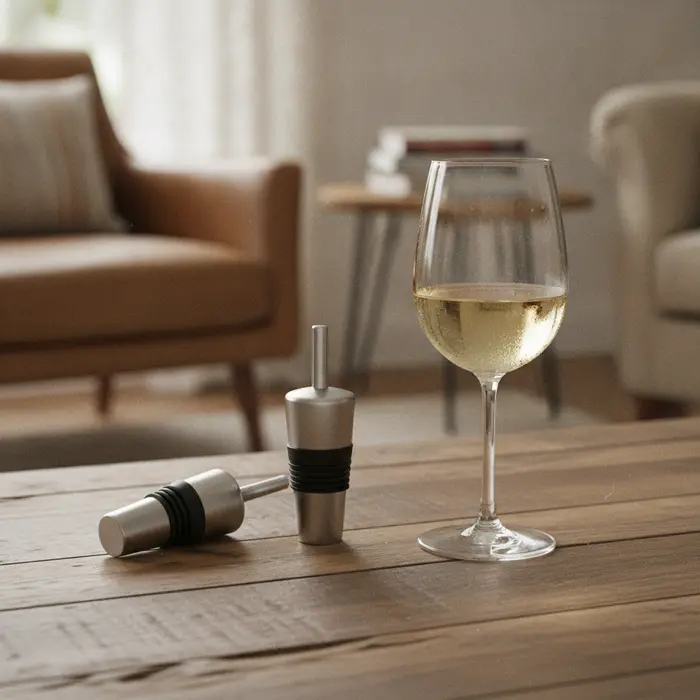
- Seal the container tightly with an airtight rubber stopper.
- Store the bottle upright inside your kitchen refrigerator to slow down oxidation.
What are the best lower-alcohol wine alternatives?
Transitioning to low-alcohol wine styles allows you to enjoy multiple glasses throughout the evening without over-consuming ethanol.
Cool-climate German Riesling
Rieslings from regions like the Mosel often sit between 8% and 10% ABV. They offer intense, refreshing acidity, bright mineral profiles, and subtle sweetness that makes them incredibly easy to sip over several hours.
Portuguese Vinho Verde and Txakoli
These light, crisp white wines from Portugal and Spain feature slight natural effervescence and low alcohol levels, usually hovering around 9% to 11% ABV. They are perfect for casual sipping without heavy physical consequences.
French Gamay and light-bodied reds
If you prefer red wine, look for Gamay from Beaujolais or light-bodied Pinot Noir from cool regions. These wines deliver bright red fruit aromas, low tannins, and moderate alcohol levels compared to heavy warm-climate reds.
How does food pairing affect how fast you drink?
Pairing your wine with structured meals slows down your physical drinking pace and helps your body process alcohol more efficiently.
High-acid wines with fatty dishes
Acidic wines cut through rich fats, cleansing your palate between bites and encouraging you to alternate between eating and sipping. To master these culinary interactions, explore our best wine pairing guide.
Pairing spicy foods with off-dry styles
Slightly sweet wines like Demi-Sec Chenin Blanc or Off-Dry Riesling cool the palate after eating spicy dishes. This prevents you from drinking wine too quickly simply to extinguish the heat of the food.
Slowing down with structured, tannic reds
Highly tannic wines like Nebbiolo or Cabernet Sauvignon require savory, fat-rich foods to soften their astringency. These complex profiles naturally force you to slow down and savor the bottle over a long meal.
How do GenX wine habits compare to other generations?
GenX occupies a unique middle ground in the wine market, balancing traditional cellar collection values with modern lifestyle trends.
Baby Boomers and cellar collecting
Older consumers historically dominated the market for highly collectible, expensive European estates meant for multi-decade aging. Their habits often center around formal dining and established classic regions.
Millennials and natural wine discovery
Millennial drinkers shifted the market toward organic, biodynamic, and natural wines. They enjoy exploring lesser-known grape varieties, unique winemaking regions, and unconventional orange wines.
Gen Z and the moderation movement
The youngest legal consumers are driving massive growth in the non-alcoholic and low-ABV wine categories, prioritizing wellness, functional ingredients, and strict moderation.
What are the best ways to shop for portion-controlled wines?
Being strategic about the formats and styles you buy can automatically help you manage your consumption without relying solely on willpower.
Seeking out premium half-bottles (375ml)
Many world-class wineries bottle their flagship wines in 375ml formats, offering the perfect portion size for a single drinker. This allows you to experience top-tier quality without the pressure of finishing a full 750ml bottle.
Exploring high-quality canned wines
Canning technology has evolved rapidly, allowing premium producers to package fresh sparkling, white, and rosé wines in single-serve containers. These are convenient, airtight, and portion-controlled by design.
Finding local wine merchants with diverse inventories
An independent wine boutique is the best place to find alternative formats and low-alcohol selections. You can locate great stores using our guide on finding the best wine stores near you, or discover general buying tactics in our comprehensive wine buying guide.