Why Does the Legion Produce Its Own Wine?
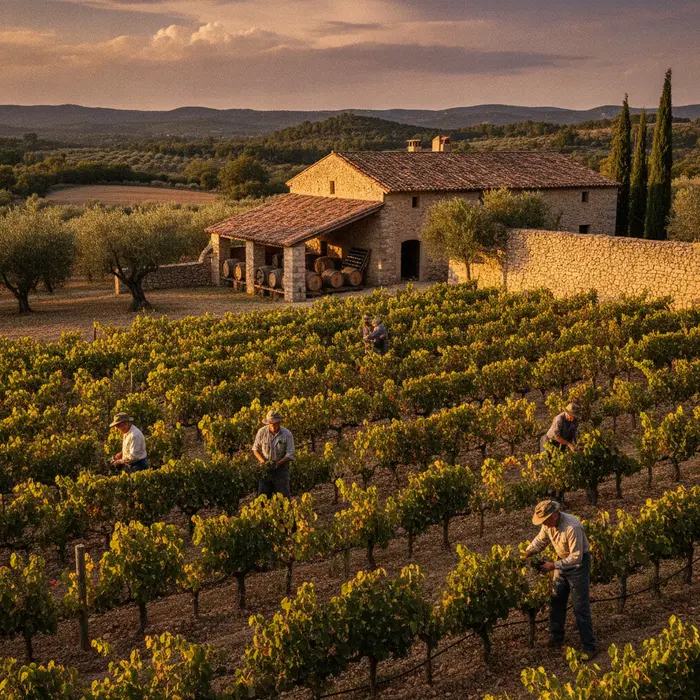
Producing wine is not merely a hobby for these veterans; it is a vital economic engine that supports their self-sufficiency and mutual aid programs.
"The vine, like the soldier, must suffer to produce its best. Here, both find a second life in the soil of Provence, proving that structure, care, and time heal all wounds."
Funding the Care of Retired and Injured Legionnaires
All profits from wine sales are directly funneled back into the IILE budget, helping to fund the housing, healthcare, and recreational activities of the residents. When you purchase these bottles, you are actively participating in a historical social support system.
Maintaining a Sense of Community and Purpose
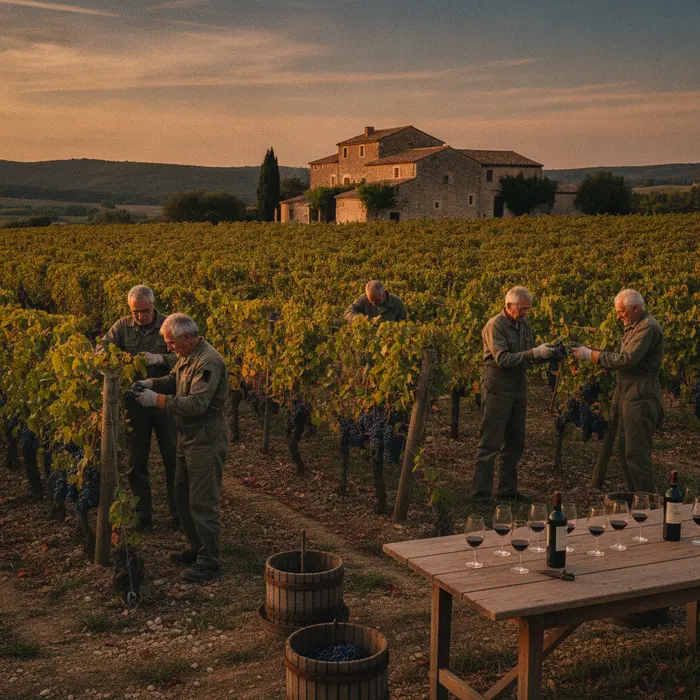
For men who have spent their lives in structured, high-stakes military environments, transitioning to civilian retirement can be jarring. Working the soil alongside fellow veterans fosters a therapeutic sense of camaraderie, teamwork, and daily purpose.
The Tradition of French Military Winemaking
While most militaries purchase wine from commercial producers, the French Foreign Legion takes pride in self-sufficiency, echoing historical monastic traditions where community survival depended on local agriculture.
What Wine Styles Are Produced at Puyloubier?
The estate produces an impressive portfolio of red, white, and rose wines under the Cotes de Provence AOC rules, ensuring they meet rigorous regional quality standards.
| Wine Style | Primary Grape Varieties | Alcohol by Volume (ABV) | Aroma and Flavor Profile | Ideal Food Pairing |
|---|---|---|---|---|
| Cotes de Provence Rose | Grenache, Cinsault, Syrah | 12.5% to 13% | Wild strawberry, white peach, light citrus, mineral finish | Grilled sea bass, garlic aioli, Nicoise salad |
| Cotes de Provence Rouge | Syrah, Grenache, Mourvedre | 13.5% to 14% | Black currant, dark cherry, cracked black pepper, leather | Herbed roast lamb, slow-cooked wild boar stew |
| Cotes de Provence Blanc | Rolle (Vermentino) | 12.5% | Green apple, fresh lemon zest, wet stone, white flowers | Oysters, light goat cheese, grilled asparagus |
High-Quality Provence Rose
The rose features a pale salmon color with delicate aromas of red currants, wild strawberries, and white peach, driven by balanced acidity. While many consumers watch their intake, understanding wine calories by type reveals that this bone-dry rose is light on both sugars and calories.
Robust Cotes de Provence Reds
The red blends are primarily composed of Syrah and Grenache, showing deep ruby colors, dark berry flavors, and a spicy undertone of black pepper. They are designed for mid-term aging, making them interesting candidates for those studying the science of how vintage bottles aged like wine in correct cellar conditions.
Crisp and Fresh White Wines
Utilizing the Rolle (Vermentino) grape, the white wines are clean and mineral-driven, offering refreshing notes of citrus and green apple. Rolle offers structural acidity similar to other popular most sour wine grapes, ensuring a crisp finish that cleanses the palate.
How Does the Terroir of Mount Sainte-Victoire Shape the Wine?
The natural elements surrounding Puyloubier dictate the unique character of the grapes harvested by the legionnaires.
The Impact of Limestone and Clay Soils
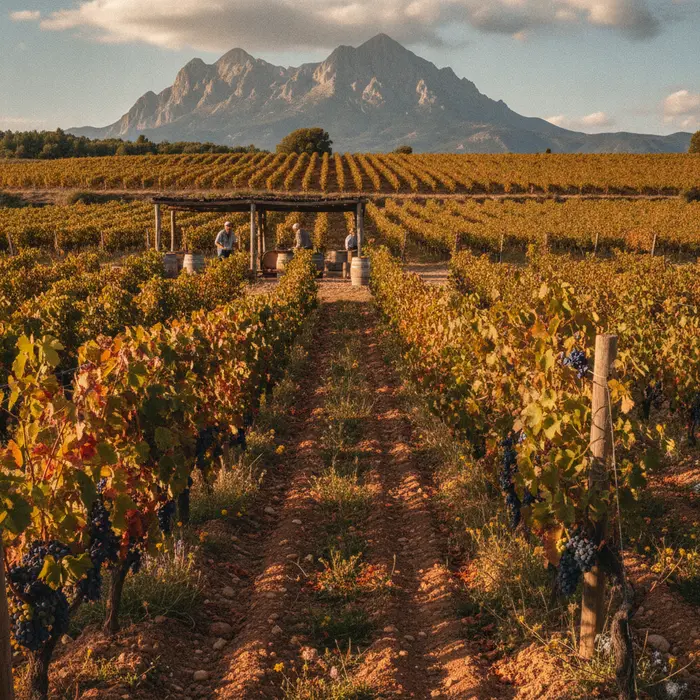
The vineyards sit on gravelly scree and red clay soils rich in limestone, which help the soil retain moisture during hot summer months. This geological profile prevents the vines from becoming waterlogged while imparting a crisp, stony minerality to the white and rose expressions.
The Mistral Wind and Solar Exposure
The heavy Mistral wind sweeps through the valley regularly, drying out the grapes after rains and naturally protecting them from mildew and fungal diseases. This constant ventilation minimizes the need for chemical treatments, facilitating sustainable viticulture.
Cultivating Syrah, Grenache, and Rolle
The grape varieties are selected to thrive in this hot Mediterranean climate. Grenache brings red fruit softness and body, Syrah adds structure and deep peppery spice, while Rolle ensures excellent freshness and crispness.
How Do Retired Legionnaires Create This Wine?
The lifecycle of a bottle of Legion wine reflects a rigorous step-by-step process that combines physical effort with modern winemaking techniques.
- Pruning and Soil Maintenance: Retired veterans work the vineyards throughout winter, pruning old vines and preparing the limestone-rich soil.
- Hand-Harvesting: In late summer and early autumn, residents manually harvest the grapes, selecting only quality clusters.
- Crushing and Fermentation: Grapes are transported to the local winemaking cooperative, where modern temperature-controlled stainless steel tanks manage fermentation.
- On-Site Bottling and Packaging: The finished wine is returned to the Puyloubier estate, where the veterans oversee the bottling, corking, labeling, and packing operations.
Hand-Harvesting in the Shadow of the Mountain
During the autumn harvest, residents work in teams to hand-select only the healthiest grape clusters, discarding bruised or underripe fruit.
Collaboration with Local Provence Winemaking Cooperatives
To ensure top-tier quality, the grapes are brought to a modern cooperative facility where professional enologists manage fermentation, temperature control, and blending.
Modern Cellar Techniques Combined with Military Precision
The bottling, labeling, and packing processes are executed on-site back at the Puyloubier facility, where retirees maintain a spotless bottling line run with disciplined logistics.
Where Can You Buy French Foreign Legion Wine?
Sourcing these wines can be a thrilling chase for collectors, as they are not widely distributed in typical chain supermarkets.
Visiting the Boutique at Puyloubier
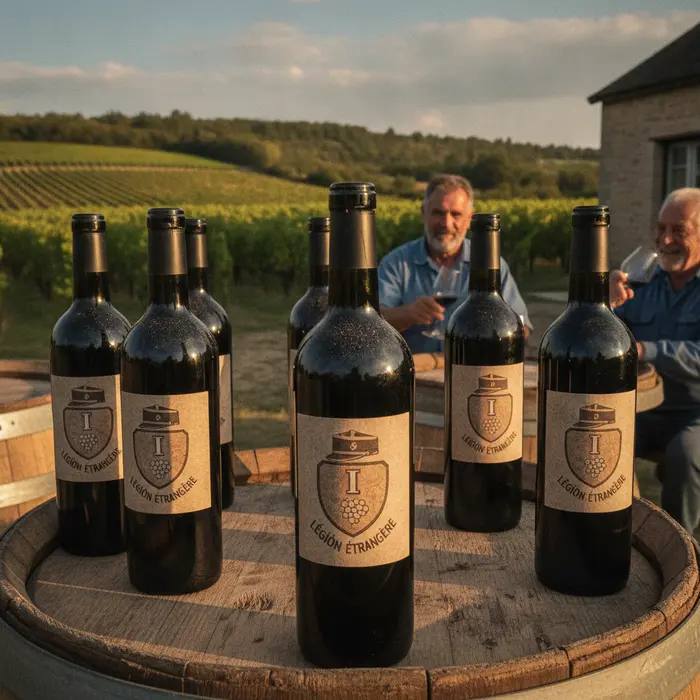
The most rewarding way to buy these bottles is to visit the estate's dedicated boutique in Puyloubier, which also features pottery and books made by the veterans.
Online Shipping and Military Distributorships
The IILE operates an official online shop that delivers across France and select European destinations, with proceeds directly supporting the pension program.
Sourcing for Specialty Cellars and Military Collectors
Specialized wine merchants and military associations occasionally import small batches, making them a superb choice for custom wine country gift baskets intended for history buffs.
Choosing the Right Bottle: Tasting and Buying Tips
When utilizing a wine buying guide to select your next purchase, keeping these specific Legion cuvees in mind offers both high quality and historical value.
Pairings for the Classic Cotes de Provence Rose
This crisp rose pairs beautifully with classic Mediterranean dishes like grilled sea bass, garlic-heavy aioli, or a fresh Nicoise salad.
Cellaring the Syrah-Dominant Reds for Longevity
The premium red cuvees benefit from 3 to 5 years of aging, smoothing out the firm tannins and bringing out deep leather and tobacco aromas.
Gifting a Piece of Military and Viticultural History
These bottles carry an unmatched narrative, making them memorable conversation starters at dinners or unique presents for wine collectors.
How Does This Compare to Commercial Provence Estates?
While commercial estates focus heavily on marketing and lifestyle imagery, the Legion's vineyard remains deeply humble and mission-driven.
Price-to-Quality Ratio of Legion Wines
Because the estate operates on a non-profit model, the pricing remains remarkably fair, offering great value compared to ultra-premium, heavily marketed Provence brands.
The Non-Profit Social Mission Aspect
Unlike commercial vineyards focused on investor dividends, every euro spent here directly maintains a sanctuary for men who dedicated their lives to service.
Authentic Artisanal Scale vs. Mass Market Rose
The production is highly localized and hands-on, avoiding the industrial-scale blending common in bulk Provence roses.