What was the origin of stylistic wine differentiation?
Early winemaking was highly localized and largely uniform, with stylistic differences occurring more by chance than design. The earliest efforts to purposefully change wine profiles focused on preservation and reducing spoilage rather than creating gourmet flavor profiles.
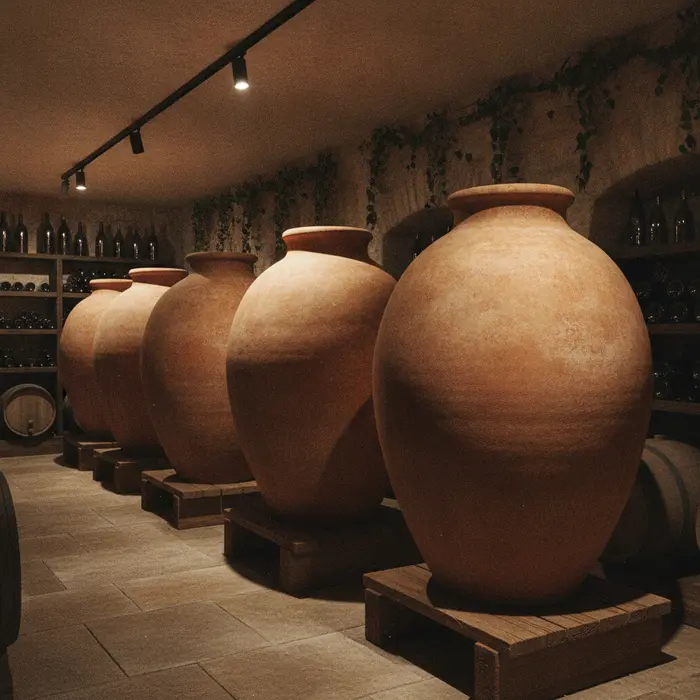
Amphorae and the stabilization of early vintages
Clay vessels allowed early vintages to remain stable over months instead of weeks. The porous nature of clay provided slow oxygen exposure, which was a vital precursor to modern micro-oxygenation techniques used to soften harsh red tannins.
The transition from wild yeast to native field selections
Early agriculturalists noticed that certain vineyard blocks consistently delivered better fermentations. This realization marked the shift from completely spontaneous, unpredictable fermentations to the active selection of native yeast strains that highlighted fruit flavors.
How oxidation shaped early white and red styles
Without airtight seals, early wines were deeply oxidized, turning white wines amber and stripping red wines of fresh fruit notes. To combat this, producers began experimenting with protective vessels, laying the foundation for modern crisp styles.
How did glass bottles and corks revolutionize aging?
The introduction of robust glass bottles in the seventeenth century completely altered how wine matured. This technological leap shifted wine from a perishable agricultural product to a luxury collector commodity that improved with age.
The shift from barrels to airtight glass aging
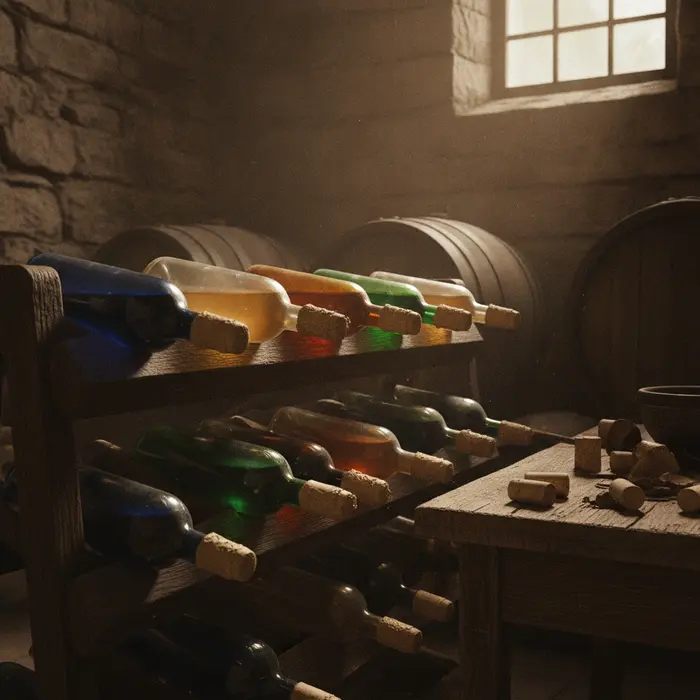
Before glass, wine was stored in wooden barrels that slowly oxidized the liquid over time. Transitioning to glass bottles arrested this oxidation, allowing fresh aromas to be preserved for years. To learn how to maintain these bottles at home, read about essential care for wine bottles.
How the cork stopper allowed slow micro-oxygenation
Corks provided a semi-permeable seal that allowed microscopic amounts of oxygen to interact with the wine. This slow development is key to understanding how complex tertiary aromas like leather, tobacco, and forest floor develop over time.
Structural changes that made wines age-worthy
With stable storage, producers started crafting wines with higher acid and tannin structures designed specifically to mature over decades. Learn more about selecting these cellar candidates in our aged like fine wine guide 2026.
Which historical developments created sparkling wines?
The sparkling wine style was originally considered a major fault, as effervescence was a sign of unstable secondary fermentation. Over centuries, winemakers turned this defect into a prized technique through deliberate innovation.
The unexpected pressure of secondary fermentation
Yeasts that went dormant during cold winters woke up in spring, creating carbon dioxide gas inside sealed bottles. This pressure often caused bottles to explode, earning the style the name of devil's wine before cellarmasters mastered pressure management.
Glass strength innovations in England and France
Industrial advances in coal-fired glass production in England produced thick glass that could withstand intense internal pressure. This allowed winemakers to safely store and distribute sparkling wines without catastrophic bottle breakage.
How Spain adapted the method for Cava
Spain adopted the traditional method to create unique sparkling expressions using native grapes like Macabeo, Xarel-lo, and Parellada. Discover the roots of this movement by reading about Codorniu, Spain's oldest winery and the genesis of Cava.
- Harvesting grapes early to maintain high acidity and low potential alcohol.
- First fermentation to produce a tart, completely dry base wine.
- Assembling the blend to achieve a consistent regional style.
- Adding yeast and sugar to trigger secondary fermentation inside the sealed bottle.
- Aging on the dead yeast cells to develop complex, brioche-like aromas.
- Riddling to guide yeast sediment into the neck, followed by disgorgement and final corking.
| Innovation | Primary Structural Change | Resulting Wine Style |
|---|---|---|
| Amphora Aging | Slow oxidation through clay pores | Savory, textural skin-contact wines |
| Glass and Cork | Airtight seal with micro-oxygenation | Complex, age-worthy reds and whites |
| Methode Traditionnelle | Secondary fermentation in bottle | Fine sparkling wines with autolytic notes |
| Temperature Control | Cool, slow fermentation in steel | Aromatic, crisp white wines with fresh fruit |
How does oak vessel selection alter modern wine profiles?
Wood aging is no longer just a storage necessity but a deliberate winemaking choice that adds tannin, body, and aroma. The choice of wood source and barrel size defines the wine's ultimate style.
The chemical difference between French and American oak
French oak has tight grains that impart subtle spice and structured, silky tannins, while American oak has looser grains that deliver sweet notes of vanilla, coconut, and dill.
How barrel size controls the rate of wood flavor extraction
Small barriques expose a larger surface area of wine to wood, speeding up extraction. Larger casks, such as foudres or botti, provide gentle oxygenation with almost no wood flavor contribution.
Toasting levels and their impact on body and vanilla notes
Heavy toasting caramelizes the natural wood sugars, translating into deep smoky, chocolate, and roasted coffee aromas in full-bodied red wines.
Modern winemaking is a delicate balance between historical intuition and biological precision. The moment we mastered oxygen, we mastered style.
Why did controlled temperature fermentation change white wines?
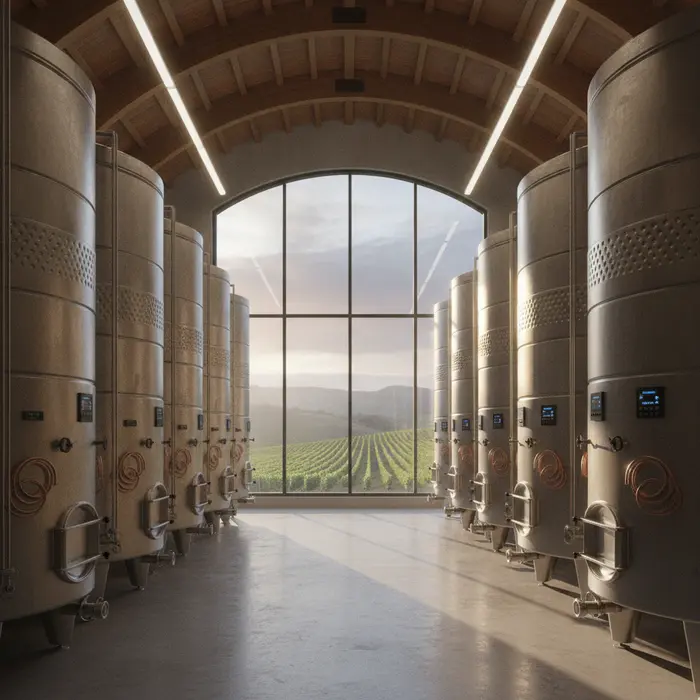
Before the invention of glycol-jacketed stainless steel tanks, white wine fermentations frequently overheated, burning off delicate volatile aromas. Temperature control preserved the pristine fruit characteristics of cool-climate white varieties.
Preserving delicate esters and high-toned fruit aromas
Cool fermentations between 12 and 15 degrees Celsius preserve volatile compounds called esters. These esters are responsible for the vibrant tropical and citrus notes in modern white wines.
Preventing stuck fermentations in warm climates
In warm regions, unchecked fermentation temperatures can kill yeast before all sugar is consumed. Reliable cooling ensures fermentations run to dry completion safely.
The evolution of modern, crisp Sauvignon Blanc and Chardonnay
Producers could now choose to make crisp, unoaked Chardonnays and highly aromatic Sauvignon Blancs that tasted of pure grape variety rather than yeast or wood oxidation.
Technical advancements in red wine maceration and extraction
Crafting modern red wines requires precise control over how grape skins interact with the fermenting juice. These techniques dictate the color density, tannin structure, and body of the final wine.
Cold soaking to maximize color without harsh tannins
By chilling the must before fermentation starts, winemakers extract water-soluble color pigments without extracting the alcohol-soluble bitter seed tannins, creating softer red wines.
Pump-overs versus punch-downs for structural control
Pump-overs introduce oxygen and extract soft tannins, suitable for full-bodied wines like Cabernet Sauvignon. Punch-downs are gentler, ideal for delicate grapes like Pinot Noir.
Malolactic fermentation as a deliberate stylistic choice
This secondary bacterial fermentation converts sharp malic acid into creamy lactic acid. This process softens red wines and provides Chardonnays with a signature buttery texture.
The role of terroir zoning and regional regulations
Establishing legal boundaries and production rules forced producers to adhere to stylistic standards, creating reliable regional profiles for consumers worldwide.
Classifying vineyards to establish quality baselines
Historical classification systems, such as the 1855 Classification of Bordeaux, created financial incentives to keep quality and style consistent across top-tier estates.
Defining DOCG rules in Italian winemaking
Italian regulations defined strictly what grapes could be grown in historical areas. If you are planning a tasting trip, explore Italy's premier wine regions to see how these regulations shape what ends up in your glass.
The impact of climate change on traditional appellation rules
Rising global temperatures are forcing regulatory bodies to rethink historical rules, sometimes allowing different grape varieties to preserve freshness and acidity.
Modern minimalist intervention and natural winemaking
Today, many winemakers are looking to the past to create distinct, low-intervention styles. This circular evolution blends ancient philosophy with modern microbiological understanding.
Returning to ancient clay vessel techniques
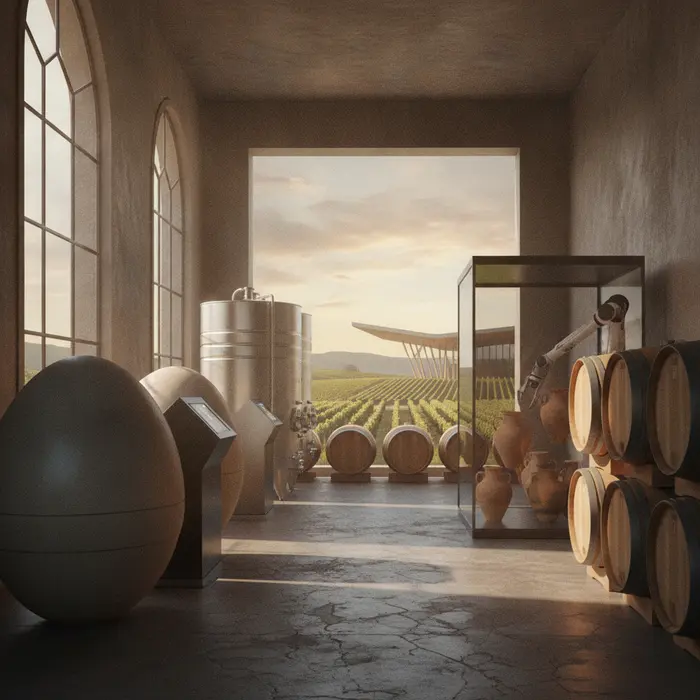
The use of amphorae and concrete eggs has surged, allowing winemakers to craft textured, mineral-driven wines without wood-derived flavors.
Managing sulfur additions for clean aging profiles
While natural winemaking limits sulfur, modern hygiene allows winemakers to reduce chemical additions safely without risking spoilage. To evaluate these subtle differences, master the basics with our guide on how to wine taste like a sommelier.
Defining modern biodynamic and organic viticulture
Organic and biodynamic methods prioritize soil health, which winemakers believe yields grapes with more pronounced regional identity and better natural balance.