What Factors Determine Grape Wine Price?
The retail cost of a bottle is established long before it arrives on store shelves, rooted deeply in vineyard setup, manual field labor, and production choices.
Vineyard Land and Terroir Costs
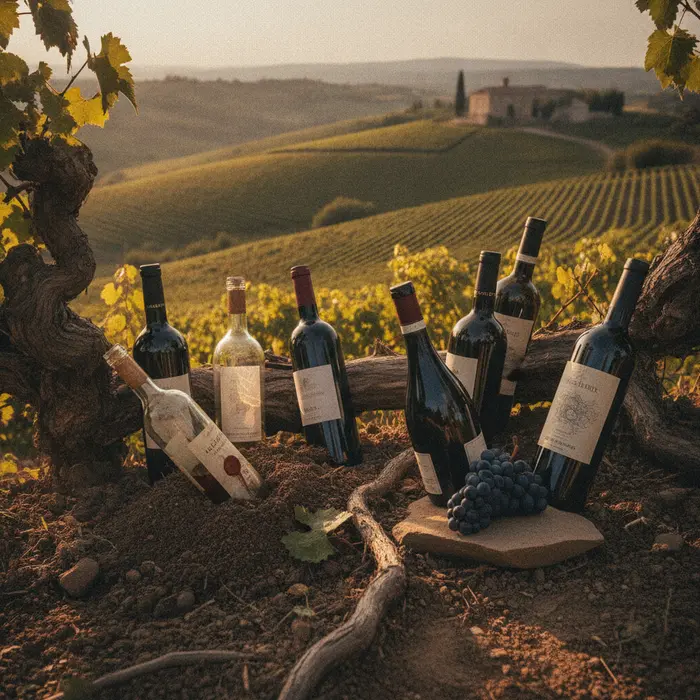
High land acquisition costs in premier regions like the Bordeaux wine region push up the base price of estate fruit. Wineries operating on historical, high-prestige land must charge more to cover capital investments and property taxes.
Grape Variety Yields and Rarity
Limiting grape yields per acre concentrates the sugars and flavor compounds within each berry, creating richer wines. This deliberate reduction in volume means fewer bottles are made, raising the unit price of the harvested crop.
Oak Barrel Aging Costs
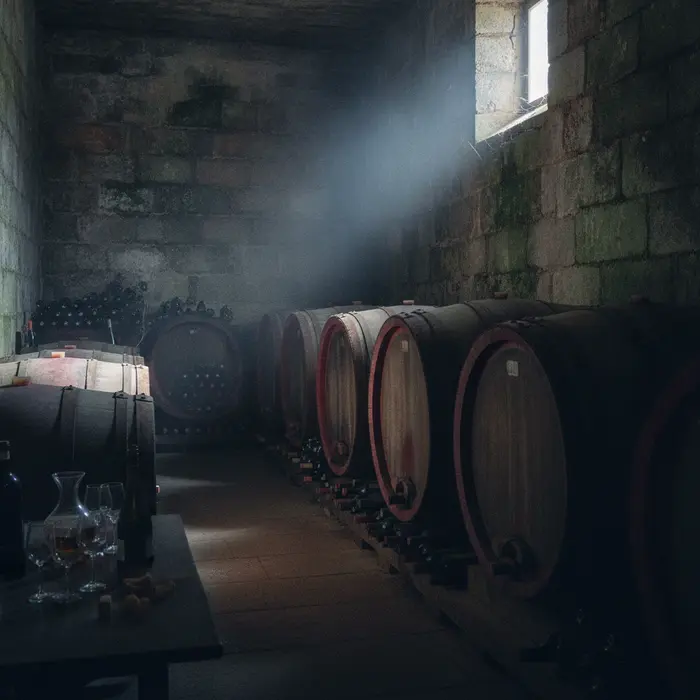
New oak barrels from French forests cost upwards of one thousand dollars each, adding substantial overhead to the production cycle. Because each barrel holds only a limited amount of wine, these material costs translate directly into higher consumer retail prices.
How Do Production Methods Affect the Cost of Wine?
Winery methods, from the sorting table to the aging cellar, dictate the baseline investment required to produce each vintage.
Hand Harvesting vs. Mechanical Harvesting
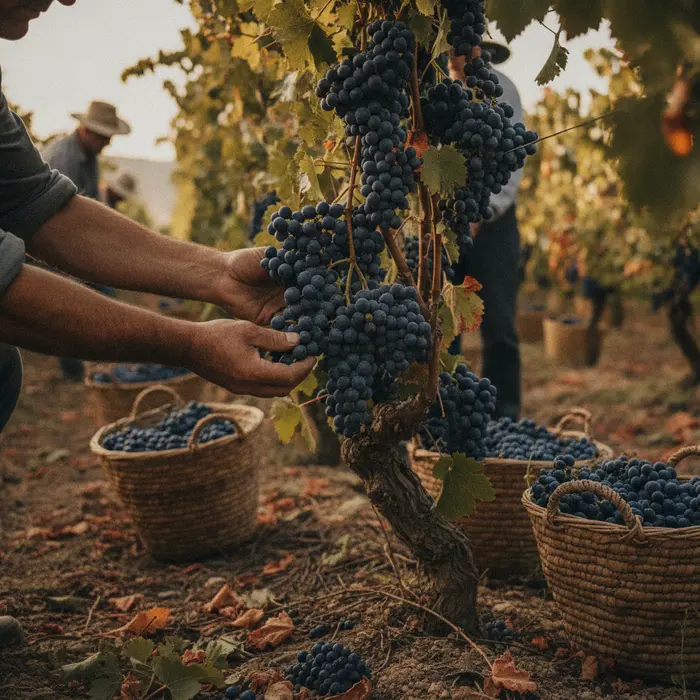
Hand harvesting requires hiring skilled workers to selectively clip top-tier grape clusters, which increases labor costs. While mechanical harvesters are fast and cost-effective, they are less selective than humans, making manual harvesting the standard for high-end bottles.
Aging Times in Bottle and Barrel
Allowing a vintage to age like a fine wine before release ties up a producer's capital for years. Wineries must absorb the cost of climate-controlled storage space and delayed cash flow, which drives up the ultimate bottle value.
Organic and Biodynamic Certification
Farming without synthetic chemicals requires intensive manual cultivation, soil management, and protective vineyard sprays. These demanding methods lower yields and increase physical labor, raising the base production cost of certified organic wines.
Why Do Wine Regions Matter for Bottle Pricing?
The origin stated on a wine label serves as a powerful market signal, indicating quality standards, prestige, and logistics costs.
Famous Appellations vs. Emerging Terroirs
Wines from world-famous appellations command premium prices due to established collector demand. In contrast, emerging wine regions like the Serra Gaucha wine region in Brazil offer similar agricultural dedication at a friendlier entry point.
Historic Classification Systems
Official quality tiers, such as Grand Cru designations in France or DOCG marks in Italy, enforce strict farming and aging guidelines. Compliance with these traditional rules ensures quality but naturally elevates the baseline market price.
Import Tariffs and Freight Logistics
Transporting heavy glass bottles across international borders incurs ocean shipping fees, import taxes, and distributor margins. These logistical steps add several dollars of friction to the shelf price of any imported bottle compared to domestic options.
Understanding Standard Wine Price Brackets
Wine pricing is organized into distinct commercial tiers that reflect production volume, grape selection, and stylistic intention.
| Price Range (USD) | Market Tier | Key Style Attributes | Value Example |
|---|---|---|---|
| Under 15 | Value Tier | Stainless-steel aged, fresh, immediate drinking | Chilean Sauvignon Blanc |
| 15 to 30 | Premium Retail | Estate-grown, balanced oak, regional focus | Rheinhessen Riesling |
| 30 to 70 | Super-Premium | Single-vineyard, long aging, craft focus | Paso Robles Syrah |
| Over 70 | Ultra-Premium | Collector status, legendary terroir, cellar-worthy | Classified Bordeaux |
Value Tier (Under 15 USD)
Value wines focus on fresh, accessible fruit profiles without expensive oak treatment. Producers blend grapes from larger, high-yield zones, using modern mechanical harvesting to keep retail costs down.
Premium and Super-Premium Tier (15 to 50 USD)
This mid-market tier represents the sweet spot for finding unique terroir expressions and meticulous small-batch winemaking. Bottles in this range frequently feature hand-picked fruit, limited oak maturation, and focused varietal characters.
Ultra-Premium and Collector Tier (Over 50 USD)
High-end bottles are crafted with rigorous fruit sorting, lengthy cellar aging, and small production targets. The pricing in this category reflects extreme vineyard scarcity, critical acclaim, and long-term aging potential.
How to Find the Best Wine Value in Retail Shops?
Uncovering high-performing bottles on a modest budget requires looking past famous labels toward lesser-known alternatives.
The best value in wine is found where the consumer must do a small amount of research. Grapes and regions that escape the luxury spotlight are where passionate winemakers offer exceptional complexity without charging a prestige tax.
Looking Beyond Famous Grape Names
Instead of paying top dollar for Cabernet, look for varieties like Tempranillo wine from Spain. This grape offers structural complexity and dark fruit notes at a fraction of the cost of premium French or Californian reds.
Seeking Out Second Wines
Many elite producers bottle a second-label wine using fruit from slightly younger vines. These second wines are crafted by the same winemaking team with the same cellar equipment, offering luxury style at a highly discounted price.
Exploring Native White Varieties
Familiarizing yourself with a wine grape varieties guide helps you identify indigenous white grapes that excel locally. These native varieties deliver mineral-driven, complex styles without demanding high global prices.
Comparing Price Tiers Across Global Wine Grapes
Different wine grapes command distinct average market prices due to global popularity, farming difficulties, and climate requirements.
Cabernet Sauvignon and Pinot Noir Premiums
Strong global demand keeps prices high for Cabernet and Pinot Noir. To get top-tier quality for less, look to regions like the Paso Robles wine region, where rich soil and sunny climates produce bold styles at excellent prices.
High-Acid White Grapes
White grapes with refreshing acidity often provide the best value on the shelf. Checking a global grape map reveals cool-climate zones where crisp, complex whites can be made without expensive wood treatments, translating to lower prices.
Everyday Sparklers vs. Traditional Method Champagne
Tank-fermented sparkling wines offer bright fruit and lively bubbles at a very accessible entry price. This presents a cost-effective alternative to traditional-method sparklers, which require years of bottle-aging and manual riddling.
How to Choose a Great Bottle Without Overspending?
Selecting an outstanding wine on a budget requires a deliberate, step-by-step approach to browsing and serving.
- Seek out estate-bottled seals, which guarantee the wine was grown, fermented, and bottled by a single estate.
- Consult with local wine merchants about independent, family-run producers who do not spend on major marketing campaigns.
- Focus on high-acid white wines or medium-bodied reds from lesser-known, cooler microclimates.
Target High-Acid Wine Styles
Acidity naturally preserves freshness and energy in wine, preventing it from tasting flat. High-acid whites often offer fantastic structural balance even at lower price tiers because they do not require oak treatment.
Pair Smartly with Food
High-value wines shine when served alongside the right culinary pairings. A simple, affordable dry white or high-acid red cuts through fats and cleanses the palate, elevating the perceived quality of both the food and the wine.
Use Proper Glassware
Investing in a high-quality glass shape transforms how aromas are released. Pouring a value red into a properly shaped red wine glass optimizes air exposure, making a modest bottle smell and taste significantly more complex.
Evaluating Aged Wine and Secondary Market Value
The market value of mature wine increases over time, driven by storage overheads, declining global supply, and classic vintage track records.
The Overhead of Professional Cellar Storage
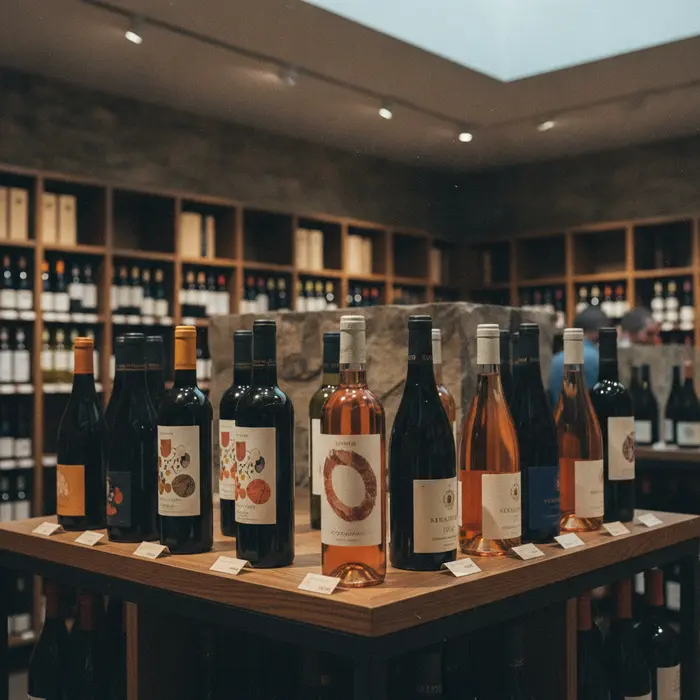
Keeping wine under constant temperature and humidity control requires heavy capital investment. These long-term utility, insurance, and facility maintenance fees are factored into the ultimate price of the matured bottle.
Shrinking Supply of Mature Vintages
As a specific vintage is opened and consumed globally, the overall quantity of remaining bottles falls. This natural scarcity drives up the collection value of the surviving inventory, particularly for famous regional classifications.
Provenance and Auction Records
A mature bottle is only valuable if it has a fully documented, pristine history of professional storage. Buyers pay a premium for verified provenance, ensuring the liquid has developed optimally over its long cellar journey.