Paso Robles has evolved into one of the most dynamic wine-growing regions in North America, renowned for its bold reds, creative blends, and diverse microclimates. This guide provides an in-depth exploration of the region's 11 distinct sub-AVAs, key grape varieties, and practical recommendations for tasting and food pairing in 2026. Whether you are looking for age-worthy Cabernet Sauvignon or a lively Rhone-style blend, understanding the unique terroir of this Central Coast powerhouse is key to selecting the perfect bottle.
What makes Paso Robles a premier wine region in 2026?
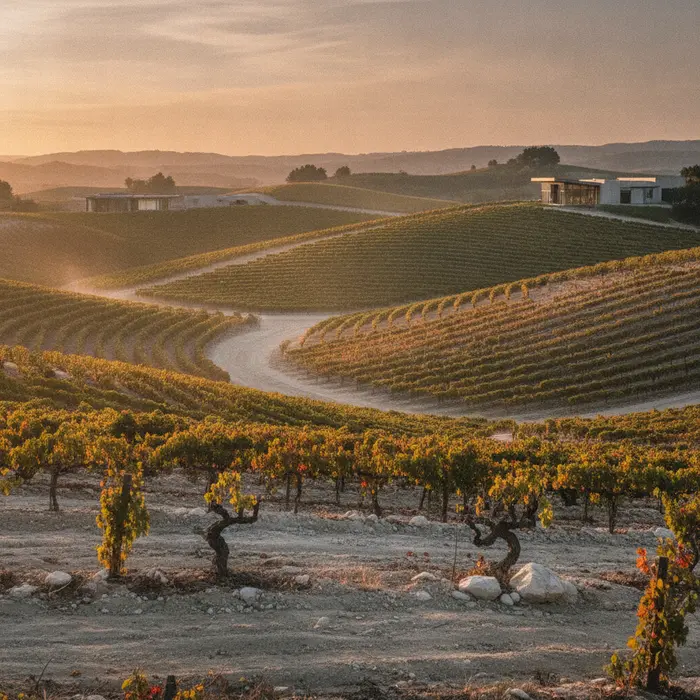
Paso Robles stands out globally because of its unique geological structure, intense solar radiation, and proximity to the Pacific Ocean.
Extreme diurnal temperature shifts
The region experiences intense daytime heat followed by drastic evening drops of up to 50 degrees Fahrenheit, preserving natural acidity in late-ripening grapes.
Diverse soil series and marine limestone
With the largest concentration of calcareous soils in California, vineyards benefit from calcium-rich clay that retains moisture and forces grapevine roots deep into the earth.
Which wine grapes define the Paso Robles AVA?
The regional identity of Paso Robles is anchored by classic Rhone, Bordeaux, and heritage Spanish and Italian grape varieties. To understand these foundational elements, refer to our comprehensive guide on discovering wine grapes.
Bold and structured Cabernet Sauvignon
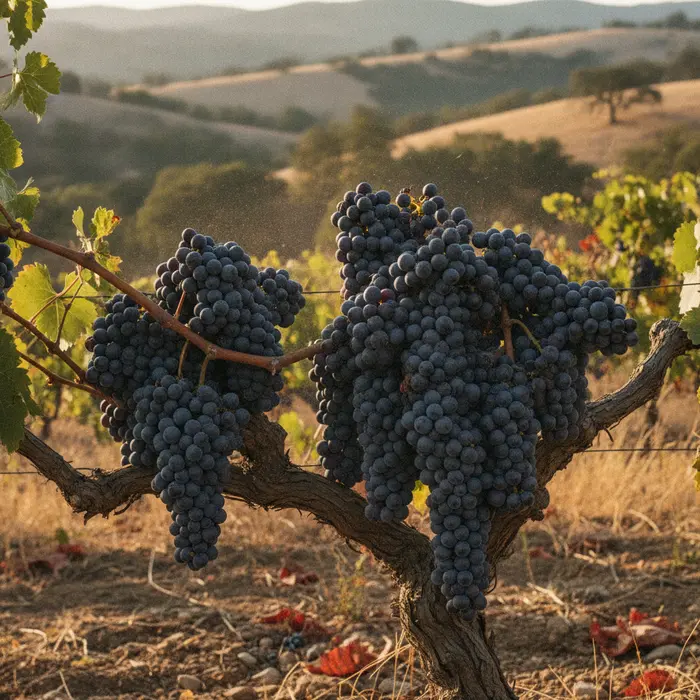
Cabernet Sauvignon covers more than half of the region's acreage, delivering dark fruit profiles, robust tannins, and a luxurious mid-palate weight.
Rich and expressive Syrah and Grenache
Rhone-style blends are highly acclaimed here, showcasing plush black pepper, gamey undertones, and vibrant red fruit characteristics.
Zinfandel's historic heritage vines
Zinfandel remains the historical heartbeat of the region, featuring century-old head-trained vines that produce concentrated, jammy, and spice-driven wines.
How is the Paso Robles AVA sub-divided?
Paso Robles is officially divided into 11 distinct sub-AVAs, each boasting its own unique climate, elevation, and geological profile. This classification makes it a cornerstone of the broader Central Coast wine region.
The cooler Templeton Gap District
Located in the path of sea breezes entering from the Pacific Coast, this district produces Pinot Noir, Chardonnay, and high-acid Syrah.
The high-altitude Adelaida District
Boasting elevations up to 2,200 feet, this western district features limestone soils that yield exceptionally structured Cabernet Sauvignon and Rhone blends.
The warm, robust El Pomar District
With its loam and clay soils, El Pomar offers moderate temperatures perfect for producing exceptionally balanced Merlot and Cabernet Franc.
| Sub-AVA | Primary Soils | Key Grape Varieties | Climate Profile |
|---|---|---|---|
| Adelaida District | Calcareous, limestone clay | Cabernet Sauvignon, Syrah, Grenache Blanc | High elevation, cool marine breeze |
| Templeton Gap District | Alluvial loam, gravel | Pinot Noir, Syrah, Chardonnay | Cool coastal winds, heavy marine fog |
| El Pomar District | Linne-Calodo clay, loam | Merlot, Cabernet Franc, Syrah | Moderate, coastal breezes |
| San Miguel District | Alluvial sandy loam | Zinfandel, Cabernet Sauvignon, Petite Sirah | Warm, dry, high diurnal shifts |
Modern Paso Robles producers and wine styles
Paso Robles winemakers are celebrated for their unconventional blending techniques and creative freedom, moving beyond rigid Old World constraints.
Legendary estate-bottled Bordeaux blends
Producers utilize modern cellar techniques to create seamless, dense Bordeaux-style blends that rival the world's most luxurious wines.
Pioneering wild-yeast Rhone-style blends
Many properties focus on spontaneous fermentation and neutral oak aging to craft energetic, pure Grenache and Syrah expressions.
Modern experimental white field blends
Rhone whites like Viognier, Roussanne, and Marsanne are co-fermented to yield aromatic, textured, and surprisingly age-worthy white wines.
What are the best food pairings for Paso Robles wines?
Due to their bold structure, high alcohol potential, and concentrated fruit flavors, Paso Robles wines demand robust and flavorful dishes.
Pairing bold Cabernet with hearty meats
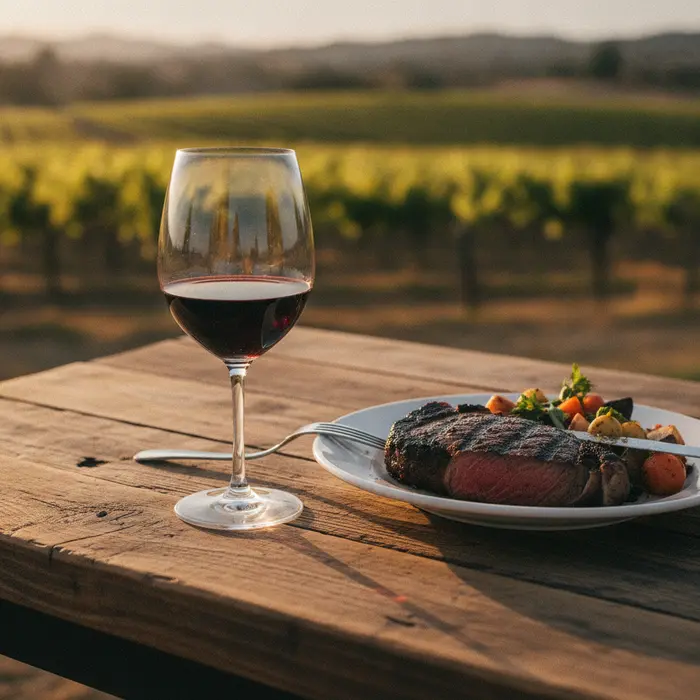
The rich tannins of a Paso Cabernet cut effortlessly through marbled proteins, making it the best wine for beef stew or prime ribeye steak.
Matching GSM blends with roast turkey
A vibrant, fruit-forward Grenache-Syrah-Mourvedre blend stands up to savory herbs, making it an exceptional option as the best wine with turkey.
Serving high-acid whites with fresh seafood
Grenache Blanc and Viognier blends are stellar when paired with buttery Dungeness crab, grilled sea bass, or rich scallop dishes.
Crucial itinerary tips for tasting in Paso Robles
Navigating the massive geography of Paso Robles requires a structured approach to ensure a seamless and rewarding tasting experience.
Westside Paso Robles scenic vineyard loop
Driving along Highway 46 West offers access to winding mountain roads, ancient oak trees, and historic hillside tasting rooms.
Eastside Paso Robles large-scale estates
The flatter, warmer east side of the highway is home to sprawling estates, sunny patios, and incredibly approachable Bordeaux varietals.
Tin City urban tasting experiences
An industrial park turned tasting oasis, Tin City allows visitors to walk between dozens of boutique wineries, craft breweries, and cideries.
How do Paso Robles wines age over time?
Many Paso Robles wines are built for longevity, evolving elegantly over years of careful cellar aging.
Cellar potential of mountain Cabernet Sauvignon
High-altitude Cabernet Sauvignon develops complex secondary notes of cedar, leather, and tobacco when cellared for ten to twenty years. If you are building a cellar collection, reference our aged like fine wine guide.
Longevity of heavy-tannin Syrah blends
Syrah-dominant blends with high structural tannins soften beautifully over seven to twelve years, transforming bold primary fruits into savoury olive tapenade flavors.
Paso Robles proves that power and elegance do not have to be mutually exclusive. The limestone-rich soils provide a mineral backbone that keeps even the boldest 15 percent alcohol wines vibrant, fresh, and remarkably balanced.
Essential Paso Robles dining and hosting combinations
Creating unforgettable culinary moments with Paso Robles wines relies on managing bold alcohol levels and rich, ripe fruit profiles.
Organizing a multi-vintage tasting dinner
Hosting a vertical tasting of local Cabernet blends with friends is a fantastic way to experience regional vintage variations.
Selecting the ultimate wine gift
A premium Paso Robles blend makes an incredibly thoughtful present for collectors, especially when seeking wine gifts for her. To discover more hospitality ideas, consult our guide on how to create memorable wine dining experiences.
- Stand the bottle upright for 24 hours prior to serving to allow any sediment to settle to the bottom.
- Uncork the wine carefully and pour a small tasting portion to assess its initial aeration state.
- Pour the wine slowly into a wide-base glass decanter, watching the bottle shoulder for sediment under a light source.
- Let the wine breathe for 45 to 60 minutes, allowing intense oak and bold fruit aromas to fully integrate.
- Serve at a cellar-cool temperature of approximately 60 to 65 degrees Fahrenheit.
How does Paso Robles contrast with Napa Valley?
While both regions produce world-class Cabernet Sauvignon, they differ fundamentally in climate, soil diversity, culture, and price points.
Microclimate and soil composition comparisons
Paso Robles is characterized by rugged limestone hillsides and dramatic diurnal shifts, whereas Napa features volcanic soils and a more moderate maritime influence.
Price points and accessibility metrics
Paso Robles remains significantly more accessible, offering boutique high-quality wines at a fraction of Napa Valley's premium pricing. If you are monitoring your daily intake, you can also explore wine calories by type to understand the energetic density of these bold, high-alcohol reds.