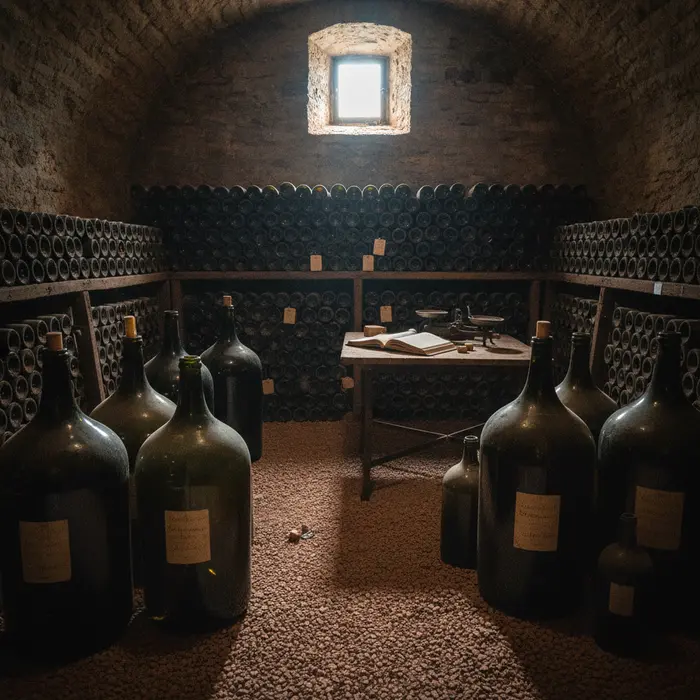
What are the different large-format wine bottles called?
Large-format wine bottles are named after biblical kings and historical figures, offering functional aging advantages alongside their dramatic visual appeal. Standardizing these names helps collectors and merchants trade rare physical bottles without confusion.
The standard bottle counterparts
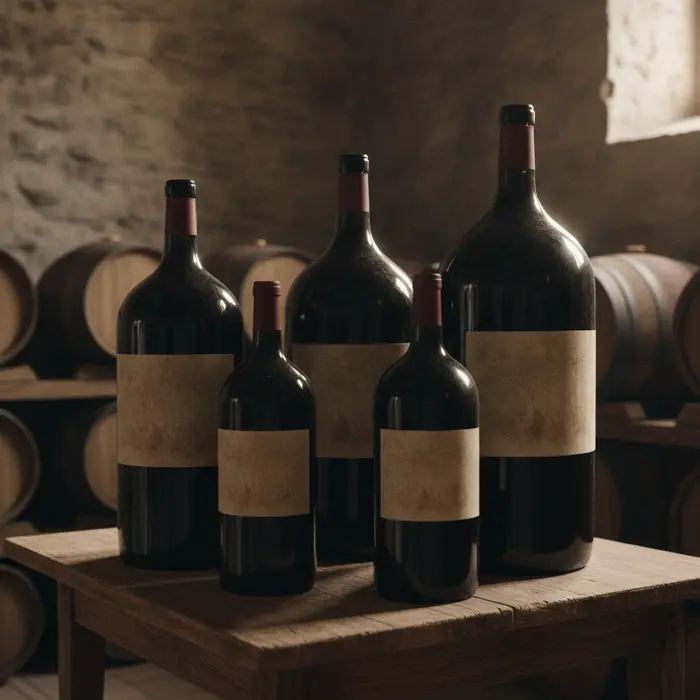
The standard 750ml bottle is the global benchmark for wine packaging, but the Magnum is its first major upgrade. At 1.5 liters, a Magnum holds the equivalent of two standard bottles and is highly favored by collectors because the wine matures more slowly and gracefully due to a lower ratio of oxygen to liquid.
The biblical giants
Oversized bottles such as the Jeroboam (3 Liters or 4 bottles), Methuselah (6 Liters or 8 bottles), and Salmanazar (9 Liters or 12 bottles) dominate historical wine cellars. Champagne and Bordeaux utilize slightly different naming conventions for these sizes, but the physical volume remains immense, often requiring two people to pour safely.
When to serve large formats
Serving from an oversized bottle makes sense for large gatherings of twelve or more people where everyone can share the exact same bottling. It ensures consistency of flavor across the room, which is impossible when opening multiple individual 750ml bottles that may suffer from minor bottle variation.
How many glasses of wine are actually in a bottle?
Calculating the exact yield of a wine bottle prevents shortages during service and ensures accurate portion control. Standard calculations rely on specific fluid ounce measurements rather than guesswork.
Standard pours and measurements
A standard restaurant pour is 5 fluid ounces (150 ml), which yields exactly five glasses of wine from a standard 750ml bottle. Keeping this baseline metric in mind allows you to scale up your math instantly for any collection size or event list.
Tasting pours vs restaurant pours
For structured tastings, pour sizes shrink to 2 ounces (60 ml) to allow guests to evaluate multiple profiles without overconsuming. This smaller pour yields roughly 12 to 13 tasting servings per standard bottle, making it highly economical for educational flights.
Calculating for dinner parties
To avoid running short, assume each adult guest will consume two standard drinks in the first hour and one drink per hour after that. If you host ten people for a three-hour dinner, you will need approximately 40 pours, which translates directly to 8 standard bottles of wine.
What happens when you buy wine by the case?
Buying wine by the case is the most efficient way to build a serious home collection while securing volume discounts from merchants. Understanding case packaging ensures you get the best value and store the cases correctly.
Standard twelve-bottle cases
A traditional case of wine contains 12 standard 750ml bottles, totaling 9 liters of liquid. Retailers often offer a 10% to 15% discount when you purchase wine in full-case increments, which helps offset the upfront cost of premium regions like Tuscany or Burgundy.
Split cases and custom orders
Many independent bottle shops allow customers to build a mixed case of 12 different bottles while still honoring the standard case discount. This approach is highly recommended for tasters looking to explore diverse styles before committing to a full case of a single vintage.
Bulk discounts and storage needs
Buying multiple cases requires immediate consideration of your physical footprint. Three cases of wine require approximately two square feet of floor space and must be stored horizontally to keep the corks moist, preventing premature oxidation.
How do you store massive quantities of wine safely?
Safe long-term storage is the difference between an investment that improves with age and expensive vinegar. Larger volumes require strict environmental controls to prevent systemic spoilage.
Temperature and humidity control
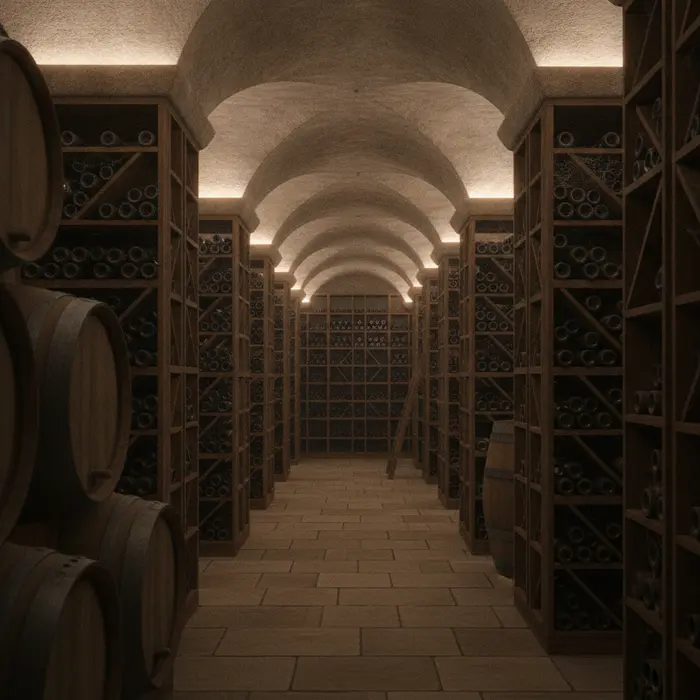
The ideal temperature for storing large quantities of wine is a constant 55 degrees Fahrenheit (13 degrees Celsius) with 60% to 70% relative humidity. Fluctuating temperatures cause the liquid inside to expand and contract, pushing the cork out and letting oxygen in, which ruins the wine.
Rack arrangements for large formats
Standard wine racks are built for typical Bordeaux or Burgundy shapes and will not accommodate Magnums or larger formats. Heavy-duty wooden shelving or reinforced wire racks are necessary to support the immense physical weight of larger glass bottles.
Avoiding bottle vibration
Persistent vibrations from nearby laundry machines, heavy foot traffic, or cooling compressors can disturb the delicate sediment in older wines. Ensure your storage racks are anchored securely and isolated from mechanical vibrations to keep the liquid undisturbed as it ages.
What are the world's most massive wine collections?
The scale of the world's largest wine cellars is staggering, housing millions of bottles under strict temperature controls. These locations serve as historical archives and massive tourist destinations.
The Milestii Mici cellar
Located in Moldova, Milestii Mici holds the Guinness World Record for the largest wine cellar by number of bottles, housing over 2 million physical bottles. The underground limestone galleries stretch for over 120 miles, requiring staff to navigate the cooling tunnels using bicycles.
Restaurant collections of extreme scale
Some of the world's finest dining destinations maintain wine cellars containing upwards of 100,000 bottles. Guests seeking ultra-luxury experiences can even discover rare, historic vintages, occasionally coming across an legendary 40k bottle of wine on elite reserve lists.
Private collector cellars
Ultra-wealthy private collectors build custom residential vaults designed to store tens of thousands of bottles. These cellars feature backup generators, dual climate cooling systems, and specialized inventory tracking software to manage the massive investment portfolio.
How to serve wine from oversized bottles
Serving wine from massive bottles requires careful preparation, the right physical tools, and a reliable pouring technique to prevent accidents. Glass weight alone can make standard service impossible.
Decanting giant formats
A major challenge with large bottles is managing sediment, which settles along the side of the bottle during storage. Decanting the entire volume into several standard decanters before service helps aerate the wine while leaving the bitter sediment behind.
Mechanical cradles and pouring tools
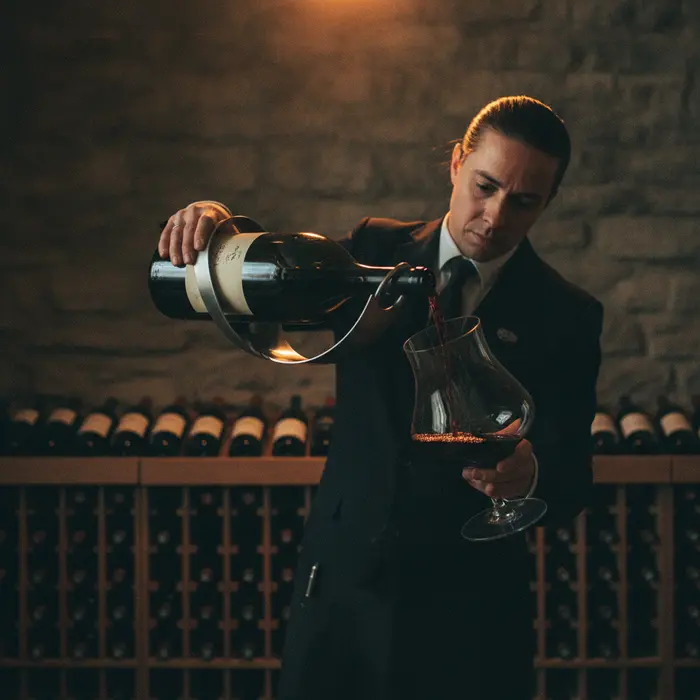
For bottles larger than six liters, sommeliers rely on mechanical brass cradles equipped with hand cranks. This equipment tilts the heavy glass bottle smoothly, allowing a clean pour without disturbing the sediment or straining the server.
Temperature management for large glass
Chilling a 9-liter Salmanazar of Champagne or dry white wine requires hours of preparation. Because of the sheer thermal mass of the glass and liquid, you must submerge the bottle in a massive ice tub for at least four to six hours prior to opening.
Practical scenarios for massive wine purchases
Planning bulk wine acquisitions requires a systematic approach to matching wine styles with crowd sizes and menu themes. Using structured buying patterns ensures no liquid goes to waste.
Planning a wedding or gala
When selecting wine for massive events, prioritize crowd-pleasing profiles with balanced acidity and moderate alcohol content. A crisp sparkling wine or a medium-bodied red blend ensures broad compatibility with various catering menus.
- Determine the total guest count and exclude non-drinkers.
- Multiply the active drinking guests by the hours of the event to find the total pour count.
- Divide the total pour count by 5 to calculate the exact number of 750ml bottles needed.
- Add a 15% buffer to account for unexpected spills or heavier pours.
Stocking up on everyday table wines
If you consume wine regularly with dinners, buying everyday table wines by the case saves significant trips to the shop. Look for versatile varieties like Chianti or Sauvignon Blanc that pair easily with diverse weeknight meals.
"Wine in volume is not about excess; it is about preservation, shared experiences, and ensuring that a great vintage can be enjoyed by a full table of friends without interruption."
Investing in age-worthy vintages
When buying wine for long-term cellaring, select wines with high tannin structure, vibrant acidity, or significant sugar levels. These structural components act as natural preservatives, protecting your bulk investment over decades.
| Bottle Size Name | Volume in Liters | Equivalent Standard Bottles | Typical Servings (5 oz) |
|---|---|---|---|
| Standard | 0.75 L | 1 Bottle | 5 Servings |
| Magnum | 1.5 L | 2 Bottles | 10 Servings |
| Double Magnum | 3.0 L | 4 Bottles | 20 Servings |
| Methuselah | 6.0 L | 8 Bottles | 40 Servings |
| Salmanazar | 9.0 L | 12 Bottles | 60 Servings |
| Nebuchadnezzar | 15.0 L | 20 Bottles | 100 Servings |
To ensure your massive collection remains in peak condition, practice Essential Care for Wine Bottles by managing cork integrity and handling heavy bottles gently. Proper presentation, structured cooling, and refined pouring methods are easily mastered with professional guidelines on How to Master Wine Service in 2026. If you are also monitoring dietary intake alongside volume, you can cross-reference your collection using our breakdown of Wine Calories by Type in 2026 to keep your cellar selections aligned with your lifestyle choices.