Porto is not only a vibrant city in Portugal but also the namesake and historic hub for Port wine, a fortified wine produced exclusively in the demarcated Douro Valley region. This unique wine, with its rich history and complex flavors, offers a distinct tasting experience unlike any other, deeply rooted in the rugged landscapes of northern Portugal.
What is Port Wine?
Port wine is a sweet, fortified wine produced in the Douro Valley of northern Portugal. Its fortification involves adding a neutral grape spirit (aguardente) to the fermenting must, which halts fermentation, preserves natural grape sugars, and increases alcohol content.
What makes Port wine unique?
Port wine's uniqueness stems from its specific terroir, traditional grape varieties, and the fortification process. This process yields a wine that is higher in alcohol and residual sugar, contributing to its signature richness and longevity.
Where does Port wine get its name?
Port wine gets its name from the city of Porto, where historically the wine was aged, blended, and shipped globally. Though produced inland in the Douro Valley, the wine's journey to market traditionally began from the cellars (lodges) in Vila Nova de Gaia, across the Douro River from Porto.
Where is Port Wine Produced?
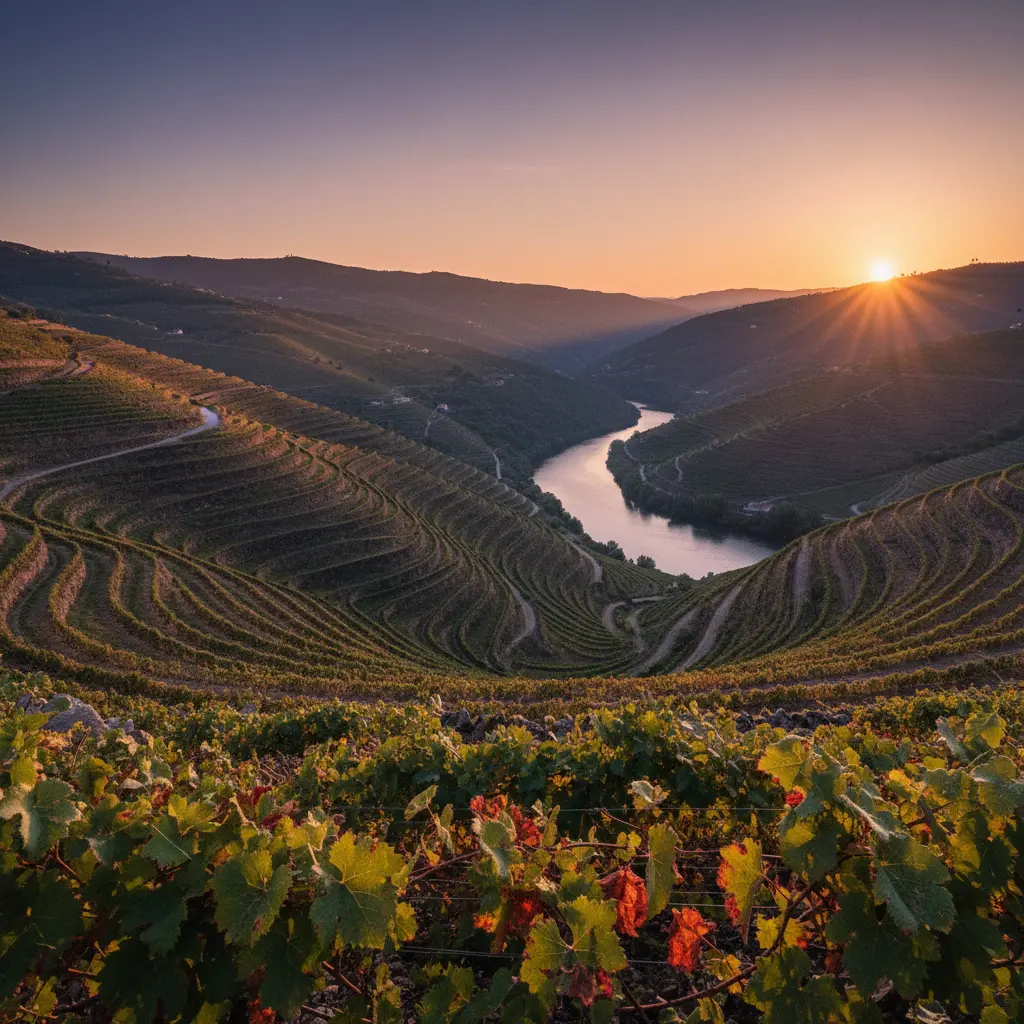
Port wine is exclusively produced in the demarcated Douro Valley region of northern Portugal. This area, a UNESCO World Heritage site, is characterized by its dramatic terraced vineyards carved into schistous hillsides along the Douro River.
What is the Douro Valley's significance?
The Douro Valley is significant as the world's first officially demarcated wine region, established in 1756. Its extreme climate, with hot, dry summers and cold winters, along with its unique soil composition, creates ideal conditions for cultivating the robust grape varieties essential for Port wine.
How do the vineyards influence Port's character?
The Douro Valley's steep, terraced vineyards, known as 'socalcos' and 'patamares,' demand intense manual labor and are crucial to the concentration and quality of the grapes. These challenging conditions contribute to the wine's depth, complexity, and distinct mineral notes.
What are the Main Types of Port Wine?
The main types of Port wine include Ruby, Tawny, White, Rosé, and the age-designated styles like Vintage and Late Bottled Vintage (LBV). Each type offers a distinct profile, varying in color, age, and flavor intensity.
What is Ruby Port?
Ruby Port is a non-vintage, young, fruity Port that is typically aged for a short period in large oak or stainless steel tanks to retain its vibrant red color and fresh fruit flavors. It is often the most accessible and least expensive style.
What is Tawny Port?
Tawny Port is a wood-aged Port that develops a pale, tawny-brown color and nutty, oxidized flavors due to prolonged aging in small oak barrels. It is often blended from several vintages and labeled with an age indication like 10, 20, 30, or 40 years old, representing an average age. For food pairings, Tawny Port works wonderfully with rich desserts or cheese, similar to how one might choose a red wine for beef stew.
What is Vintage Port?
Vintage Port is the highest quality and most expensive style, made from the finest grapes of a single, exceptional harvest. It is bottled after only two to three years in wood and then ages in the bottle for decades, developing complex aromas and a sediment that requires careful decanting before serving.
Which Grape Varieties are Used in Port Wine?
Port wine is typically made from a blend of indigenous Portuguese red grape varieties, though white Port uses white grapes. The most important red grape is Touriga Nacional, known for its intense color, structure, and aromatic complexity.
What is Touriga Nacional?
Touriga Nacional is considered Portugal's finest red grape variety, contributing deep color, firm tannins, and concentrated aromas of black fruits, floral notes (violet), and sometimes a hint of rockrose to Port blends.
Other key red grape varieties for Port:
Other significant red grapes include Touriga Franca, Tinta Roriz (Tempranillo), Tinta Barroca, and Tinto Cão. Each adds distinct characteristics: Touriga Franca brings elegance and floral notes, Tinta Roriz offers spicy fruit, Tinta Barroca provides richness, and Tinto Cão contributes structure and acidity.
How is Port Wine Made? A Step-by-Step Process
Port wine production involves several key stages: grape harvesting, crushing, fermentation, fortification, aging, and blending.
The Traditional Method: Lagares
Traditionally, grapes for Port are foot-trodden in shallow granite troughs called 'lagares' to gently extract color and tannins without crushing the seeds. While modern methods include mechanical crushers, many premium Ports still use lagares.
Fortification explained:
Fortification occurs when the fermenting grape must reaches about 5-9% alcohol, at which point a neutral grape spirit (aguardente) is added. This stops fermentation, retaining the wine's natural sweetness and increasing its alcohol content to 19-22%.
- Harvesting: Grapes are hand-picked from the steep Douro vineyards, typically in late September to early October.
- Crushing: Grapes are traditionally foot-trodden in lagares or processed by modern robotic lagares to extract juice, color, and tannins.
- Fermentation: The juice ferments briefly, usually for 2-3 days, to convert some sugar into alcohol.
- Fortification: Fermentation is stopped by adding a neutral grape spirit, preserving sweetness and boosting alcohol.
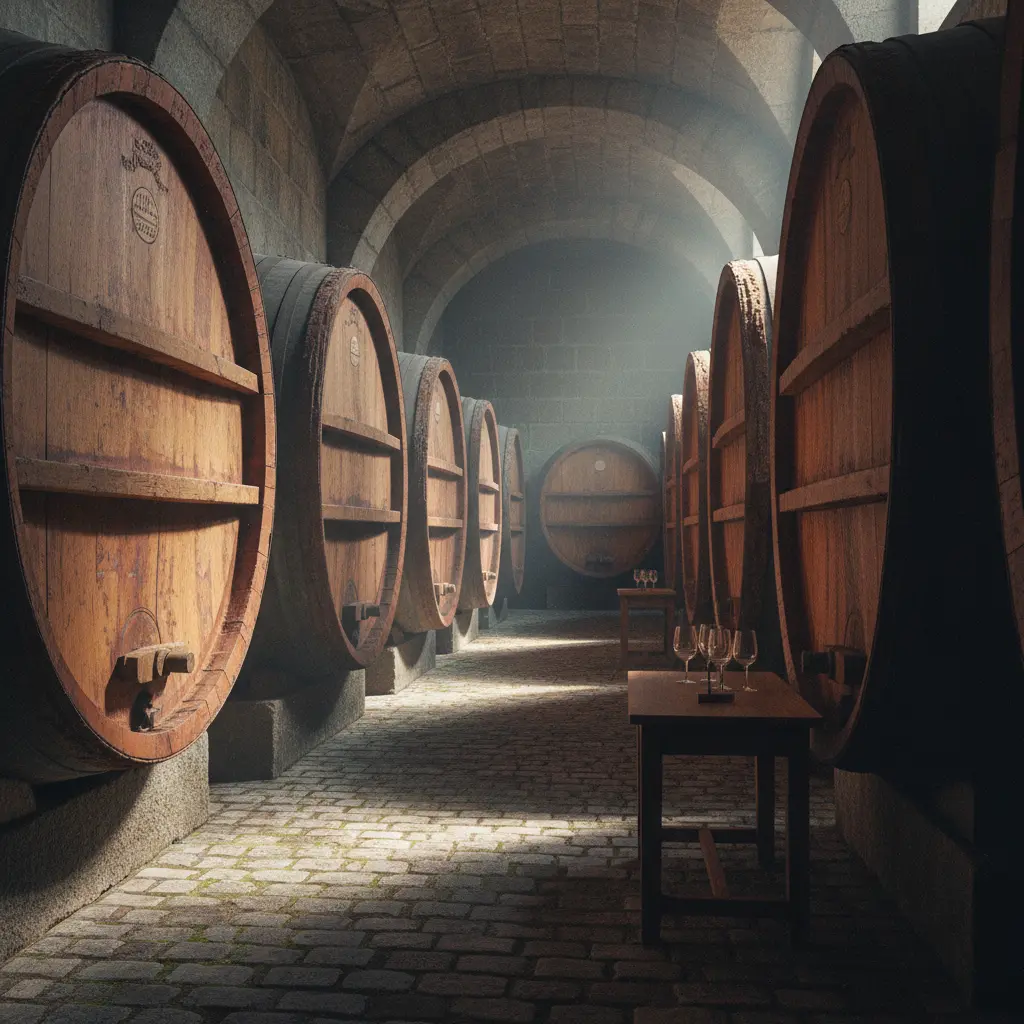
- Aging: The fortified wine is then transferred to cellars (often in Vila Nova de Gaia) for aging in various vessel types (large vats or small barrels) depending on the desired Port style.
- Blending & Bottling: After aging, wines are blended to achieve consistency and complexity, then bottled for release or further bottle aging.
How to Serve and Enjoy Port Wine?
Serving Port wine correctly enhances its enjoyment, with factors like temperature, glassware, and decanting being crucial.
What is the ideal serving temperature for Port?
Ruby, LBV, and Vintage Ports are best served slightly below room temperature, around 16-18°C (61-64°F), while Tawny and White Ports benefit from being chilled, 10-14°C (50-57°F).
Do I need special glasses for Port?
While not strictly 'special,' using a smaller tulip-shaped glass or a dedicated Port glass is recommended to concentrate the wine's aromas and allow for proper swirling and nosing. A standard white wine glass also works well.
"Port wine is more than a drink; it is a journey through time and tradition, a testament to the perseverance of the Douro's people and the magic of its terroir. Each sip tells a story of sun-drenched hills and centuries of craftsmanship."
- A Douro Winemaker
What are the Best Food Pairings for Port Wine?
Port wine offers versatile food pairing options, from cheeses and desserts to savory dishes.
Pairing Ruby and LBV Port:
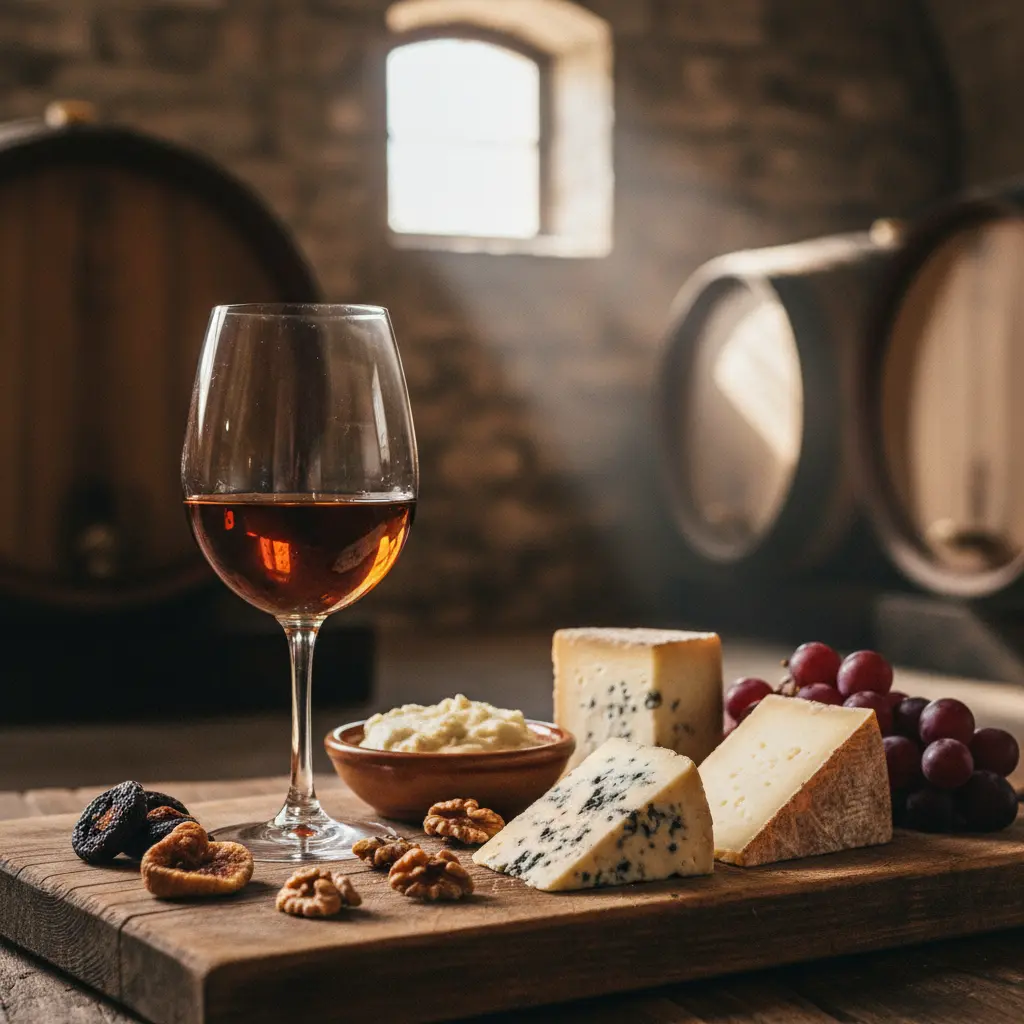
Ruby and LBV Ports, with their rich fruit character, pair exceptionally well with chocolate desserts, berry tarts, and strong, creamy cheeses like Stilton or Roquefort. They can also complement hearty main courses or be enjoyed alongside savory appetizers.
Pairing Tawny Port:
Tawny Port's nutty and caramel notes make it an excellent match for nutty desserts like almond cake, crème brûlée, apple pie, and a wide array of hard, aged cheeses. It also pairs well with foie gras or terrines, similar to how one might consider a comprehensive wine pairing guide for complex dishes.
Pairing Vintage Port:
Vintage Port, especially with some age, is traditionally paired with strong blue cheeses. Its intensity also allows it to stand alone as a contemplative after-dinner drink, or with rich, dark chocolate. These pairings create memorable wine and dining experiences.
Visiting the Porto Wine Region: Douro Valley Tourism
Visiting the Porto wine region offers an immersive experience, combining stunning landscapes with world-class wine tasting.
What can I do in Vila Nova de Gaia?
In Vila Nova de Gaia, directly across the Douro River from Porto, you can visit numerous Port wine lodges for cellar tours and guided tastings. Many lodges also offer shops where you can purchase unique bottles, making for excellent wine gifts.
Exploring the Douro Valley:
Exploring the Douro Valley itself involves scenic drives along the river, boat trips (rabelo boats), and visits to 'quintas' (wine estates). Many quintas offer accommodation, vineyard tours, and gastronomic experiences, providing a deeper insight into the winemaking process. This region offers a distinct experience compared to other major European wine regions like Bourgogne in France.
Buying and Storing Port Wine
Proper buying and storage practices ensure your Port wine maintains its quality and develops gracefully over time.
Tips for buying Port:
When buying Port, consider the style you prefer and its intended use. For immediate consumption, Ruby or Tawny Ports are excellent choices. For long-term aging and special occasions, look for Vintage Ports or high-quality LBVs.
How should I store Port wine?
Unopened Port bottles, especially Vintage Ports, should be stored horizontally in a cool, dark place with consistent temperature and humidity. Once opened, Ruby and Tawny Ports will last for a few weeks, while Vintage Port should be consumed within a few days due to its rapid oxidation.
| Style | Aging | Color | Flavor Profile | Best Served |
|---|---|---|---|---|
| Ruby Port | Short, in large tanks | Deep red | Fruity, berry, plum | Slightly chilled (16°C) |
| Tawny Port | Long, in small barrels | Tawny-brown | Nutty, caramel, dried fruit | Chilled (10-14°C) |
| Vintage Port | 2-3 years in wood, then decades in bottle | Deep ruby, evolving to garnet | Intense dark fruit, spice, evolving complexity | Cellar temperature (18°C), decanted |
| Late Bottled Vintage (LBV) | 4-6 years in wood | Deep ruby | Rich fruit, some complexity, ready to drink | Slightly chilled (16°C) |