Marlborough, New Zealand, is globally renowned for its distinctive and aromatic Sauvignon Blanc. This region's unique climate and fertile soils produce wines celebrated for their vibrant fruit intensity and crisp acidity, setting a benchmark for the varietal worldwide.
What is Marlborough's Signature Wine?
Marlborough's signature wine is unequivocally Sauvignon Blanc, recognized for its pungent aromatics and lively palate. This white grape variety thrives in the region's cool, sunny conditions, developing intense flavors that have captivated wine enthusiasts globally since the 1980s.
Why is Marlborough Sauvignon Blanc so distinctive?
Marlborough Sauvignon Blanc is distinctive due to its unique combination of intense fruit flavors, herbaceous notes, and vibrant acidity. The long, cool ripening season allows grapes to develop complex aromatic compounds, particularly thiols, which contribute to characteristic passionfruit, gooseberry, and green bell pepper aromas.
What other grape varieties are grown in Marlborough?
While Sauvignon Blanc dominates, Marlborough also successfully cultivates Pinot Noir, Chardonnay, Pinot Gris, and Riesling. Pinot Noir from Marlborough can offer bright cherry and earthy notes, often found in the Awatere Valley, providing a delicious contrast to the region's famous white wines. For comparison, explore Bourgogne's Pinot Noir.
How does Marlborough Sauvignon Blanc compare to other regions?
Marlborough Sauvignon Blanc stands apart from its Old World counterparts, like those from the Loire Valley in France, due to its more overt fruit intensity and pungent aromatics. While Sancerre and Pouilly-Fumé emphasize minerality and subtle green notes, Marlborough wines burst with passionfruit, gooseberry, and vibrant citrus, a style that has become a global benchmark.
Where is the Marlborough Wine Region Located?
The Marlborough wine region is situated at the northeastern tip of New Zealand's South Island. It is New Zealand's largest wine-producing region, accounting for over 75% of the country's total wine production, primarily concentrated in the Wairau and Awatere Valleys.
What are the key sub-regions of Marlborough?
Marlborough's key sub-regions include the Wairau Valley, the Southern Valleys, and the Awatere Valley. The Wairau Valley, encompassing areas like Renwick and Rapaura, is the heart of production, known for its ripe, tropical Sauvignon Blanc. The Awatere Valley, cooler and drier, produces wines with a more mineral, herbaceous character, while the Southern Valleys offer a balance between these styles.
How does Marlborough's geography influence its wines?
Marlborough's geography, characterized by broad river valleys, ancient glacial soils, and proximity to the coast, profoundly influences its wines. The protective mountain ranges shield vineyards from harsh weather, while stony, free-draining soils stress the vines, concentrating flavors in the grapes. Coastal breezes help maintain cool nighttime temperatures, preserving acidity.
What infrastructure supports Marlborough's wine production?
Marlborough's wine production is supported by extensive modern wineries, advanced irrigation systems, and a well-developed network of viticultural services. The region also benefits from its proximity to the port of Picton for export, and Blenheim serves as a central hub for logistics and tourism.
What Unique Climate Defines Marlborough's Terroir?
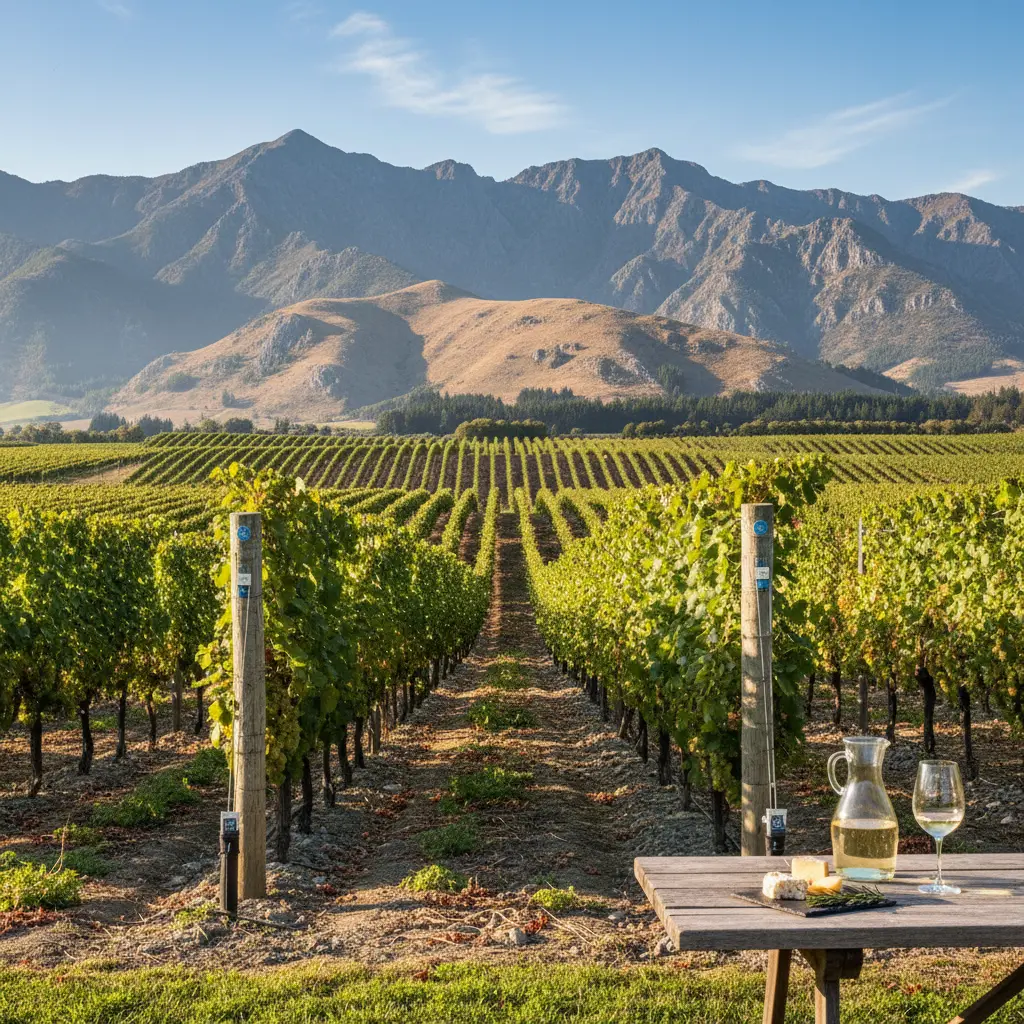
Marlborough's terroir is defined by a cool-maritime climate with abundant sunshine, significant diurnal temperature variations, and low rainfall during the growing season. This unique combination allows grapes to ripen slowly, developing intense varietal character while retaining crucial acidity, essential for its vibrant wines.
How do day-night temperature swings impact grape development?
Significant day-night temperature swings in Marlborough are crucial for developing complex aromatics and preserving acidity in grapes. Warm, sunny days promote sugar development, while cool nights slow down sugar accumulation and prevent the loss of malic acid, contributing to the crisp freshness that defines Marlborough wines.
What role does sunlight play in Marlborough's viticulture?
Abundant sunlight in Marlborough provides the energy for photosynthesis, vital for grape ripening and flavor development. The region boasts high sunshine hours, ensuring grapes achieve physiological ripeness and develop intense fruit flavors, even within its relatively cool climate.
How do Marlborough's soils contribute to its wines?
Marlborough's soils, primarily stony, free-draining alluvial riverbeds, contribute significantly to its wines by stressing the vines and concentrating flavors in the grapes. These poor soils, often mixed with clay and gravel, force the vine roots deeper, accessing essential nutrients and moisture, which enhances varietal character.
How Has Marlborough's Wine Industry Evolved?
Marlborough's wine industry has evolved from a nascent region in the 1970s to a global Sauvignon Blanc powerhouse by 2026. Its rapid growth was fueled by the international success of its distinctive Sauvignon Blanc, leading to massive vineyard expansion and significant investment in winemaking technology and sustainable practices.
When did Marlborough gain international recognition for wine?
Marlborough gained significant international recognition for its Sauvignon Blanc in the mid-1980s, particularly after the 1985 vintage from Cloudy Bay Estate. This vintage showcased the unique, pungent, and vibrant style that quickly captivated critics and consumers worldwide, establishing Marlborough as a leading wine region.
What are some key milestones in Marlborough's wine history?
Key milestones include the first commercial planting of grapes in 1973, the establishment of Montana (now Brancott Estate) in 1977, and the international breakthrough of Cloudy Bay Sauvignon Blanc in 1985. Subsequent years saw sustained vineyard expansion, diversification into other varietals, and a strong focus on sustainable viticulture.
What role do New Zealand's wine pioneers play in Marlborough?
New Zealand's wine pioneers, such as Frank Yukich of Montana (now Brancott Estate) and the founders of Cloudy Bay, played a crucial role in establishing Marlborough's reputation and developing its unique winemaking style. Their vision and investment transformed the region from sheep pasture to a world-class wine destination.
What are Typical Tasting Notes for Marlborough Sauvignon Blanc?
Typical tasting notes for Marlborough Sauvignon Blanc include vibrant aromas of passionfruit, gooseberry, grapefruit, and sometimes herbaceous hints of freshly cut grass or capsicum. On the palate, it is renowned for its crisp acidity, zesty citrus flavors, and a long, refreshing finish, often with a mineral streak.
"Marlborough Sauvignon Blanc didn't just put New Zealand wine on the map; it redefined an entire grape varietal, creating a new global benchmark for aromatic intensity and vivacious freshness." - Wine Critic, 2026
How do different Marlborough sub-regions influence flavor profiles?
Different Marlborough sub-regions subtly influence flavor profiles, with the Wairau Valley often producing riper, more tropical fruit notes, while the cooler Awatere Valley yields wines with stronger herbaceous and mineral characteristics. The Southern Valleys typically present a harmonious balance, showcasing both fruit and savory elements.
Are there oaked versions of Marlborough Sauvignon Blanc?
While rare, some winemakers produce oaked versions of Marlborough Sauvignon Blanc, typically using older, neutral oak or a small percentage of new oak for texture rather than overt oak flavors. These wines aim for complexity and a richer mouthfeel, contrasting with the more common unoaked, fresh style.
What is the aging potential of Marlborough Sauvignon Blanc?
While most Marlborough Sauvignon Blanc is designed for immediate enjoyment and consumed within 1-3 years of vintage, some premium examples, particularly those with more structure or subtle oak influence, can age gracefully for 5-7 years. Aging can develop notes of honey, toast, and dried fruit, adding complexity.
Which Foods Pair Best with Marlborough Wines?
Marlborough Sauvignon Blanc pairs exceptionally well with fresh seafood, goat cheese, asparagus dishes, and light salads, while its Pinot Noir complements poultry and mushroom-based dishes. Its high acidity and vibrant fruit cut through richness and cleanse the palate effectively.
What are ideal pairings for Marlborough Sauvignon Blanc?
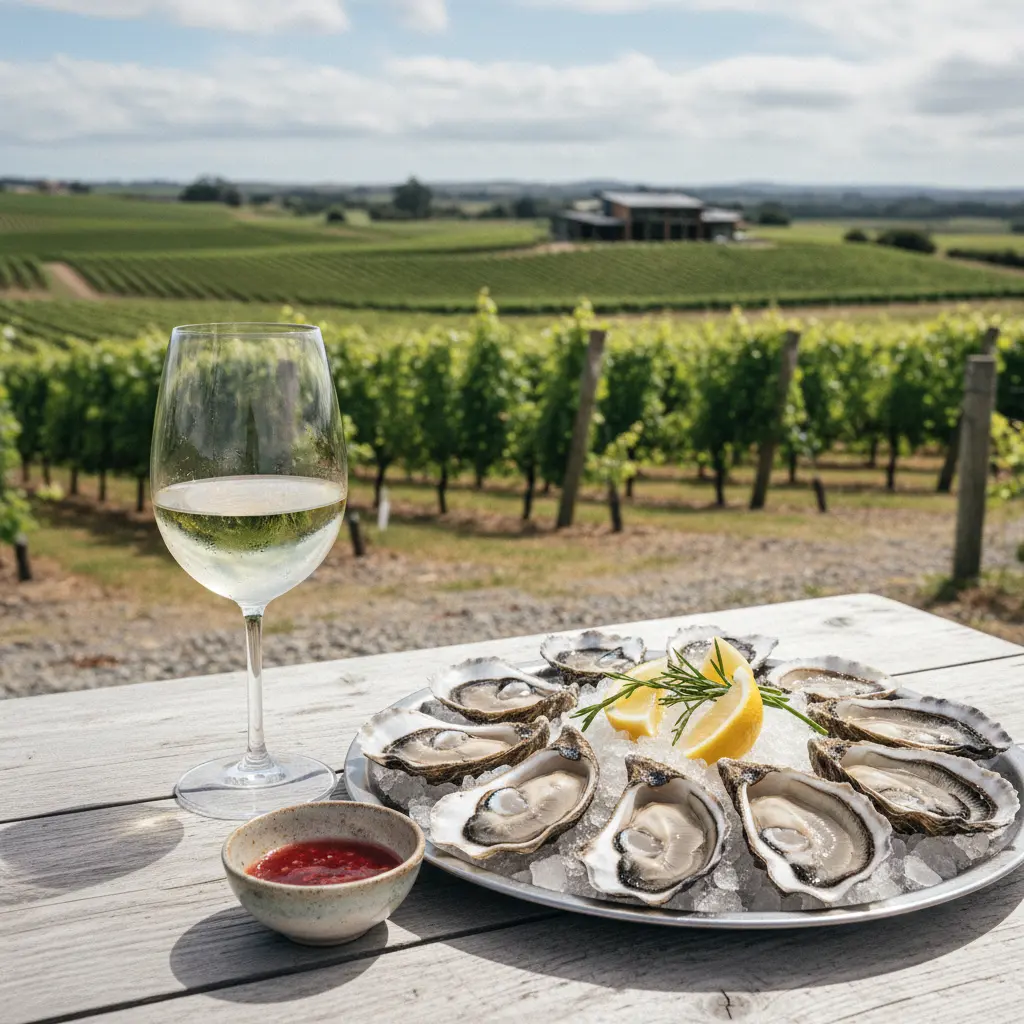
Ideal pairings for Marlborough Sauvignon Blanc include oysters, sushi (see our sushi wine pairing guide), ceviche, grilled white fish, and salads with vinaigrette dressings. Its herbaceous notes also make it a fantastic match for dishes containing herbs like dill, parsley, or cilantro.
Can Marlborough Pinot Noir be paired with richer dishes?
Marlborough Pinot Noir, with its lighter body and bright fruit, can pair effectively with richer, but not overly heavy, dishes such as roasted chicken, duck breast, mushroom risotto, and even some lighter pork preparations. Its elegance allows it to complement, rather than overwhelm, the food. For general guidance, consult a comprehensive wine pairing guide.
What are unique local food pairings for Marlborough wines?
Unique local food pairings for Marlborough wines include New Zealand green-lipped mussels, fresh Bluff oysters (best wine starters), and whitebait fritters, all of which marry beautifully with the region's crisp Sauvignon Blanc. Local lamb or venison dishes also find a complementary partner in Marlborough's elegant Pinot Noir.
How Can I Experience Marlborough's Wineries?
You can experience Marlborough's wineries by visiting cellar doors for tastings, joining guided wine tours, cycling through vineyard trails, and staying at vineyard accommodations. Many wineries offer dining experiences, allowing visitors to enjoy regional cuisine alongside their wines.
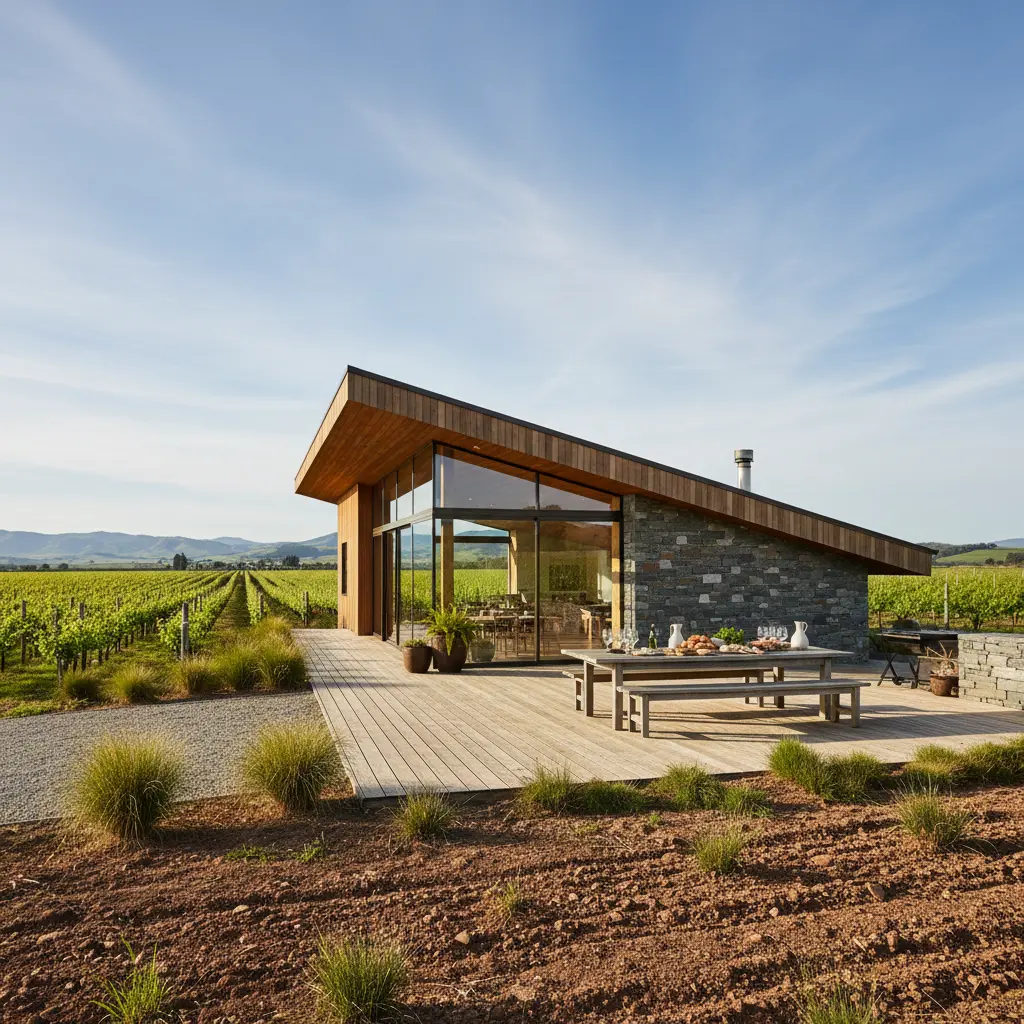
- Plan Your Route: Research wineries you wish to visit, considering their opening hours and if bookings are required, especially for tastings or tours. Group wineries by geographical area (e.g., Wairau Valley) to minimize travel time.
- Arrange Transport: Opt for a guided tour, hire a designated driver, or utilize the region's bike rental services for a leisurely self-guided tour. Remember to drink responsibly.
- Book Experiences: Reserve cellar door tastings, restaurant tables, or specific tour slots in advance, particularly during peak season (November to April) or for popular wineries.
- Engage with Winemakers: Take the opportunity to speak with cellar door staff or winemakers. They offer invaluable insights into the region's viticulture and winemaking philosophies.
- Consider Accommodations: Extend your visit by staying at a vineyard lodge or a nearby hotel in Blenheim or Picton, allowing more time to explore and relax.
Are there bike tours available through Marlborough's vineyards?
Yes, bike tours are a popular way to explore Marlborough's vineyards, offering a scenic and active way to visit multiple wineries at your own pace. Many operators provide bike rentals, maps, and even shuttle services for transporting purchased wines.
What is the best time of year to visit Marlborough wineries?
The best time of year to visit Marlborough wineries is during the warmer months, from November to April, when the weather is pleasant for outdoor activities and the vineyards are lush. March and April offer the excitement of harvest season, while spring (November-December) showcases budding vines and pleasant temperatures.
What types of accommodations are available near Marlborough vineyards?
Accommodations near Marlborough vineyards range from luxurious vineyard lodges and boutique hotels to charming B&Bs and holiday homes, primarily located in and around Blenheim and Picton. Many offer direct access to cellar doors and stunning views of the surrounding landscapes, enhancing the overall wine country experience.
Are Marlborough Wines Sustainable?
Many Marlborough wineries are deeply committed to sustainable practices, participating in initiatives like Sustainable Winegrowing New Zealand (SWNZ). This program covers environmental management, water conservation, biodiversity, and ethical labor practices, reflecting a strong regional ethos of environmental stewardship.
What is Sustainable Winegrowing New Zealand (SWNZ)?
Sustainable Winegrowing New Zealand (SWNZ) is a comprehensive certification program that sets standards for environmental and social responsibility in New Zealand's wine industry. It guides growers and winemakers in adopting practices that protect the environment, ensure wine quality, and support healthy communities.
How does sustainability impact the quality of Marlborough wines?
Sustainability practices in Marlborough positively impact wine quality by promoting healthier vineyards, enhancing biodiversity, and encouraging minimal intervention winemaking. These approaches often result in more resilient vines, better fruit expression, and wines that genuinely reflect their unique terroir.
What other environmental initiatives are common in Marlborough?
Beyond SWNZ, other environmental initiatives in Marlborough include biodiversity preservation projects, wetland restoration, native tree planting, and efforts to reduce water and energy consumption in wineries. Many producers also focus on organic and biodynamic practices, further minimizing their ecological footprint.
Marlborough Wine Characteristics Overview
Marlborough's primary grape varieties offer distinct characteristics, from vibrant whites to elegant reds. Below is a summary of the region's key wines.
| Grape Variety | Primary Style | Key Flavor & Aroma Notes | Acidity Level |
|---|---|---|---|
| Sauvignon Blanc | Crisp, Aromatic Dry White | Passionfruit, Gooseberry, Grapefruit, Green Bell Pepper, Mineral | High |
| Pinot Noir | Light-to-Medium Bodied Red | Red Cherry, Raspberry, Forest Floor, Spice | Medium-High |
| Chardonnay | Medium-to-Full Bodied White | Citrus, Stone Fruit, Nutty, Creamy (if oaked) | Medium |
| Pinot Gris | Off-Dry to Dry White | Nashi Pear, Apple, Honeysuckle, Ginger | Medium |