Friuli-Venezia Giulia is renowned for producing some of Italy's most exceptional white wines, characterized by their freshness, minerality, and distinctive regional character. This northeastern Italian region, bordering Austria and Slovenia, offers a complex tapestry of microclimates and soils that yield wines of remarkable quality and nuance, alongside intriguing reds.
What Makes Friuli-Venezia Giulia Unique for Wine?
Friuli-Venezia Giulia's distinctiveness stems from its unique geographical position, diverse soils, and a strong commitment to both indigenous and international grape varieties. The region benefits from the cooling influences of the Alps to the north and the tempering effects of the Adriatic Sea to the south, creating ideal conditions for viticulture.
Geographic Influences on Terroir
The convergence of alpine and maritime climates profoundly shapes Friulian wines, contributing to their aromatic intensity and balanced acidity. From the gravelly plains to the marl and sandstone hills of Collio and Colli Orientali del Friuli, each sub-region imparts a specific character to its grapes, fostering a rich diversity in wine styles.
Indigenous Grape Varieties and Heritage
Friuli is a custodian of ancient grape varieties, most notably Friulano (formerly Tocai Friulano) and Ribolla Gialla, which offer a direct connection to the region's winemaking heritage. These native grapes, cultivated for centuries, express the true essence of the Friulian terroir, producing wines with unique flavor profiles and remarkable structure.
Key White Grape Varieties of FVG
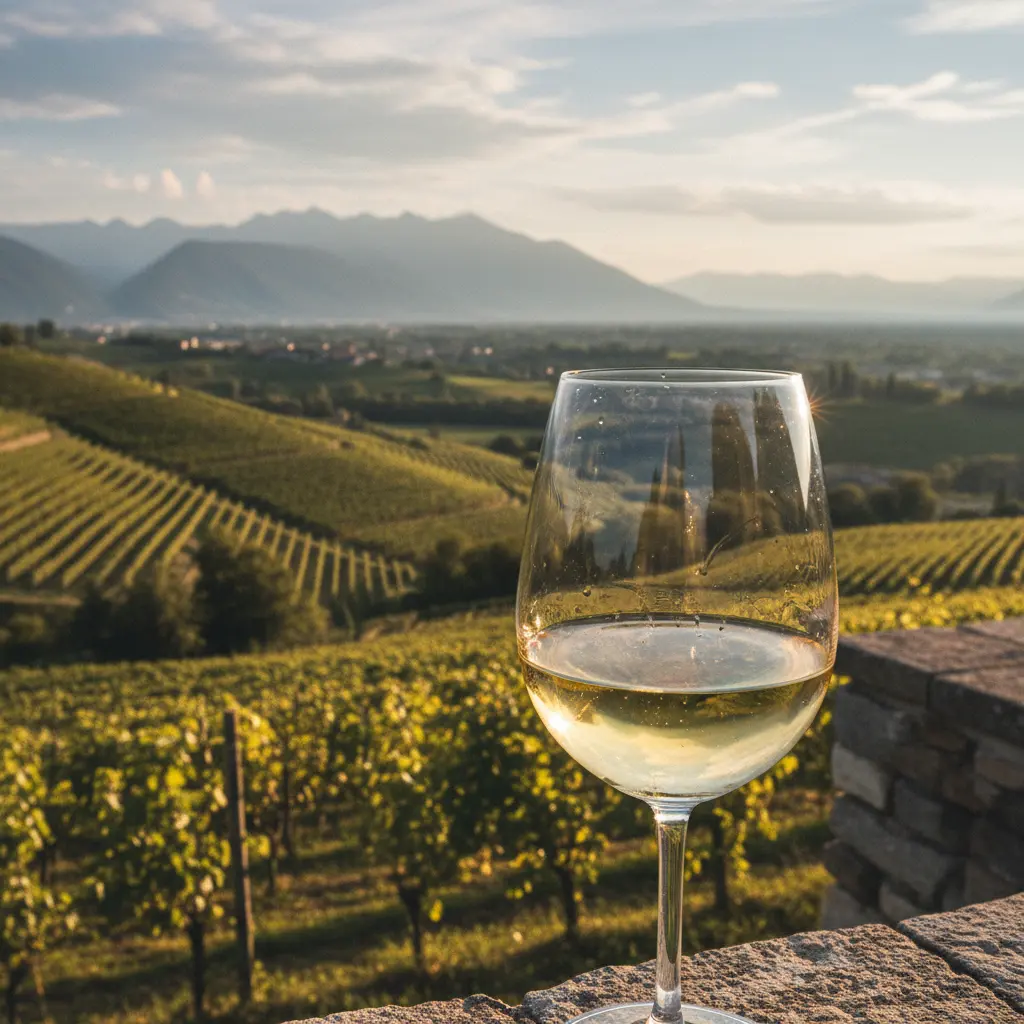
Friuli-Venezia Giulia is celebrated globally for its high-quality white wines, with several key varieties standing out for their expressiveness and character. These grapes thrive in the region's specific microclimates, yielding wines that are complex, aromatic, and often long-lived.
Friulano: The Region's Signature White
Friulano produces aromatic, full-bodied wines with notes of almond, white flowers, and often a subtle minerality. It is the quintessential white grape of Friuli, embodying the region's winemaking philosophy with its elegant balance and distinctive bitter almond finish.
Ribolla Gialla: Ancient and Aromatic
Ribolla Gialla is an ancient grape known for producing wines with crisp acidity, floral aromas, and a refreshing citrus character, often made in an orange wine style. Its versatility allows for various expressions, from light, vibrant everyday wines to complex, skin-contact masterpieces.
Pinot Grigio: Friulian Style
Friulian Pinot Grigio stands apart from its lighter counterparts, often presenting with richer body, deeper color (ramato), and more complex aromatic profiles. The wines tend to showcase ripe pear, stone fruit, and sometimes a hint of spice, reflecting meticulous vineyard management and winemaking techniques.
Sauvignon Blanc and Chardonnay
Beyond indigenous varieties, Friuli produces outstanding international grapes like Sauvignon Blanc and Chardonnay, which express strong varietal character alongside a pronounced sense of place. Friulian Sauvignon Blanc is typically vibrant and herbaceous, while Chardonnay often shows elegant fruit and minerality.
Exploring Friuli's Red Wines
While famous for whites, Friuli-Venezia Giulia also cultivates distinctive red grape varieties that produce wines of considerable character and food-pairing potential. These reds, though lesser-known internationally, are deeply cherished locally.
Refosco dal Peduncolo Rosso
Refosco dal Peduncolo Rosso is Friuli's most important indigenous red grape, yielding deeply colored, full-bodied wines with robust tannins and notes of dark berries, spice, and sometimes a rustic earthiness. These wines benefit from aging and pair wonderfully with hearty regional cuisine, such as goulash or cured meats. Learn more about robust pairings in our guide to Best Wine for Beef Stew.
Schioppettino (Ribolla Nera)
Schioppettino, also known as Ribolla Nera, produces elegant, aromatic red wines with notes of black pepper, wild berries, and often a distinctive herbal character. It is a more delicate red than Refosco, offering bright acidity and fine tannins, making it a versatile choice for a range of dishes.
Merlot and Cabernet Franc
International red varieties like Merlot and Cabernet Franc have found a comfortable home in Friuli, producing wines that combine varietal characteristics with the region's unique terroir. Friulian Merlot can be soft and plummy, while Cabernet Franc often displays a characteristic bell pepper note alongside red fruit.
Which are the Main Wine Zones in FVG?
Friuli-Venezia Giulia is divided into several distinct Denominazione di Origine Controllata (DOC) and Denominazione di Origine Controllata e Garantita (DOCG) zones, each with its own specialties and terroir. Understanding these zones is key to appreciating the region's diverse wine landscape.
Collio Goriziano DOC
The Collio Goriziano DOC is highly esteemed for its world-class white wines, particularly Friulano, Pinot Grigio, and Sauvignon Blanc, grown on the distinctive 'ponca' marl-sandstone soils. Its hillside vineyards produce wines of intense minerality, complexity, and longevity, making it one of Italy's premier white wine regions.
Colli Orientali del Friuli DOCG
Colli Orientali del Friuli (Eastern Hills of Friuli) is a significant DOCG known for both exceptional white wines, including Friulano and Ribolla Gialla, and noteworthy reds like Refosco and Schioppettino. This zone boasts a varied topography and soil composition, supporting a wide array of high-quality expressions.
Grave del Friuli DOC
Grave del Friuli DOC, the largest wine-producing area in the region, is characterized by its gravelly soils and is a prolific producer of both white and red wines, offering excellent value. It's particularly known for crisp Pinot Grigio and structured Merlot, providing accessible yet quality examples of Friulian winemaking.
How Do Friulian Wines Pair with Local Cuisine?
Friulian wines, with their vibrant acidity and complex profiles, are exceptionally food-friendly, harmonizing beautifully with the region's rich culinary traditions. Whether a crisp white or a robust red, there's a perfect pairing for almost any dish.
Pairing White Wines with Regional Cuisine
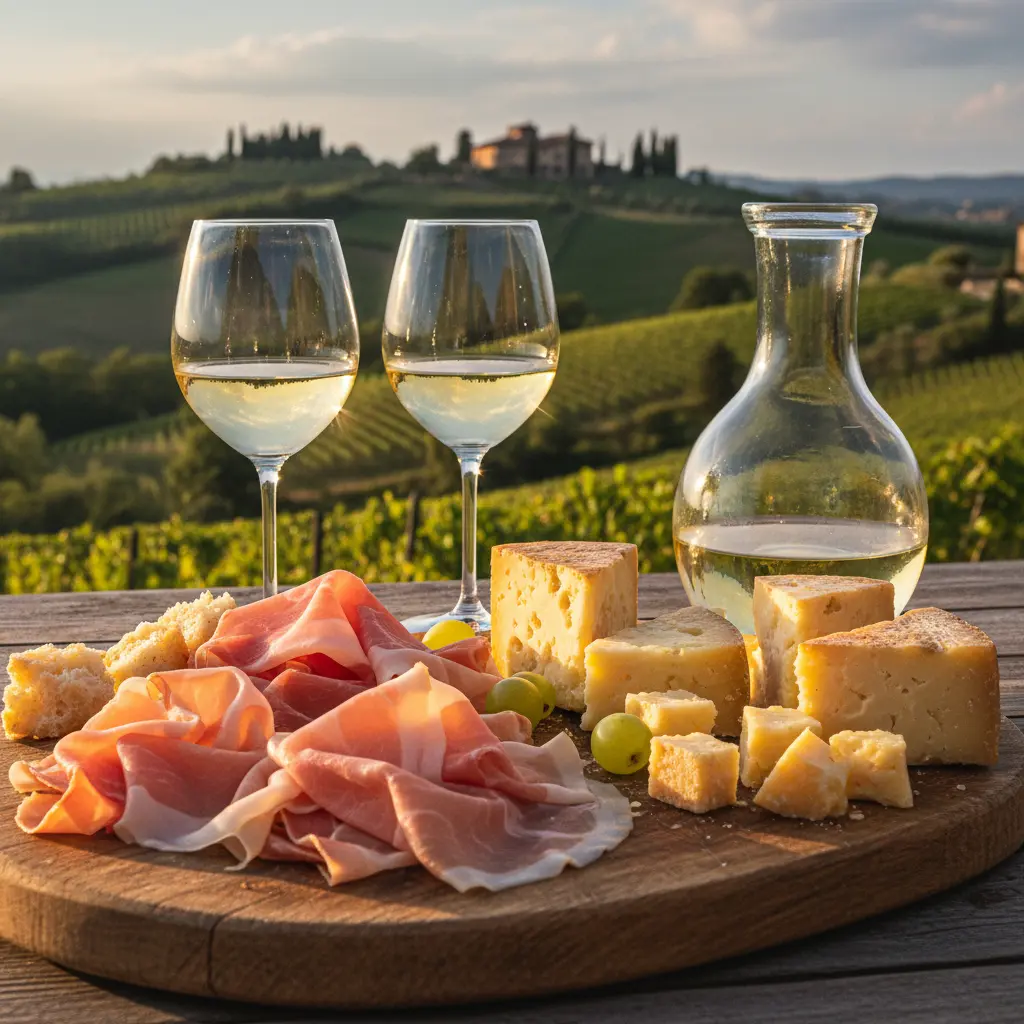
Crisp Friulano and Ribolla Gialla are ideal companions for delicate seafood, light pasta dishes, and local appetizers like San Daniele prosciutto. The wine's acidity cuts through richness, while its aromatic nuances complement the subtle flavors of the food. For a broader perspective on food and wine harmony, consult our Best Wine Pairing Guide 2026.
Red Wine Pairings for Heartier Dishes
Robust reds like Refosco dal Peduncolo Rosso excel with rich meat dishes, game, and aged cheeses, standing up to bold flavors with their structure and fruit intensity. Schioppettino, being lighter, pairs well with charcuterie or mushroom-based pasta.
A History of Winemaking in Friuli-Venezia Giulia
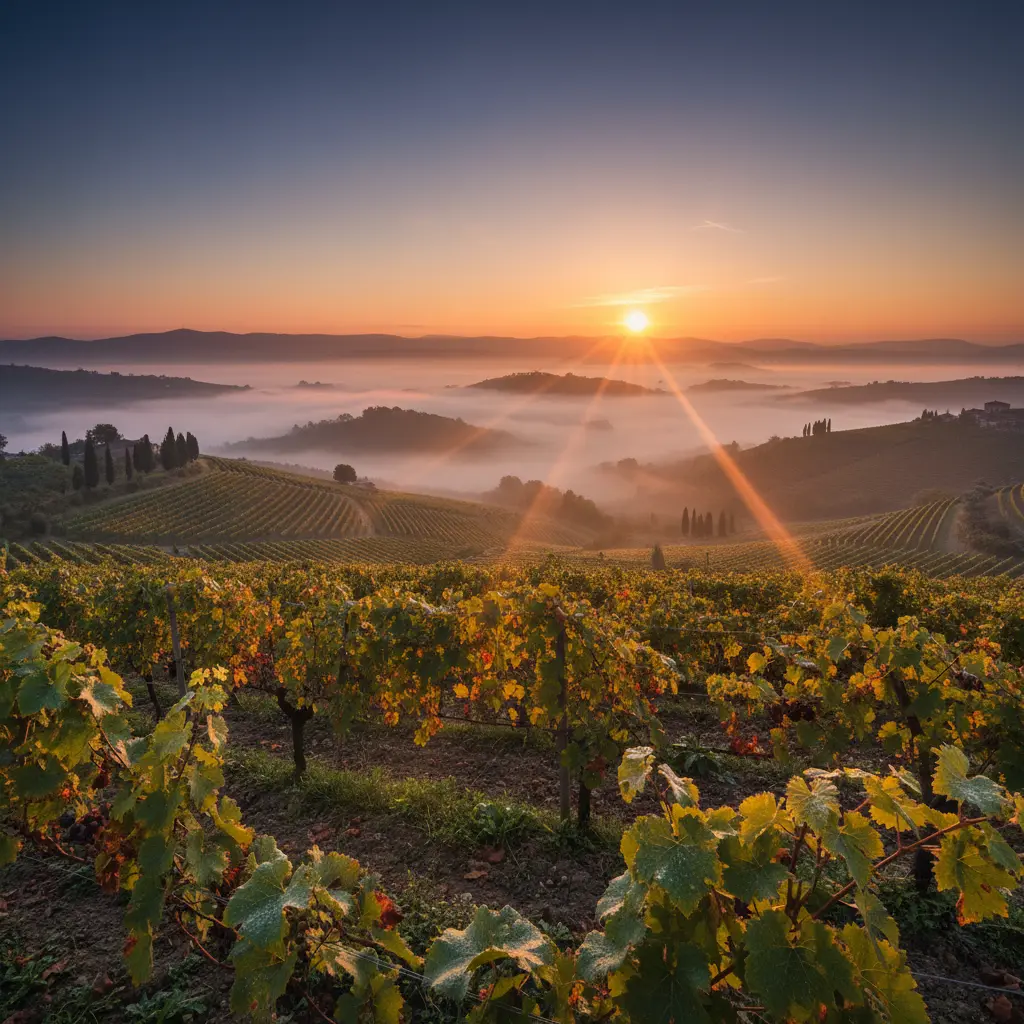
Friuli-Venezia Giulia boasts a winemaking history dating back to Roman times, continuously evolving through various cultural influences to become the esteemed region it is today. The deep roots of viticulture here reflect centuries of dedication to quality and tradition.
Ancient Roots and Roman Influence
Winemaking in Friuli was established by the Romans, who recognized the fertile lands and favorable climate for grape cultivation. Archaeological finds confirm the presence of viticulture throughout the region, laying the foundation for its enduring wine culture.
Modern Renaissance and Quality Focus
The mid-20th century saw a significant shift towards quality-focused winemaking, with Friulian producers pioneering modern techniques while preserving indigenous varieties. This commitment elevated the region's status, particularly for its white wines, on the international stage.
Planning a Wine Trip to Friuli-Venezia Giulia
A wine trip to Friuli-Venezia Giulia offers an immersive experience into its rich wine culture, picturesque landscapes, and delectable cuisine. Strategic planning ensures you make the most of this unique Italian region.
Crafting Your Friulian Wine Itinerary
Crafting an itinerary for a Friulian wine trip involves selecting key wineries and strategic lodging to maximize your experience.
- Research Wineries: Identify specific wineries you wish to visit, focusing on those known for your preferred grape varieties or styles. Many require advance appointments, especially for tastings or tours.
- Choose Your Base: Select a central town like Udine, Gorizia, or Cividale del Friuli as your base, offering easy access to different wine zones. These towns also provide excellent dining and cultural attractions.
Navigating the Region: Essential Travel Tips
Navigating Friuli-Venezia Giulia's wine routes efficiently requires planning your transportation and securing accommodations in advance.
- Plan Transportation: Consider renting a car for flexibility to navigate between vineyards, as public transport can be limited in rural areas. Alternatively, hire a local guide or book a dedicated wine tour.
- Book Accommodations: Secure lodging in advance, particularly during peak seasons (spring and autumn harvest). Agriturismos (farm stays) within vineyards offer an authentic experience.
"Friulian wines are a testament to patience, tradition, and an unwavering belief in the land. Each bottle tells a story of sun, soil, and the passionate hands that guide it from grape to glass."
- A Friulian Winemaker's Reflection
How to Identify Quality Friulian Wine?
Identifying quality Friulian wine involves paying attention to the producer, vintage, specific DOC/DOCG appellation, and often, the wine's aromatic complexity and balance. Look for reputable estates known for their commitment to traditional methods and expressive terroir.
Understanding DOC/DOCG Labels
The DOC (Denominazione di Origine Controllata) and DOCG (Denominazione di Origine Controllata e Garantita) designations on Friulian wine labels are crucial indicators of quality and adherence to strict production standards. DOCG, such as Colli Orientali del Friuli Picolit, represents the highest tier, ensuring geographical authenticity and rigorous quality control.
Producer Reputation and Vintage Considerations
Researching the producer's reputation, reading wine reviews, and considering the vintage are essential steps in selecting high-quality Friulian wines. Established wineries often have a consistent track record of excellence, and some vintages are particularly lauded for specific varietals due to favorable weather conditions.
Are Friulian Wines Age-Worthy?
Many premium Friulian wines, especially structured whites and certain red varietals, possess excellent age-worthiness, developing greater complexity and nuanced flavors over time. This is particularly true for wines from top producers and specific appellations like Collio or Colli Orientali del Friuli.
Aging Potential of White Wines
High-quality Friulano, Ribolla Gialla, and even some Pinot Grigio from top producers can age gracefully for 5-10 years, sometimes longer, developing notes of honey, nuts, and dried fruit. Their natural acidity and extract provide the backbone for extended cellar life. Explore more about how wines age here.
Aging Potential of Red Wines
Friuli's structured red wines, particularly Refosco dal Peduncolo Rosso and certain blends, can benefit significantly from 5-15 years or more of bottle age. This allows their robust tannins to soften and their complex fruit and savory notes to integrate fully, offering a rewarding experience. For serving aged wines, proper technique is essential, as detailed in our guide on How to Master Wine Service.
Beyond the Bottle: Local Culture and Traditions
The wine culture of Friuli-Venezia Giulia is deeply intertwined with its local traditions, history, and the warm hospitality of its people. Experiencing the region means embracing its unique blend of Italian, Slavic, and Austro-Hungarian influences.
Culinary Delights of Friuli
Friulian cuisine is hearty and diverse, featuring dishes like 'frico' (a cheese and potato pancake), gnocchi, hearty stews, and fresh seafood from the Adriatic coast. These local specialties are perfectly crafted to complement the region's wines, creating memorable dining experiences. Learn more about creating such experiences with our How to Create Memorable Wine & Dine Experiences guide.
Festivals and Wine Events
Throughout the year, Friuli hosts numerous wine festivals and local celebrations that showcase its viticultural heritage and culinary prowess. Attending these events offers a fantastic opportunity to taste a wide range of wines, meet producers, and immerse yourself in the vibrant local culture.
Friuli-Venezia Giulia Wine Comparison Table
| Grape Variety | Typical Flavors/Aromas | Key Characteristics | Ideal Food Pairing |
|---|---|---|---|
| Friulano | Almond, white flowers, citrus, minerality | Full-bodied, balanced acidity, distinctive finish | Prosciutto, frico, delicate fish |
| Ribolla Gialla | Green apple, floral, citrus, sometimes herbal | High acidity, crisp, often aromatic; great for orange wine | Seafood risotto, fresh cheeses, lighter pastas |
| Pinot Grigio (Friulian) | Ripe pear, stone fruit, mineral, hint of spice | Rich texture, deeper color, complex aromas | Chicken dishes, creamy pasta, white meats |
| Refosco dal Peduncolo Rosso | Dark berries, black pepper, earthy, firm tannins | Full-bodied, robust, good aging potential | Goulash, aged Montasio, grilled red meats |
| Schioppettino | Black pepper, wild berries, herbal notes, violet | Medium body, bright acidity, elegant tannins | Charcuterie, mushroom dishes, poultry |