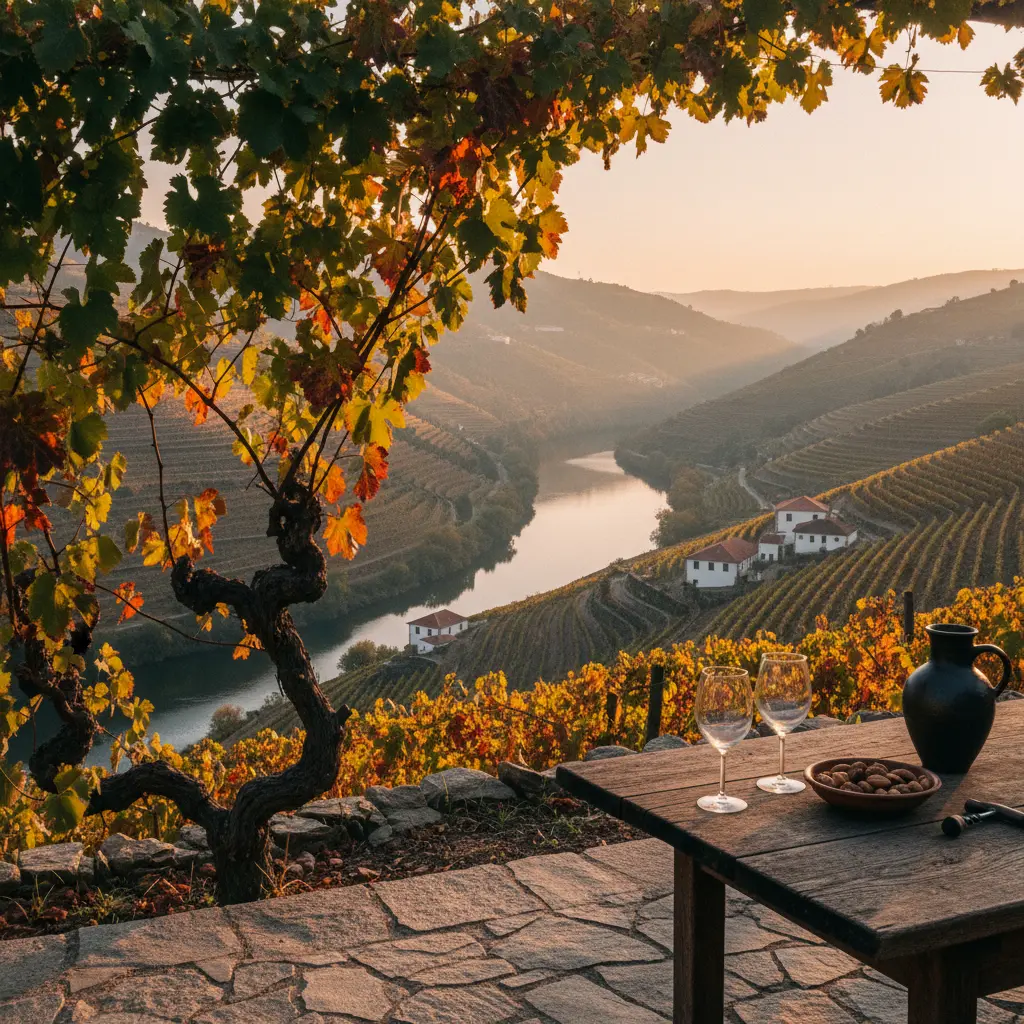
The Douro Valley, a UNESCO World Heritage site in northern Portugal, is primarily known as the exclusive origin of Port wine, but it is increasingly celebrated for its distinctive, high-quality unfortified (table) wines. This historic region, carved by the Douro River, offers a unique terroir that shapes complex, age-worthy wines, drawing enthusiasts globally.
What is the Douro Valley known for?
The Douro Valley is most famous for its dramatic terraced vineyards, its classification as a UNESCO World Heritage site, and being the sole birthplace of authentic Port wine, alongside a growing reputation for exceptional unfortified table wines. Its rugged landscape and rich viticultural history define its global standing.
A UNESCO World Heritage Landscape
The Douro Valley's viticultural landscape, with its ancient terraces meticulously sculpted into steep hillsides, was designated a UNESCO World Heritage site in 2001, recognizing its profound cultural and historical significance. This classification highlights the extraordinary human effort and traditional methods that have shaped the region's unique appearance over centuries.
Birthplace of Port Wine
The Douro Valley is the exclusive demarcated region for producing Port wine, a fortified wine known for its richness, sweetness, and complexity. For over 250 years, the region has cultivated indigenous grape varieties and perfected the art of fortification, making Port a global icon of Portuguese winemaking.
Rise of Douro DOC Table Wines
Beyond Port, the Douro Valley has emerged as a producer of acclaimed unfortified table wines under the Douro DOC (Denominação de Origem Controlada) designation, particularly robust reds and increasingly refined whites. Winemakers here leverage the same unique terroir and indigenous grapes used for Port to craft dry wines that express the region's intensity and character.
What are the Key Grape Varietals Grown in Douro?
The Douro Valley relies primarily on indigenous Portuguese grape varietals, with Touriga Nacional, Touriga Franca, Tinta Roriz (Tempranillo), Tinta Barroca, and Tinto Cão being dominant reds, and Rabigato, Malvasia Fina, and Viosinho leading the white varieties. These grapes are often blended to achieve balance and complexity in both Port and table wines.
Dominant Red Grapes
Touriga Nacional is considered the noblest red grape, offering intense floral aromas, dark fruit, and strong tannins, while Touriga Franca provides structure and aromatic complexity, and Tinta Roriz adds fruitiness and body. These three are typically the backbone of high-quality Douro reds and Port blends.
Important White Grapes
Rabigato contributes acidity and minerality, Malvasia Fina adds aromatic richness and texture, and Viosinho offers freshness and structure to Douro white wines. These varietals, often planted at higher altitudes, produce crisp, complex dry whites with notable aging potential.
Unique Local Varietals
Beyond the main players, grapes like Tinta Amarela, Rufete, and Gouveio contribute unique characteristics to the Douro's diverse wine profile, often found in traditional field blends. The region's history of mixed plantings means many vineyards feature a rich genetic diversity, adding complexity to the final wines.
How does Douro's Terroir Influence its Wines?
The Douro Valley's unique terroir, defined by its schist soils, steep terraced vineyards, and a continental climate with hot summers and cold winters, profoundly influences its wines by producing grapes with intense concentration, high acidity, and distinctive mineral characteristics. The river itself also plays a vital role in moderating temperatures.
Schist Soils and Steep Terraces
The region's predominant schist soils, composed of slate and granite, are poor in organic matter but retain water efficiently, forcing vines to dig deep roots and resulting in low yields of highly concentrated grapes. The iconic steep terraces, known as socalcos (traditional stone terraces) and patamares (modern earth terraces), maximize sun exposure and enable drainage on the dramatic slopes.
Climate and River Influence
The Douro experiences a continental climate, marked by very hot, dry summers and cold winters, leading to fully ripened grapes with intense flavors and high sugar levels. The Douro River moderates temperature extremes, especially in the Cima Corgo and Douro Superior sub-regions, creating a unique microclimate for viticulture.
Microclimates and Altitude
Different altitudes and exposures across the Douro's sub-regions (Baixo Corgo, Cima Corgo, Douro Superior) create diverse microclimates, allowing for a wide range of grape expressions. Higher altitude vineyards, particularly for white grapes, benefit from cooler temperatures, preserving acidity and aromatic freshness.
What are the Different Styles of Port Wine from Douro?
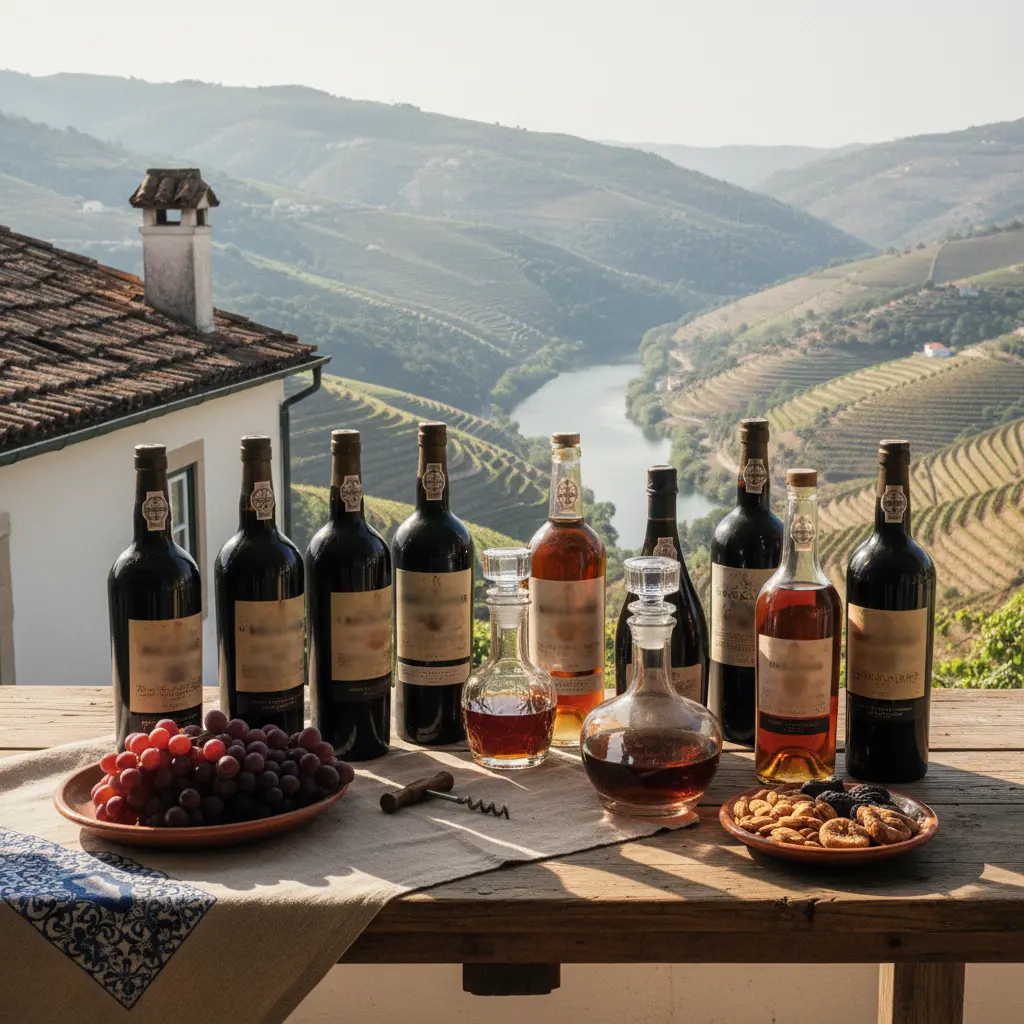
Port wine encompasses a broad spectrum of styles, categorized mainly into Ruby Ports (youthful, fruit-driven) and Tawny Ports (oxidatively aged, nutty), with Vintage Port representing the pinnacle of age-worthy, single-harvest bottlings. Each style offers a distinct tasting experience and aging potential. For a deeper dive into these classifications, explore our guide on understanding Port wine styles.
Ruby and Tawny Port
Ruby Ports, including standard Ruby, Reserve, and Late Bottled Vintage (LBV), are typically aged for shorter periods in large vats, retaining their vibrant fruit character and deep red color. Tawny Ports, conversely, undergo extensive oxidative aging in small wooden barrels, developing a characteristic brick-orange hue, nutty flavors, and a smoother texture. Here's a quick comparison:
| Port Style | Aging | Flavor Profile | Color |
|---|---|---|---|
| Ruby Port | Short, in large vats | Young fruit, blackberry, cherry | Deep red |
| Tawny Port | Long, in small barrels | Caramel, nut, fig, dried fruit | Amber to brick-orange |
| LBV Port | 4-6 years in vat | Rich fruit, more complex than Ruby | Deep red |
Vintage and Late Bottled Vintage (LBV) Port
Vintage Port is declared only in exceptional years and ages for a brief period in wood before bottling, requiring decades of bottle aging to reach its peak, while LBV Port is from a single harvest but ages longer in cask (4-6 years) before bottling, making it ready to drink sooner. Vintage Port represents a significant investment in time and cellar space, offering profound complexity and longevity.
White and Rosé Port
White Port is made from white Douro grapes, offering styles from dry to sweet, often enjoyed as an aperitif, while Rosé Port is a newer style, fermented with minimal skin contact to achieve a lighter, fruity profile, best served chilled or in cocktails. These lighter styles provide versatile and refreshing alternatives to traditional red Ports.
What are the Best Food Pairings for Douro Wines?
Douro wines, both Port and unfortified table wines, offer a wide range of food pairing possibilities, from rich cheeses and chocolate desserts with Port to robust meat dishes and Mediterranean cuisine with the region's dry reds and whites. The intensity and structure of these wines demand thoughtful culinary matches. Discover more comprehensive guidance in our wine and food pairing guide.
Pairing Port Wine
Ruby and LBV Ports pair wonderfully with chocolate desserts, berry tarts, and strong cheeses like Stilton or Roquefort, while Tawny Ports excel with nut-based desserts, crème brûlée, or foie gras. Vintage Port, after decades of aging, can be a sublime accompaniment to a rich cheese course or simply enjoyed on its own as a contemplative experience.
Pairing Douro Red Wines
Douro's powerful red table wines, with their firm tannins and dark fruit character, are excellent companions for roasted red meats, game, rich stews, and traditional Portuguese dishes like Cozido à Portuguesa or Francesinha. Their structure stands up well to robust flavors and hearty fare.
Pairing Douro White Wines
Crisp and aromatic Douro white wines, especially those with good acidity, complement seafood, grilled fish, poultry, and lighter Mediterranean dishes. The richer, barrel-aged whites can even stand up to creamy pasta or roasted white meats, offering a surprising versatility.
How can one visit the Douro Valley wine region?
Visiting the Douro Valley is an immersive experience best undertaken by exploring its numerous Quintas (wine estates), enjoying scenic river cruises along the Douro River, and driving through the breathtaking terraced landscapes. Planning ahead, especially during peak season, is crucial for securing accommodations and winery tours.
Quintas and Wineries Open to Visitors
Many of the region's Quintas, ranging from historic estates to modern producers, offer guided tours, wine tastings, and often guesthouse accommodations, providing an intimate look into Douro winemaking. Reservations are highly recommended, particularly for tasting experiences at smaller, family-run properties.
River Cruises and Scenic Drives
Taking a traditional Rabelo boat cruise or a modern riverboat along the Douro River offers unparalleled views of the terraced vineyards, while driving routes like the N222 are renowned for their picturesque winding roads through the wine country. These methods allow visitors to appreciate the scale and beauty of the landscape.
Best Time to Visit
The ideal time to visit the Douro Valley is during spring (April-May) when the vineyards are lush and blooming, or during harvest season (late August-October) for a vibrant, hands-on experience, although early autumn offers pleasant weather and stunning fall foliage. Summer months (June-August) can be very hot, but river activities are plentiful.
What Makes Douro Wines Unique in 2026?
In 2026, Douro wines maintain their uniqueness through a blend of deeply rooted traditions, pioneering sustainable viticulture practices, and a spirit of innovation that continues to refine both its iconic Port and its increasingly sophisticated table wines. The region's commitment to its heritage while embracing modern techniques sets it apart.
Sustainable Viticulture Practices
Many Douro wineries are increasingly adopting sustainable and organic viticulture, focusing on preserving biodiversity, reducing chemical use, and managing water resources responsibly, enhancing the natural purity and expression of their terroir. Learn more about global trends in sustainable viticulture. This commitment reflects a growing global trend towards ecological responsibility in winemaking.
Innovation in Winemaking
Winemakers in the Douro are continually experimenting with new fermentation techniques, aging vessels, and grape selections to push the boundaries of quality and style, particularly for their unfortified wines. This innovative spirit ensures the region remains dynamic and competitive on the global stage, offering consumers new and exciting expressions.
Preserving Ancient Traditions
Despite innovation, the Douro Valley steadfastly preserves ancient winemaking traditions, such as foot treading grapes in lagares (traditional stone troughs), especially for premium Port wines, honoring the region's rich history and unique character. This blend of old and new is a hallmark of Douro's distinct identity.
Is Douro a Good Wine Investment in 2026?
In 2026, the Douro Valley presents compelling investment opportunities for wine enthusiasts, particularly in collectible Vintage Ports and high-end Douro DOC table wines, driven by their proven aging potential, critical acclaim, and increasing global demand. The region's prestigious reputation and limited production contribute to its investment appeal.
Collectible Vintage Ports
Exceptional Vintage Ports from declared years are considered blue-chip wine investments, capable of aging for many decades and appreciating significantly in value due to their scarcity and unparalleled quality. Astute collectors track declarations and secure bottles from top Quintas for long-term cellaring and potential resale.
Growing Demand for Fine Table Wines
The increasing recognition and critical acclaim for Douro's premium dry red and white table wines are driving higher demand and price points, positioning them as attractive emerging investment options. As more consumers discover their quality and aging capacity, these wines offer strong potential returns.
Emerging Producers to Watch
Keep an eye on smaller, innovative Douro producers who are pushing quality boundaries, as their wines often offer excellent value and future appreciation potential before they achieve widespread recognition. Exploring lesser-known Quintas can uncover hidden gems for both consumption and investment purposes.
"The Douro Valley is not merely a place; it's a testament to human resilience and nature's generosity, where the struggle to cultivate vines on challenging slopes yields liquid poetry in every bottle." - A Douro Winemaker
How to Plan Your Douro Wine Journey: Step-by-Step
Planning a visit to the Douro Valley involves selecting your travel season, arranging transportation, choosing accommodations, and booking winery experiences to ensure a memorable trip. Follow these steps for an organized and enjoyable exploration of Portugal's wine heartland.
- Determine Your Travel Dates: Decide whether you prefer the mild weather of spring/early autumn (best for vineyard walks) or the lively atmosphere of harvest season (late August-October).
- Choose Your Base Town: Consider Pinhão, Peso da Régua, or Vila Real as central hubs offering various amenities and easy access to Quintas.
- Arrange Transportation: Options include renting a car for flexibility, taking a scenic train journey from Porto, or utilizing river cruises for picturesque transfers.
- Book Accommodations: Select from charming guesthouses on Quintas, boutique hotels in towns, or luxury riverfront resorts. Book well in advance, especially during peak times.
- Select Wineries and Book Tours: Research Quintas that interest you (e.g., for specific Port styles, table wines, or historical significance) and pre-book tours and tastings.
- Plan Activities: Integrate river cruises, viewpoints (miradouros), local dining experiences, and perhaps a visit to the Douro Museum in Peso da Régua into your itinerary.
- Consider a Guide: For a deeper understanding and stress-free navigation, consider hiring a local wine guide or joining a small group tour for part of your visit.
Douro Wine Region Outlook: 2026 and Beyond
The Douro Valley in 2026 is poised for continued growth and innovation, building on its legacy as the home of Port while increasingly cementing its reputation for world-class unfortified wines, driven by sustainable practices and a deep respect for its unique terroir. The region's future looks vibrant, promising both traditional excellence and exciting new developments.