Barossa Valley is globally celebrated as one of Australia's premier wine regions, particularly renowned for its powerful, full-bodied Shiraz. This historic South Australian region combines ancient soils, a warm climate, and generations of winemaking heritage to produce wines of exceptional character and longevity, attracting enthusiasts worldwide.
What Makes Barossa Valley a Premier Wine Region?
Barossa Valley stands out as a premier wine region due to its unique combination of historic vineyards, diverse terroir, and a strong focus on high-quality, expressive wines, especially Shiraz. Its rich winemaking history, dating back to the 1840s, coupled with a consistent climate, allows for the cultivation of robust grape varieties that thrive in its specific conditions.
Location and Climate Advantages
The Barossa Valley is located approximately 60 kilometers northeast of Adelaide in South Australia, benefiting from a warm, Mediterranean climate characterized by hot, dry summers and mild winters. This climate is ideal for ripening grapes fully, contributing to the intense fruit flavors and concentration found in its wines. The varying altitudes and proximity to the cooler Eden Valley sub-region also create microclimates that allow for diversity in grape growing, including elegant white wines.
Global Recognition and Reputation
Barossa Valley enjoys a stellar global reputation, primarily for its Shiraz, which is often considered among the finest examples in the world. This reputation is built on decades of consistent quality, a distinctive style characterized by rich fruit and spice, and the presence of world-class wineries. The region's commitment to showcasing its unique terroir has cemented its status on the international stage, drawing comparisons to other world-renowned regions like Napa Valley for its bold reds or even to the nuanced elegance of Bourgogne.
What are the Signature Grape Varieties of Barossa Valley?
Barossa Valley's signature grape varieties are predominantly red, with Shiraz being the undisputed king, complemented by significant plantings of Grenache, Mataro (Mourvèdre), and a surprising presence of world-class Riesling. These varieties thrive in the region's warm climate and diverse soils, producing wines with distinctive regional characteristics.
Shiraz: The Barossa Icon
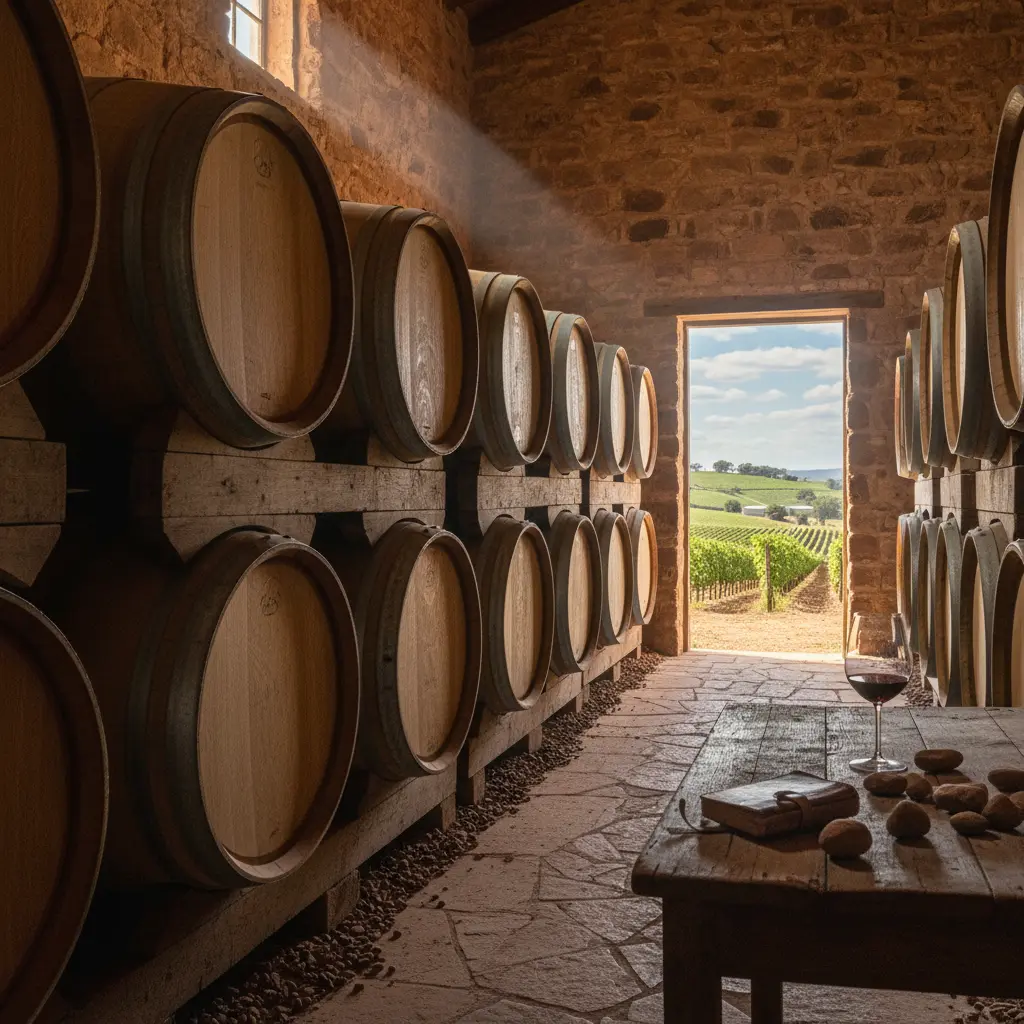
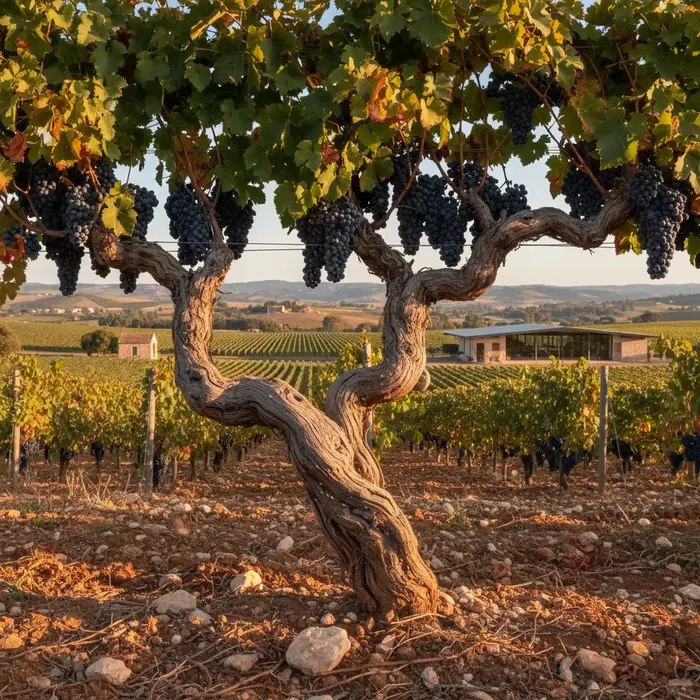
Shiraz is the quintessential Barossa Valley grape, producing wines that are typically full-bodied, rich, and intensely flavored with notes of dark berries, chocolate, black pepper, and often a hint of eucalyptus or mint. Many Barossa Shiraz vines are exceptionally old, some dating back over a century, contributing to the concentration and complexity of these wines. These robust reds are well-suited for aging and pair wonderfully with hearty dishes, as explored in our guide to Best Wine for Beef Stew.
Grenache and Mataro: Rhône Blends
Grenache and Mataro (Mourvèdre) are crucial components in Barossa Valley's acclaimed GSM (Grenache, Shiraz, Mataro) blends, offering complexity and structure to the region's red wines. Grenache contributes vibrant red fruit, spice, and warmth, while Mataro adds savory, earthy notes, structure, and a peppery finish. These varieties, often from old vines, create wines with great depth and character.
Riesling: A White Wine Surprise
While primarily known for reds, Barossa Valley, particularly its cooler sub-region of Eden Valley, produces exceptional dry Riesling, characterized by intense citrus, floral notes, and a steely minerality. These Rieslings are highly aromatic and can age beautifully, developing complex toast and honeyed notes over time. They offer a refreshing contrast to the region's powerful reds.
How Does Barossa Valley's Terroir Shape Its Unique Wines?
Barossa Valley's terroir-driven wines are a direct result of its diverse ancient soils, varying altitudes, and distinct microclimates, which collectively impart unique characteristics to the grapes. This geological and climatic complexity allows for a spectrum of wine styles within the region, from bold Shiraz to delicate Riesling.
Ancient Soils and Geological Diversity
The Barossa Valley boasts some of the oldest soils on Earth, predominantly ancient, weathered red-brown earths over clay, often enriched with ironstone and quartz. This geological history contributes to the vines' deep root systems, resulting in low yields of highly concentrated, flavorful grapes. The varying soil types across the valley floor and hillsides influence everything from grape ripeness to mineral expression in the finished wines.
Climatic Zones and Microclimates
The Barossa Valley is not uniform in climate; it encompasses distinct zones, from the warmer valley floor ideal for Shiraz and Grenache, to the cooler, higher-altitude Eden Valley, perfectly suited for Riesling. These microclimates, influenced by elevation and proximity to cooling breezes, allow winemakers to cultivate a broader range of grape varieties and styles, maximizing the region's viticultural potential.
Which Iconic Wineries Define Barossa Valley's Legacy?
Barossa Valley's legacy is defined by a blend of historic, large-scale producers with global recognition and smaller, family-owned wineries that champion artisanal quality and regional character. These wineries, collectively, have shaped the region's reputation for excellence and innovation.
Penfolds: A Barossa Giant
Penfolds is arguably Australia's most famous winery, deeply intertwined with the Barossa Valley, celebrated for its Grange, a benchmark Shiraz that often incorporates Barossa fruit. While drawing fruit from various regions, Penfolds' Barossa vineyards are integral to its portfolio, showcasing the power and longevity for which the region is known. Visitors can explore their historic cellars and taste iconic wines.
Henschke: Single-Vineyard Excellence
Henschke is renowned for its commitment to single-vineyard excellence, particularly its Hill of Grace Shiraz, which stands alongside Grange as one of Australia's most revered wines. Located in the Eden Valley, Henschke focuses on sustainable practices and expresses the unique nuances of individual vineyard sites. Their wines are a testament to meticulous viticulture and handcrafted winemaking.
Jacob's Creek: Accessible Quality
Jacob's Creek is one of Australia's largest and most accessible wine brands, with its heritage deeply rooted in the Barossa Valley, offering a wide range of popular wines. While producing wines across various price points, their Barossa range provides an excellent entry point to the region's style, known for consistent quality and broad appeal.
Smaller Boutique Producers
Beyond the giants, Barossa Valley thrives with numerous smaller, boutique producers such as Torbreck, St Hallett, and Elderton, each contributing unique expressions of the region's terroir. These wineries often focus on specific blocks, traditional methods, or alternative varieties, providing a diverse and exciting tasting experience for discerning visitors. Exploring these smaller estates reveals the true depth of Barossa's winemaking talent.
What are the Best Food Pairings for Barossa Valley Wines?
Barossa Valley wines, particularly its robust reds, are incredibly food-friendly, harmonizing beautifully with rich, savory dishes, while its Rieslings offer refreshing contrasts to lighter fare. The key is to match the wine's intensity and flavor profile with the food.
Pairing Barossa Shiraz
Barossa Shiraz, with its bold fruit, spice, and sometimes meaty notes, is an ideal partner for grilled red meats like steak or lamb, slow-cooked beef, and strong cheeses. The wine's robust tannins and concentrated flavors cut through the richness of the food, creating a balanced and satisfying experience. Consider a classic Australian barbecue or a hearty winter stew for a perfect match, following principles from a comprehensive Best Wine Pairing Guide.
Pairing Barossa Grenache
Barossa Grenache, being softer and often more fruit-driven than Shiraz, pairs well with a wider range of dishes including poultry, charcuterie, Mediterranean cuisine, and even richer fish. Its lighter tannins and juicy fruit complement dishes without overpowering them. Try it with roasted chicken, lamb kofta, or a gourmet pizza.
Pairing Barossa Riesling
Barossa (Eden Valley) Riesling, with its crisp acidity and citrus profile, is a superb match for fresh seafood, Asian cuisine, spicy dishes, and goat cheese. Its refreshing character cleanses the palate, making it versatile for flavorful and aromatic foods. Consider it with sushi, Thai curries, or a light summer salad.
How Can I Plan an Unforgettable Barossa Valley Wine Tour?
Planning an unforgettable Barossa Valley wine tour involves careful consideration of accommodation, transport, winery bookings, and exploring the region's diverse culinary and cultural offerings beyond the cellar door. A well-structured itinerary ensures a comprehensive and enjoyable experience.
Choosing Accommodation and Transport
Barossa Valley offers a range of accommodation, from luxury resorts and boutique hotels to charming B&Bs and vineyard cottages, suiting various preferences and budgets. For transport, consider hiring a car for flexibility, joining a guided tour for a stress-free experience, or even hiring a private driver. Many wineries are spread out, so reliable transport is essential.
Booking Tastings and Experiences
It is highly recommended to book winery tastings, tours, and experiences in advance, especially for popular estates or during peak seasons. To fully appreciate Barossa wines during your visit, understanding proper wine service can enhance the experience, a skill detailed in our guide How to Master Wine Service. Here's a step-by-step guide:
- Research Wineries: Identify 3-5 key wineries you wish to visit based on your preferred styles (e.g., big Shiraz, elegant Riesling, small-batch producers).
- Check Opening Hours: Confirm tasting room hours and days of operation, as some smaller wineries may have limited schedules.
- Book Online: Utilize winery websites or third-party booking platforms to reserve your tasting slots. This is crucial for securing your spot and sometimes required for entry.
- Consider Food Options: Look for wineries that offer restaurant facilities or platters to complement your tasting, enhancing the experience.
- Allow Travel Time: Factor in travel time between wineries; distances can be greater than expected.
Beyond the Cellar Door
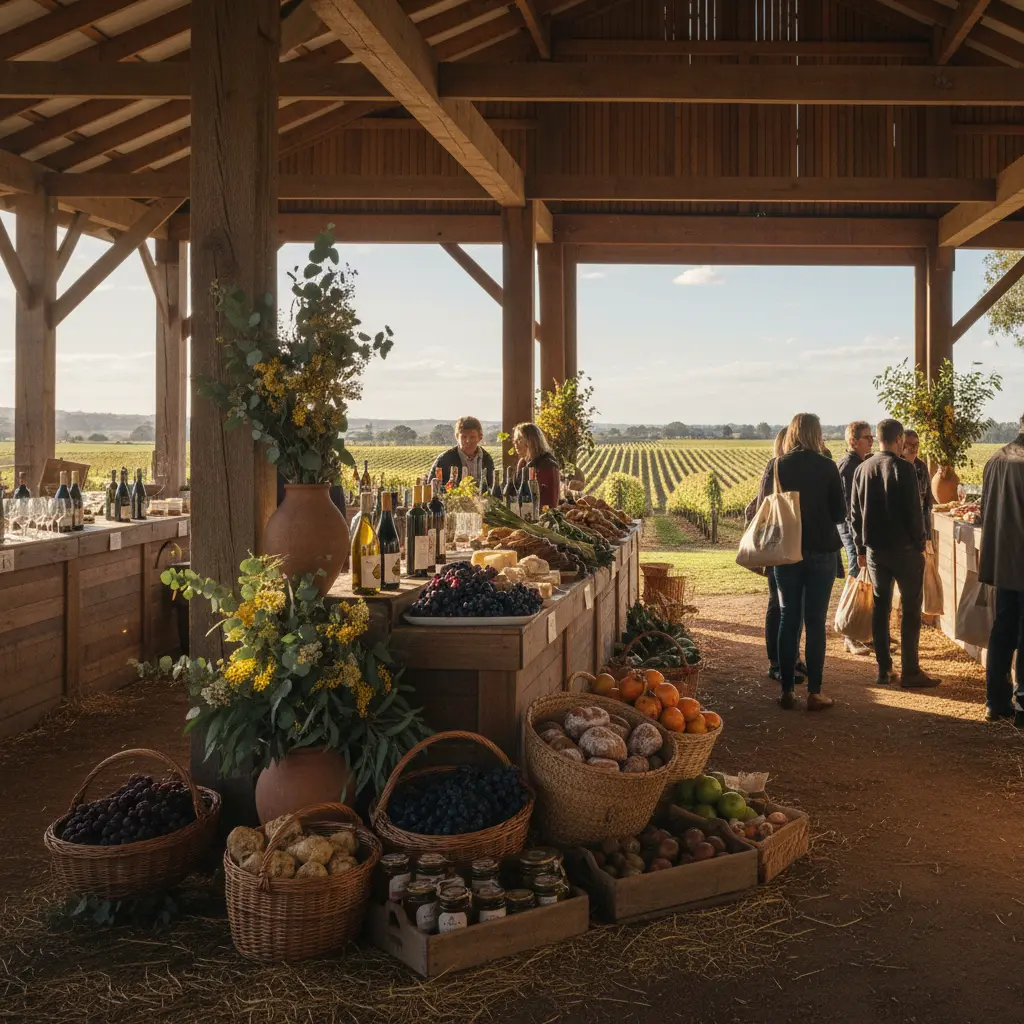
Barossa Valley offers more than just wine; explore its vibrant food scene with farmers' markets, gourmet restaurants, and local produce stores. The region also boasts art galleries, historical sites, and scenic drives through picturesque landscapes. Consider pairing your wine adventures with a cooking class or a leisurely picnic amidst the vineyards to create truly memorable wine and dine experiences, as detailed in our guide How to Create Memorable Wine & Dine Experiences.
What is the Historical Significance of Barossa Valley Winemaking?
Barossa Valley holds profound historical significance in Australian winemaking, having been settled by German immigrants in the 1840s who brought with them a strong viticultural tradition that continues to shape the region today. This early foundation led to the establishment of some of the world's oldest continuously producing vineyards.
Early Settlers and German Heritage
The Barossa Valley was primarily settled by Prussian Lutherans fleeing religious persecution, who established strong communities and quickly recognized the area's agricultural potential, particularly for grape growing. Their meticulous farming practices and winemaking traditions laid the groundwork for the region's enduring success. Many family names from this era, such as Henschke and Langmeil, are still prominent in the Barossa wine industry today.
Evolution and Modernization
From its humble beginnings, Barossa Valley winemaking has evolved significantly, embracing modernization while fiercely preserving its old vine heritage and traditional techniques. The region faced challenges, including the vine pull scheme in the 1980s, but passionate growers fought to protect their ancient vines, now highly valued for producing intensely flavored fruit. This blend of tradition and innovation ensures Barossa's continued relevance and quality.
Does Barossa Valley Embrace Sustainable Viticulture?
Yes, Barossa Valley is increasingly embracing sustainable viticulture, with many wineries and growers adopting environmentally friendly practices to protect the region's unique ecosystem and ensure its long-term viability. This commitment reflects a global shift towards responsible winemaking.
Environmental Initiatives
Numerous environmental initiatives are underway in Barossa Valley, focusing on water conservation, soil health, and biodiversity. Many vineyards implement drip irrigation, use cover crops to prevent erosion and enrich soil, and manage pests naturally. Collaborative efforts by the Barossa Grape & Wine Association further promote regional sustainability guidelines.
Organic and Biodynamic Practices
A growing number of Barossa Valley producers are converting to certified organic and biodynamic practices, minimizing the use of synthetic chemicals and fostering a holistic approach to vineyard management. These methods aim to create healthier vineyards, enhance grape quality, and produce wines that are a truer reflection of their terroir.
Where to Find Authentic Barossa Valley Wines Globally?
Authentic Barossa Valley wines can be found through various channels globally, including direct purchases from wineries, specialty wine retailers, and reputable online marketplaces. The region's strong international presence ensures its wines are accessible to enthusiasts worldwide.
Direct from Wineries
Many Barossa Valley wineries offer direct shipping to international customers through their websites, providing access to their full range, including limited-release and cellar-door-only selections. This is often the best way to secure specific vintages or smaller production wines not widely distributed.
Specialty Wine Retailers
High-end and specialty wine retailers in major cities worldwide often stock a curated selection of Barossa Valley wines, particularly from well-known producers like Penfolds, Henschke, and Torbreck. These retailers can provide expert advice and recommendations.
Online Marketplaces
Reputable online wine marketplaces and e-commerce platforms offer a broad selection of Barossa Valley wines, often with competitive pricing and convenient delivery. Always verify the retailer's reputation and shipping policies when purchasing online to ensure authenticity and proper handling.
"The Barossa Valley is more than just a wine region; it's a living museum of viticulture, where old vines tell stories of resilience and exceptional quality. It truly embodies the spirit of Australian wine."
– A renowned Australian Sommelier
Barossa Valley Wine Style Guide
To further assist in understanding the regional characteristics, here is a quick guide to Barossa Valley's key wine styles and their typical food pairings. This table summarizes the main grape varieties and what to expect from them.
| Grape Variety | Key Characteristics | Typical Food Pairing |
|---|---|---|
| Shiraz | Full-bodied, rich, dark fruit, chocolate, pepper, spice, often oak-aged. | Grilled steak, lamb roasts, beef stew, mature cheddar. |
| Grenache | Medium-bodied, red berries, kirsch, white pepper, earthy notes, softer tannins. | Charcuterie, roasted chicken, Mediterranean dishes, pork loin. |
| Mataro (Mourvèdre) | Full-bodied, savory, blackberry, gamey notes, firm tannins, earthy. | Braised lamb, venison, rich stews, cured meats. |
| Riesling | Dry, high acidity, lime, lemon, green apple, floral, mineral. | Fresh oysters, Thai cuisine, sushi, grilled white fish, goat cheese. |