Baden is Germany's third-largest and warmest wine region, renowned for its diverse terroir, distinctive grape varieties like Spätburgunder and Gutedel, and a strong tradition of food-friendly wines. Situated in the southwestern corner of Germany, it stretches along the Rhine River and Black Forest, benefiting from a unique microclimate that allows for richer, fuller-bodied wines compared to many other German regions.
What Makes Baden Unique Among German Wine Regions?
Baden stands out due to its southerly latitude, diverse geology, and a strong emphasis on red wines, particularly Spätburgunder, distinguishing it from the predominantly white wine focus of most other German regions. It is the only German wine region that belongs to the European Union's wine-growing zone B, a classification shared with France's Alsace, Bourgogne, and Loire Valley, reflecting its warmer climate.
The 'Burgundy of Germany' Allure
Baden is often dubbed the 'Burgundy of Germany' because of its significant production of Pinot Noir (Spätburgunder) and Pinot Gris (Grauburgunder), and a terroir-driven winemaking philosophy. The region's loess, clay, and volcanic soils, coupled with abundant sunshine, provide ideal conditions for these grape varieties to thrive, producing wines with elegance, structure, and complexity akin to their French counterparts. This focus on Pinot varieties and the quality achieved has cemented Baden's reputation.
Unique Climatic Advantages
Baden benefits from a unique continental climate with significant Mediterranean influences, leading to higher average temperatures and more sunshine hours than other German wine regions. This warmer climate allows for optimal ripening of grapes, resulting in wines with greater ripeness, lower acidity, and often higher alcohol content. The protective presence of the Black Forest shields vineyards from harsh eastern winds, creating favorable conditions for viticulture.
"Baden's winemakers have masterfully embraced their southern warmth, crafting wines that speak of sun-drenched slopes and meticulous tradition, setting a benchmark for German reds and rich whites."
Key Grape Varieties of Baden: A Symphony of Flavors
Baden's viticulture is dominated by a diverse array of grape varieties, with Spätburgunder (Pinot Noir), Grauburgunder (Pinot Gris), and Weißburgunder (Pinot Blanc) being the most prominent, alongside the indigenous Gutedel. This rich portfolio ensures a wide range of wine styles, from elegant reds to crisp, aromatic whites.
Spätburgunder (Pinot Noir)
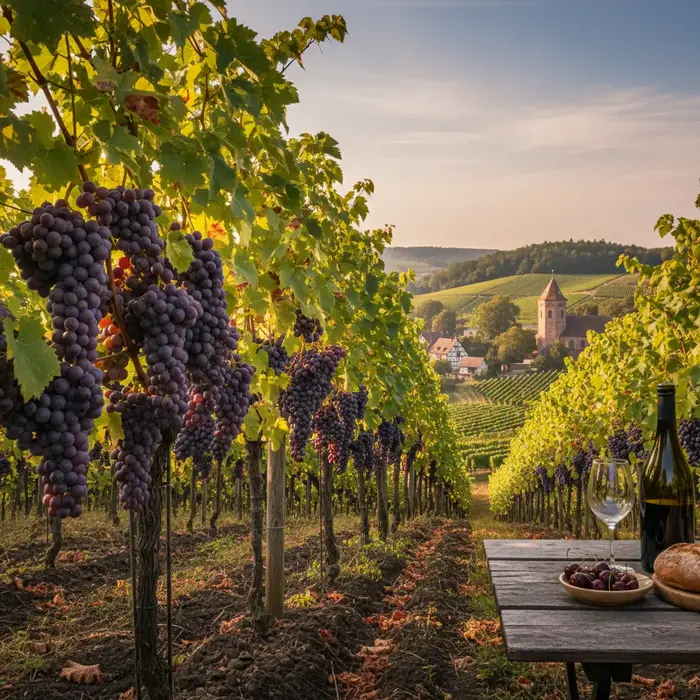
Spätburgunder is the undisputed king of Baden, accounting for over a third of the region's vineyard area, producing some of Germany's finest red wines. These wines range from light-bodied, fruity styles to complex, age-worthy examples with notes of cherry, raspberry, forest floor, and subtle spice from oak aging. Baden's Spätburgunder often exhibits a finesse and structure that makes it highly versatile, perfect for pairing with dishes like steak or beef stew.
Grauburgunder (Pinot Gris) and Weißburgunder (Pinot Blanc)
Grauburgunder and Weißburgunder are celebrated white grape varieties in Baden, producing wines known for their refreshing acidity, minerality, and capacity for both crisp, dry styles and richer, more full-bodied expressions. Grauburgunder often presents flavors of pear, apple, and nutty notes, sometimes with a creamy texture, while Weißburgunder offers delicate aromas of green apple, citrus, and a subtle almond finish, making them excellent choices for a wide range of culinary pairings.
Gutedel (Chasselas) and Müller-Thurgau
Gutedel, known as Chasselas elsewhere, is a unique indigenous grape to Baden, primarily grown in the Markgräflerland, producing light, fresh, and often mineral-driven wines ideal for immediate enjoyment. Müller-Thurgau, though less prominent than in other German regions, still contributes to Baden's white wine production with its floral and fruity character, often consumed young. Gutedel's subtle profile makes it a fantastic accompaniment to simple, fresh seafood or local cheese platters.
Which Sub-Regions Define Baden's Terroir?
Baden is divided into nine distinct sub-regions, or Bereiche, each possessing unique geological formations, microclimates, and winemaking traditions that contribute to the region's diverse wine styles. These Bereiche stretch over 400 kilometers, from Tauberfranken in the north to Bodensee (Lake Constance) in the south.
Kaiserstuhl and Tuniberg: Volcanic Powerhouses
Kaiserstuhl and Tuniberg are two of Baden's most prestigious sub-regions, celebrated for their volcanic soils and exceptional, full-bodied Spätburgunder, Grauburgunder, and Weißburgunder wines. The dark, mineral-rich volcanic soils of Kaiserstuhl, combined with its warm microclimate, yield robust and expressive wines. Tuniberg, characterized by fertile loess soils, produces equally concentrated and flavorful wines, often with a slightly softer character than its volcanic neighbor.
Ortenau and Breisgau: Pinot Elegance
Ortenau and Breisgau are renowned for their elegant Spätburgunder wines, which often exhibit a more delicate structure and vibrant acidity compared to the richer styles from Kaiserstuhl. Ortenau, nestled against the Black Forest, benefits from granite and porphyry soils, imparting a distinct minerality. Breisgau, further south, with its loess and loam soils, produces refined wines that beautifully express the Pinot Noir grape's subtle nuances.
Markgräflerland: Gutedel's Homeland
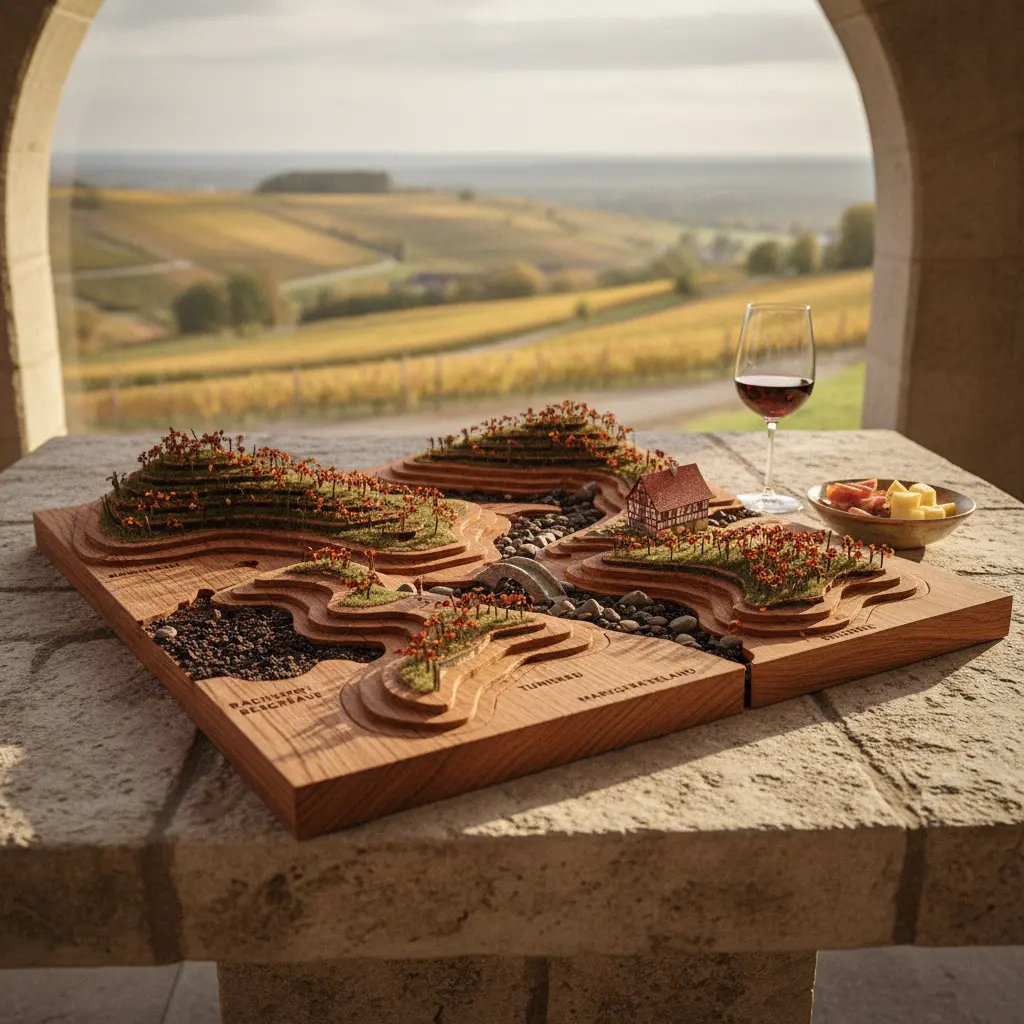
Markgräflerland is the heartland of Gutedel, where this ancient grape thrives in calcareous marl and loess soils, producing crisp, refreshing wines that are an essential part of the local culture. While Gutedel is its signature, Markgräflerland also produces excellent Spätburgunder and other Pinot varieties, benefiting from a gentle, rolling landscape and a warm climate.
The Climate and Terroir of Baden: A Southern Influence
Baden's climate is significantly warmer and sunnier than most other German wine regions, driven by its southern latitude and the rain shadow effect of the Black Forest, leading to fully ripened grapes and concentrated wine flavors. This unique combination of factors defines its distinctive terroir.
Sunshine and Temperature Averages
Baden experiences high annual sunshine hours and average temperatures, placing it in EU wine-growing zone B, enabling the cultivation of grape varieties that might struggle to ripen elsewhere in Germany. The long growing season contributes to the development of complex aromas and flavors in the grapes, resulting in wines that are often described as 'sun-drenched'.
Diverse Geological Formations
Baden's terroir is characterized by an extraordinary geological diversity, including volcanic soils, loess, limestone, granite, and marl, each imparting unique characteristics to the wines from different sub-regions. This mosaic of soil types is a key reason for the vast stylistic range found across Baden, from the powerful wines of Kaiserstuhl to the delicate expressions of Ortenau.
How Do Baden Wines Pair with Local and International Dishes?
Baden wines, particularly its versatile Spätburgunder, crisp Grauburgunder, and light Gutedel, are exceptionally food-friendly and pair well with both traditional regional cuisine and a wide array of international dishes. Their balance of fruit, acidity, and often a touch of minerality makes them adaptable companions at the dinner table. For a broader perspective on food and wine harmony, consult a comprehensive wine pairing guide.
Classic Regional Pairings
Local Baden cuisine, rich in hearty dishes like Maultaschen (Swabian dumplings), Black Forest ham, and freshwater fish, finds its perfect match in the region's wines. A dry Gutedel or a crisp Weißburgunder complements lighter starters and fish dishes, while a medium-bodied Spätburgunder is ideal with game, roasted meats, or regional cheeses. The acidity in the wines beautifully cuts through the richness of the food, creating a harmonious balance.
| Baden Wine Type | Primary Characteristics | Ideal Food Pairings |
|---|---|---|
| Spätburgunder (Pinot Noir) | Red berries, earthy notes, moderate tannins | Roasted duck, wild game, mushroom dishes, cured meats |
| Grauburgunder (Pinot Gris) | Pear, apple, nutty notes, sometimes creamy | Rich fish (salmon), pork, poultry with cream sauces, cheeses |
| Weißburgunder (Pinot Blanc) | Green apple, citrus, subtle almond, crisp acidity | Light appetizers, seafood, chicken, asparagus dishes |
| Gutedel (Chasselas) | Light, fresh, subtle fruit, mineral-driven | Fresh salads, delicate fish, white asparagus, local cheeses |
Pairing with Global Flavors
Baden wines seamlessly integrate with international flavors, with Spätburgunder pairing well with Asian-inspired duck or lighter pasta dishes, and Grauburgunder complementing sushi or Mediterranean seafood. Their adaptability makes them a valuable choice for diverse culinary experiences, demonstrating their global appeal beyond traditional German fare.
Planning a Wine Trip to Baden: Wineries & Experiences
Planning a wine trip to Baden offers an immersive experience into picturesque vineyards, historic wineries, and vibrant culinary scenes, providing opportunities for both guided tastings and independent exploration. The region is well-equipped for wine tourism, with numerous wine routes and festivals throughout the year.
Discovering Baden's Wine Routes
Baden boasts several scenic wine routes, such as the Badische Weinstraße, which guide visitors through charming villages, offering direct access to wineries and local eateries. These routes provide an excellent framework for exploring the diverse landscapes and wine styles of each Bereiche. Many wineries offer guided tours and tastings, allowing visitors to delve deeper into the winemaking process and sample the regional specialties.
- Choose Your Sub-Region: Decide which of Baden's nine Bereiche you want to explore first. Kaiserstuhl and Markgräflerland are popular starting points.
- Research Wineries: Look up specific wineries known for the grape varieties you prefer (e.g., Spätburgunder specialists or Gutedel producers). Check their opening hours and if reservations are needed for tastings.
- Plan Accommodation: Book guesthouses or hotels in charming wine villages, often with on-site restaurants serving local cuisine.
- Consider Transportation: While some areas are walkable, having a car is ideal for exploring vineyards and multiple wineries. Cycling tours are also popular.
- Embrace Local Cuisine: Pair your wine discoveries with regional dishes at local Gasthöfe (inns) and restaurants.
- Learn Basic Wine Service: For a more refined experience, refreshing your wine service knowledge can enhance your interaction with local traditions.
Beyond the Cellar Door
Beyond formal tastings, Baden offers a wealth of experiences including hiking through vineyards, attending traditional wine festivals, and exploring charming historical towns like Freiburg im Breisgau. Many wineries host special events, from vineyard walks with the winemaker to open-house days, providing a deeper connection to the region's viticultural heritage and its passionate producers. For unique wine & dine experiences, Baden offers many opportunities.
What are the Key Characteristics of Quality Baden Wine?
Quality Baden wines are characterized by their clear varietal expression, balance of fruit and acidity, often a distinct minerality reflecting their diverse soils, and in the case of reds, elegant structure and aging potential. These attributes set them apart and are indicators of meticulous winemaking and favorable terroir.
Balance and Expression of Terroir
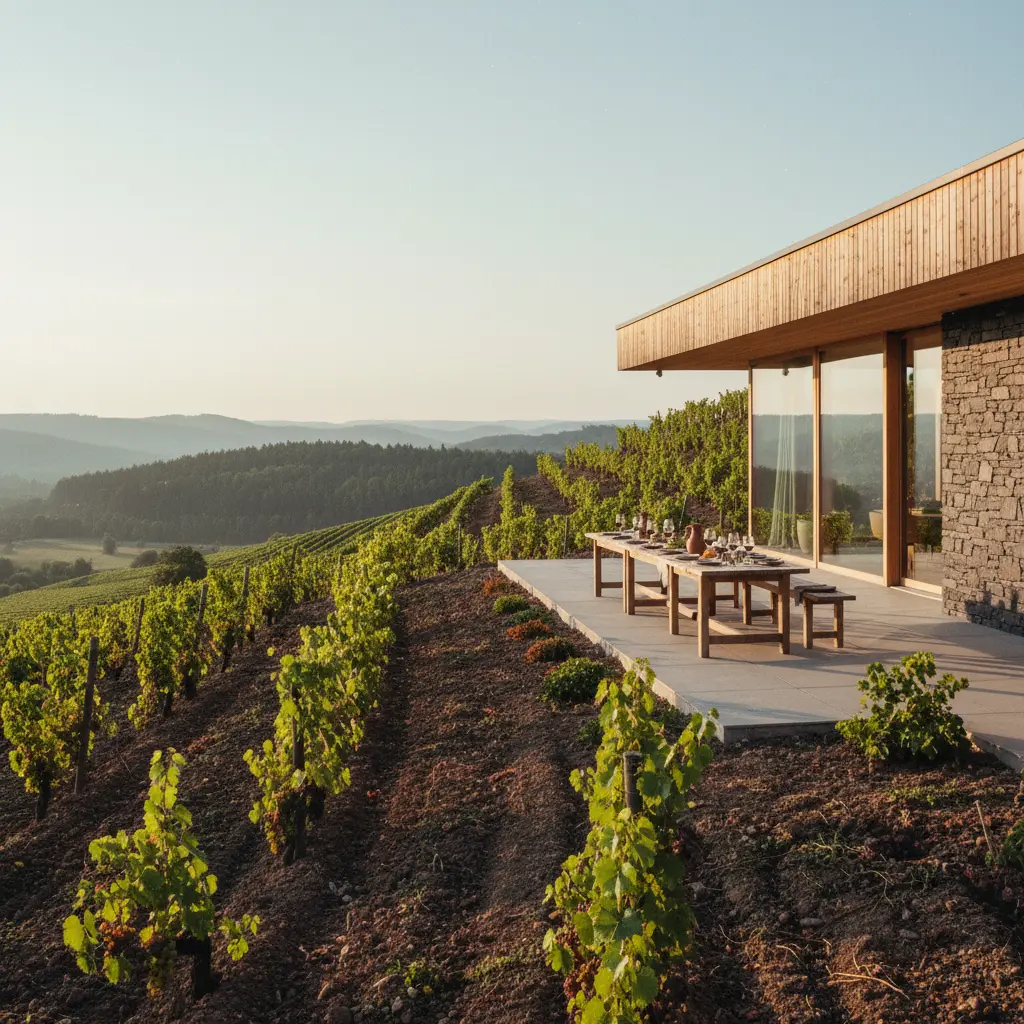
High-quality Baden wines exhibit a harmonious balance between fruit ripeness, refreshing acidity, and well-integrated tannins (in reds), alongside a clear expression of their specific vineyard site and soil type. Winemakers in Baden prioritize showcasing the unique characteristics imparted by the volcanic, loess, or limestone soils, allowing the terroir to shine through in the final wine.
Aging Potential and Craftsmanship
Many premium Baden wines, particularly Spätburgunder and richer Grauburgunder, possess excellent aging potential, developing greater complexity and nuanced flavors over time due to careful craftsmanship and robust structure. Winemakers often employ traditional methods, including barrel fermentation and extended lees contact for whites, and careful oak aging for reds, to build wines capable of evolving beautifully in the bottle, much like a fine wine from other acclaimed regions.
The Future of Baden Wine: Trends and Sustainability
The future of Baden wine is marked by a strong commitment to sustainability, organic viticulture, and continuous innovation in winemaking techniques to adapt to climate change and meet evolving consumer preferences. The region is at the forefront of embracing environmentally friendly practices.
Sustainable Viticulture Practices
Baden's winemakers are increasingly adopting sustainable and organic viticulture practices, focusing on biodiversity, soil health, and minimal intervention in the vineyard to produce healthier grapes and protect the environment. This commitment is driven by a desire to preserve the unique terroir for future generations and respond to a growing demand for eco-conscious wines. Many wineries are certified organic or biodynamic, reflecting a deep respect for nature.
Innovation and Adaptability
Innovation in Baden ranges from exploring new grape varieties better suited to changing climatic conditions to refining cellar techniques that enhance wine quality and sustainability. Winemakers are experimenting with different fermentation vessels, natural yeasts, and gentler extraction methods to produce wines that are both expressive of their origin and appealing to modern palates. This forward-thinking approach ensures Baden's continued relevance and excellence in the global wine market.
Where Can You Discover and Purchase Authentic Baden Wines?
Authentic Baden wines can be discovered and purchased directly from local wineries, through specialized wine shops in Germany, or via online retailers that import German wines to international markets. Direct purchases from the vineyard offer the freshest selection and often the best prices.
Direct from Wineries and Local Markets
Visiting wineries in Baden offers the most direct and immersive way to purchase wines, often accompanied by tastings and direct interaction with the winemakers. Local wine festivals and regional markets also provide excellent opportunities to sample and buy a diverse range of Baden wines, supporting local producers and experiencing the vibrant wine culture firsthand.
Online Retailers and Export Markets
For those outside Baden, authentic regional wines are available through reputable online wine retailers that specialize in German wines, as well as select importers in major international markets. Many Baden wineries also ship directly, allowing enthusiasts worldwide to enjoy their unique expressions of German terroir. Exploring these channels ensures access to high-quality Baden wines, regardless of geographical location.