What is the Primary Wine Region Called Worcester?
The primary and most impactful wine region named Worcester is located in South Africa's Western Cape, forming a crucial part of the Breede River Valley wine district. This region is celebrated for its substantial contribution to South Africa's overall wine volume and its focus on both everyday wines and increasingly, premium selections.
Worcester, South Africa: A Powerhouse of Production
Worcester, South Africa, is recognized as one of the largest wine-producing districts by volume in the country, playing a vital role in both domestic and international markets. Its fertile soils and ample water supply from the Breede River allow for high yields of a wide array of grape varieties, from aromatic whites to robust reds.
Geographic Location and Significance
Worcester's strategic location within the Breede River Valley positions it as a key agricultural hub, not only for wine but also for other produce. The region benefits from its proximity to major transport routes, facilitating the distribution of its wines across South Africa and for export.
The Worcester Wine & Olive Route
The Worcester Wine & Olive Route offers visitors a structured way to explore the region's diverse offerings, including cellar doors, olive farms, and local attractions. This route highlights the hospitality and agricultural richness of the area, providing tasting experiences that showcase the distinctive terroir.
Economic Impact on South African Wine
Worcester contributes significantly to the South African wine economy, providing employment and supporting various ancillary industries. Its high production volumes are essential for meeting both domestic demand and maintaining South Africa's presence in competitive international bulk wine markets, while also growing its premium sector.
What Types of Grapes Thrive in Worcester, South Africa?
Worcester, South Africa, cultivates a diverse range of grape varietals, with Chenin Blanc and Colombar leading white grape production, and Pinotage, Shiraz, and Cabernet Sauvignon being prominent among reds. The region's varying microclimates and soil types support this broad spectrum of grapes.
Prominent White Grape Varieties
Chenin Blanc is the undisputed king of white grapes in Worcester, accounting for a substantial portion of plantings due to its versatility and ability to produce wines ranging from crisp and dry to rich and sweet. Colombar is also widely planted, often used for blending, while Chardonnay and Sauvignon Blanc contribute to the region's diverse white wine portfolio, offering lighter, fruit-forward styles.
Key Red Grape Varieties
Pinotage, South Africa's signature grape, thrives in Worcester, yielding wines with deep color and flavors of red berries, smoke, and often coffee notes. Shiraz and Cabernet Sauvignon are also significant, producing full-bodied, structured wines that showcase the region's warm climate, often expressing dark fruit and spicy characteristics. For more on grape varieties, explore our guide on Wine Calories by Type in 2026.
Lesser-Known and Emerging Varieties
Beyond the dominant varieties, Worcester winemakers are exploring other grapes like Cinsault and Viognier, often for innovative blends or single-varietal expressions that add complexity to the region's offerings. These emerging varietals allow for experimentation and cater to evolving consumer tastes, showcasing the region's adaptability.
Role of Irrigation in Varietal Success
Reliable irrigation from the Breede River is critical for the success of all grape varieties in Worcester, enabling consistent growth and ripening despite the warm, dry climate. This controlled water supply ensures healthy vine development and optimal fruit quality, mitigating the risks associated with drought.
How Does Worcester's Climate and Terroir Influence Its Wines?
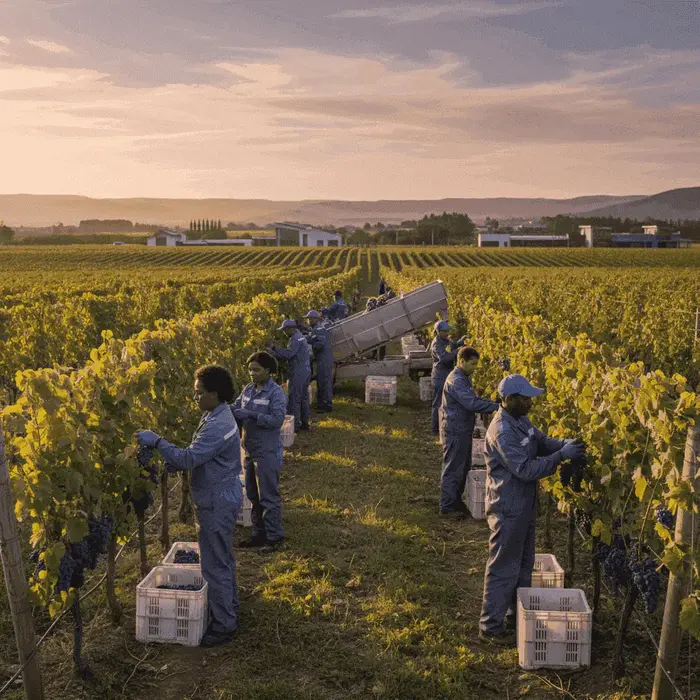
Worcester's climate, characterized by warm, dry summers and moderate winters, coupled with its diverse terroir, significantly shapes the style and quality of its wines. The region benefits from reliable irrigation and varied soil structures, allowing for both quantity and a growing emphasis on quality.
The Breede River Valley's Impact
The Breede River Valley, which encompasses Worcester, provides crucial alluvial soils and irrigation that temper the warm climate, allowing vines to flourish. The river's influence moderates temperatures and ensures consistent water supply, essential for grape ripening in an otherwise arid region.
Soil Diversity and Its Effects
Worcester's soils range from fertile alluvial deposits along the riverbanks to poorer shale and granite-derived soils on higher ground, each imparting distinct characteristics to the grapes. These diverse soil types contribute to the complexity and varied profiles found in Worcester wines, enabling different varietals to find their ideal growing conditions.
Diurnal Range and Ripening
The significant diurnal temperature range in Worcester, where warm days are followed by cooler nights, is crucial for developing optimal grape ripeness and preserving acidity. This temperature fluctuation slows sugar accumulation, allowing for the development of complex flavors and aromas while maintaining freshness in the grapes.
Managing Water Resources
Effective management of water resources, primarily from the Breede River, is a cornerstone of sustainable viticulture in Worcester, ensuring both present and future wine production. Wineries employ advanced irrigation techniques to conserve water and apply it judiciously, maximizing efficiency and minimizing environmental impact.
"Worcester has quietly become the workhorse of the South African wine industry, consistently delivering quality and volume that underpins the nation's vinous success." - Renowned Wine Critic
What Are Some Notable Wineries in the Worcester Area?
The Worcester region boasts a mix of large-scale cooperative cellars and smaller, family-owned estates, all contributing to its vibrant wine scene. These wineries offer a wide range of experiences, from casual tastings to more structured tours.
Established Estates and Their Offerings
Many of Worcester's established estates, such as Nuy Winery and Stofberg Family Vineyards, are known for their long histories and consistent production of quality wines across various price points. These wineries often have comprehensive tasting rooms and facilities, perfect for exploring the region's classic styles.
Cooperative Cellars and Their Role
Cooperative cellars play a significant role in Worcester's wine industry, pooling resources from multiple grape growers to produce large volumes of quality wine efficiently. These cooperatives often focus on specific varietals or blends, providing a stable foundation for the region's overall production capacity and market presence.
Emerging and Boutique Wineries
Beyond the larger producers, a growing number of boutique wineries like Alvi's Drift and Overhex Wines are gaining recognition for their innovative approaches and focus on premium quality. These smaller producers often experiment with unique blends and single-varietal expressions, contributing to the region's evolving reputation. For more on discovering unique wines, see our article Unearthing Unique Wines.
Unique Tasting Experiences
Many Worcester wineries offer unique tasting experiences, from blending workshops to vineyard safaris, providing visitors with a deeper understanding of the winemaking process. These specialized offerings enhance the visitor experience, moving beyond simple tastings to interactive and educational opportunities.
| Winery Name | Flagship Wine/Style | Tasting Experience |
|---|---|---|
| Nuy Winery | Nuy Chenin Blanc, Nuy Cabernet Sauvignon | Cellar door, restaurant, events |
| Stofberg Family Vineyards | Stofberg Family Selection Pinotage | Intimate tastings, vineyard tours by appointment |
| Opstal Estate | Opstal Carl Everson Chenin Blanc | Restaurant, accommodation, tastings |
| Mountain Ridge Wines | Mountain Ridge Sauvignon Blanc, Syrah | Tasting room, farm stall |
| Alvi's Drift Private Cellar | Alvi's Drift CVC, Alvi's Drift Brut | Award-winning wines, river cruises, events |
How Can Visitors Experience Wine in Worcester, South Africa?
Visitors can experience wine in Worcester through guided winery tours, participation in annual festivals, and by exploring the region's diverse culinary and accommodation options. The Worcester Wine & Olive Route provides a comprehensive framework for planning such a visit, emphasizing both tasting and cultural immersion.
Planning a Winery Tour
Planning a winery tour in Worcester involves selecting a few key estates, arranging transport, and considering unique experiences like olive oil tastings. Here is a step-by-step guide to make the most of your visit:
- Research Wineries: Identify 3-4 wineries that appeal to your taste, checking their opening hours and if bookings are required.
- Consider Transport: Decide between a self-driven tour (with a designated driver) or hiring a local tour operator for a stress-free experience.
- Plan Your Route: Optimize your route to minimize travel time between estates. The Worcester Wine & Olive Route map is invaluable.
- Book Tastings & Experiences: Reserve your spots for tastings, cellar tours, or food pairings in advance, especially during peak season.
- Stay Hydrated & Snack: Ensure you drink plenty of water between tastings and consider a meal at one of the winery restaurants or local eateries.
- Purchase Wisely: Don't hesitate to buy bottles you enjoy. Many wineries offer shipping services.
Annual Wine Events and Festivals
Worcester hosts several annual wine events and festivals, such as the Worcester Wine & Olive Festival, offering unique opportunities to taste a wide array of wines and local produce. These events provide a vibrant atmosphere, often including live music, food stalls, and family-friendly activities, making them ideal for a lively winery travel experience.
Accommodation and Dining
The Worcester region offers a range of accommodation options, from quaint guesthouses on working farms to modern hotels in the town center, complementing its burgeoning dining scene. Many wineries also feature restaurants that provide excellent opportunities for food pairing with their estate wines, enhancing the overall visitor experience.
Beyond Wine: Other Local Attractions
Beyond its vineyards, Worcester offers a variety of attractions including scenic hiking trails, birdwatching opportunities, and historical sites. Visitors can complement their wine tour with outdoor adventures or cultural explorations, making for a well-rounded travel experience in the Breede River Valley.

Are There Other Wine Regions Named Worcester?
Yes, while Worcester, South Africa, is the most prominent, smaller wine-producing areas also exist in Worcester, Massachusetts, USA, and Worcestershire, England, UK, each with distinct climates and grape varieties. These regions cater more to local markets and emerging wine enthusiasts.
Worcester, Massachusetts, USA
Worcester, Massachusetts, is home to a nascent wine scene, primarily featuring smaller vineyards and wineries adapting to the colder New England climate. These producers often focus on hybrid grape varieties and fruit wines, offering unique local flavors that differ greatly from those found in the Cape. The region's focus is on local consumption and niche markets.
Worcestershire, England, UK
Worcestershire in England has a small but growing viticulture industry, producing mainly still and sparkling white wines from cool-climate grape varieties like Bacchus and Seyval Blanc. English wines, including those from Worcestershire, are gaining international recognition for their quality, particularly sparkling wines, though on a much smaller scale than their South African namesake.
Contrasting Terroirs and Styles
The "Worcester" wine regions exhibit vastly different terroirs, from South Africa's warm, dry river valleys to England's cool, maritime climate and New England's continental extremes. These contrasting conditions result in distinctly different wine styles, grape varieties, and overall production philosophies, highlighting the diversity within a shared name.
Future Growth of Niche Worcester Regions
The smaller Worcester wine regions in the US and UK are poised for modest but steady growth, driven by local demand, increasing interest in regional specialties, and advancements in cool-climate viticulture. Their future lies in carving out niche markets and emphasizing the unique characteristics imparted by their specific geographical conditions.
What Food Pairings Are Best With Worcester Wines?
Worcester wines, with their diversity of styles, offer numerous excellent food pairing opportunities, from light salads with Chenin Blanc to hearty stews with Shiraz. The key is to match the wine's body and flavor intensity with the richness of the dish.
Pairing with White Wines
Worcester's crisp Chenin Blancs pair beautifully with seafood, poultry, and lighter salads, while fuller-bodied Chardonnay can complement creamier dishes and roasted chicken. The refreshing acidity of these whites cuts through richness, cleansing the palate. For more specific pairings, consider our guide on Best Wine with Turkey.
Pairing with Red Wines
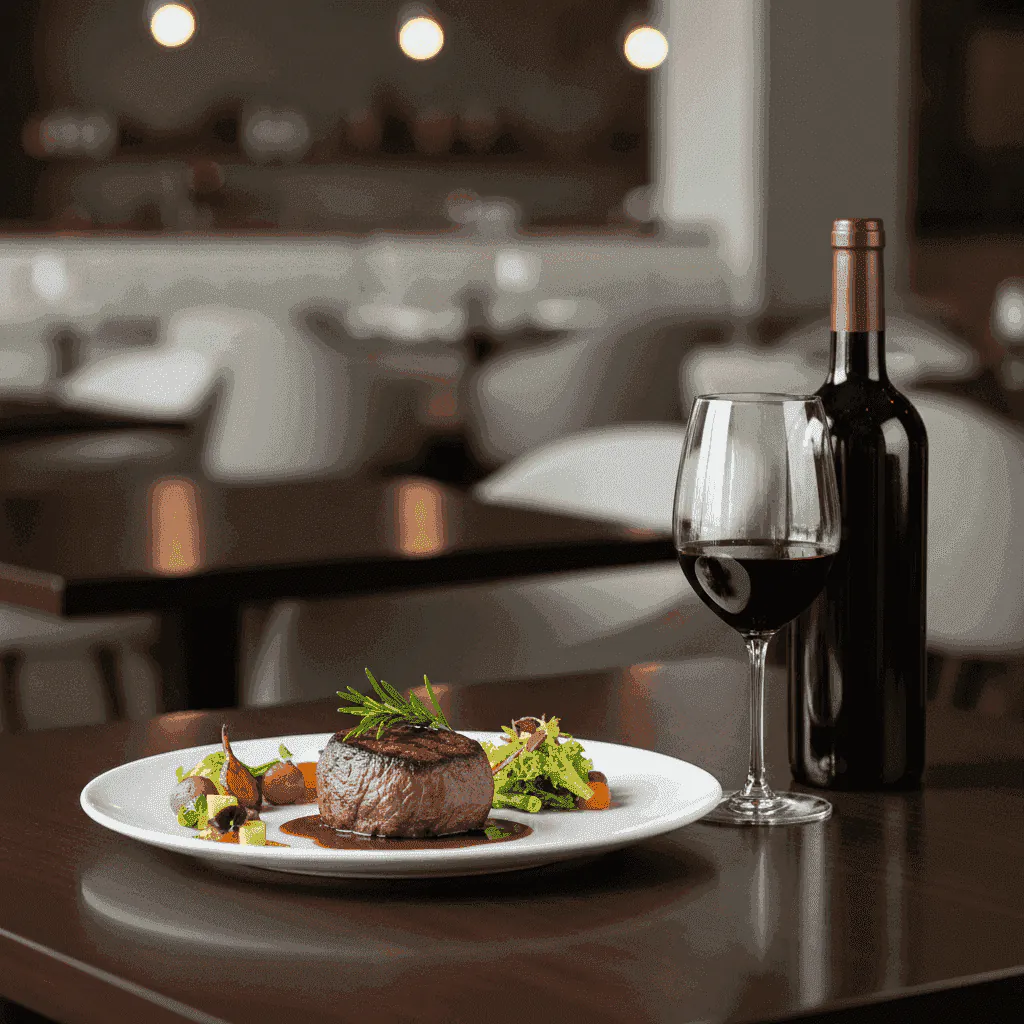
Robust red wines from Worcester, such as Pinotage and Shiraz, are ideal companions for grilled red meats, game, and flavorful stews. Their dark fruit flavors and often spicy notes can stand up to and enhance rich, savory dishes, making them perfect for hearty meals.
Local Delicacies and Wine Pairings
Pairing Worcester wines with South African local delicacies, such as bobotie, boerewors, or snoek, creates an authentic and truly regional culinary experience. A rich Pinotage, for example, can beautifully complement the spiced minced meat of bobotie, while a crisp Chenin Blanc cuts through the fattiness of grilled snoek.
Cheese and Charcuterie Pairings
Worcester wines, both red and white, are excellent choices for complementing a diverse cheese and charcuterie board, enhancing the flavors of various cured meats and artisanal cheeses. A medium-bodied red like a Merlot-Cabernet blend can pair well with aged cheddar, while a fruity Chenin Blanc is lovely with fresh goat cheese.
What is the Future Outlook for Worcester's Wine Industry?
The future outlook for Worcester's wine industry is positive, with increasing focus on sustainability, premiumization, and global market expansion. The region is committed to leveraging its natural advantages while adapting to evolving consumer preferences and climate challenges.
Sustainability Initiatives
Worcester wineries are increasingly adopting sustainable viticulture practices, including water conservation, biodiversity protection, and ethical labor practices, ensuring the long-term viability of the region's vineyards. These initiatives are crucial for both environmental stewardship and meeting the demands of environmentally conscious consumers.
Global Market Recognition
Worcester wines are steadily gaining greater global market recognition, moving beyond bulk production to highlight their unique terroir-driven expressions and quality offerings. This growing appreciation abroad, fueled by awards and positive reviews, positions Worcester as an increasingly important player in the international wine landscape, alongside regions like Italy's Premier Wine Regions.
Adapting to Climate Change
Worcester's wine industry is actively adapting to the challenges of climate change through research into drought-resistant rootstocks, vineyard management techniques, and innovative irrigation strategies. These proactive measures aim to secure the region's viticultural future amidst changing environmental conditions.
Innovation in Winemaking Techniques
Winemakers in Worcester are embracing innovation, experimenting with new fermentation methods, barrel aging regimes, and blending techniques to refine their wines and create distinctive styles. This commitment to innovation is driving the evolution of Worcester's wine identity and contributing to its growing reputation for quality.