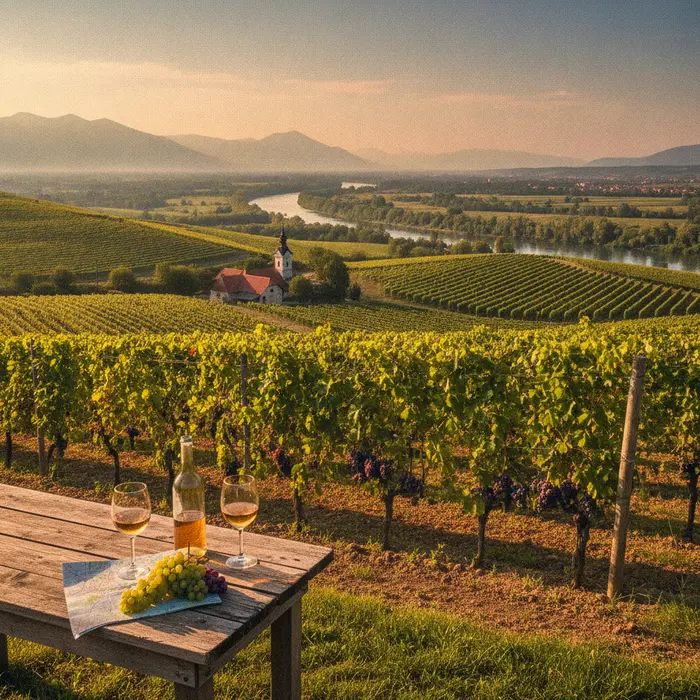
What makes the terroir of Eastern Slovenia unique?
Eastern Slovenia relies on an exceptional clash of geological formations and microclimates that foster high-acid, mineral-focused grapes.
The volcanic and marl soils of Podravje
The soils in Podravje, particularly around Styria (Stajerska Slovenija), are dominated by marl, clay, and marine sediment left behind by the ancient Pannonian Sea. This mix, known locally as opoka, yields wines with intense saline minerality and a sharp, focused structural core.
The dramatic alpine-pannonian climate influence
Cold winds sweeping down from the Alps collide with the warm, continental air masses of the Pannonian Plain, resulting in significant diurnal temperature variations. These dramatic temperature swings allow grapes to develop complex aromatic profiles while preserving natural acidity during the ripening season.
Steep-slope viticulture in Jeruzalem-Ormoz
Vineyards in Jeruzalem-Ormoz sit on dizzyingly steep terraces that reach incline levels comparable to parts of Central Europe's classic river valleys. Terraced farming ensures maximum sunlight interception, helping grapes ripen fully despite the cool average climate.
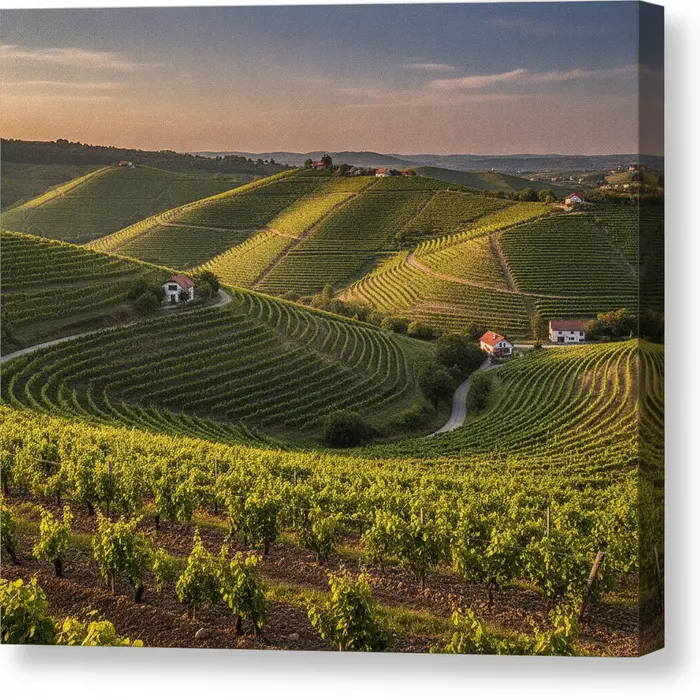
Why is Furmint (Sipon) the flagship grape of Eastern Slovenia?
Known locally as Sipon, Furmint is the historic workhorse and critical darling of Eastern Slovenia, prized for its transparency of place.
The historical pedigree of Sipon
Sipon has been cultivated in the eastern hillsides for centuries, with legends tracing its local name back to the Napoleonic era when French soldiers supposedly declared the local wine "si bon" (so good). The variety thrives in the cool, marl-heavy hills of Stajerska, developing distinct herbal and citrus complexities.
Sipon is the ultimate translator of Slovenian terroir. Its natural structural power and intense acid line make it one of the most intellectually compelling white grape varieties in the world today.
Structural acidity and aging potential
The defining characteristic of dry Slovenian Furmint is its blazing, precise acidity balanced by a rich mid-palate of green apple, wet stone, and ginger. Winemakers frequently use lees contact or large oak cask maturation to round out the wine's sharp angles without stripping its native freshness.
Dry versus sweet expressions of the grape
While dry styles are increasingly favored by modern sommeliers, the region still excels at late-harvest and botrytized sweet wines. In favorable vintages, the noble rot concentrates Sipon's sugars while preserving its trademark acidity, producing dessert wines of incredible longevity.
What are the key differences between Podravje and Posavje?
Understanding Eastern Slovenia requires distinguishing between its two dominant wine-growing regions: the high-altitude, white-wine-focused Podravje and the lighter, red-centric Posavje.
Podravje (Drava Valley) and its world-class white wines
Podravje is the larger of the two regions, stretching along the Drava River basin. It focuses almost exclusively on aromatic whites like Sipon, Riesling, Pinot Gris, and Sauvignon Blanc, which benefit from the cool continental winds.
Posavje (Sava Valley) and its lighter, high-acid profiles
Posavje sits along the Sava River to the south, featuring a slightly warmer but still cool-climate footprint. This region is famous for producing highly refreshing, lower-alcohol red wines and unique regional blends that focus on everyday food-friendliness.
A head-to-head comparison of regional styles
To clearly compare these two primary zones, look at their geological, climatic, and stylistic differences.
| Feature | Podravje (e.g., Stajerska) | Posavje (e.g., Dolenjska) |
|---|---|---|
| Primary Wine Style | Mineral-driven, dry whites | Light-bodied, high-acid reds and unique blends |
| Key Grape Varieties | Furmint (Sipon), Laski Riesling, Sauvignon Blanc | Modra Frankinja, Zametovka, Kraljevina |
| Dominant Soil Type | Marl, sandstone, and clay (Opoka) | Limestone, marl, and alluvial deposits |
| Average Altitude | 250 - 450 meters | 150 - 300 meters |
| Signature Pairing | Grilled trout, creamy poultry dishes | Cured meats, local sausages, light starters |
What is Cvicek and why is it culturally significant?
Cvicek is a traditional, low-alcohol blend from Posavje that represents one of the few wines globally protected by local law to require a mix of red and white grapes.
The traditional blend of red and white varieties
By law, Cvicek must be blended from red grapes like Zametovka and Modra Frankinja, alongside white varieties like Kraljevina and Laski Riesling. This unique combination yields a light ruby-colored wine with a crisp, refreshing personality.
Low alcohol, high acid profile for effortless drinking
Cvicek rarely exceeds 8.5% to 10% alcohol by volume, making it an incredibly light beverage. Its bracing acidity and complete lack of heavy tannins make it a favorite lunchtime pour for locals.
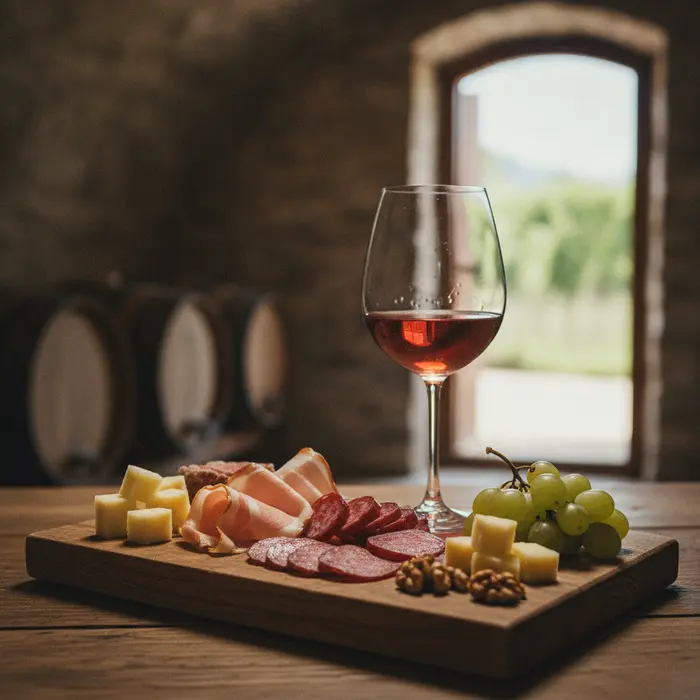
Serving Cvicek with local Slovenian charcuterie
To enjoy Cvicek like a local, serve it slightly chilled at around 10-12 degrees Celsius. Its bright red currant notes and snappy acidity act as a palate cleanser, cutting through the rich fats of smoked sausages, lard spreads, and cured hams.
Which local white grape varieties deserve more attention?
Beyond Furmint, Eastern Slovenia produces highly expressive white wines from classic and regional grapes that outshine their price points.
Laski Rizling (Welschriesling) redefined
Long dismissed as a generic blending grape across Central Europe, Laski Rizling achieves brilliant depth in Stajerska. Modern producers are lowering yields to craft dry wines that show stunning notes of white flowers, honey, and green pear.
Sivi Pinot (Pinot Gris) in its skin-contact form
Slovenian winemakers frequently give Sivi Pinot extended skin contact, turning the wine a striking copper or light copper-pink color. This process draws out textural tannins, spices, and dried apricot aromatics that elevate its food-pairing capabilities.
Highly aromatic Sauvignon Blanc from cold sites
Sauvignon Blanc from eastern hillsides has a distinct stylistic identity, sitting comfortably between the herbaceous punch of New Zealand and the flinty restraint of France's Loire Valley. It showcases intense elderflower, gooseberry, and crushed slate profiles.
How do Eastern Slovenian wines compare to neighboring regions?
While Eastern Slovenia shares historical roots with Austria and Hungary, its wines retain a distinctive mineral tension and rustic elegance.
The Austrian Steiermark (Styria) connection
Stajerska Slovenija was once part of the larger Austrian duchy of Styria, and they share similar grape varieties. However, Slovenian versions often offer broader texture and skin-contact experimentation at a fraction of the cost.
Contrasting with Hungarian volcanic terroirs
While Hungarian Tokaj relies heavily on volcanic clay soils for its Furmint, Slovenian Furmint from Stajerska comes from cool marl and sandstone, giving it a leaner, more linear, and mineral-driven focus.
How they stack up against classic Italian white wine styles
Unlike many high-volume Italian white wine styles, Eastern Slovenian white wines prioritize a tension-packed, high-acid structure. They match the complexity of premium Alto Adige whites while offering excellent cellar potential.
How should you plan a winery visit to Eastern Slovenia?
A journey through Eastern Slovenia's wine roads is a highly rewarding, uncrowded experience filled with historic cellars and stunning views.
Exploring the historic cellars of Maribor and Ptuj
Maribor is home to the world's oldest productive grape vine, which has been growing on a house facade for over 450 years. Meanwhile, nearby Ptuj houses Slovenia's oldest wine cellar, offering a deep look into medieval winemaking traditions.
Navigating the scenic wind-harps (Klopotec) of the vineyards
As you drive the rolling hills, you will spot the Klopotec, a traditional wooden wind-harp used to scare birds away from ripening grapes. These devices are an iconic symbol of the local viticultural landscape.
Booking tastings at modern family estates
Follow these simple steps to ensure a seamless tasting experience at local wineries:
- Research boutique estates in Jeruzalem-Ormoz or Bizeljsko and contact them via email 1-2 weeks in advance, as many are run by small families.
- Arrange local transportation or hire a driver, as the steep, winding vineyard roads require careful navigation.
- Always ask if you can taste both their current-release dry Sipon and their library vintages to experience how these wines develop with age.
What are the best food pairings for Eastern Slovenian wines?
The high acidity and precise mineral profile of Eastern Slovenian wines make them incredibly versatile at the dinner table.
Matching dry Sipon with rich freshwater fish
The sharp acid line of dry Furmint cuts perfectly through the oily texture of local river trout or pan-fried carp. For structural pairings, refer to our comprehensive wine pairing guide to harmonize flavor intensity.
Pairing Modra Frankinja with roasted duck or pork
Modra Frankinja (Blaufränkisch) delivers bright dark cherry fruit, white pepper, and moderate tannins. It pairs wonderfully with classic central European dishes like roasted pork loin, duck breast, or venison.
Using light reds with traditional wine starters and platters
Light, dry reds and Cvicek serve as the ultimate match for wine starters and platters. Their crisp finish cleanses the palate after every bite of soft cheeses, pickled vegetables, and sourdough bread.
How to source and collect Eastern Slovenian bottles today?
Acquiring these boutique wines requires a bit of hunting, but the reward is access to highly collectable, age-worthy bottles.
Identifying top producers to watch
Keep an eye out for acclaimed estates like Verus, Gross (winery operating across the Austrian-Slovenian border), Heumann, and Kobal. These producers are leading the charge in delivering clean, focused, terroir-driven expressions.
Understanding aging timelines for premium Sipon
While entry-level wines are meant for youthful consumption, premium single-vineyard Sipon can comfortably age for a decade or more, developing complex notes of kerosene, beeswax, and dried stone fruits.
Buying Slovakian and Slovenian gems as thoughtful wine gifts
For collectors who have tasted everything, these unique wines make exceptional, unexpected thoughtful wine gifts. They stand out on any table, offering a fantastic conversation starter about Central Europe's rich wine heritage.