What is Nonbinary Wine?
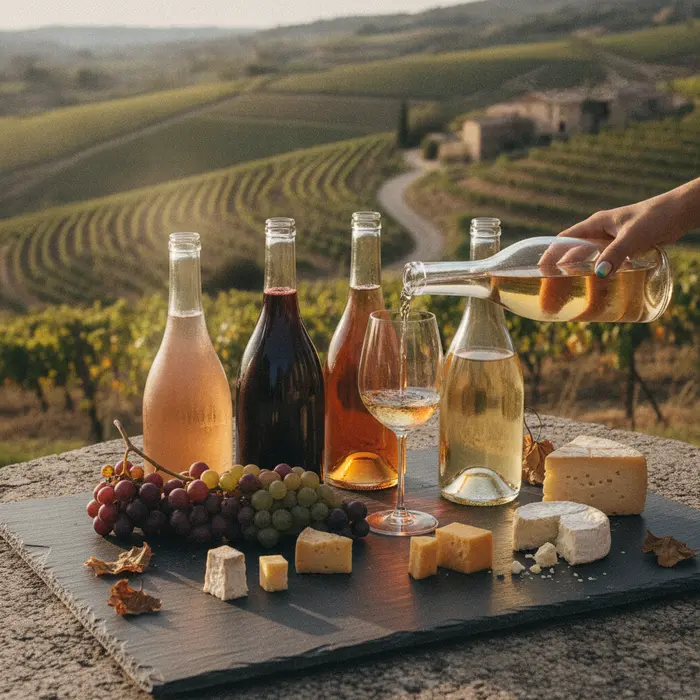
The term nonbinary wine describes both a winemaking philosophy that rejects strict binary classifications and a cultural movement championing queer, nonbinary, and underrepresented vintners. These wines deliberately blur the lines of traditional style sheets, creating complex expressions that cannot be easily pigeonholed into conventional retail aisles.
Redefining Categories Beyond Red and White
For centuries, the wine market relied heavily on separating wines into strict color categories of white, red, and rosé. Nonbinary wine styles, such as deep-amber orange wines and light red co-ferments, challenge this status quo by showing that texture and winemaking technique matter more than simple pigment. These bottles represent some of the most exciting unconventional wines in modern retail, drawing praise from collectors and casual drinkers alike.
The Cultural Shift in Modern Winemaking
Beyond the liquid itself, this category represents a safe space for diverse, LGBTQ+ winemakers who are changing how tasting rooms operate and how bottles are marketed. By centering inclusivity, these creators invite wine lovers to approach tasting without fear of pretension or academic elitism. This shift has democratized wine appreciation, making it accessible to a new generation of curious palates.
Breaking the Sweet vs Dry Dichotomy
Traditional wine tasting often demands that a bottle be strictly bone dry or dessert-level sweet. Nonbinary wines often present highly aromatic, honeyed noses that suggest sweetness, yet finish with a bracing, mineral-driven dryness on the palate. This sensory tension creates a fascinating drinking experience that challenges how we conceptualize balance in a glass.
| Wine Style | Traditional Category | Fluid/Nonbinary Alternative | Key Sensory Profile |
|---|---|---|---|
| Skin-Contact White | White Wine | Orange/Amber Wine | Tannic structure, dried apricot, tea leaves, savory grip |
| Red-White Co-Ferment | Red Wine or Rosé | Chilled Light Hybrid | Bright acidity, wild red berries, low tannin, high freshness |
| Pétillant Naturel | Sparkling Wine | Ancestral Sparkler | Cloudy, yeasty complexity, soft natural bubbles, raw fruit |
How Do Skin-Contact and Orange Wines Defy Classification?
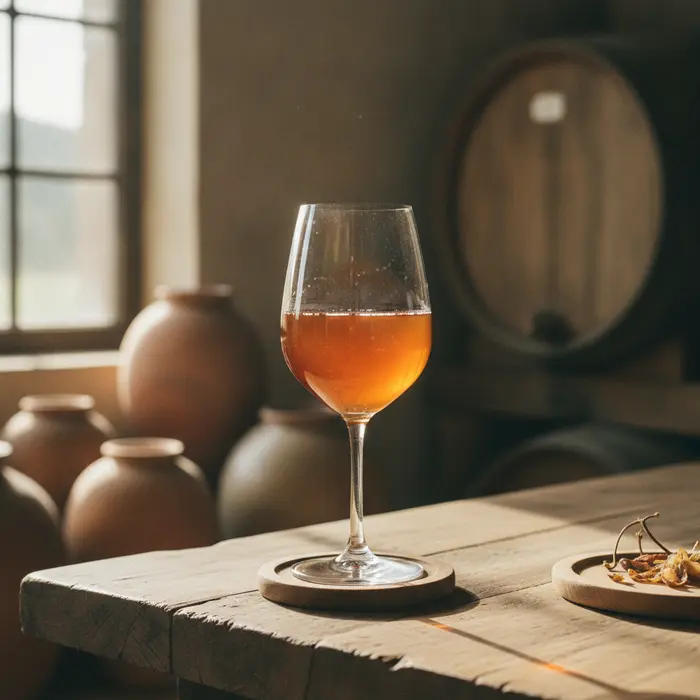
Skin-contact wines, widely known as orange or amber wines, are made by fermenting white grape varieties with their grape skins, just like red wines. This ancient technique extracts tannins, phenols, and deep colors, landing the final product in a stylistic gray area that is neither white nor red.
The Skin-Contact White Winemaking Process
By keeping the juice of white grapes like Pinot Grigio, Friulano, or Ribolla Gialla in contact with their skins for days, weeks, or even months, winemakers extract structural compounds. This process gives the wine its signature amber hue and a rustic, complex mouthfeel. Tasting these bottles requires a slight recalibration of your palate, which you can master with our guide on how to taste wine like a sommelier.
Structural Complexity and Tannins in White Grapes
Unlike standard whites, which are pressed immediately to discard the skins, orange wines possess actual tannins that dry the gums. This structural grip means they can pair with heavy, savory dishes that would easily crush a typical Pinot Grigio or Sauvignon Blanc. This makes them exceptionally versatile on the dinner table, functioning as a bridge between light seafood courses and heavy meats.
Top Regions for Amber and Orange Expression
While Georgia is the historical birthplace of clay-vessel qvevri aging, other regions have embraced this fluid style with incredible success. Producers in Friuli-Venezia Giulia, Slovenia, and parts of California are crafting brilliant skin-contact bottles. These regions demonstrate that native varietals can adapt beautifully to extended maceration, offering consumers deeply localized terroir in every sip.
The Rise of Red-White Co-Fermentations
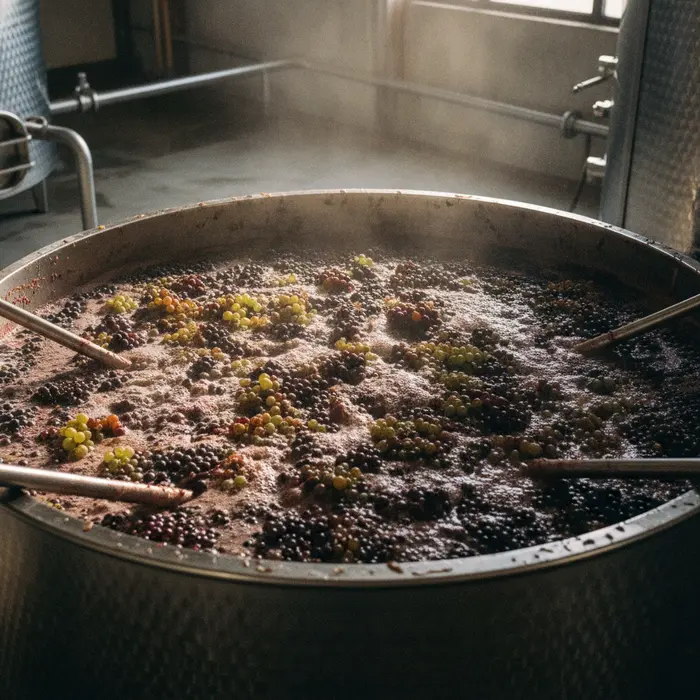
Co-fermentation involves fermenting red and white grapes together in the same vessel, rather than blending finished wines. This integration of different varieties creates a harmonious, light-bodied beverage that is highly drinkable and beautifully transgressive.
Blending Across Traditional Boundaries
Co-fermenting grapes like Syrah with a splash of Viognier is a classic Rhone valley technique, but modern winemakers are taking it further. They are tossing red Pinot Noir and white Pinot Gris into the same press, creating light, translucent juices. These wines bypass the high-alcohol, heavy-oak style, offering refreshing alternatives with low wine calories by type.
Chilled Reds and Light-Bodied Revolution
The consumer demand for heavy, high-alcohol red wines is declining in favor of fresh, chilled reds that can be enjoyed in casual settings. These wines are light enough to take a chill beautifully, highlighting their bright red-fruit notes without tightening up the tannins. This category has become a staple of modern wine lists, valued for its approachability and refreshing energy.
Sensory Profiles of Hybrid Pours
Hybrid co-ferments deliver a sensory collage of wild strawberries, floral aromatics, and a light herbal undertone. They are energetic on the palate, with a refreshing acidity that makes them incredibly easy to drink. These wines prove that color intensity does not dictate the quality or complexity of a bottle.
How Do Queer and Nonbinary Winemakers Shape the Industry?
Queer and nonbinary winemakers are at the forefront of the natural wine movement, using their platforms to foster inclusive, eco-friendly communities. By rejecting the corporate, male-dominated traditions of old-school estates, they are creating progressive spaces that champion equality and social justice.
"Wine is a living thing that reflects the identity of the person who guides it from the soil to the glass. By moving past the rigid boundaries of the past, we create a more inclusive, vibrant, and honest community."
Community-Led Movements in Modern Vineyards
From advocacy groups to collaborative queer wine festivals, underrepresented voices are organizing to support one another in agricultural spaces. These initiatives offer mentorship, fair wages, and safe working environments in an industry historically slow to change. This community spirit directly affects the consumer, resulting in highly collaborative and unique regional releases.
Natural Winemaking as an Act of Liberation
For many nonbinary producers, natural winemaking (using native yeasts, minimal sulfur, and no chemical additives) is a direct extension of their personal philosophy. It is about letting the grapes express themselves naturally without forcing them into sterile, artificial molds. This hands-off approach honors the true, unadulterated nature of the vineyard.
Highlighting Progressive Labels and Collaborations
Exciting labels from California to South Africa are celebrating fluid winemaking with gorgeous, art-forward branding. These bottles often feature queer-inspired label art and donate portions of their proceeds to local social causes. Supporting these producers allows wine buyers to align their spending habits with their personal values.
Serving and Pairing Fluid Wine Styles
Pairing and serving nonbinary wines is delightfully simple because their balanced structure coordinates effortlessly with a wide array of foods. Because they contain components of both red and white profiles, they easily navigate complex menus without clashing.
Ideal Serving Temperatures for Hybrid Styles
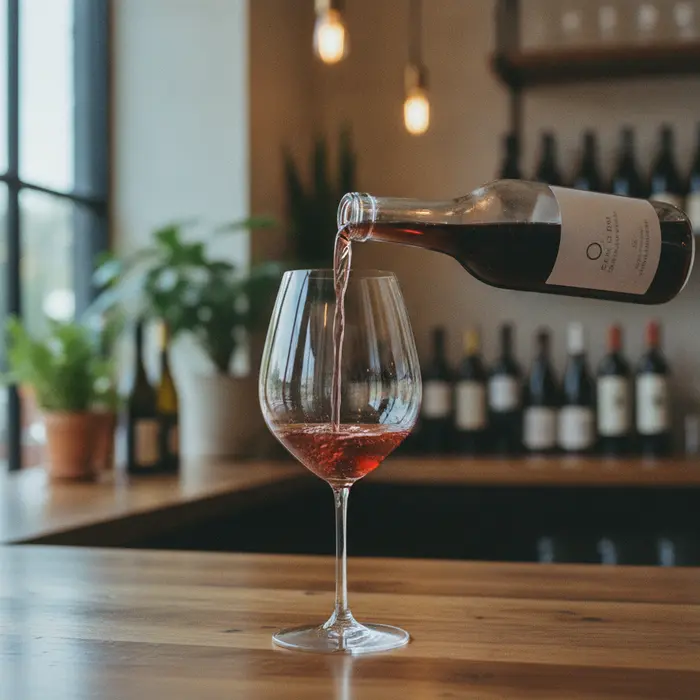
To experience these wines at their best, pay careful attention to serving temperatures as detailed in our guide on how to master wine service. Skin-contact whites should be served slightly cellar-cool, around 50 to 54 degrees Fahrenheit, rather than ice-cold. Chilled reds perform beautifully when kept around 55 degrees, keeping their fruit profiles bright and crisp.
Food Pairing Rules for Hard-to-Categorize Wines
Because orange wines have both white-wine acidity and red-wine tannin, they are exceptional culinary partners. They cut through the richness of roasted pork, complement intense herbal curries, and pair beautifully with savory starters like those highlighted in our best wine starters guide. If you are serving a holiday feast, a light red-white co-ferment makes an exceptional choice for pairing with roasted turkey.
Choosing Glassware for Multi-Dimensional Profiles
Avoid narrow white wine glasses when enjoying these complex styles. Instead, reach for medium-sized Burgundy or universal glasses that allow plenty of oxygen to interact with the wine. This oxygenation releases the layered aromas of dried flowers, herbs, and earth that make nonbinary wines so fascinating.
- Chill the bottle gently: Place your orange wine or co-ferment in the refrigerator for about 45 minutes to reach the ideal cellar temperature.
- Select a universal glass: Use a glass with a wider bowl to appreciate the complex aromas.
- Pour and observe: Look at the unique hue, noting the copper, amber, or light translucent pink colors.
- Swirl and sniff: Give the glass a gentle swirl to unlock savory, herbal, and stone fruit aromatics.
- Savor with food: Enjoy the wine alongside a versatile spread, noting how the structural tannins interact with fat and salt.
Where Can You Buy Nonbinary and Progressive Wines?
Locating these unique bottles requires stepping away from mass-market grocery shelves and exploring curated, independent retailers. Natural wine bars, boutique bottle shops, and direct-to-consumer online platforms are the best sources for progressive wines.
Sourcing from Independent Natural Wine Shops
Your local independent wine merchant is your greatest asset when hunting for non-traditional, queer-made wines. These small business owners usually import directly from small-scale farmers and can tell you the exact stories behind each bottle. They can guide you toward unique, hard-to-find releases that match your personal taste profile.
Navigating Online Direct-to-Consumer Platforms
Many progressive, small-batch winemakers do not have nationwide distribution, making online direct sales highly valuable. Subscribing to wine clubs run by queer-friendly platforms guarantees a steady stream of unique bottles shipped straight to your door. This method directly supports the independent producers, ensuring they receive a fair share of the profits.
Deciphering Labels on Dynamic Bottles
Labels on nonbinary wines are often whimsical, abstract, and free of the stuffy, traditional crests found on old-world bottles. Look for terms like skin-contact, wild ferment, unfined, unfiltered, or co-fermented on the back label. These indicators promise an exciting, non-traditional tasting experience inside.
Why Are Natural and Pet-Nat Wines Inherently Nonbinary?
Pétillant Naturel, or Pet-Nat, is a style of sparkling wine made using the ancestral method, where the wine is bottled before its first fermentation is complete. This raw, unfiltered approach creates a beverage that changes constantly, refusing to settle into a static style.
The Ancestral Method of Pétillant Naturel
Unlike Champagne, which undergoes a rigorous secondary fermentation with added sugar and yeast, Pet-Nats rely on natural sugars. This simple, historical method results in softer, more delicate bubbles and a lower alcohol content. The resulting wine is rustic, vibrant, and completely unpredictable in the best possible way.
Unfined and Unfiltered Visual Aesthetics
Nonbinary winemakers often opt to skip fining and filtering, leaving the natural yeasts and proteins in the bottle. This choice gives Pet-Nats and natural wines a cloudy, hazy appearance that challenges traditional expectations of crystal-clear wine. This cloudiness is not a defect; rather, it is a hallmark of texture, flavor, and physical authenticity.
Dynamic Secondary Fermentations
Because they are bottled while still active, these wines continue to develop inside the glass bottle. Every single bottle of natural Pet-Nat is a slightly unique snapshot of a living process. This constant evolution is the ultimate expression of fluid identity, celebrating change rather than manufactured consistency.